






Next-Gen Ultrasound Endoscope Enables Complex Diagnostic and Therapeutic Procedures
|
By HospiMedica International staff writers Posted on 29 Sep 2022 |


|
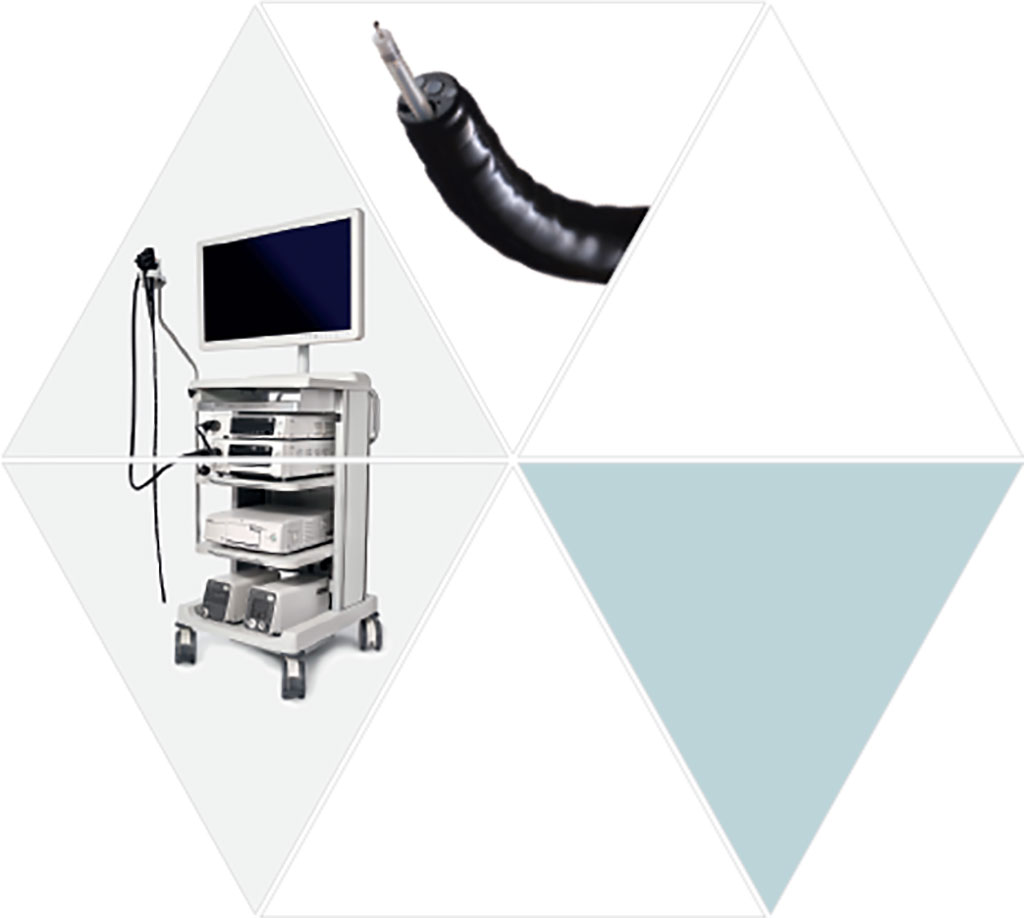
Endoscopic ultrasound is a specialist procedure performed utilizing an endoscope equipped with an ultrasonic transducer which emits and receives ultrasonic waves within the gastrointestinal tract, such as the esophagus, stomach, and duodenum, to provide images which can enable physicians to identify anatomical structures and associated pathology. The exact positioning and size of pathology as well as the depth of cancer invasion can be determined utilizing this specialist technique. Endoscopic ultrasound is widely used especially for the detailed examination and diagnosis of pancreatic and biliary lesions. In recent years, endoscopic ultrasound-assisted fine-needle aspiration, in which a needle is guided and inserted into an extraluminal cyst or lesion by way of ultrasound imaging, is used to collect cells and tissue from the area to undergo histopathological diagnoses. Moreover, interventional endoscopic ultrasound is becoming widely adopted for therapeutic applications involving the pancreatic and biliary anatomy.
FUJIFILM Corporation (Tokyo, Japan) has developed a convex ultrasonic endoscope, the EG-740UT, for the upper gastrointestinal tract. The EG-740UT is equipped with a specialist guide wire locking mechanism and a new distal end configuration. Its distinct design enables endoscopic instruments to be visualized within the endoscopic field of view, with the aim of improving the efficiency and user-friendliness of the ultrasound endoscope during the procedure. The EG-740UT ultrasound endoscope offers improved ultrasound transmission and reception sensitivity by adopting a newly developed high-performance transducer, thereby significantly improving the ultrasound image quality.
In addition, the new ultrasound endoscope is equipped with the well-established "G-LOCK" mechanism, which can fixate the guidewire during intra procedural instrument exchange, reducing the complexity and duration of instrument exchanges. Moreover, with the revised configuration of the camera lens, transducer and instrument channel outlet as well as increased diameter of the working channel, and reduced size of the rigid aspects of the endoscope tip, the ultrasound endoscope can deliver high-end, all-round clinical performance from diagnosis to treatment.
Fujifilm's latest generation EG-740UT ultrasound endoscope combined with its ARIETTA 850 provides outstanding ultrasound image quality with advanced therapeutic capability. The ARIETTA 850 FF ENDO is equipped with Fujifilm Healthcare's ultrasonic transmission and reception technology "eFocusing" and image processing technology "Carving Imaging" making it possible to render clear ultrasound images from superficial to the very deepest areas of the abdomen. In addition, the ARIETTA is equipped with various diagnostic applications such as Real-time Tissue Elastography (RTE), which uses color to express variations in tissue elasticity, and Shear Wave Measurement, which can quantitatively evaluate the elasticity of the tissue. The newly compatible EG-740UT and Arietta 850 will go on sale from January 2023.
“The compatibility of Fujifilm's high performance ultrasound endoscopes with Fujifilm Healthcare's flagship ultrasound diagnostic equipment was highly anticipated since the acquisition of Hitachi's Diagnostic Imaging Business back in 2021,” said Takemasa Kojima, Vice President – Endoscopy at FUJIFILM Europe GmbH. “We are incredibly proud that this milestone has come to fruition. We will continue with vigor, to bring together class leading, proprietary technologies, products, and services to deliver endoscopy solutions that will deliver better outcomes for patients.”
Related Links:
FUJIFILM Corporation






Latest Surgical Techniques News
- Fiber-Form Bone Graft Expands Intraoperative Options for Spinal Fusion
- Ultrasound‑Aided Catheter Treatment Cuts Early Collapse in Pulmonary Embolism
- Ultrasound Technology Aims to Replace Invasive BPH Procedures
- Continuous Monitoring with Wearables Enhances Postoperative Patient Safety
- New Approach Enables Customized Muscle Tissue Without Biomaterial Scaffolds
- Robot-Assisted Brain Angiography Improves Procedural Outcomes
- Brain Mapping Technology Enhances Precision in Brain Tumor Resection
- Handheld Robotic System Expands Options for Total Knee Surgery
- VR Experience Reduces Patient Anxiety Before Kidney Stone Procedure
- Injectable Mini Livers Offer Hope for Patients Awaiting Transplant
- Pulsed Field Ablation Technology Cleared in Europe for Persistent AFib
- AI-Powered Imaging Brings Real-Time Margin Clarity to Breast Cancer Surgery
- Minimally Invasive Device Safely Treats Challenging Brain Aneurysms
- Surgical Robot Makes Complex Liver Tumor Surgery Safer and Less Invasive
- Neurostimulation Implant Reduces Seizure Burden in Drug-Resistant Epilepsy
- Minimally Invasive Procedure Effectively Treats Small Kidney Cancers
Channels
Artificial Intelligence
view channel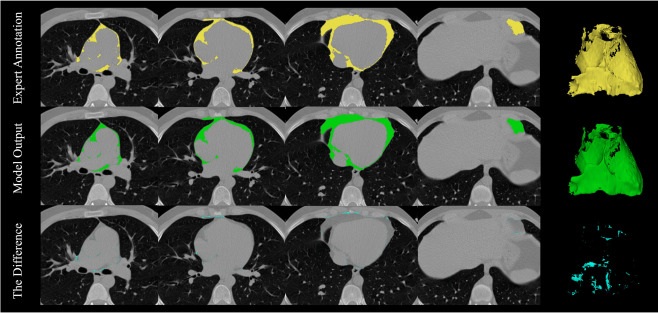
AI Analysis of Pericardial Fat Refines Long-Term Heart Disease Risk
Accurately identifying long-term cardiovascular disease risk in asymptomatic adults remains challenging for clinicians. Missed or underestimated risk delays preventive therapy and increases the chance... Read more
Machine Learning Approach Enhances Liver Cancer Risk Stratification
Hepatocellular carcinoma, the most common form of primary liver cancer, is often detected late despite targeted surveillance programs. Current screening guidelines emphasize patients with known cirrhosis,... Read more

Critical Care
view channel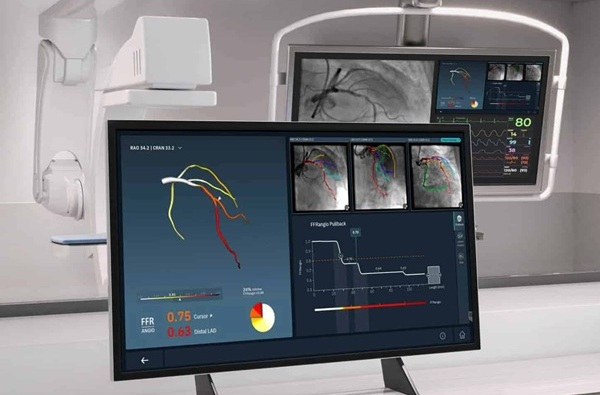
Angiography-Based FFR Approach Matches Gold Standard Results Without Wires
Accurately determining whether a coronary stenosis limits blood flow is essential to guide percutaneous coronary intervention, yet wire-based physiologic testing remains underused due to added procedural... Read more
Eye Imaging AI Identifies Elevated Cardiovascular Risk
Many adults at risk for atherosclerotic cardiovascular disease are not identified until they undergo formal primary care assessment. Delayed risk recognition can postpone initiation of statins and lifestyle... Read more

Surgical Techniques
view channel
Fiber-Form Bone Graft Expands Intraoperative Options for Spinal Fusion
Spinal and orthopedic fusion procedures often require bone graft materials that handle predictably and support bone formation. Surgeons face added complexity in difficult anatomy and challenging fusion environments.... Read more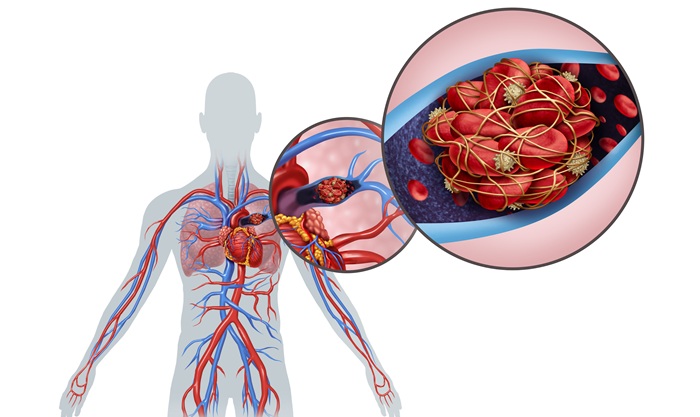
Ultrasound‑Aided Catheter Treatment Cuts Early Collapse in Pulmonary Embolism
Acute pulmonary embolism can cause rapid hemodynamic deterioration and early death in hospitalized and emergency patients. Systemic thrombolysis can dissolve clots but is limited by a high risk of major... Read more

Patient Care
view channel
Wearable Sleep Data Predict Adherence to Pulmonary Rehabilitation
Chronic obstructive pulmonary disease (COPD) is a long-term lung disorder that makes breathing difficult and often disturbs sleep, reducing energy for daily activities. Limited engagement in pulmonary... Read more
Revolutionary Automatic IV-Line Flushing Device to Enhance Infusion Care
More than 80% of in-hospital patients receive intravenous (IV) therapy. Every dose of IV medicine delivered in a small volume (<250 mL) infusion bag should be followed by subsequent flushing to ensure... Read more

Health IT
view channel
Voice-Driven AI System Enables Structured GI Procedure Documentation
Documentation during gastrointestinal (GI) procedures often competes with real-time clinical decision-making and imposes a significant cognitive burden on physicians. Manual data entry and post-procedure... Read more
EMR-Based Tool Predicts Graft Failure After Kidney Transplant
Kidney transplantation offers patients with end-stage kidney disease longer survival and better quality of life than dialysis, yet graft failure remains a major challenge. Although a successful transplant... Read more
Printable Molecule-Selective Nanoparticles Enable Mass Production of Wearable Biosensors
The future of medicine is likely to focus on the personalization of healthcare—understanding exactly what an individual requires and delivering the appropriate combination of nutrients, metabolites, and... Read more

Business
view channel
GE HealthCare Leads Major European Initiative to Advance Cardio-Oncology Care
Cardiovascular complications are increasingly recognized among people undergoing or recovering from cancer treatment, driven by pre‑existing disease and the cardiotoxic effects of chemotherapy, radiotherapy,... Read more

