






New Guidance Recommends Coronary CTA as First-Line Test when Treating Acute Chest Pain in ED
|
By HospiMedica International staff writers Posted on 04 Oct 2022 |


|
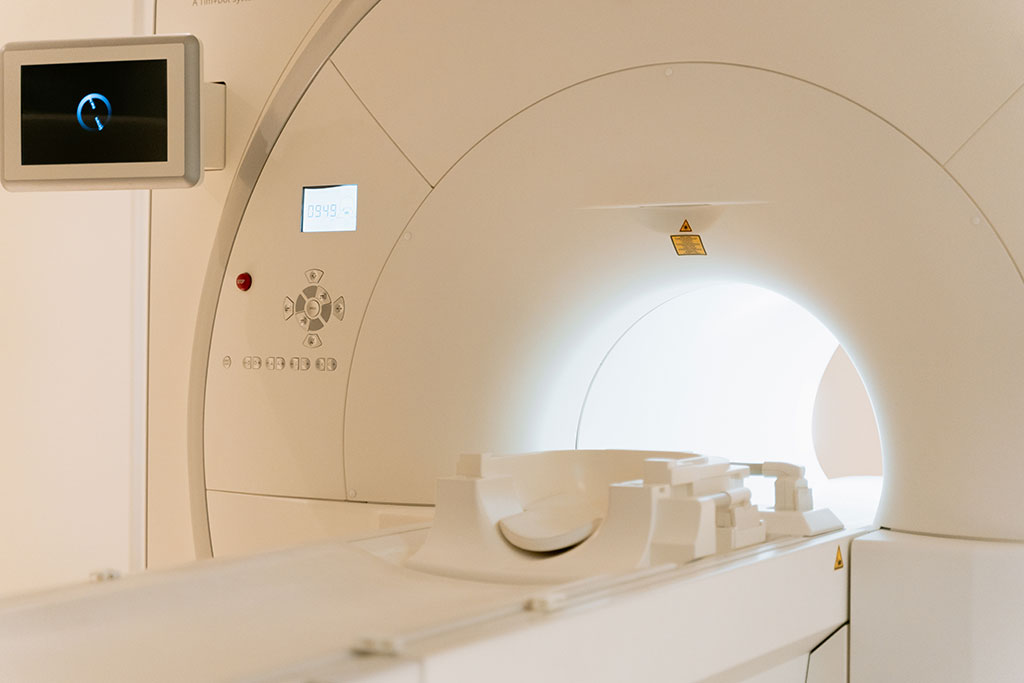
Diagnosis and triage of emergency department (ED) patients with suspected acute coronary syndrome (ACS) consume a large and increasing amount of healthcare resources. ED overcrowding is associated with adverse outcomes for acute chest pain (ACP) patients, and consequently rapid triage has both health and economic consequences. Further, the consequences of missing ACS are both a source of morbidity and mortality in such patients and remain a source of significant malpractice litigation. Therefore, expeditious, safe evaluation of ACP is a pressing need to increase ED efficiency, contain costs and improve outcomes. Coronary computed tomographic angiography (CCTA) is a proven strategy to safely expedite diagnosis and limit resource utilization for patients presenting with acute chest pain in the ED with no known prior coronary artery disease. The clinical value of CCTA in this setting is well-validated in numerous randomized-controlled trials.
The Society of Cardiovascular Computed Tomography (SCCT, Arlington, VA, USA) has now released an expert consensus document detailing standards of practice for CCTA use for patients presenting with ACP to the ED. Endorsed by the American College of Radiology (ACR, Reston, VA, USA) and the North American Society for Cardiovascular Imaging (NASCI, East Dundee, IL, USA), the document outlines the benefits of CCTA as the first-line test for ACP and provides recommendations for appropriate patient selection, preparation, protocol selection, interpretation, reporting and patient management based on clinical evidence and expert consensus.
The guidance is supported by data from eight randomized controlled trials and five meta-analyses validating the utility of CCTA in the ED. Over the past decade, CCTA has established itself as a first-line imaging strategy for rapid triage of patients with low-to-intermediate risk ACP in the ED. CCTA offers rapid evaluation of the degree of coronary stenosis and atherosclerosis, allows significant reduction in time-to-discharge, and ensures high risk patients are appropriately triaged to cardiac catheterization.
Rapid chest pain triage also limits nosocomial infection transmission between patients and medical staff, which is of particular importance during the COVID-era. In the ED setting, the high accuracy of CCTA is driven by its high sensitivity and negative predictive value for detecting or excluding obstructive coronary artery disease, particularly among patients with low-to-intermediate pretest risk for ACS. CCTA is now a recognized frontline test for ACP triage, endorsed with the highest possible rating (Class I, Level of Evidence A) in the 2021 AHA/ACC Guideline for the Evaluation and Diagnosis of Chest Pain
"This document serves as a framework for hospitals and emergency departments looking to implement and expand their coronary CTA programs,” said Christopher Maroules, MD, FSCCT, lead author. “With the detailed operational guidelines and best practices outlined in this document, physicians and administrators will be equipped to leverage the maximum value of this pathway, improving health outcomes for their patients, decompressing busy emergency rooms and lowering healthcare costs. We've finally passed the inflection point where coronary CTA can be considered the new ‘standard of care’ for acute chest pain triage in patients with low-to-intermediate risk for acute coronary syndrome (ACS)."






Latest General/Advanced Imaging News
Channels
Artificial Intelligence
view channel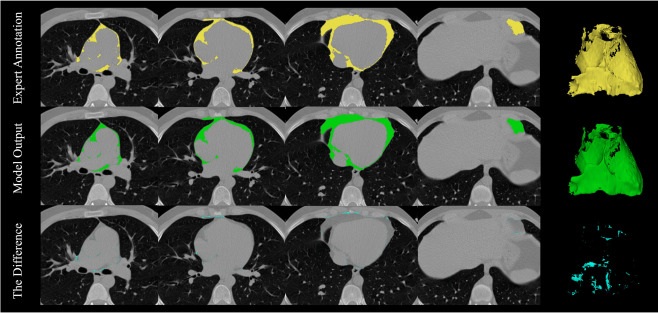
AI Analysis of Pericardial Fat Refines Long-Term Heart Disease Risk
Accurately identifying long-term cardiovascular disease risk in asymptomatic adults remains challenging for clinicians. Missed or underestimated risk delays preventive therapy and increases the chance... Read more
Machine Learning Approach Enhances Liver Cancer Risk Stratification
Hepatocellular carcinoma, the most common form of primary liver cancer, is often detected late despite targeted surveillance programs. Current screening guidelines emphasize patients with known cirrhosis,... Read more

Critical Care
view channel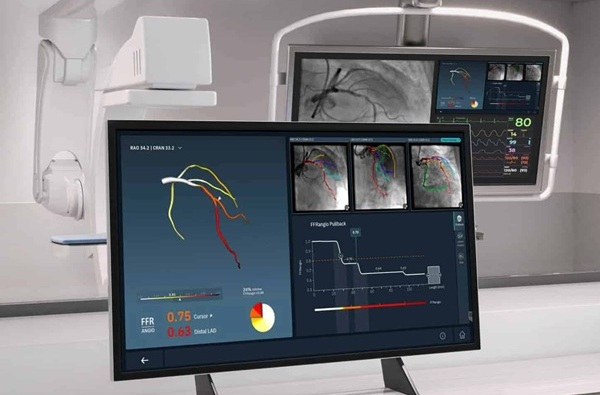
Angiography-Based FFR Approach Matches Gold Standard Results Without Wires
Accurately determining whether a coronary stenosis limits blood flow is essential to guide percutaneous coronary intervention, yet wire-based physiologic testing remains underused due to added procedural... Read more
Eye Imaging AI Identifies Elevated Cardiovascular Risk
Many adults at risk for atherosclerotic cardiovascular disease are not identified until they undergo formal primary care assessment. Delayed risk recognition can postpone initiation of statins and lifestyle... Read more

Surgical Techniques
view channel
Fiber-Form Bone Graft Expands Intraoperative Options for Spinal Fusion
Spinal and orthopedic fusion procedures often require bone graft materials that handle predictably and support bone formation. Surgeons face added complexity in difficult anatomy and challenging fusion environments.... Read more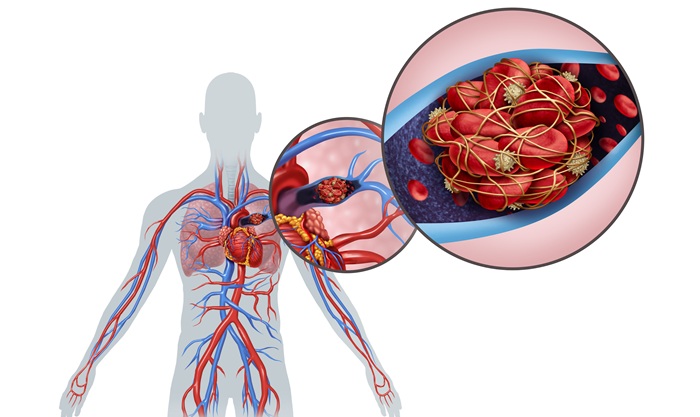
Ultrasound‑Aided Catheter Treatment Cuts Early Collapse in Pulmonary Embolism
Acute pulmonary embolism can cause rapid hemodynamic deterioration and early death in hospitalized and emergency patients. Systemic thrombolysis can dissolve clots but is limited by a high risk of major... Read more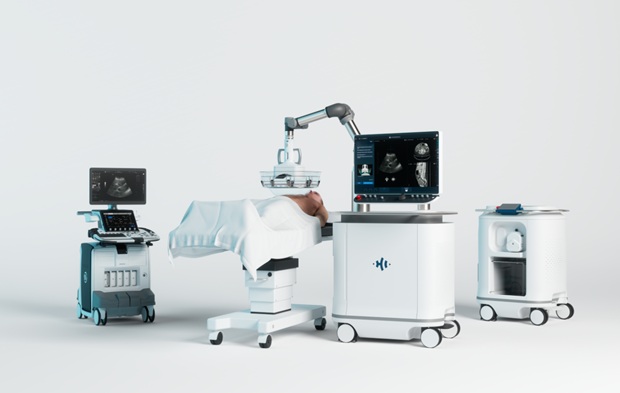

Patient Care
view channel
Wearable Sleep Data Predict Adherence to Pulmonary Rehabilitation
Chronic obstructive pulmonary disease (COPD) is a long-term lung disorder that makes breathing difficult and often disturbs sleep, reducing energy for daily activities. Limited engagement in pulmonary... Read more
Revolutionary Automatic IV-Line Flushing Device to Enhance Infusion Care
More than 80% of in-hospital patients receive intravenous (IV) therapy. Every dose of IV medicine delivered in a small volume (<250 mL) infusion bag should be followed by subsequent flushing to ensure... Read more

Health IT
view channel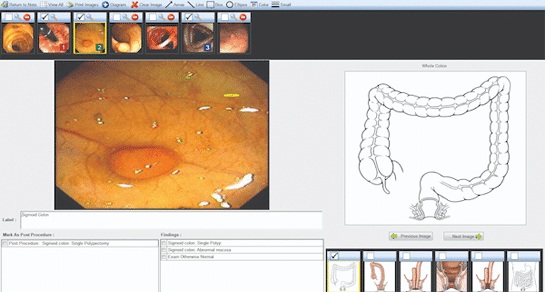
Voice-Driven AI System Enables Structured GI Procedure Documentation
Documentation during gastrointestinal (GI) procedures often competes with real-time clinical decision-making and imposes a significant cognitive burden on physicians. Manual data entry and post-procedure... Read more
EMR-Based Tool Predicts Graft Failure After Kidney Transplant
Kidney transplantation offers patients with end-stage kidney disease longer survival and better quality of life than dialysis, yet graft failure remains a major challenge. Although a successful transplant... Read more
Printable Molecule-Selective Nanoparticles Enable Mass Production of Wearable Biosensors
The future of medicine is likely to focus on the personalization of healthcare—understanding exactly what an individual requires and delivering the appropriate combination of nutrients, metabolites, and... Read more

Business
view channel
GE HealthCare Leads Major European Initiative to Advance Cardio-Oncology Care
Cardiovascular complications are increasingly recognized among people undergoing or recovering from cancer treatment, driven by pre‑existing disease and the cardiotoxic effects of chemotherapy, radiotherapy,... Read more

