






Global Surgical Instruments Market Driven by Increase in Procedures and Unmet Demand
|
By HospiMedica International staff writers Posted on 20 Oct 2022 |


|
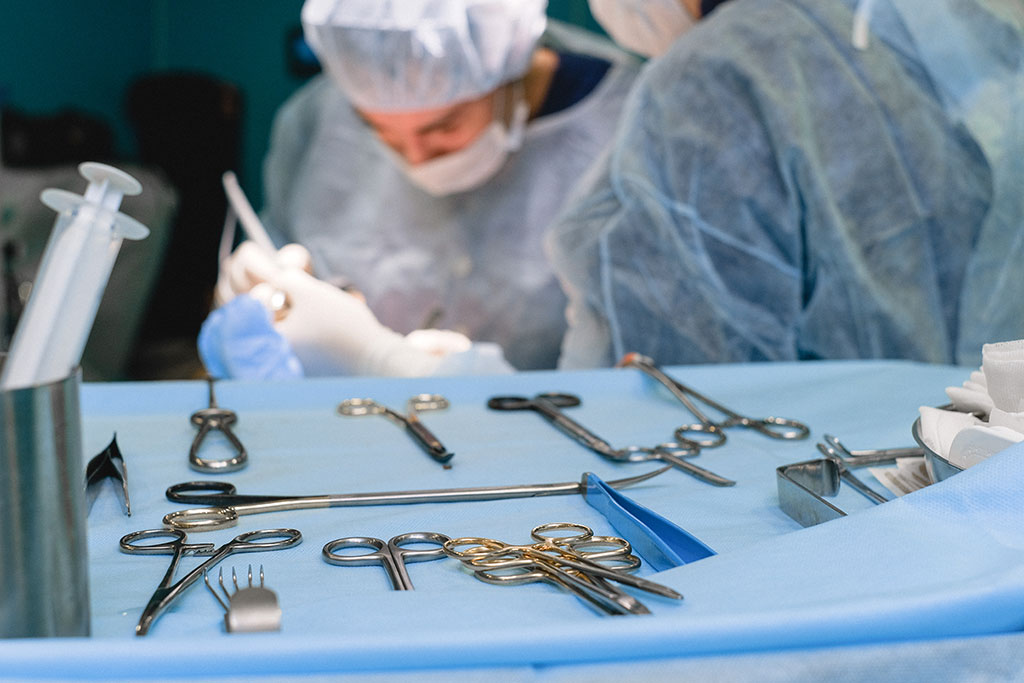
Surgical instruments can be used for a variety of tasks, including cutting, dissecting, gripping, holding, dilating or expanding, suctioning, withdrawing, or suturing. These tools are used in many different processes and operations. The world's increasingly aging population and rise in chronic diseases are contributing to the rise in the number of surgeries. The elderly population is more susceptible to chronic ailments. Geriatric patients make up a significant portion of the total patient population because of their higher risk of contracting such diseases. Surgical procedures are an excellent choice for treating most of these ailments as the elderly population is more prone to orthopedic, cardiovascular, and ophthalmic disorders. The number of elderly people is predicted to increase, which will increase the demand for various surgical and interventional procedures. The global surgical instruments market was valued at USD 9.21 billion in 2022 and is projected to grow at a CAGR of 7.25% from 2023 to 2030 to reach USD 15.75 billion by 2030, driven by a growing geriatric population, rising healthcare costs, significant unmet surgical demand, and an increase in surgical volume.
These are the latest findings of Verified Market Research (Lewes, DE, USA), a global research and consulting firm.
The number of surgical procedures performed around the world has increased dramatically over time. According to a 2019 WHO estimate, approximately 235 million major surgical procedures are performed worldwide each year. Surgical instruments are in high demand as the number of surgeries increases and the quality of care given by healthcare facilities improves. The global COVID-19 outbreak and lockdown across nations posed a challenge for the surgical instruments market due to hospitals and clinics postponing surgical services to stop the spread of the virus. However, additional surgeries are now being scheduled to make up for the delay in most non-urgent and optional surgeries during the lockdown due to an increase in the number and acuity of COVID-19 patients.
Additionally, manufacturers of surgical instruments face a highly volatile regulatory environment. The U.S. Food and Drug Administration (FDA) demands more scientific proof of a device’s clinical safety and efficacy. As a result, surgical instrument manufacturers are making increased investments in clinical trials, the authorization process is taking longer, and much more funding is now required for comprehensive pharmacovigilance research. This also increases the likelihood of product recalls, especially when manufacturers lack the economic resources to conduct additional research to meet FDA information needs. Delays in authorization could hamper growth of the market for less invasive surgical instruments.
Based on product, the handheld devices segment holds the largest share of the surgical instruments market owing to a rise in the number of surgeries performed globally. However, due to a shift in customer preference from traditional to minimally invasive surgeries, the international market for manual handheld surgical techniques is expected to decline during the forecast period. The electrosurgical devices segment is the fastest-growing in the surgical instruments market due to the high demand for minimally invasive surgeries and technological advancements. Based on category, the disposable surgical tools segment is expected to register the highest CAGR over the forecast period as disposable surgical equipment has gained significant traction over the years and is increasingly being used during plastic and reconstructive surgery, wound closure, orthopedic surgery, laparoscopic surgery, and other procedures.
Based on application, the cardiothoracic surgery segment holds the largest share of the surgical instruments market due the rising proportion of coronary and percutaneous cardiology interventions, increasing use of minimally invasive surgical instruments in such surgeries, and higher incidence of cardiovascular diseases. Based on end-user, the hospitals segment and specialty clinics segment hold the largest share of the surgical instruments market. The substantial percentage of minimally invasive procedures conducted in hospitals due to the presence of highly qualified healthcare professionals is driving the growth of the hospitals segment.
Geographically, North America holds the largest revenue share of the global surgical instruments market due to high healthcare expenditure in the U.S., which has resulted in its well-established hospital infrastructure. Various technological advances in MIS procedures and the large pool of technical surgeons in the U.S. will help the North American surgical instruments market continue to record a steady CAGR through the forecast period. According to the 2018 World Integrated Trade Solution report, Europe is a major global supplier of medical and surgical instruments. The Netherlands, Germany, and Belgium are just a few of the notable markets in this region with lucrative growth potential. Factors such as major market players’ domicile presence, geographic proximity to the Asian market, and the soaring burden of chronic disorders are expected to drive the growth of the European surgical instruments market.
The surgical instruments market in Asia Pacific is expected to register the fastest CAGR during the forecast period. Hospital cancellations and postponement of elective surgeries during the global pandemic had a negative impact on the Asia Pacific surgical instruments market in 2020. Several surgical centers in ASEAN countries remained closed due to lack of resources, such as PPE, OT, and a skilled workforce. With surgical centers slowly reopening and massive backlogs squeezing service providers, the requirement for single-use surgery devices in the Asia Pacific region is expected to skyrocket over the coming years.
Related Links:
Verified Market Research






Latest Business News
- Philips and Masimo Partner to Advance Patient Monitoring Measurement Technologies
- B. Braun Acquires Digital Microsurgery Company True Digital Surgery
- CMEF 2025 to Promote Holistic and High-Quality Development of Medical and Health Industry
- Bayer and Broad Institute Extend Research Collaboration to Develop New Cardiovascular Therapies
- Medtronic Partners with Corsano to Expand Acute Care & Monitoring Portfolio in Europe
- Expanded Collaboration to Transform OR Technology Through AI and Automation
- Becton Dickinson to Spin Out Biosciences and Diagnostic Solutions Business
- Boston Scientific Acquires Medical Device Company SoniVie
- 2026 World Hospital Congress to be Held in Seoul
- Teleflex to Acquire BIOTRONIK’s Vascular Intervention Business
- Philips and Mass General Brigham Collaborate on Improving Patient Care with Live AI-Powered Insights
- Arab Health 2025 Celebrates Landmark 50th Edition
- Boston Scientific Acquires Medical Device Company Intera Oncology
- MEDICA 2024 to Highlight Hot Topics of MedTech Industry
- Start-Ups To Once Again Play Starring Role at MEDICA 2024
- Boston Scientific to Acquire AFib Ablation Company Cortex
Channels

Critical Care
view channel
Magnetically Guided Microrobots to Enable Targeted Drug Delivery
Stroke affects 12 million people globally each year, often causing death or lasting disability. Current treatment relies on systemic administration of clot-dissolving drugs, which circulate throughout... Read more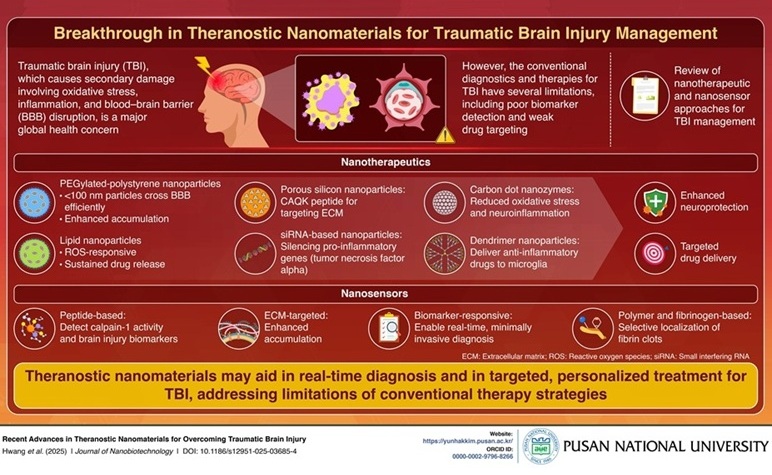
Smart Nanomaterials Detect and Treat Traumatic Brain Injuries Simultaneously
Traumatic brain injury (TBI) continues to leave millions with long-term disabilities every year. After a sudden impact from a fall, collision, or accident, the brain undergoes inflammation, oxidative stress,... Read more
Earlier Blood Transfusion Could Reduce Heart Failure and Arrhythmia in Heart Disease Patients
Blood loss during or after surgery can place significant stress on people with heart disease, increasing the risk of dangerous complications. Transfusions are often delayed until hemoglobin levels fall... Read more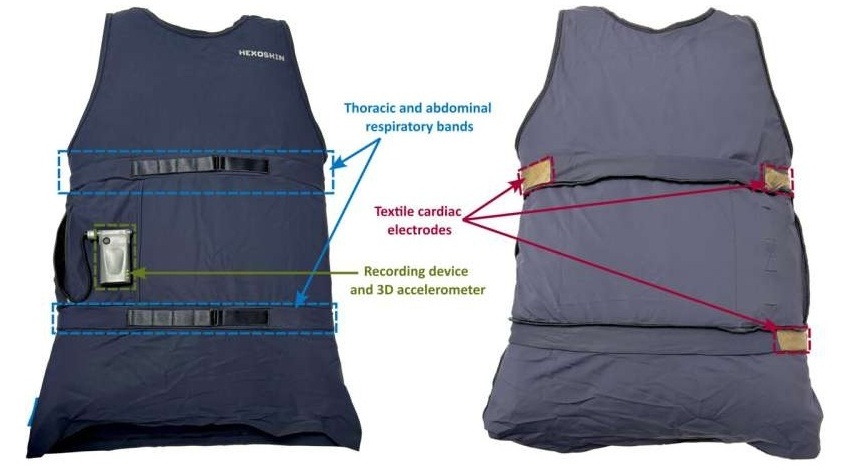
Surgical Techniques
view channel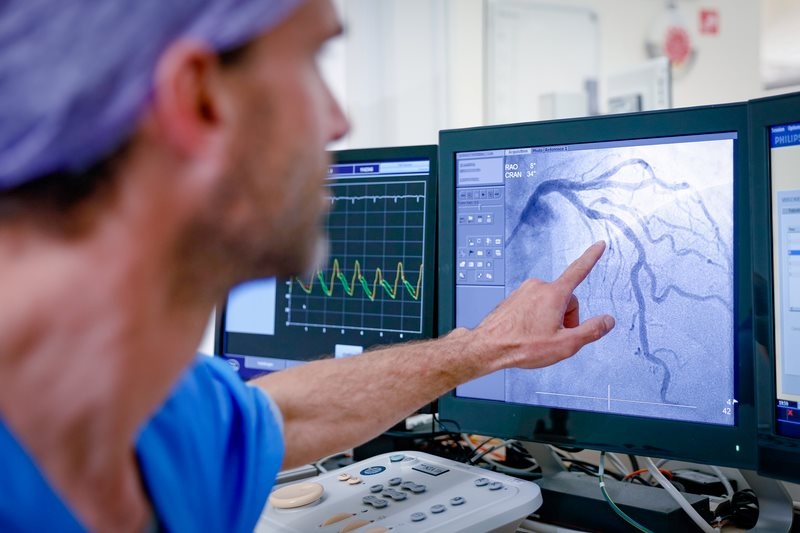
New Study Findings Could Halve Number of Stent Procedures
When a coronary artery becomes acutely blocked during a heart attack, opening it immediately is essential to prevent irreversible damage. However, many patients also have other narrowed vessels that appear... Read more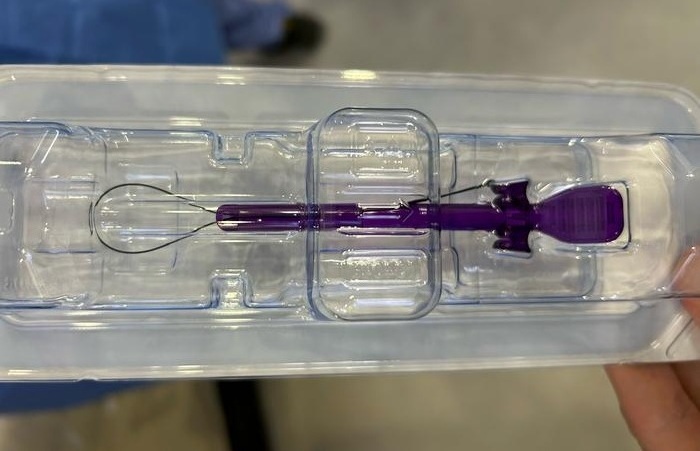
Breakthrough Surgical Device Redefines Hip Arthroscopy
Hip arthroscopy has surged in popularity, yet surgeons still face major mechanical constraints when navigating deep joint spaces through traditional cannulas. Limited tool mobility and the need for an... Read more
Patient Care
view channel
Revolutionary Automatic IV-Line Flushing Device to Enhance Infusion Care
More than 80% of in-hospital patients receive intravenous (IV) therapy. Every dose of IV medicine delivered in a small volume (<250 mL) infusion bag should be followed by subsequent flushing to ensure... Read more
VR Training Tool Combats Contamination of Portable Medical Equipment
Healthcare-associated infections (HAIs) impact one in every 31 patients, cause nearly 100,000 deaths each year, and cost USD 28.4 billion in direct medical expenses. Notably, up to 75% of these infections... Read more
Portable Biosensor Platform to Reduce Hospital-Acquired Infections
Approximately 4 million patients in the European Union acquire healthcare-associated infections (HAIs) or nosocomial infections each year, with around 37,000 deaths directly resulting from these infections,... Read more
First-Of-Its-Kind Portable Germicidal Light Technology Disinfects High-Touch Clinical Surfaces in Seconds
Reducing healthcare-acquired infections (HAIs) remains a pressing issue within global healthcare systems. In the United States alone, 1.7 million patients contract HAIs annually, leading to approximately... Read moreHealth IT
view channel
EMR-Based Tool Predicts Graft Failure After Kidney Transplant
Kidney transplantation offers patients with end-stage kidney disease longer survival and better quality of life than dialysis, yet graft failure remains a major challenge. Although a successful transplant... Read more

