






AI-Enabled Predictive Cardiology Tests Could Identify Patients Suffering from Undiagnosed Heart Disease
|
By HospiMedica International staff writers Posted on 08 Nov 2022 |


|
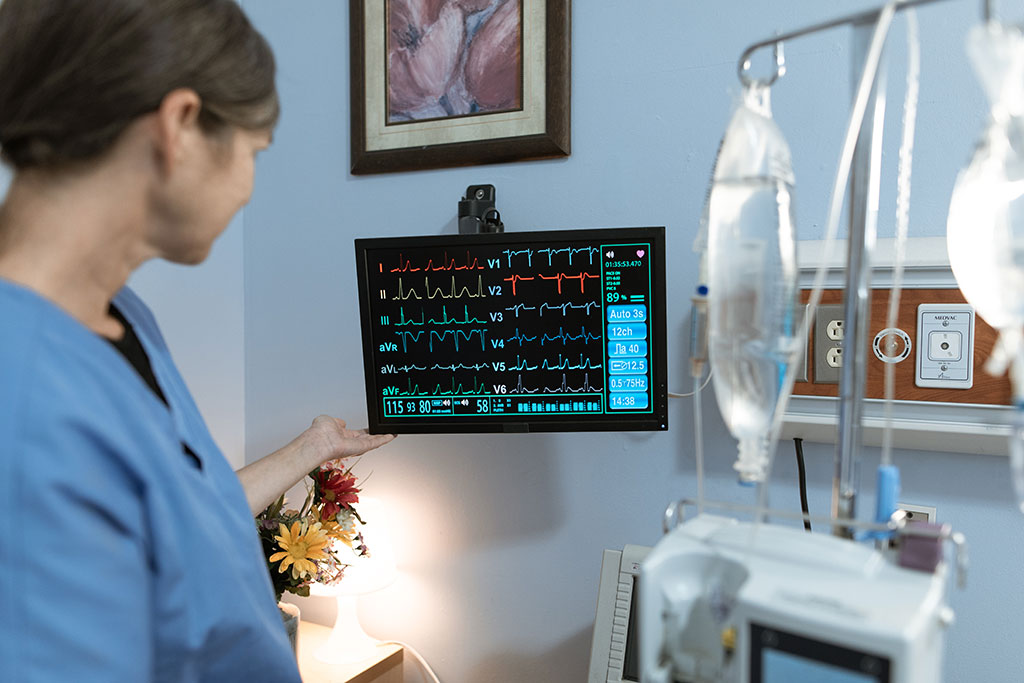
Millions of people suffer from undiagnosed heart disease, leading to debilitating outcomes, such as stroke, that can potentially be avoided with early diagnosis. Now, a new artificial intelligence (AI)-enabled technology aims to help clinicians find these patients.
Tempus (Chicago, IL, USA) has launched a multi-center study titled, “Electrocardiogram-based Artificial Intelligence-Assisted Detection of Heart Disease,” or ECG-AID. The study aims to evaluate the impact of the company’s investigational, AI-enabled, predictive tests in cardiology and focuses on finding patients at high risk of developing atrial fibrillation (AFib) or any of seven structural heart diseases (SHD), including diseases of the mitral, aortic and tricuspid valves, abnormal heart function, and abnormal heart thickening. The new algorithmic tests created by Tempus use a type of AI called a deep neural network to automatically interpret a 12-lead ECG - a widely used clinical test that measures the electrical signals of the heart - to identify patients at high risk of developing heart diseases. The algorithms are being developed to provide results that, when interpreted in conjunction with other available clinical information, can support clinicians in pursuing early and proactive diagnoses with the goal of enabling improved clinical management of these conditions and their associated health risks.
The study investigates whether layering a machine learning model onto a clinically acquired electrocardiogram (ECG) can make it smarter with new functionality. The ECG-AID study will be conducted in collaboration with a growing network of providers and cardiologists and will welcome additional research sites over the coming months. Patients who have received a 12-lead ECG during routine clinical care are eligible for the study. Their ECG data will be analyzed using Tempus’ investigational ECG Analysis Platform algorithms to identify which patients are at high risk of developing heart disease.
The patients participating in the study who are over the age of 65 with no known history of AFib and who are identified as high risk will receive a ZioXT long-term, continuous cardiac monitor, to assess for AFib and other abnormal heart rhythms. Additionally, study participants over the age of 40 years with no prior history of SHD who are identified as high risk will undergo an echocardiogram. Those participants who receive new diagnoses from cardiac monitoring or the echocardiogram will be routed to the appropriate physician for further care and potential treatment with their provider.
“As a practicing cardiologist, I’m excited to be launching a study with the goal of finding treatable heart disease before it is too late. We owe it to patients to build technology like the Tempus ECG Analysis Platform to deliver on the promise of data-driven precision medicine,” said John Pfeifer, MD, MPH, Vice President of Clinical Cardiology at Tempus.
Related Links:
Tempus





Latest AI News
- Machine Learning Approach Enhances Liver Cancer Risk Stratification
- New AI Approach Monitors Brain Health Using Passive Wearable Data
- AI Tool Maps Early Risk Patterns in Bloodstream Infections
- AI Model Identifies Rare Endocrine Disorder from Hand Images
- AI Tool Promises to Reduce Length of Hospital Stays and Free Up Beds
- Machine Learning Model Cuts Canceled Liver Transplants By 60%
Channels
Critical Care
view channel
Automated IV Labeling Solution Improves Infusion Safety and Efficiency
Medication administration in high-acuity settings is often complicated by multiple concurrent infusions, making accurate line identification essential. In a 10-hospital intensive care unit study, 60% of... Read more
First-Of-Its-Kind AI Tool Detects Pulmonary Hypertension from Standard ECGs
Pulmonary hypertension is a progressive, life‑threatening disease that is frequently missed early because symptoms such as dyspnea are nonspecific and diagnostic delays can exceed two years.... Read more
Surgical Techniques
view channel
Continuous Monitoring with Wearables Enhances Postoperative Patient Safety
Postoperative hypoxemia on general surgical wards is common and often missed by intermittent vital sign checks. Undetected low oxygen levels can delay recovery and raise the risk of complications that... Read more
New Approach Enables Customized Muscle Tissue Without Biomaterial Scaffolds
Volumetric muscle loss is a traumatic loss of skeletal muscle that often leads to permanent functional impairment and limited reconstructive options. Current experimental strategies struggle to deliver... Read more
Patient Care
view channel
Wearable Sleep Data Predict Adherence to Pulmonary Rehabilitation
Chronic obstructive pulmonary disease (COPD) is a long-term lung disorder that makes breathing difficult and often disturbs sleep, reducing energy for daily activities. Limited engagement in pulmonary... Read more
Revolutionary Automatic IV-Line Flushing Device to Enhance Infusion Care
More than 80% of in-hospital patients receive intravenous (IV) therapy. Every dose of IV medicine delivered in a small volume (<250 mL) infusion bag should be followed by subsequent flushing to ensure... Read more

Health IT
view channel
EMR-Based Tool Predicts Graft Failure After Kidney Transplant
Kidney transplantation offers patients with end-stage kidney disease longer survival and better quality of life than dialysis, yet graft failure remains a major challenge. Although a successful transplant... Read more
Printable Molecule-Selective Nanoparticles Enable Mass Production of Wearable Biosensors
The future of medicine is likely to focus on the personalization of healthcare—understanding exactly what an individual requires and delivering the appropriate combination of nutrients, metabolites, and... Read more


Business
view channel
GE HealthCare Leads Major European Initiative to Advance Cardio-Oncology Care
Cardiovascular complications are increasingly recognized among people undergoing or recovering from cancer treatment, driven by pre‑existing disease and the cardiotoxic effects of chemotherapy, radiotherapy,... Read more

