Absology Exhibits POCT Immunoassay Analyzer with Testing Time of Five Minutes
|
By HospiMedica International staff writers Posted on 16 Nov 2022 |


|
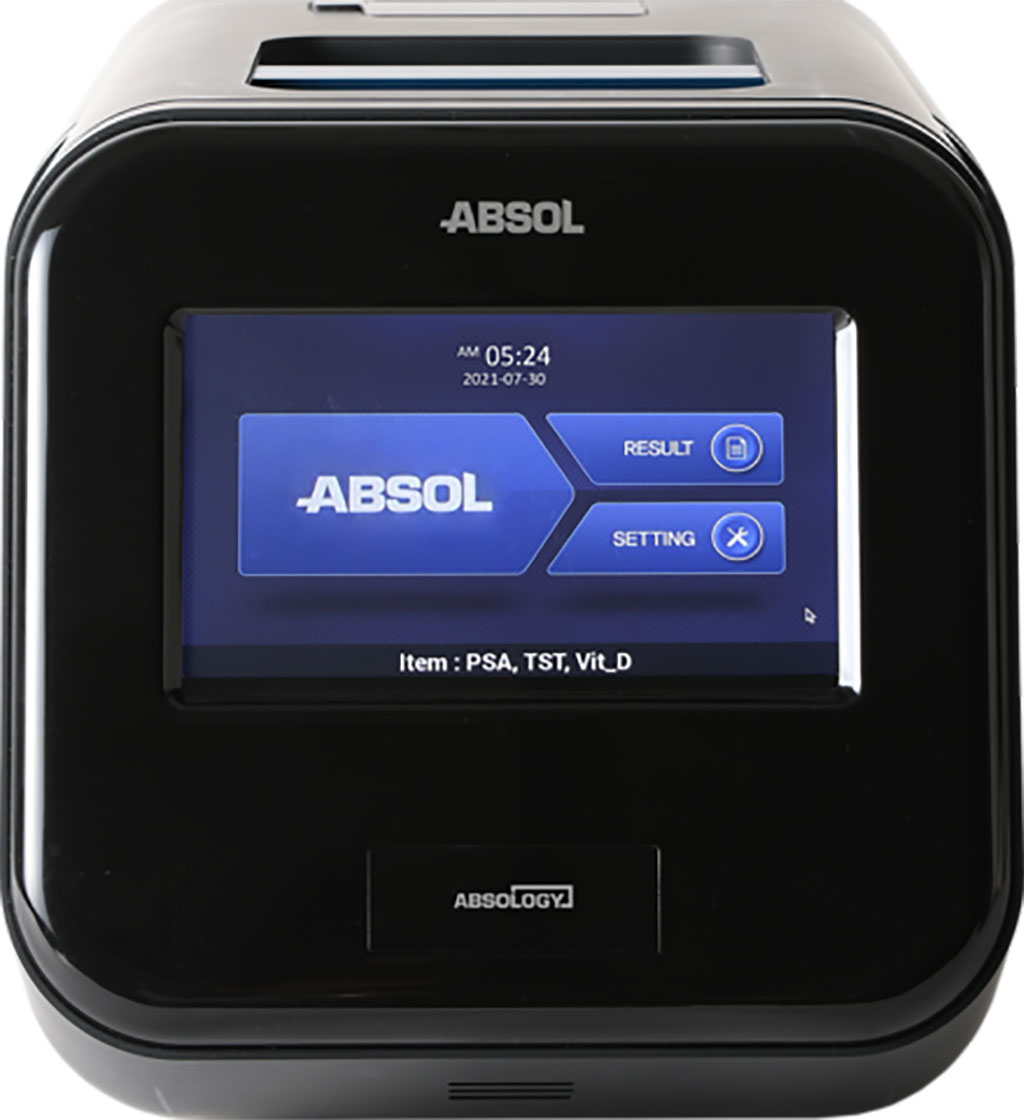
Absology Co., Ltd. (Gyeonggi-do, Korea) is participating in MEDICA 2022 where the company is exhibiting its POC FIA (Fluorescence Immunoassay) analyzer that uses microfluidic technology for the accurate quantitative diagnosis of concentration of biomarkers for a range of diseases.
At MEDICA 2022, Absology is showcasing its ABSOL POCT analyzer that uses FIA technology to quantitatively diagnose the concentration of biomarkers. It has a test time of only five minutes and features a vivid expressed GUI along with a convenient built-in printer. Alongside ABSOL, the company is showcasing the ABSOL HS high-sensitive ELISA analyzer for early disease screening. ABSOL HS can detect Femtogram level molecules using Absology’s proprietary PIFA (Photooxidation Induced Fluorescence Amplification) technology. It has a test time of only 30 minutes and requires just 20uL of blood sample. Compact and affordable, the portable and light weight ABSOL HS is a flexible platform for any kind of ELISA protocol. Absology offers a wide test menu for the ABSOL and ABSOL HS systems, including PSA, Testosterone, Vitamin D, TSH, FreeT4, Thyroid Combo, Cortisol, PCT, COVID-19 IgM/IgG, COVID-19 Ag, COVID-19 Neutralizing Antibody, and Influenza A/B.
Related Links:
Absology Co., Ltd.






Latest MEDICA 2022 News
Channels
Artificial Intelligence
view channel
AI Trends Report Guides Responsible, Effective Healthcare Deployment
Hospitals are under growing pressure to adopt artificial intelligence tools that improve safety, efficiency, and continuity of care without compromising quality. At the same time, clinicians need clearer... Read more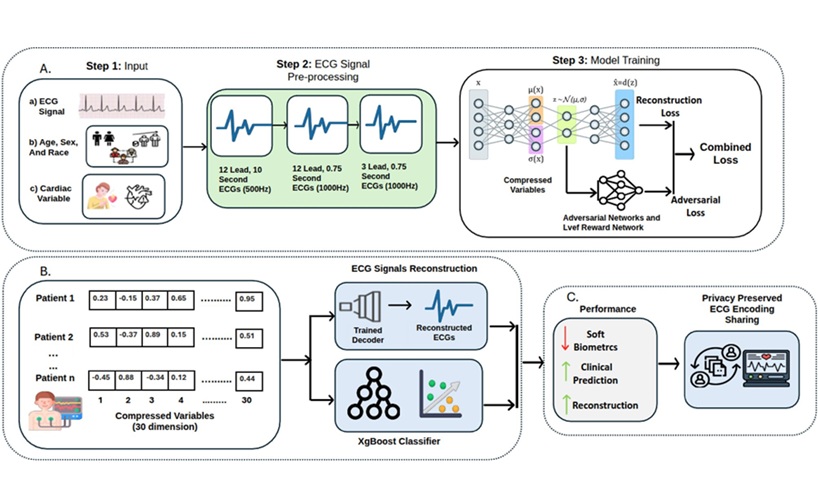
Privacy-Preserving AI Protects Sensitive Information in ECG Data
Artificial intelligence applied to electrocardiography can extract more than cardiac rhythm. Algorithms can infer age, sex, race, and even identity from electrocardiogram (ECG) signals, creating privacy... Read more

Critical Care
view channel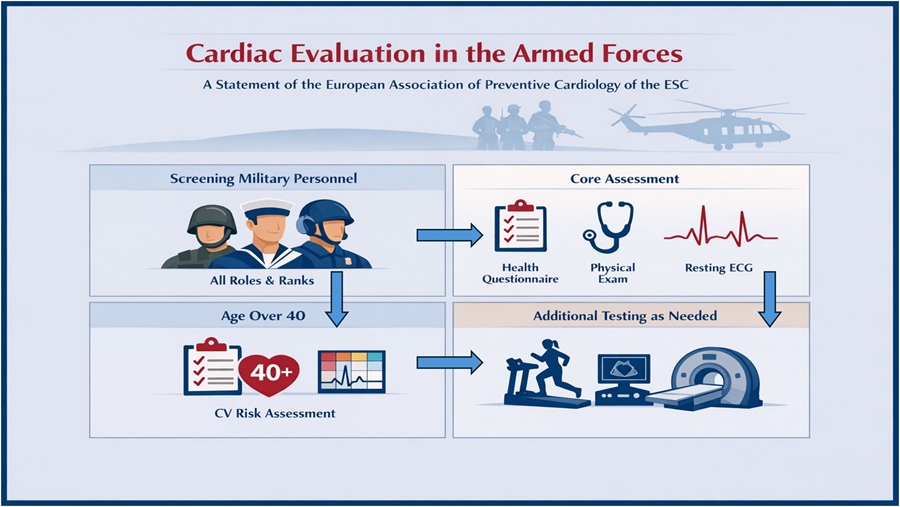
ECG-Based Screening Framework Aims to Standardize Cardiac Evaluation in Military Personnel
Sudden cardiac death, the unexpected loss of heart function, can occur during intense exertion and remains a concern in physically demanding occupations. Military personnel face additional environmental... Read more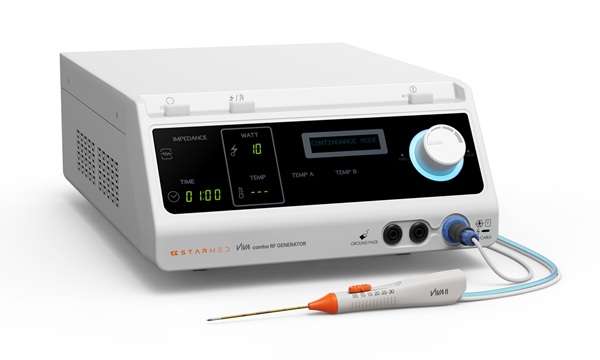
RFA Device Gains FDA Clearance for Minimally Invasive Thyroid Nodule Ablation
STARMED America received U.S. Food and Drug Administration (FDA) 510(k) clearance for the VIVA combo RF generator used with star RF Electrodes and VIVA RF Electrodes, representing the first device indication... Read more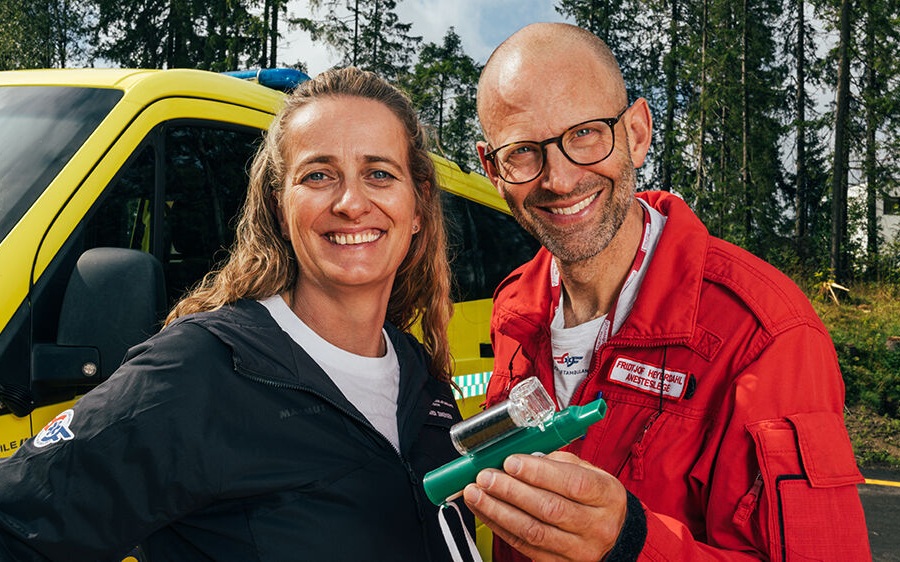

Surgical Techniques
view channel
Dual-Mobility Hip Implant Cuts Postoperative Dislocations
Femoral neck fractures, a common type of hip fracture in older adults, often require total hip replacement. Postoperative dislocation of the artificial hip remains a persistent problem that can cause severe... Read more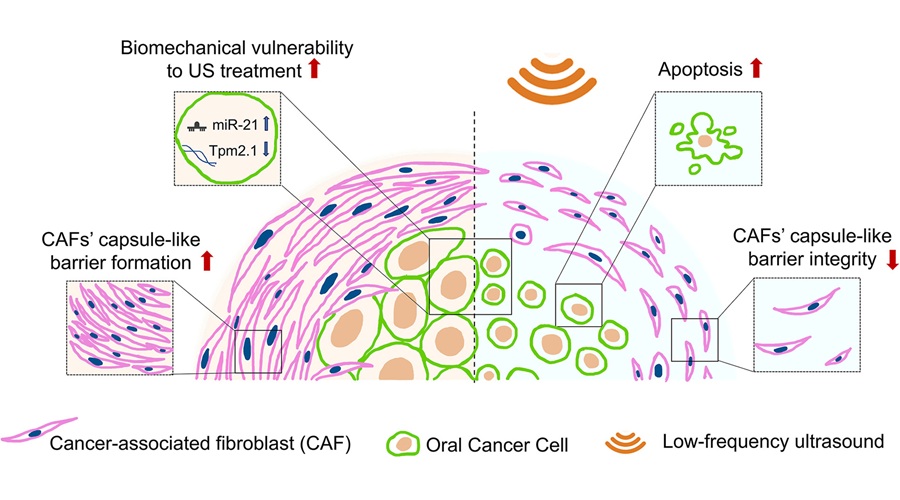
Low-Frequency Ultrasound Selectively Targets Oral Cancer Cells
Oral cancer, a malignancy of the mouth, is a major health challenge in India where tobacco and areca nut use contribute substantially to the disease burden. Standard surgery, chemotherapy, and radiotherapy... Read more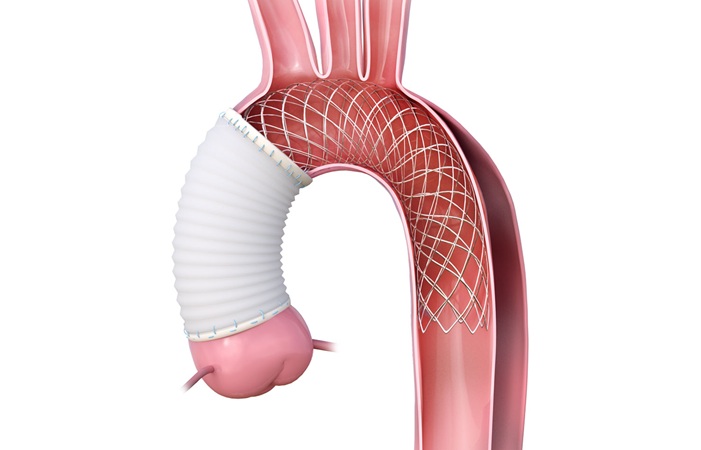
Patient Care
view channel
AI Avatar Doctor Improves Patient Understanding Before Radiotherapy
Radiation oncology consultations require patients to grasp complex concepts quickly, yet anxiety and information overload often undermine understanding and informed consent. Poor comprehension can also... Read more
Wearable Sleep Data Predict Adherence to Pulmonary Rehabilitation
Chronic obstructive pulmonary disease (COPD) is a long-term lung disorder that makes breathing difficult and often disturbs sleep, reducing energy for daily activities. Limited engagement in pulmonary... Read more

Health IT
view channel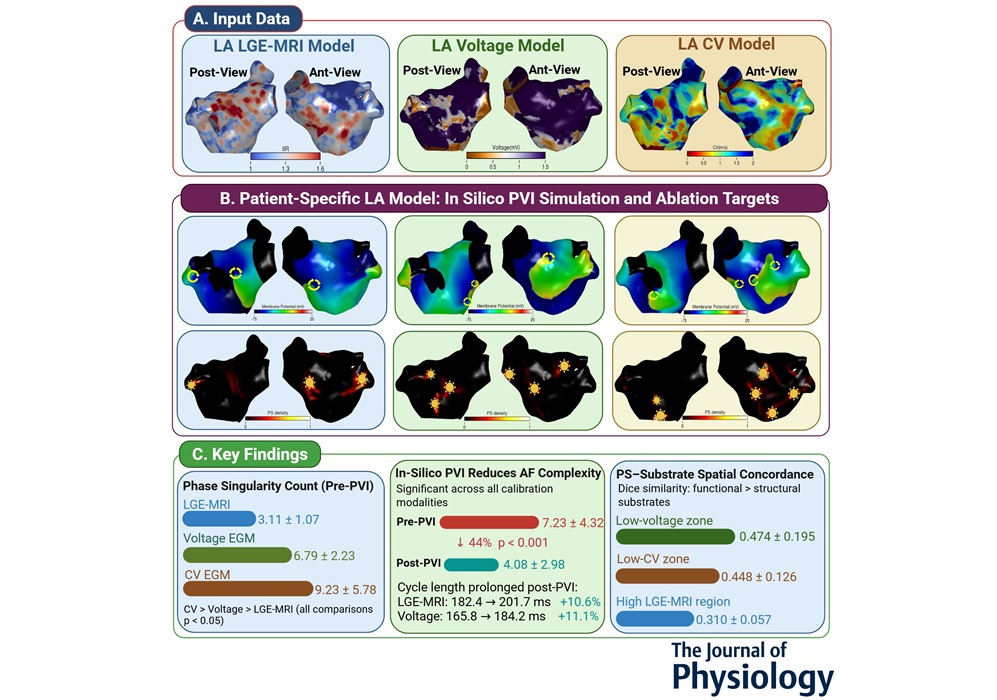
Digital Heart Model Supports Targeted Ablation in Atrial Fibrillation
Atrial fibrillation is an erratic, quivering heartbeat and a leading cause of stroke. Catheter ablation is widely used to interrupt arrhythmogenic tissue, yet many patients—especially with persistent ... Read more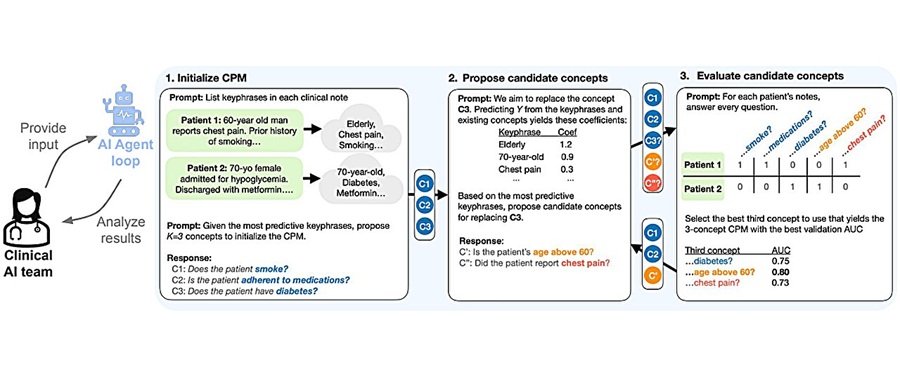
AI Framework Helps Clinicians Create Trustworthy Risk Prediction Tools
Artificial intelligence (AI) is increasingly used to estimate risks for conditions such as sepsis, heart disease, and cancer, yet many models remain difficult for clinicians to interpret or trust.... Read more
Point of Care
view channel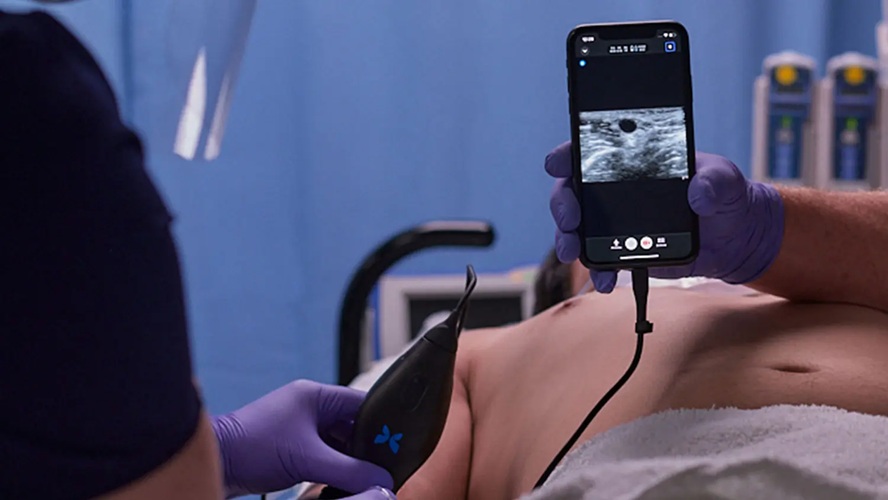
Handheld Ultrasound Expands Point-of-Care Imaging Access in Brazil
Rapid access to diagnostic imaging is essential across hospitals, emergency departments, clinics, and municipal health systems, but large markets still face uneven availability, particularly in rural regions.... Read more
AI Dermatology Platform Targets Early Detection of Non-Melanoma Skin Cancer
Keratinocyte skin cancers, including basal cell and squamous cell carcinoma, account for a substantial share of dermatology workload in the United States and require accurate triage to guide biopsy decisions.... Read more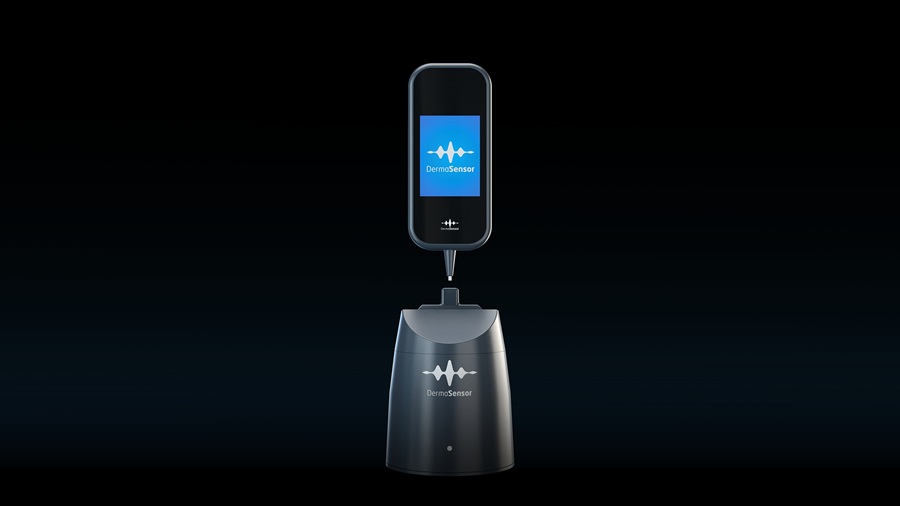
Business
view channel
Danaher Completes Acquisition of Masimo to Expand Patient Monitoring Capabilities
Danaher Corporation (Washington, DC, USA) has completed its acquisition of Masimo Corporation (Irvine, CA, USA), a specialty diagnostics provider known for pulse oximetry and advanced patient monitoring... Read more