






Rhinomed Announces European Launch of Revolutionary New Swab for Testing Children for Respiratory Diseases
|
By HospiMedica International staff writers Posted on 16 Nov 2022 |


|

Rhinomed Limited (Cremorne, VIC, Australia) has launched the world’s most child-friendly respiratory swab in Europe at MEDICA 2022 in Dusseldorf, Germany. Rhinoswab Junior is the first nasal swab developed specifically for children. Its unique design addresses one of the pandemics' major challenges − testing reluctance − created by the fear, anxiety and discomfort associated with traditional combined throat and nose swabs. Rhinomed’s presence at MEDICA 2022 is the company’s first appearance in Europe as it seeks to bring this exciting new technology to market.
Rhinomed has developed the novel Rhinoswab Junior nasal swab designed specifically for children. The Rhinoswab Junior comfortably sits inside the nose and captures a significantly larger yield than standard nasal swabs. Its unique and engaging design removes the fear children experience with existing swabs. It can easily be integrated into existing rapid antigen and PCR tests for a range of respiratory viruses including SARS-CoV-2, RSV, Influenza, etc.
In a clinical trial led by the Murdoch Children’s Research Institute, leading pediatricians compared the current combined nose and throat swabs and saliva collection methods to Rhinoswab Junior. The trial demonstrated that Rhinoswab Junior is the best method for collecting samples from children when considering comfort, consistency, accuracy and efficacy. A National Child Health Poll identified that 74% of parents were reluctant to bring their children in for COVID-19 testing because of the potential trauma and pain of sampling, with up to 30% unlikely to test their children at all. The results of this new trial confirm that Rhinoswab Junior provides a child friendly, more comfortable alternative that addresses these concerns. 88% of children preferred Rhinoswab Junior compared to the standard swab, and it was the preferred method of sample collection for their next test. Rhinoswab Junior’s unique design also means children can collect their own samples, and parents and carers are more likely to ensure children are tested.
These results build on a previous Murdoch Children’s study of 249 hospital samples that concluded that the Rhinoswab Junior is clinically equivalent to a standard combined nose and throat swab, yet preferred by eight out of 10 children and preferred by parents and nursing staff. The trial provided clear compelling evidence of clinical efficacy. Rhinoswab Junior demonstrated significantly more sensitivity than saliva and was able to detect more cases of SARS-CoV-2. The Rhinoswab Junior detected 45 cases when compared to the combined throat and nasal swab which detected 44 SARS-CoV-2 cases, while saliva samples detected just 39 cases. For the first time, clinicians can improve testing uptake and rely on an anterior nares swab without any statistically significant loss in sensitivity.
In the trial, samples were self-collected by 53 children aged 4-18 years, with results demonstrating that Rhinoswab Junior is readily used by children to self-collect, more comfortable and preferred to standard combined nose and throat swabs, highly sensitive and accurate for SARS-CoV-2 detection, and more sensitive and has better COVID-19 case detection than saliva sampling. The trial confirms Rhinoswab Junior is the preferred method of sample collection for respiratory diseases for children whether for PCR or Rapid Antigen testing. Rhinoswab Junior has the potential to improve testing rates for a range of respiratory viruses at home, in schools and in a variety of health settings. Its unique design delivers a standardized sampling methodology for the first time. Rhinoswab Junior is listed for sale as a Class 1 device in Europe (CE Mark), in the USA (FDA), in the UK (MHRA), and in Australia (TGA).
“With SARS-CoV-2 variants and seasonal respiratory viruses continuing to evolve, and Europe heading into winter, we see a clear and compelling need for better testing and better case detection. Reducing the barriers to getting more people tested is crucial. Children remain a critical at risk population and we believe that the Rhinsowab Junior can radically improve testing uptake,” said Rhinomed CEO Michael Johnson. “Rhinomed is proud to have developed a swab that not only works better but removes anxiety and distress – not just for kids, but for their parents and health care workers. Even adults prefer Rhinoswab. We are excited to offer the demonstrated benefits of Rhinoswab Junior to the European market.”
Related Links:
Rhinomed Limited





Latest MEDICA 2022 News
- Fisher & Paykel Highlights Innovative Products for Respiratory Care at MEDICA 2022
- Huntleigh Exhibits Range of Vital Signs Monitoring Solutions at MEDICA 2022
- Owen Mumford Presents Cutting-Edge Capillary Blood Sampling Devices for POC Testing
- Noul Demonstrates AI-Driven On-Site Diagnostics Platform at MEDICA 2022
- KUKA Presents Robot-Based Assistance Systems at MEDICA 2022
- Heyer Medical Exhibits State-Of-The-Art Ventilators, Anesthesia Workstations and Surgical Lights
- Progetti Highlights Advanced Defibrillators for Emergency Medicine at MEDICA 2022
- LG Electronics Showcases State-Of-The-Art Surgical, Diagnostic and Clinical Monitors at MEDICA 2022
- World’s First Detachable 4K 8MP Handheld Camera for Telemedicine Showcased at MEDICA 2022
- EIZO Exhibits Complete New CuratOR Series of Surgical Monitors at MEDICA 2022
- Parker Labs Showcases Range of Ultrasound Equipment Cleaners and Disinfectants
- OptoMedic Demonstrates Range of Endoscopic Imaging Systems at MEDICA 2022
Channels
Artificial Intelligence
view channel
AI Analysis of Pericardial Fat Refines Long-Term Heart Disease Risk
Accurately identifying long-term cardiovascular disease risk in asymptomatic adults remains challenging for clinicians. Missed or underestimated risk delays preventive therapy and increases the chance... Read more
Machine Learning Approach Enhances Liver Cancer Risk Stratification
Hepatocellular carcinoma, the most common form of primary liver cancer, is often detected late despite targeted surveillance programs. Current screening guidelines emphasize patients with known cirrhosis,... Read more

Critical Care
view channel
Eye Imaging AI Identifies Elevated Cardiovascular Risk
Many adults at risk for atherosclerotic cardiovascular disease are not identified until they undergo formal primary care assessment. Delayed risk recognition can postpone initiation of statins and lifestyle... Read more
Noninvasive Monitoring Device Enables Earlier Intervention in Heart Failure
Hospitalizations for heart failure with preserved ejection fraction (HFpEF) remain common because lung congestion often worsens before symptoms prompt treatment changes. Missed early decompensation... Read more

Surgical Techniques
view channel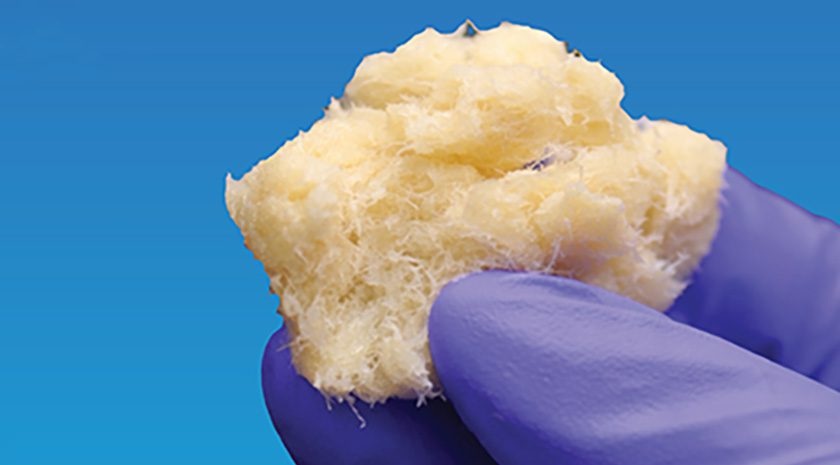
Fiber-Form Bone Graft Expands Intraoperative Options for Spinal Fusion
Spinal and orthopedic fusion procedures often require bone graft materials that handle predictably and support bone formation. Surgeons face added complexity in difficult anatomy and challenging fusion environments.... Read more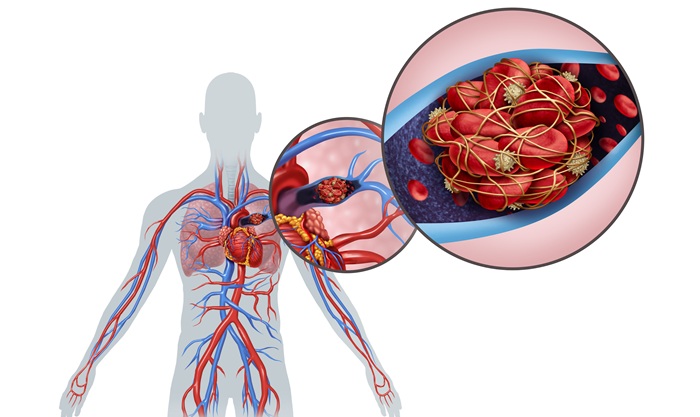
Ultrasound‑Aided Catheter Treatment Cuts Early Collapse in Pulmonary Embolism
Acute pulmonary embolism can cause rapid hemodynamic deterioration and early death in hospitalized and emergency patients. Systemic thrombolysis can dissolve clots but is limited by a high risk of major... Read more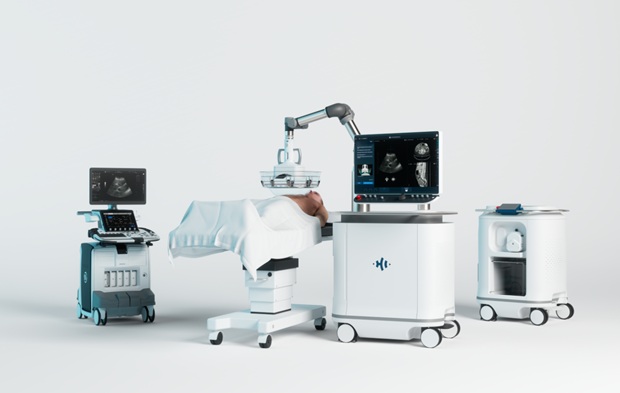

Patient Care
view channel
Wearable Sleep Data Predict Adherence to Pulmonary Rehabilitation
Chronic obstructive pulmonary disease (COPD) is a long-term lung disorder that makes breathing difficult and often disturbs sleep, reducing energy for daily activities. Limited engagement in pulmonary... Read more
Revolutionary Automatic IV-Line Flushing Device to Enhance Infusion Care
More than 80% of in-hospital patients receive intravenous (IV) therapy. Every dose of IV medicine delivered in a small volume (<250 mL) infusion bag should be followed by subsequent flushing to ensure... Read more

Health IT
view channel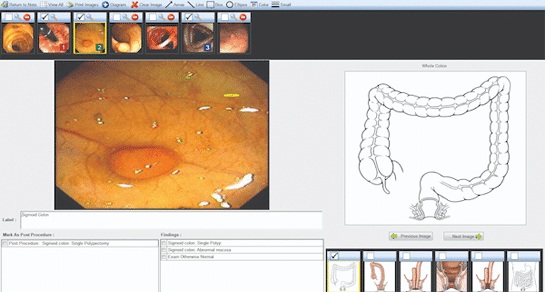
Voice-Driven AI System Enables Structured GI Procedure Documentation
Documentation during gastrointestinal (GI) procedures often competes with real-time clinical decision-making and imposes a significant cognitive burden on physicians. Manual data entry and post-procedure... Read more
EMR-Based Tool Predicts Graft Failure After Kidney Transplant
Kidney transplantation offers patients with end-stage kidney disease longer survival and better quality of life than dialysis, yet graft failure remains a major challenge. Although a successful transplant... Read more
Printable Molecule-Selective Nanoparticles Enable Mass Production of Wearable Biosensors
The future of medicine is likely to focus on the personalization of healthcare—understanding exactly what an individual requires and delivering the appropriate combination of nutrients, metabolites, and... Read more

Business
view channel
GE HealthCare Leads Major European Initiative to Advance Cardio-Oncology Care
Cardiovascular complications are increasingly recognized among people undergoing or recovering from cancer treatment, driven by pre‑existing disease and the cardiotoxic effects of chemotherapy, radiotherapy,... Read more

