






Global Multiparameter Patient Monitoring Systems Market Driven by Rising Chronic Illnesses
|
By HospiMedica International staff writers Posted on 30 Nov 2022 |


|
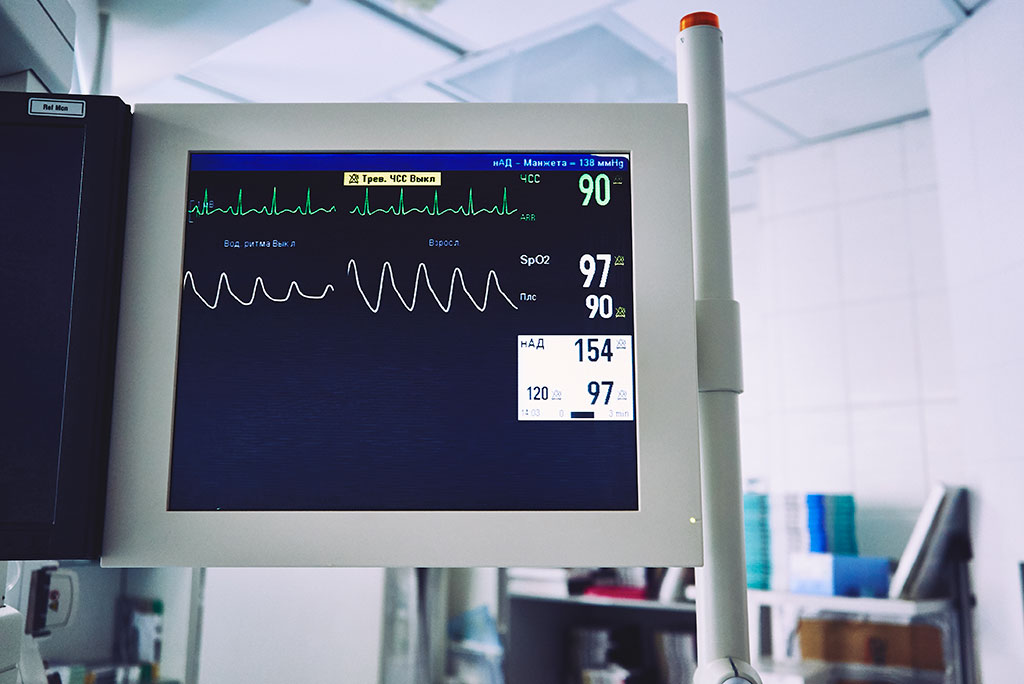
Multi-parameter patient monitoring equipment is used to assess the vital signs of patients who are suffering from a serious illness. These devices are meant to give the number of data sets on one screen to comprehend the patient's status. They monitor central venous pressure and give readings such as heart rate, non-invasive blood pressure, invasive blood pressure, respiratory rate, posture, temperature, and fall detection. Other readings include ECG, SpO2, PaCO2, invasive blood pressure, and invasive blood pressure. The monitors have an alarm that allows the parameters to be set, and it will warn the caregiver if a change goes beyond the established parameters. In a variety of hospital settings, such as the coronary care unit, the intensive care unit (ICU), the neonatal intensive care unit (NICU), post-operative care, and the operating room (OR), multi-parameter monitoring devices are designed to be utilized to supply additional information to the medical and nursing staff regarding the physiological condition of the patient.
An increase in the number of people suffering from chronic illnesses, combined with an ever-growing elderly population, is expected to help the global multiparameter patient monitoring systems market register a CAGR of 5.8% over the 2022-2028 period to reach USD 15.5 billion by 2028. These are the latest findings of ReportLinker (New York, NY, USA), an award-winning market research solution.
Patients spend less time in intensive care units due to multi-parameter patient monitoring devices, which also improve the utilization of hospital infrastructure. These devices also shorten the number of time patients spend in the hospital, which results in earlier diagnosis of patient conditions. Acuity levels are used to assist medical professionals in acute care, long-term care, and other treatment and rehabilitation settings in the process of determining optimal staffing levels. Patients might not receive the level of treatment that their current state of health requires if this system were not in place. Because of this, acuity levels become more significant while dealing with a restricted number of staff members.
In the pandemic condition caused by COVID-19, it was very crucial to monitor oxygen saturation as well as the rate of breathing of patients in order to establish whether or not their lung tissue was being impacted. After infection with COVID-19, some patients may suffer from cardiac abnormalities, and recent research suggests that remote patient monitoring may be the best way to evaluate and treat such patients in the future. To properly care for the afflicted population, there is a growing demand for various types of medical supplies. In primary clinical care, the majority of the medical equipment being utilized are those that provide support for respiratory function. As a result, COVID-19 is expected to have a substantial influence on the market for multi-parameter patient monitoring.
Additionally, the burden of chronic illnesses is increasing across the world. Cancer, diabetes, and other chronic diseases including cardiovascular disease and obesity are responsible for the majority of deaths caused by chronic disorders. Moreover, the average lifespan of people across the world is rising. In today's world, the average person can live well into their sixties and beyond. All countries are witnessing a rise in the total number of elderly people as well as the percentage of the total population that is made up of elderly people. By the year 2030, one in every six persons on the planet will be at least 60 years old. The percentage of the world's population that is 60 years old or older is expected to rise from one billion in 2020 to 1.4 billion in 2050. Multiparameter patient monitors play a crucial role in the accurate monitoring of health of elderly people and patients with chronic illnesses.
However, the lack of skilled healthcare professionals could hamper the growth of the global multiparameter patient monitoring systems market. People who work directly with patients and play an important role in the functioning of a healthcare system are intended to serve as the first line of defense in the fight against widespread pandemic. According to the World Health Organization (WHO), there will be a shortage of 15 million health professionals by the year 2030, the majority of which will be in countries with poor and lower-middle incomes. Some countries in the Asia Pacific region do not have the required number of trained personnel for the proper treatment and handling of patients, acting as an obstacle for the growth of the multiparameter patient monitoring systems market.
Based on the end-use, the homecare settings segment held a substantial revenue share in the multiparameter patient monitoring systems market in 2021. Home care refers to any professional support services that enable an individual to continue living in the comfort and security of their own home. Depending on a person's requirements, support families such as nurses, aides, and therapists can offer either short-term or long-term care in the comfort of their own homes. On the basis of acuity level, the high acuity level segment held the largest revenue share in the multiparameter patient monitoring systems market in 2021. Patients with acute diseases that endanger their lives are considered high-acuity patients. These patients require continual monitoring and cautious treatment. The rising incidence of chronic diseases, such as cardiovascular diseases and respiratory disorders, is driving the growth of the high acuity level segment.
Based on device type, the fixed segment held a significant revenue share in the multiparameter patient monitoring systems market in 2021. The patient must be lying down for a fixed monitoring system to be utilized; in addition, such systems are rather large and can only be found in intensive care units of hospitals. These systems are designed to be utilized in the home by patients who do not have an immediately life-threatening disease but do require continuous or periodic monitoring by a doctor or family member. By age group, the geriatric segment held the highest revenue share in the multiparameter patient monitoring systems market in 2021. This was largely as a result of the rapidly expanding elderly population who are more likely to suffer from a variety of chronic conditions that need ongoing patient monitoring. The geriatric segment will continue to dominate the multiparameter patient monitoring systems market due to the growing number of elderly people who are afflicted with chronic conditions and require close monitoring.
Geographically, North America held the highest revenue share in the global multiparameter patient monitoring systems market in 2021 due to increased healthcare costs, growing initiatives to provide improved patient monitoring products, and rising number of public-private partnerships. In addition, a rise in the incidence of chronic illnesses and the introduction of supporting reimbursement programs are also driving the growth of the North American multiparameter patient monitoring systems market.
Related Links:
ReportLinker






Latest Business News
- GE HealthCare Leads Major European Initiative to Advance Cardio-Oncology Care
- Medtronic and GE HealthCare Broaden Alliance Across Monitoring and Care Solutions
- Quantum Surgical Acquires NeuWave from Johnson & Johnson
- Medtronic to Acquire Coronary Artery Medtech Company CathWorks
- Medtronic and Mindray Expand Strategic Partnership to Ambulatory Surgery Centers in the U.S.
- FDA Clearance Expands Robotic Options for Minimally Invasive Heart Surgery
- WHX in Dubai (formerly Arab Health) to debut specialised Biotech & Life Sciences Zone as sector growth accelerates globally
- WHX in Dubai (formerly Arab Health) to bring together key UAE government entities during the groundbreaking 2026 edition
- Interoperability Push Fuels Surge in Healthcare IT Market
- Philips and Masimo Partner to Advance Patient Monitoring Measurement Technologies
- B. Braun Acquires Digital Microsurgery Company True Digital Surgery
- CMEF 2025 to Promote Holistic and High-Quality Development of Medical and Health Industry
- Bayer and Broad Institute Extend Research Collaboration to Develop New Cardiovascular Therapies
- Medtronic Partners with Corsano to Expand Acute Care & Monitoring Portfolio in Europe
- Expanded Collaboration to Transform OR Technology Through AI and Automation
- Becton Dickinson to Spin Out Biosciences and Diagnostic Solutions Business
Channels
Artificial Intelligence
view channel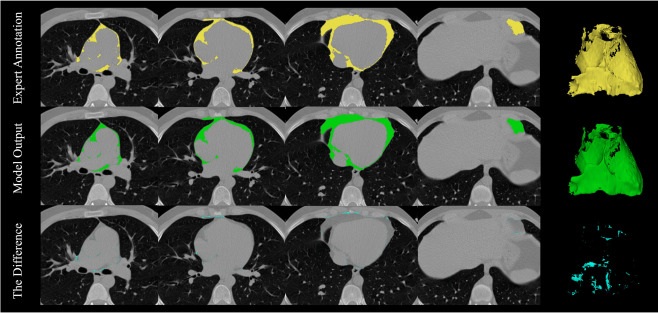
AI Analysis of Pericardial Fat Refines Long-Term Heart Disease Risk
Accurately identifying long-term cardiovascular disease risk in asymptomatic adults remains challenging for clinicians. Missed or underestimated risk delays preventive therapy and increases the chance... Read more
Machine Learning Approach Enhances Liver Cancer Risk Stratification
Hepatocellular carcinoma, the most common form of primary liver cancer, is often detected late despite targeted surveillance programs. Current screening guidelines emphasize patients with known cirrhosis,... Read more

Critical Care
view channel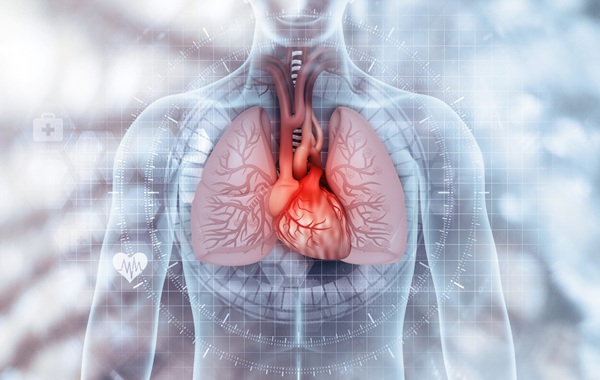
Noninvasive Monitoring Device Enables Earlier Intervention in Heart Failure
Hospitalizations for heart failure with preserved ejection fraction (HFpEF) remain common because lung congestion often worsens before symptoms prompt treatment changes. Missed early decompensation... Read more
Automated IV Labeling Solution Improves Infusion Safety and Efficiency
Medication administration in high-acuity settings is often complicated by multiple concurrent infusions, making accurate line identification essential. In a 10-hospital intensive care unit study, 60% of... Read more

Surgical Techniques
view channel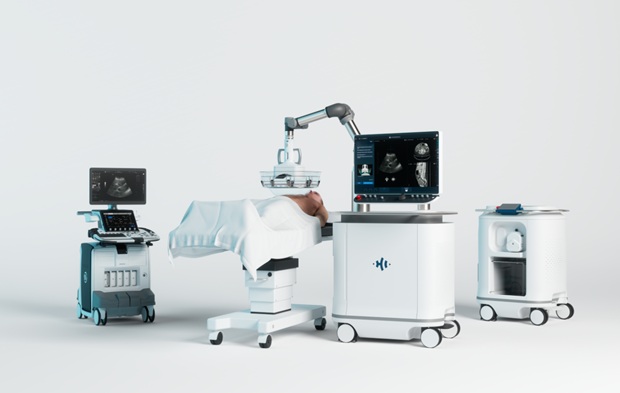
Ultrasound Technology Aims to Replace Invasive BPH Procedures
Benign prostatic hyperplasia (BPH) is a frequent cause of lower urinary tract symptoms in aging men and often requires invasive procedures or prolonged recovery. With prevalence expected to rise as populations... Read more
Continuous Monitoring with Wearables Enhances Postoperative Patient Safety
Postoperative hypoxemia on general surgical wards is common and often missed by intermittent vital sign checks. Undetected low oxygen levels can delay recovery and raise the risk of complications that... Read more
Patient Care
view channel
Wearable Sleep Data Predict Adherence to Pulmonary Rehabilitation
Chronic obstructive pulmonary disease (COPD) is a long-term lung disorder that makes breathing difficult and often disturbs sleep, reducing energy for daily activities. Limited engagement in pulmonary... Read more
Revolutionary Automatic IV-Line Flushing Device to Enhance Infusion Care
More than 80% of in-hospital patients receive intravenous (IV) therapy. Every dose of IV medicine delivered in a small volume (<250 mL) infusion bag should be followed by subsequent flushing to ensure... Read more

Health IT
view channel
EMR-Based Tool Predicts Graft Failure After Kidney Transplant
Kidney transplantation offers patients with end-stage kidney disease longer survival and better quality of life than dialysis, yet graft failure remains a major challenge. Although a successful transplant... Read more


