






AI Solution for Echocardiography to Revolutionize Diagnosis of Heart Failure with Preserved Ejection Fraction
|
By HospiMedica International staff writers Posted on 07 Dec 2022 |


|
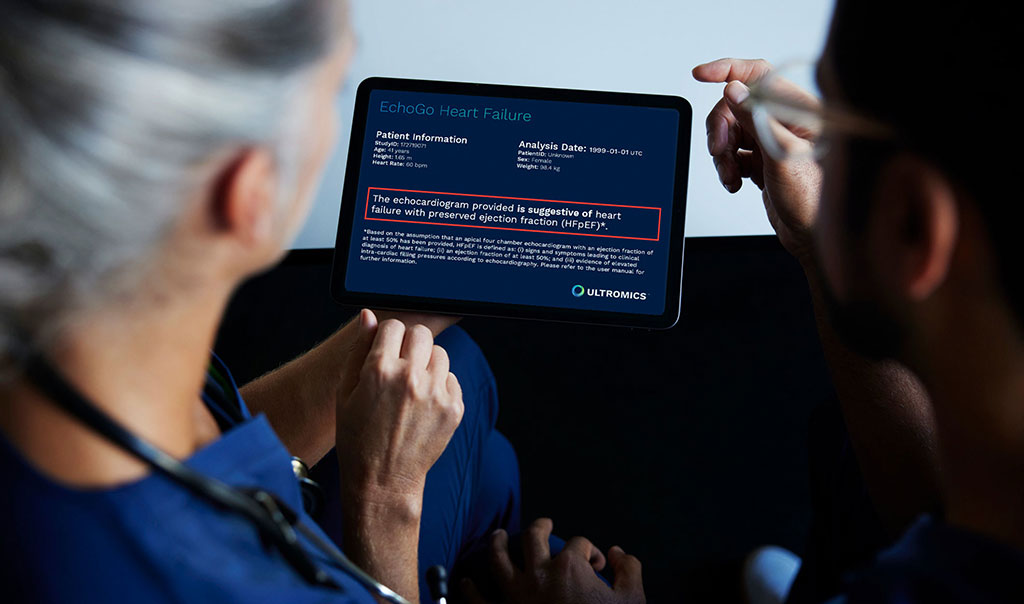
Heart failure with preserved ejection fraction (HFpEF) is a type of heart failure often associated with co-morbidities and tends to be caused by increased pressure within the chambers of the heart. The ejection fraction, or the volume of blood ejected from the left ventricle at each heartbeat, however, remains in normal ranges. This makes it exceedingly difficult to detect using traditional diagnostics, which can miss up to 75% of cases. HFpEF accounts for 50% of the 64 million cases of heart failure worldwide and has overtaken heart failure with reduced ejection fraction (HFrEF) as the most prevalent form of the deadly disease. Current approaches include time-consuming and often inconclusive diastolic function assessment, and require a highly specialized, increasingly rare skillset, and often invasive testing. There is an urgent need to develop predictive tools to help diagnose HFpEF patients. Now, an AI solution for echocardiography has the potential to revolutionize the diagnosis of HFpEF.
EchoGo Heart Failure, a clinical and technological breakthrough, was developed by echocardiography and AI experts from Ultromics (Oxford, UK), in collaboration with Mayo Clinic (Rochester, MN, USA). The device analyzes millions of pixels within a single echocardiogram to deliver precision detection of HFpEF, marking a huge leap forward from traditional diagnostic algorithms for HFpEF. EchoGo Heart Failure aims to prevent HF hospitalizations and reduce mortality through better detection of HFpEF.
EchoGo Heart Failure has received US Food and Drug Administration (FDA) clearance. The platform is the first HFpEF detection algorithm that will help support diagnosis and patient selection for therapy, ultimately improving quality of life and reducing the significant burden HFpEF has on healthcare. Patients can now benefit from new therapy drugs, such as SGLT2is, which has been shown to significantly reduce both hospitalizations and potentially fatal adverse events. The simultaneous clearances of EchoGo Heart Failure to improve HFpEF detection and SGLT2 to improve treatment, represents a giant leap forward in addressing the biggest unmet need in cardiovascular medicine.
"We are delighted that the FDA has recognized EchoGo Heart Failure as a breakthrough device and has cleared the technology to provide reliable detection of HFpEF," said Dr. Ross Upton, CEO and Founder of Ultromics. "The technology improves the accuracy of HFpEF detection, enabling more patients to receive treatment which will reduce the significant burden on patients and healthcare systems alike."
"It has been a pleasure to collaborate with the team at Ultromics to develop and test EchoGo Heart Failure," said Patricia A. Pellikka, MD, Vice Chair, Department of Cardiovascular Medicine at Mayo Clinic. "This novel solution applies AI to cardiovascular imaging to greatly simplify identification of patients with HFpEF, a diagnosis that can be challenging to make, and allow more expeditious treatment. HFpEF currently is associated with high rates of hospitalization and mortality. By facilitating early diagnosis and treatment, we can improve the lives of many."
Related Links:
Ultromics
Mayo Clinic





Latest AI News
- AI Analysis of Pericardial Fat Refines Long-Term Heart Disease Risk
- Machine Learning Approach Enhances Liver Cancer Risk Stratification
- New AI Approach Monitors Brain Health Using Passive Wearable Data
- AI Tool Maps Early Risk Patterns in Bloodstream Infections
- AI Model Identifies Rare Endocrine Disorder from Hand Images
- AI Tool Promises to Reduce Length of Hospital Stays and Free Up Beds
Channels
Critical Care
view channel
Eye Imaging AI Identifies Elevated Cardiovascular Risk
Many adults at risk for atherosclerotic cardiovascular disease are not identified until they undergo formal primary care assessment. Delayed risk recognition can postpone initiation of statins and lifestyle... Read more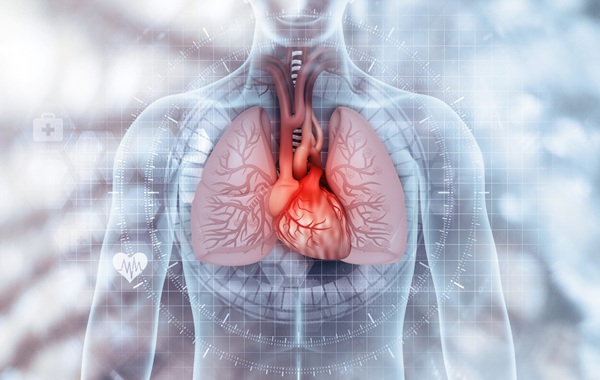
Noninvasive Monitoring Device Enables Earlier Intervention in Heart Failure
Hospitalizations for heart failure with preserved ejection fraction (HFpEF) remain common because lung congestion often worsens before symptoms prompt treatment changes. Missed early decompensation... Read more

Surgical Techniques
view channel
Fiber-Form Bone Graft Expands Intraoperative Options for Spinal Fusion
Spinal and orthopedic fusion procedures often require bone graft materials that handle predictably and support bone formation. Surgeons face added complexity in difficult anatomy and challenging fusion environments.... Read more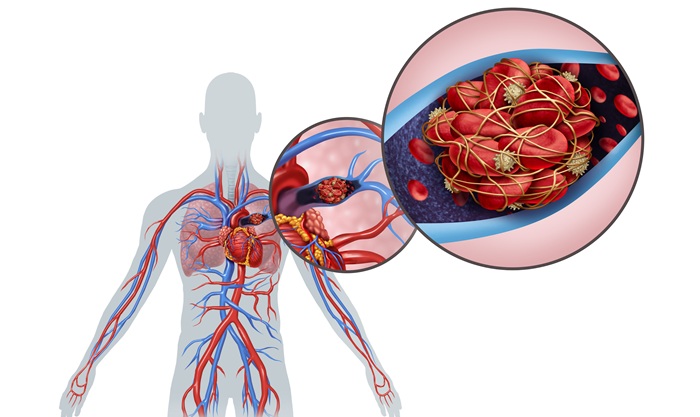
Ultrasound‑Aided Catheter Treatment Cuts Early Collapse in Pulmonary Embolism
Acute pulmonary embolism can cause rapid hemodynamic deterioration and early death in hospitalized and emergency patients. Systemic thrombolysis can dissolve clots but is limited by a high risk of major... Read more

Patient Care
view channel
Wearable Sleep Data Predict Adherence to Pulmonary Rehabilitation
Chronic obstructive pulmonary disease (COPD) is a long-term lung disorder that makes breathing difficult and often disturbs sleep, reducing energy for daily activities. Limited engagement in pulmonary... Read more
Revolutionary Automatic IV-Line Flushing Device to Enhance Infusion Care
More than 80% of in-hospital patients receive intravenous (IV) therapy. Every dose of IV medicine delivered in a small volume (<250 mL) infusion bag should be followed by subsequent flushing to ensure... Read more

Health IT
view channel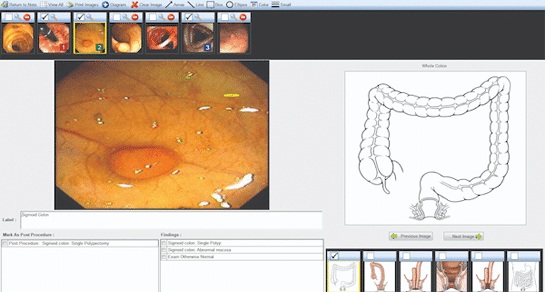
Voice-Driven AI System Enables Structured GI Procedure Documentation
Documentation during gastrointestinal (GI) procedures often competes with real-time clinical decision-making and imposes a significant cognitive burden on physicians. Manual data entry and post-procedure... Read more
EMR-Based Tool Predicts Graft Failure After Kidney Transplant
Kidney transplantation offers patients with end-stage kidney disease longer survival and better quality of life than dialysis, yet graft failure remains a major challenge. Although a successful transplant... Read more
Printable Molecule-Selective Nanoparticles Enable Mass Production of Wearable Biosensors
The future of medicine is likely to focus on the personalization of healthcare—understanding exactly what an individual requires and delivering the appropriate combination of nutrients, metabolites, and... Read more

Business
view channel
GE HealthCare Leads Major European Initiative to Advance Cardio-Oncology Care
Cardiovascular complications are increasingly recognized among people undergoing or recovering from cancer treatment, driven by pre‑existing disease and the cardiotoxic effects of chemotherapy, radiotherapy,... Read more

