






Reusable Surgeon’s Scalpel Provides Precise Unobstructed Illumination in Anatomic Danger Zones
|
By HospiMedica International staff writers Posted on 03 Jan 2023 |


|
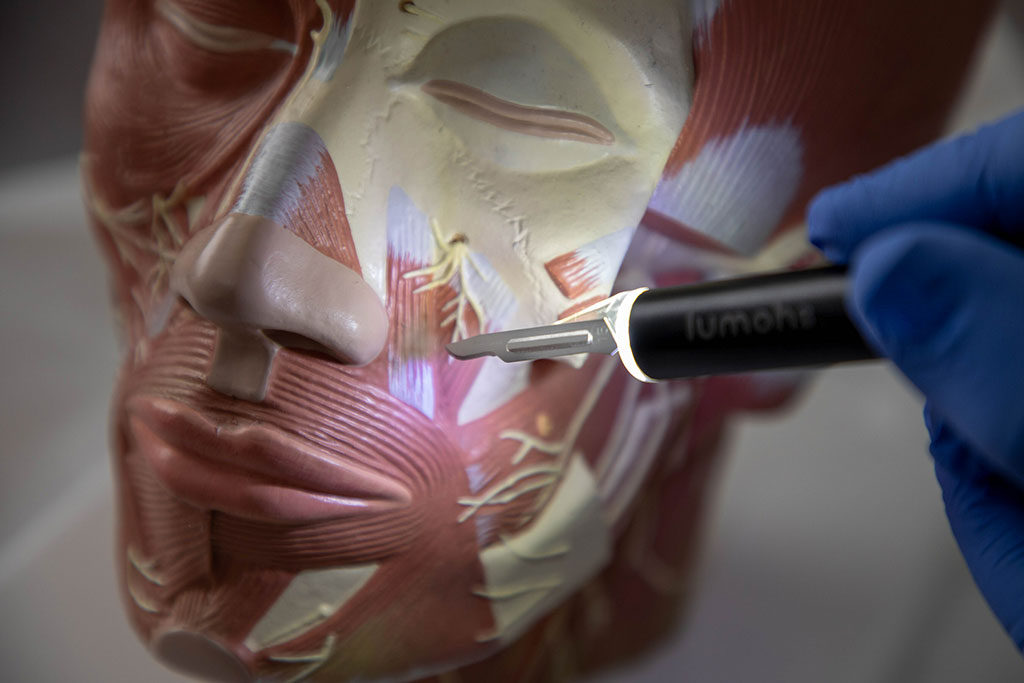
A surgeon's scalpel handle has not significantly changed since it was first introduced 100 years ago. But a patented reusable scalpel has changed that by enabling shadowless illumination just millimeters from the surgical site precisely where overhead lighting cannot reach, thus providing enhanced visualization of nerves and vessels in anatomic danger zones.
The Lumohs reusable scalpel from Nano Surgical, LLC (Delray Beach, FL, USA) features a patented design to meet the challenges, of reusability, portability, autoclavability and practical economics. Lumohs provides shadowless illumination under and at all angles to the skin in front of the blade for unobstructed illumination during biopsies, excisions, Mohs surgery and more. Lumohs’ scalpel-based illumination enhances visualization for undermining and excising anatomic danger zones, while synchronous twisting, cutting and illuminating improves surgical efficiency.
Initially invented for skin cancer surgeons, Lumohs can help any doctor that wields a scalpel for any surgical procedure. Lumohs’ scalpel reduces the risks of incomplete epidermal margins during Mohs & routine surgeries. It is ideal for routine excisions of malignant and benign lesions performed by surgeons in offices, hospital bedsides and nursing homes. The autoclavable, universal lightweight plastic and stainless steel scalpel is powered by a replaceable battery cartridge. Lumohs' universality, accepting any surgical blade number that conforms to traditional scalpel handle's ISO standards, makes it ideal for any surgeon.
“The risks to patients are great when shadows or blind spots, obscure tiny critical nerves and blood vessels that can be accidentally severed during surgery,” said Dr. Steven Hacker, founder of Nano Surgical and Inventor of Lumohs. “The problem Lumohs solves is the difficulty of getting adequate unobstructed illumination underneath and at all angles to the skin. This illumination can be lifesaving when performing Mohs surgery, flaps, excisions, plastic surgery or any office-based surgeries in anatomic danger zones of the head and neck or anywhere on body, for that matter. Expensive overhead lighting and loupes don't solve the problem and are cost prohibitive to outfit in every procedure room.”
Related Links:
Nano Surgical, LLC







Latest Surgical Techniques News
- Ultrasound Technology Aims to Replace Invasive BPH Procedures
- Continuous Monitoring with Wearables Enhances Postoperative Patient Safety
- New Approach Enables Customized Muscle Tissue Without Biomaterial Scaffolds
- Robot-Assisted Brain Angiography Improves Procedural Outcomes
- Brain Mapping Technology Enhances Precision in Brain Tumor Resection
- Handheld Robotic System Expands Options for Total Knee Surgery
- VR Experience Reduces Patient Anxiety Before Kidney Stone Procedure
- Injectable Mini Livers Offer Hope for Patients Awaiting Transplant
- Pulsed Field Ablation Technology Cleared in Europe for Persistent AFib
- AI-Powered Imaging Brings Real-Time Margin Clarity to Breast Cancer Surgery
- Minimally Invasive Device Safely Treats Challenging Brain Aneurysms
- Surgical Robot Makes Complex Liver Tumor Surgery Safer and Less Invasive
- Neurostimulation Implant Reduces Seizure Burden in Drug-Resistant Epilepsy
- Minimally Invasive Procedure Effectively Treats Small Kidney Cancers
- Fluorescence Probe Paired with Engineered Enzymes Lights Up Tumors for Easier Surgical Removal
- Novel Hydrogel Could Become Bone Implant of the Future
Channels
Artificial Intelligence
view channel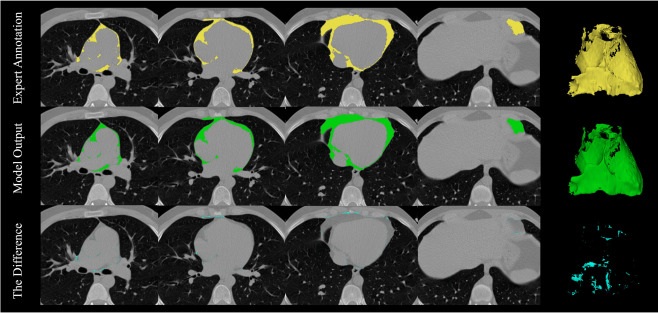
AI Analysis of Pericardial Fat Refines Long-Term Heart Disease Risk
Accurately identifying long-term cardiovascular disease risk in asymptomatic adults remains challenging for clinicians. Missed or underestimated risk delays preventive therapy and increases the chance... Read more
Machine Learning Approach Enhances Liver Cancer Risk Stratification
Hepatocellular carcinoma, the most common form of primary liver cancer, is often detected late despite targeted surveillance programs. Current screening guidelines emphasize patients with known cirrhosis,... Read more

Critical Care
view channel
Noninvasive Monitoring Device Enables Earlier Intervention in Heart Failure
Hospitalizations for heart failure with preserved ejection fraction (HFpEF) remain common because lung congestion often worsens before symptoms prompt treatment changes. Missed early decompensation... Read more
Automated IV Labeling Solution Improves Infusion Safety and Efficiency
Medication administration in high-acuity settings is often complicated by multiple concurrent infusions, making accurate line identification essential. In a 10-hospital intensive care unit study, 60% of... Read more

Patient Care
view channel
Wearable Sleep Data Predict Adherence to Pulmonary Rehabilitation
Chronic obstructive pulmonary disease (COPD) is a long-term lung disorder that makes breathing difficult and often disturbs sleep, reducing energy for daily activities. Limited engagement in pulmonary... Read more
Revolutionary Automatic IV-Line Flushing Device to Enhance Infusion Care
More than 80% of in-hospital patients receive intravenous (IV) therapy. Every dose of IV medicine delivered in a small volume (<250 mL) infusion bag should be followed by subsequent flushing to ensure... Read more

Health IT
view channel
EMR-Based Tool Predicts Graft Failure After Kidney Transplant
Kidney transplantation offers patients with end-stage kidney disease longer survival and better quality of life than dialysis, yet graft failure remains a major challenge. Although a successful transplant... Read more
Printable Molecule-Selective Nanoparticles Enable Mass Production of Wearable Biosensors
The future of medicine is likely to focus on the personalization of healthcare—understanding exactly what an individual requires and delivering the appropriate combination of nutrients, metabolites, and... Read more


Business
view channel
GE HealthCare Leads Major European Initiative to Advance Cardio-Oncology Care
Cardiovascular complications are increasingly recognized among people undergoing or recovering from cancer treatment, driven by pre‑existing disease and the cardiotoxic effects of chemotherapy, radiotherapy,... Read more

