Groundbreaking Technology Radically Improves Minimally Invasive Endoscopic Surgery
|
By HospiMedica International staff writers Posted on 11 Jan 2023 |


|
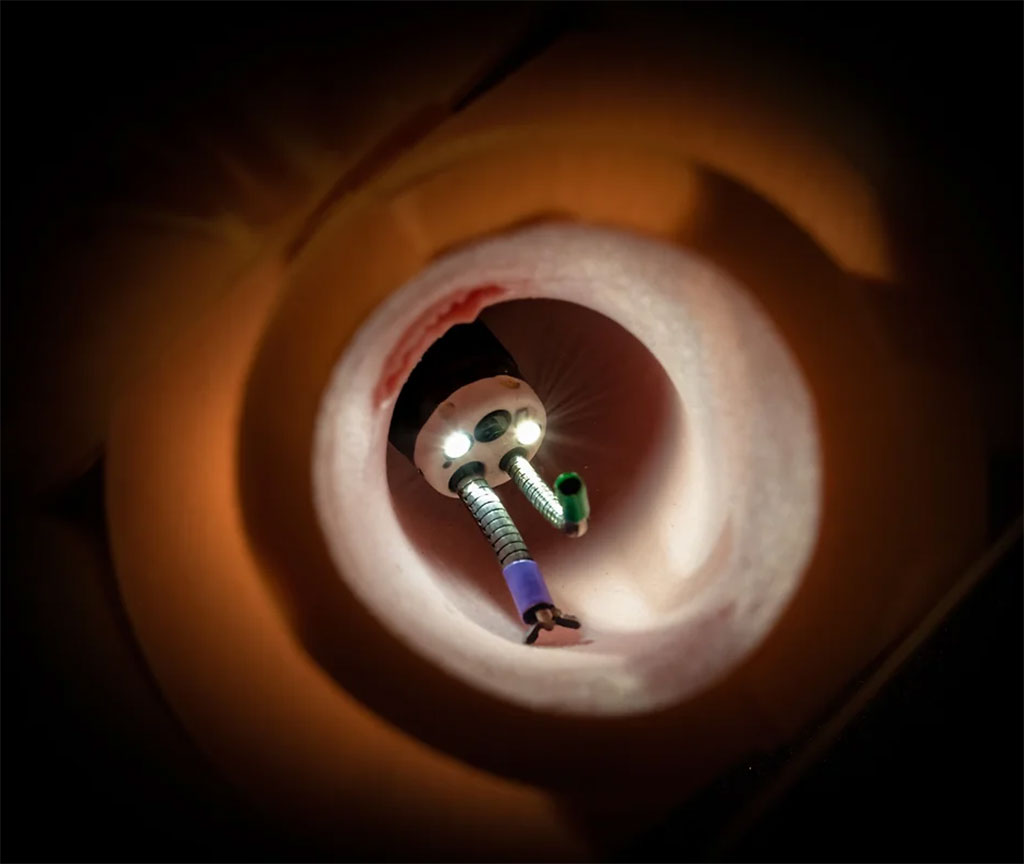
A next-generation endoscope technology aims to radically improve minimally invasive flexible endoscopic surgery by harnessing the power of intelligently micro-machined smart materials to create highly dexterous manipulators at millimeter and sub-millimeter scales, thereby enhancing therapeutic outcomes.
The disruptive platform technology from EndoTheia Inc. (Nashville, TN, USA), based on extremely thin-walled, laser-machined metallic tubes, enables the creation of highly flexible, steerable devices that can pass through standard endoscopes, while also carrying within themselves interventional tools. The steerability that these devices provide to endoscope-delivered tools opens the door for new diagnostic and therapeutic applications of flexible endoscopy. The technology can be used across a vast array of clinical specialties, including urology, gastroenterology, neurology, and otology.
EndoTheia’s proprietary technology exploits pre-programmed mechanical properties in concentric super-elastic tubes to enable tool steerability at the tips of flexible endoscopes without any modification to the endoscope itself. This eliminates parasitic bending along the instrument length like with tendon-actuated systems. By doing away with pullwires and discrete linkages, EndoTheia can create steerable tools with thinner walls and smaller diameters than ever before. It is this capability that allows the company to create dexterous instruments all the way down to 2F in diameter, with an open lumen allowing for the passage of adjunct tools, fluid flow, or suction/irrigation, adding value to the most demanding endoscopic applications. Coupling EndoTheia’s steerable tips with proprietary insertion shaft technology enables distal dexterity at the most demanding of curvatures and deflection angles, with high torsional trackability, axial stiffness, and bidirectional steerability.
EndoTheia has gained priority status from the FDA by receiving a Breakthrough Device designation from the agency for its next-generation endoscope technology. EndoTheia has demonstrated feasibility in animal, cadaver, and tissue model studies in surgeries for biliary disease, ureteroscopy kidney stone removal, endoscopic submucosal dissection (ESD), endoscopic neurosurgery, sinus surgery, and middle ear surgery. EndoTheia’s technology can provide dexterity in any procedures where tools are delivered through flexible endoscopes, including urology, neurology, interventional pulmonology, gastroenterology, colorectal, orthopedics, otolaryngology (ENT), and other sub-specialties.
“EndoTheia’s technology is currently the only viable option to add dexterity to flexible endoscopy, without re-engineering the endoscope itself,” said Robert J. Webster, III, PhD, Co-Founder and President of EndoTheia. “This empowers surgeons to provide much more accurate and precise therapeutic interventions in a wide range of clinical specialties.”
“We are excited that the FDA has recognized the huge potential of EndoTheia’s technology through Breakthrough Device designation,” added S. Duke Herrell, III, MD, FACS, Co-Founder and Chief Medical Officer of EndoTheia. “The FDA has affirmed our view that there is nothing else out there capable of doing what we do for flexible endoscopy, and that our technology represents a breakthrough treatment option for patients who currently face irreversibly debilitating disease.”
Related Links:
EndoTheia Inc.






Latest Surgical Techniques News
- Integrated PET/MRI and EEG Improves Presurgical Lesion Localization in Pediatric Focal Epilepsy
- Integrated Perioperative Care Model Improves Recovery in Older Surgical Patients
- New Transvaginal Transducer Improves Imaging for Gynecology and Early Obstetrics
- FDA Approves Abbott Dual-Energy Catheter for Complex AFib Cases
- Mobile 3-in-1 Imaging System Advances Intraoperative Navigation
- First Thyroid Cancer-Specific Anxiety Scale Supports Patient-Centered Care
- Tissue-Mimicking Scaffold Could Improve Rotator Cuff Repair
- Augmented Reality System Integrates Intraoperative Data for Hip Arthroscopy
- Nanobone Material Activates Natural Repair Signals to Regrow Bone
- First Robotic Dual Liver-Kidney Transplant Expands Minimally Invasive Transplant Surgery
- Functional Coronary Angiography Improves Outcomes in STEMI With Multivessel Disease
- Researchers Advance Novel Therapy for Hard-to-Heal Diabetic Foot Wounds
- Robotic System Aims to Expand Access to Stroke Thrombectomy
- Biodegradable Gastric Stent Could Eliminate Repeat Procedures After Bariatric Surgery
- Robot-Assisted Surgery Shows Advantages Over Laparoscopy in Gastric Cancer
- New Implant-Based System Gains FDA Approval for GERD Treatment
Channels
Artificial Intelligence
view channel
Explainable AI Tool Identifies High-Risk Patients Before Heart Attack Reperfusion
Intramyocardial hemorrhage is bleeding within the heart muscle that can occur after blood flow is restored during heart attack treatment. It affects about 40% of patients treated for ST-segment elevation... Read more
AI Tools Show Potential to Detect Subtle Signs of Interval Breast Cancer
Interval breast cancers, diagnosed after a negative screening mammogram and before the next scheduled exam, remain an important measure of screening performance and are often more aggressive.... Read more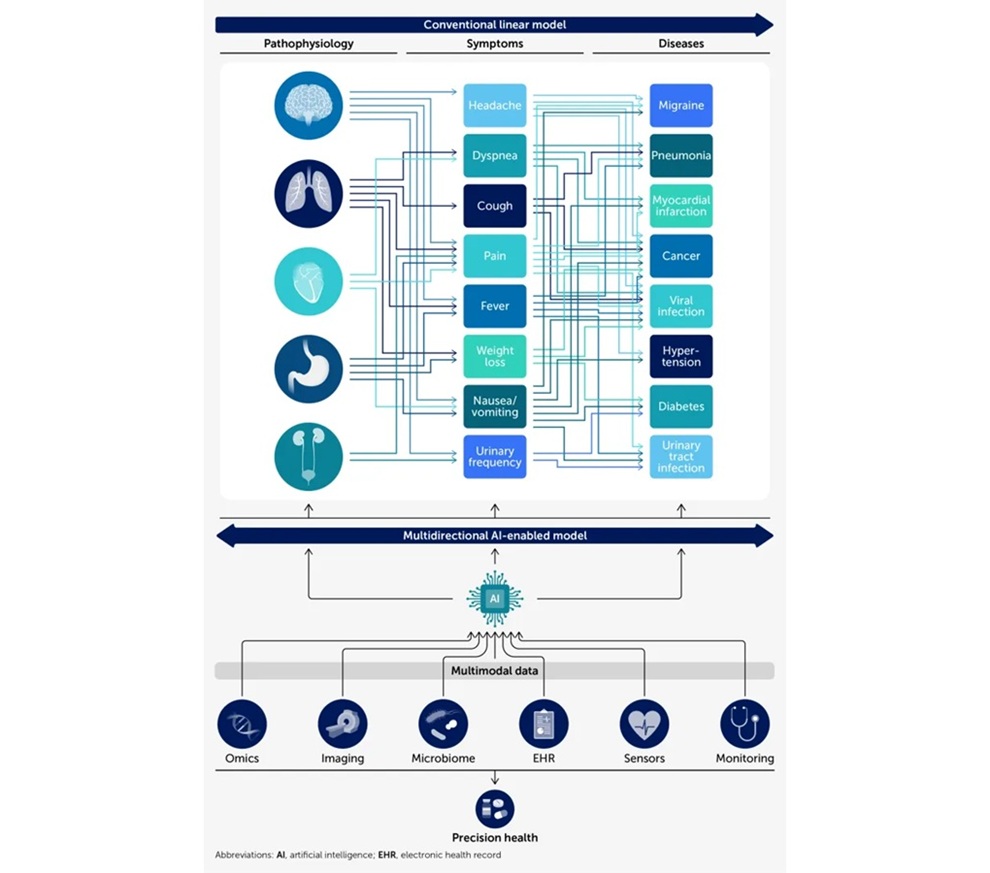

Critical Care
view channel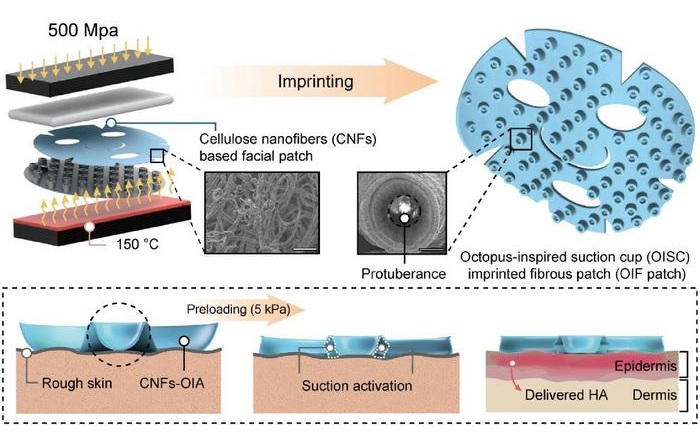
Octopus-Inspired Patch Improves Adhesion for Transdermal Drug Delivery
Transdermal drug delivery requires secure contact between a patch and dynamically moving skin. Everyday bending and stretching can open microgaps that degrade adhesion and reduce dose consistency, limiting... Read more
Multimodal AI System Tracks Early Warning Signs of Mental Health Crisis
In the United States, more than 47,000 people die by suicide each year and more than 10 million seriously consider it, according to the U.S. Centers for Disease Control and Prevention. Yet clinicians often... Read more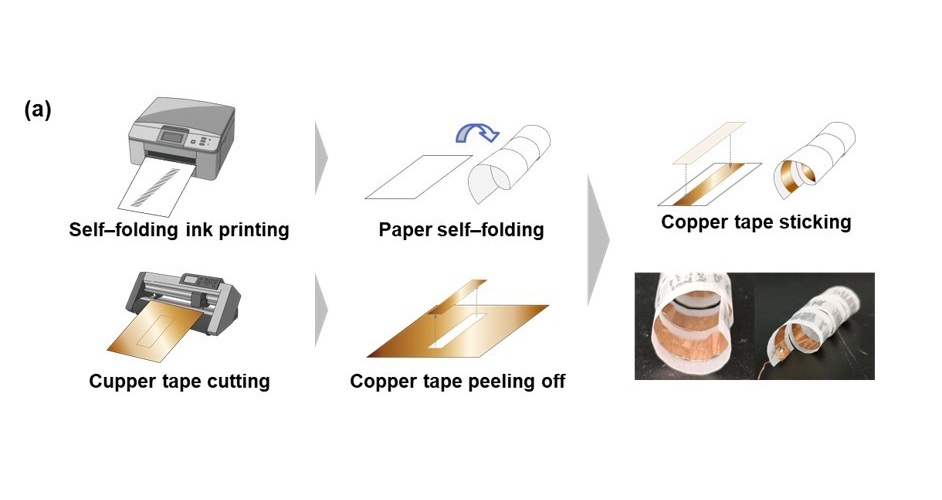

Patient Care
view channel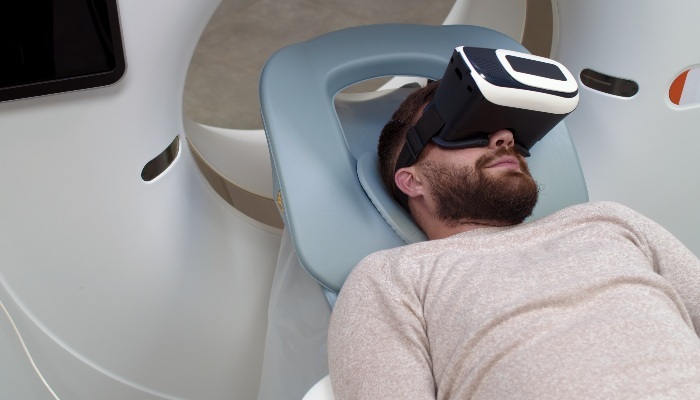
Virtual Reality Helps Claustrophobic Patients Complete Cardiac PET/CT Scans
Anxiety and claustrophobia—intense fear of confined spaces—often prevent patients from completing cardiac positron emission tomography/computed tomography (PET/CT). Aborted scans delay diagnosis, consume... Read more
Weighted Blankets Reduce Anxiety in Hospitalized Adults
Anxiety is common among hospitalized adults and can impair recovery, disrupt sleep, and worsen mental health. Although clinicians often use nonpharmacologic strategies, bedside options that act quickly... Read more
Medical Imaging
view channel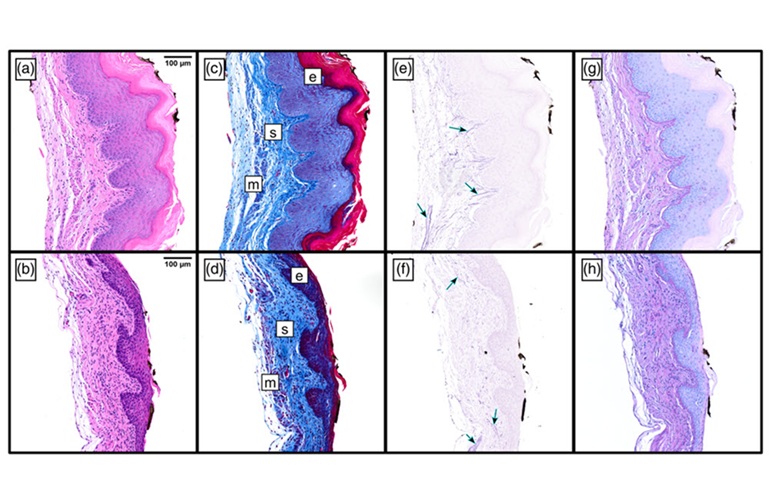
Noninvasive Optical Test Detects Hidden Tissue Damage in Pelvic Organ Prolapse
Pelvic organ prolapse (POP) occurs when weakened pelvic-support tissues allow the bladder, uterus, or rectum to descend. Although it affects millions of women, the condition remains under-characterized... Read more
AI Imaging Model Predicts Five-Year Breast Cancer Risk from 3D Mammograms
Breast cancer screening programs often struggle to stratify women by near-term risk, which can lead to missed cancers or unnecessary testing. Forecasting who will develop disease within five years is difficult... Read more
Spleen Imaging Signatures May Reveal Hidden Coronary Artery Disease Risk
Coronary artery disease (CAD) remains a leading cause of death despite major gains in managing traditional risk factors. Clinicians still struggle to quantify residual risk and the upstream biology that... Read more
FDA Clears Automated Musculoskeletal Ultrasound Platform for Arthritis Assessment
Musculoskeletal ultrasound is central to evaluating inflammatory arthritis and other joint conditions, but access is limited by workforce shortages and variability in image acquisition. In the United States,... Read moreHealth IT
view channel
Registry-Driven Digital Outreach Boosts Use of Heart Failure Medicines
Heart failure affects more than 64 million people worldwide and is linked to high mortality, reduced quality of life, and heavy healthcare use. Although sodium-glucose cotransporter 2 inhibitors are proven... Read more
Nurse-Coordinated Care Model Improves Heart Failure Outcomes
Heart failure imposes heavy mortality, morbidity, and cost burdens worldwide, yet proven therapies remain underused in routine practice. This inadequate uptake contributes to preventable hospitalizations... Read more

Point of Care
view channel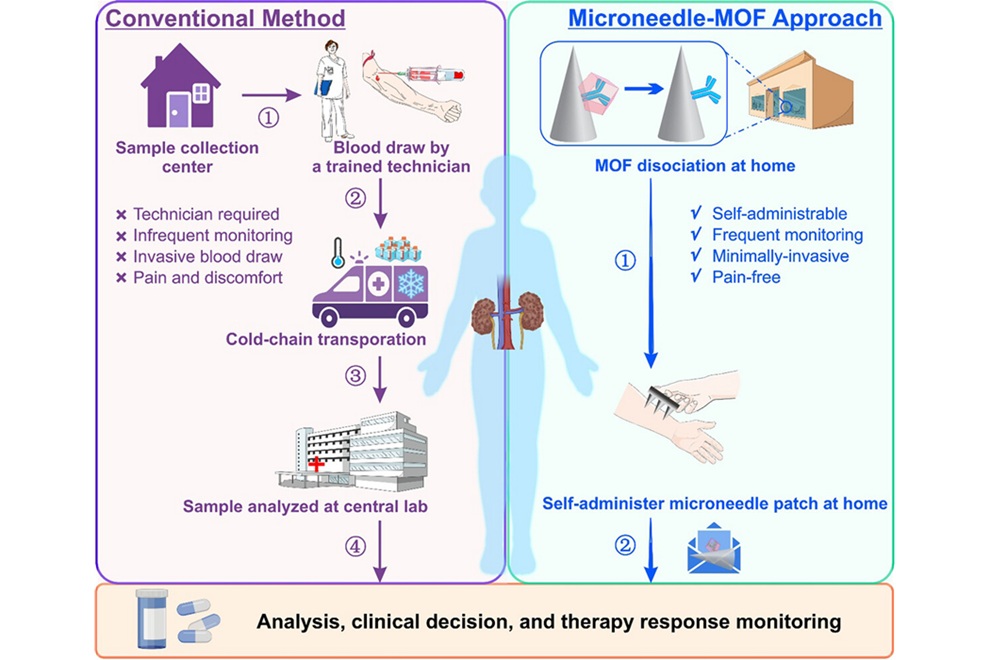
Microneedle Patch Enables At-Home Monitoring of Acute Kidney Injury
Kidney disease is often silent in its early stages, making timely detection difficult outside clinical settings. Early biomarkers such as neutrophil gelatinase–associated lipocalin can require blood draws... Read more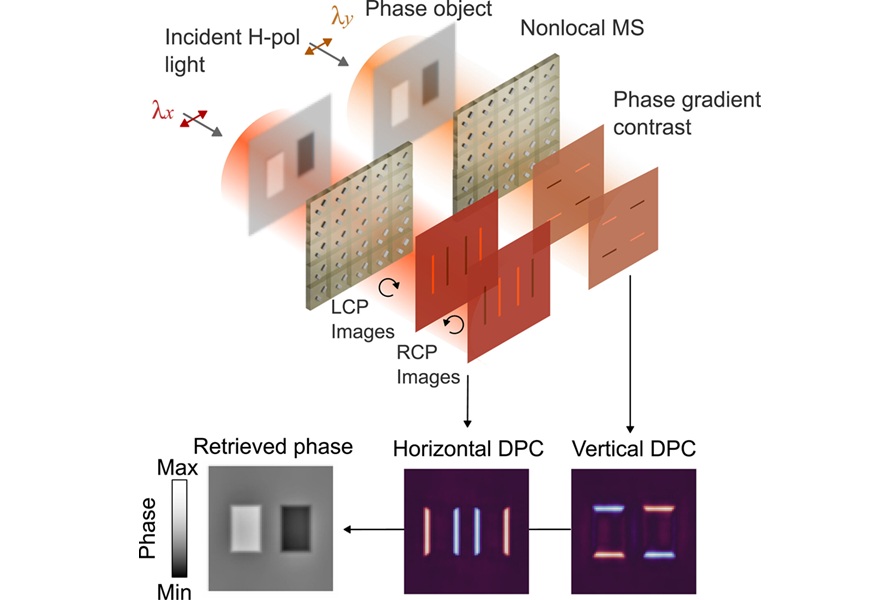
Ultrathin Metasurface Could Bring Quantitative Phase Imaging to Portable Devices
Point-of-care imaging often depends on bulky optical systems that have difficulty visualizing nearly transparent cells and tissues without staining. These limitations can slow diagnosis and restrict use... Read more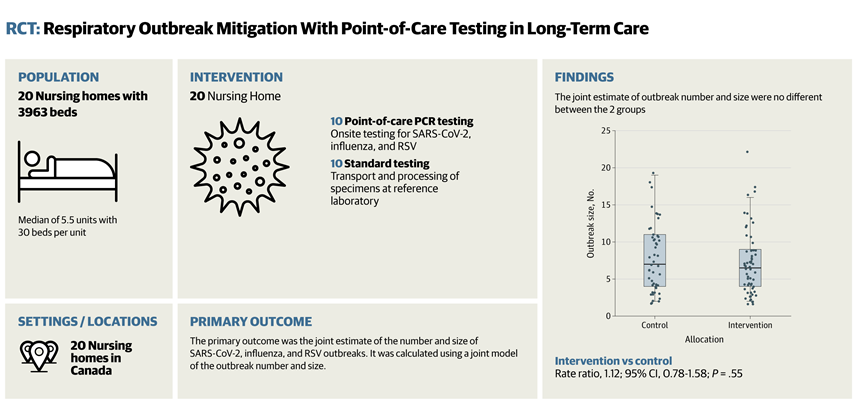
Business
view channel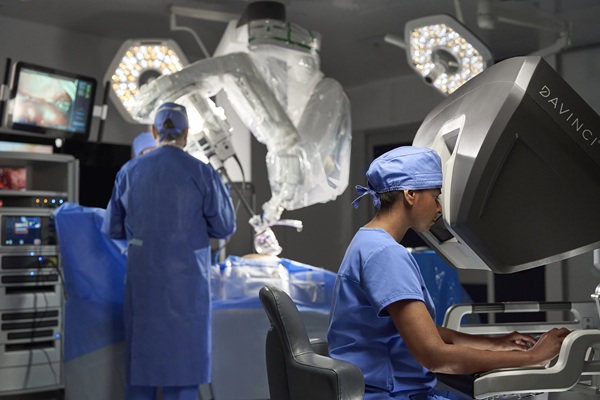
Robotic Single-Port System Gains CE Mark for Transvaginal Gynecologic Procedures
Intuitive (Sunnyvale, CA, USA) announced that it has received CE mark approval for use of the da Vinci SP Single Port surgical system in transvaginal gynecologic procedures, marking the first such indication... Read more