






All-in-One Device Reduces False-Positive Diagnostic Test Results for Bloodstream Infections 
|
By HospiMedica International staff writers Posted on 26 Jan 2023 |


|

Blood cultures are considered the gold standard diagnostic test for the detection of blood stream infections, such as sepsis. However, positive blood culture results can be frequently wrong, and about 40% of positive results return a false-positive result owing to contamination. Such false-positive results can cause misdiagnosis of sepsis and expose the patient to unnecessary, prolonged, and harmful broad-spectrum antibiotic treatment and extended length of in-patient hospital stay. This may put the patent at a higher risk for acute kidney injury, Clostridioides difficile infection (CDI), Multidrug-Resistant Organism (MDRO) infections, other hospital-acquired infections (HAI), and significantly high hospital costs. Preventing false-positive results and sepsis misdiagnosis has to begin with reducing blood culture contaminations. Now, a new technology can help reduce blood culture contamination and false-positive test results, thereby preventing the patient from being harmed, and reducing unnecessary and prolonged usage of antibiotics, duration of stay, and hospital expenses.
Magnolia Medical Technologies’ (Seattle, WA, USA) Steripath is the only FDA 510(k)-cleared device that is specifically indicated to reduce blood culture contamination with an FDA-cleared labeling claim for an 83% and 88% reduction in contamination rates. Optimally designed for blood culture contamination prevention, Steripath comes pre-assembled and sterile to actively divert and sequester the initial 1.5-2.0mL of blood, the volume that is known to contain contaminants. Blood cultures are collected through an independent, second flow path, creating a closed vein-to-bottle collection system meant to avoid bypassing diversion.
Magnolia is entering into partnerships with hospitals and healthcare providers in the U.S. to prevent sepsis misdiagnosis by improving the accuracy of blood culture results using Steripath. A recent peer-reviewed study published in a leading medical journal constituted the largest controlled clinical dataset ever documented with zero blood culture contamination events. Importantly, the study demonstrated that it was possible to eliminate blood culture contamination and “get to zero” with the use of Steripath. Another large-scale, peer-reviewed study quantified multiple devastating patient harms associated with blood culture contamination and most significantly, a 74% higher risk of in-hospital patient mortality.
“This study includes one of the largest data sets to date examining and directly quantifying the preventable consequences of blood culture contamination on patient safety and clinical outcomes,” said Greg Bullington, CEO and Co-Founder of Magnolia Medical. “This definitive data adds to the substantial body of evidence that already exists demonstrating that contaminated blood culture results drive avoidable, severely negative outcomes for patients and the healthcare system, including increased costs, inappropriate antibiotic usage that contributes to the rise of multidrug-resistant organisms, increased length of stay, and other preventable adverse events.”
Related Links:
Magnolia Medical Technologies






Latest Technology News
Channels
Artificial Intelligence
view channel
AI Analysis of Pericardial Fat Refines Long-Term Heart Disease Risk
Accurately identifying long-term cardiovascular disease risk in asymptomatic adults remains challenging for clinicians. Missed or underestimated risk delays preventive therapy and increases the chance... Read more
Machine Learning Approach Enhances Liver Cancer Risk Stratification
Hepatocellular carcinoma, the most common form of primary liver cancer, is often detected late despite targeted surveillance programs. Current screening guidelines emphasize patients with known cirrhosis,... Read more

Critical Care
view channel
Noninvasive Monitoring Device Enables Earlier Intervention in Heart Failure
Hospitalizations for heart failure with preserved ejection fraction (HFpEF) remain common because lung congestion often worsens before symptoms prompt treatment changes. Missed early decompensation... Read more
Automated IV Labeling Solution Improves Infusion Safety and Efficiency
Medication administration in high-acuity settings is often complicated by multiple concurrent infusions, making accurate line identification essential. In a 10-hospital intensive care unit study, 60% of... Read more

Surgical Techniques
view channel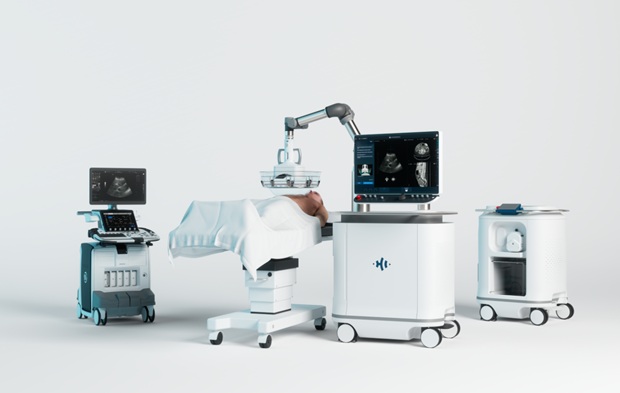
Ultrasound Technology Aims to Replace Invasive BPH Procedures
Benign prostatic hyperplasia (BPH) is a frequent cause of lower urinary tract symptoms in aging men and often requires invasive procedures or prolonged recovery. With prevalence expected to rise as populations... Read more
Continuous Monitoring with Wearables Enhances Postoperative Patient Safety
Postoperative hypoxemia on general surgical wards is common and often missed by intermittent vital sign checks. Undetected low oxygen levels can delay recovery and raise the risk of complications that... Read more
Patient Care
view channel
Wearable Sleep Data Predict Adherence to Pulmonary Rehabilitation
Chronic obstructive pulmonary disease (COPD) is a long-term lung disorder that makes breathing difficult and often disturbs sleep, reducing energy for daily activities. Limited engagement in pulmonary... Read more
Revolutionary Automatic IV-Line Flushing Device to Enhance Infusion Care
More than 80% of in-hospital patients receive intravenous (IV) therapy. Every dose of IV medicine delivered in a small volume (<250 mL) infusion bag should be followed by subsequent flushing to ensure... Read more

Health IT
view channel
EMR-Based Tool Predicts Graft Failure After Kidney Transplant
Kidney transplantation offers patients with end-stage kidney disease longer survival and better quality of life than dialysis, yet graft failure remains a major challenge. Although a successful transplant... Read more
Printable Molecule-Selective Nanoparticles Enable Mass Production of Wearable Biosensors
The future of medicine is likely to focus on the personalization of healthcare—understanding exactly what an individual requires and delivering the appropriate combination of nutrients, metabolites, and... Read more


Business
view channel
GE HealthCare Leads Major European Initiative to Advance Cardio-Oncology Care
Cardiovascular complications are increasingly recognized among people undergoing or recovering from cancer treatment, driven by pre‑existing disease and the cardiotoxic effects of chemotherapy, radiotherapy,... Read more

