Modifying Intestinal Flora Before Surgery Reduces Postoperative Complications in Colorectal Cancer Patients
|
By HospiMedica International staff writers Posted on 06 Feb 2023 |


|
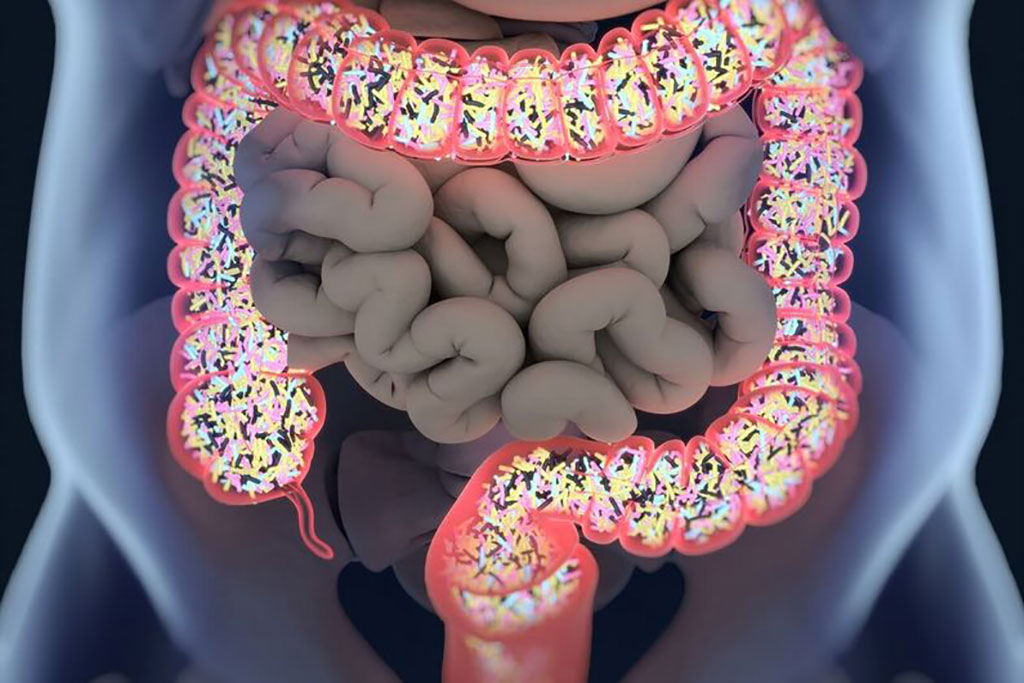
Up to 30% of all patients undergoing colorectal surgery suffer from serious complications due to poor healing of their intestinal barrier. Anastomotic complications cause inflammation, serious infection and cancer recurrence. Researchers have known that certain bacteria aid the development of colorectal cancer by producing toxins which damage colon cells or by promoting accumulation of DNA mutations or intestinal inflammation. A team of scientists has now identified two bacterial strains that directly affect whether or not anastomotic leakage, more commonly known as intestinal leakage, occurs.
To identify these two bacterial strains and facilitate modeling on large volumes of data, scientists at the CHUM Research Centre (CRCHUM, Montreal, Canada) developed the Biorepository for Inflammatory and Neoplastic Diseases of the Digestive Tract. The research biobank contains stool specimens of patients admitted for colorectal cancer who have provided their consent to be used for research purposes.
In a promising study, the researchers demonstrated for the first time in mice that modifying intestinal flora before surgery can reduce postoperative complications in colorectal cancer patients. Modifying the patients’ intestinal flora a few days prior to surgery by using a mix of prebiotics and probiotics could form the basis of a new therapeutic approach, according to the researchers. If such a treatment is continued for several days after the surgery, it could hasten the patients’ return to a healthy intestinal microbiota, reduce their hospital stay, improved their chances of survival and better their quality of life. The researchers are now carrying out additional studies to identify other bacteria associated with intestinal leakage or healing.
“In our study, we show that two bacterial strains detected in the stools of patients with this type of cancer have opposite effects on intestinal healing and therefore on recovery,” said principal author Manuela Santos, a professor at Université de Montréal. “Alistipes onderdonkii kh 33, mostly pro-inflammatory, increases the risk of leakage, while the anti-inflammatory effect of Parabacteroides goldsteinii kh 35 fosters healing.”
“The analysis of patients’ intestinal microbiota showed us that bacterial composition differed depending on the occurrence or not of intestinal leakage,” explained Roy Hajjar, a resident physician and the study’s first author. “Once we transplanted these different microbiota profiles to mice, we found that their risks of postoperative complications varied greatly. Simply put, the composition of the microbiota had a direct impact on their chances of recovery.”
Related Links:
CRCHUM








Latest Surgical Techniques News
- Novel Endoscopy Technique Provides Access to Deep Lung Tumors
- New Study Findings Could Halve Number of Stent Procedures
- Breakthrough Surgical Device Redefines Hip Arthroscopy
- Automated System Enables Real-Time "Molecular Pathology" During Cancer Surgery
- Groundbreaking Procedure Combines New Treatments for Liver Tumors
- Ablation Reduces Stroke Risk Associated with Atrial Fibrillation
- Optical Tracking Method Identifies Target Areas in Robot-Assisted Neurosurgery
- General Anesthesia Improves Post-Surgery Outcomes for Acute Stroke Patients
- Drug-Coated Balloons Can Replace Stents Even in Larger Coronary Arteries
- Magnetic Kidney Stone Retrieval Device Outperforms Ureteroscopic Laser Lithotripsy
- Absorbable Skull Device Could Replace Traditional Metal Implants Used After Brain Surgery
- Magic Silicone Liquid Powered Robots Perform MIS in Narrow Cavities
- 'Lab-on-a-Scalpel' Provides Real-Time Surgical Insights for POC Diagnostics in OR
- Biodegradable Brain Implant Prevents Glioblastoma Recurrence
- Tiny 3D Printer Reconstructs Tissues During Vocal Cord Surgery
- Minimally Invasive Procedure for Aortic Valve Disease Has Similar Outcomes as Surgery
Channels

Critical Care
view channel
Nanogel Technology Almost 100% Effective in Destroying Drug-Resistant Bacteria Within Hours
Antibiotic resistance is one of the most serious global health threats, driven by bacteria that evade treatment and form protective biofilms that shield them from drugs. Pathogens such as Pseudomonas aeruginosa,... Read more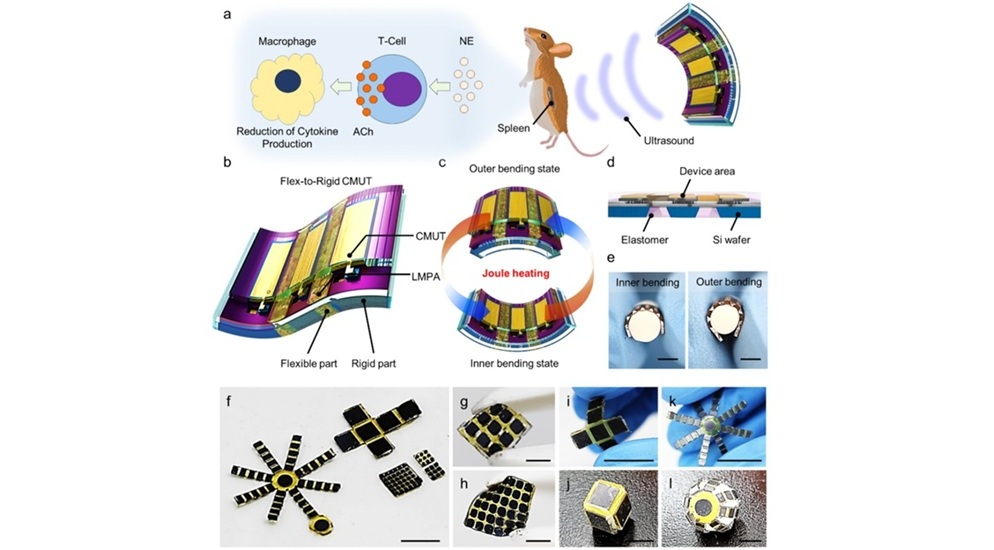
Wearable Ultrasound Sensor Delivers Noninvasive Treatment Without Surgery
Wearable ultrasound devices have long struggled with low acoustic power and poor structural stability, limiting their use in high-resolution imaging and therapeutic applications. Conventional flexible... Read more
Patient Care
view channel
Revolutionary Automatic IV-Line Flushing Device to Enhance Infusion Care
More than 80% of in-hospital patients receive intravenous (IV) therapy. Every dose of IV medicine delivered in a small volume (<250 mL) infusion bag should be followed by subsequent flushing to ensure... Read more
VR Training Tool Combats Contamination of Portable Medical Equipment
Healthcare-associated infections (HAIs) impact one in every 31 patients, cause nearly 100,000 deaths each year, and cost USD 28.4 billion in direct medical expenses. Notably, up to 75% of these infections... Read more
Portable Biosensor Platform to Reduce Hospital-Acquired Infections
Approximately 4 million patients in the European Union acquire healthcare-associated infections (HAIs) or nosocomial infections each year, with around 37,000 deaths directly resulting from these infections,... Read more
First-Of-Its-Kind Portable Germicidal Light Technology Disinfects High-Touch Clinical Surfaces in Seconds
Reducing healthcare-acquired infections (HAIs) remains a pressing issue within global healthcare systems. In the United States alone, 1.7 million patients contract HAIs annually, leading to approximately... Read moreHealth IT
view channel
EMR-Based Tool Predicts Graft Failure After Kidney Transplant
Kidney transplantation offers patients with end-stage kidney disease longer survival and better quality of life than dialysis, yet graft failure remains a major challenge. Although a successful transplant... Read more
Printable Molecule-Selective Nanoparticles Enable Mass Production of Wearable Biosensors
The future of medicine is likely to focus on the personalization of healthcare—understanding exactly what an individual requires and delivering the appropriate combination of nutrients, metabolites, and... Read more

Business
view channel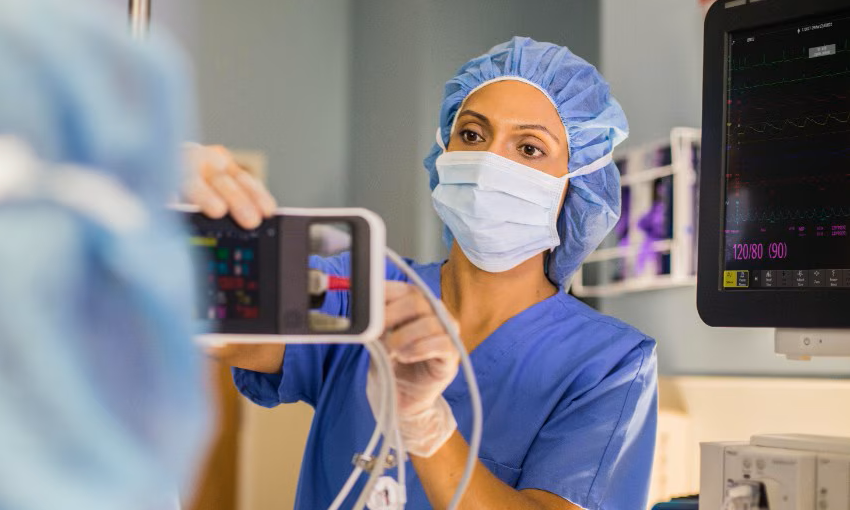
Philips and Masimo Partner to Advance Patient Monitoring Measurement Technologies
Royal Philips (Amsterdam, Netherlands) and Masimo (Irvine, California, USA) have renewed their multi-year strategic collaboration, combining Philips’ expertise in patient monitoring with Masimo’s noninvasive... Read more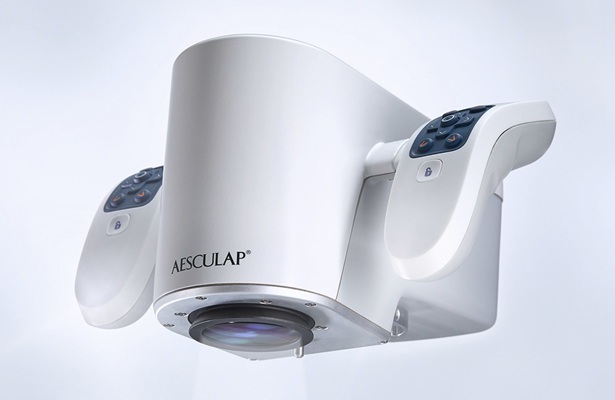
B. Braun Acquires Digital Microsurgery Company True Digital Surgery
The high-end microsurgery market in neurosurgery, spine, and ENT is undergoing a significant transformation. Traditional analog microscopes are giving way to digital exoscopes, which provide improved visualization,... Read more
CMEF 2025 to Promote Holistic and High-Quality Development of Medical and Health Industry
The 92nd China International Medical Equipment Fair (CMEF 2025) Autumn Exhibition is scheduled to be held from September 26 to 29 at the China Import and Export Fair Complex (Canton Fair Complex) in Guangzhou.... Read more