






Heart Valve That Grows Along With Child Could Reduce Invasive Surgeries 
|
By HospiMedica International staff writers Posted on 07 Feb 2023 |


|
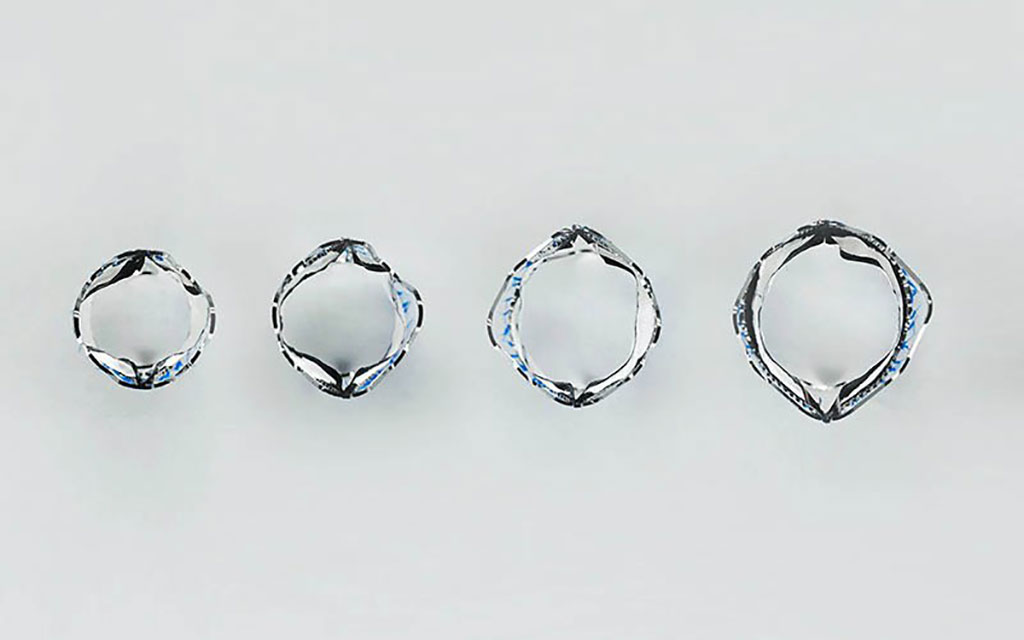
In children with congenital pulmonary valve disease, the flow of blood between the heart and lungs is impeded. In cases where the pulmonary valves have narrowed or are leaking and cannot be treated effectively with a catheter, surgeons generally replace them with a prosthetic valve. However, the current prosthetic pulmonary valves are adult-sized and have a fixed diameter, as a result of which they must be replaced as the child grows up. Now, for the first time, a prosthetic pulmonary valve replacement specifically designed for pediatric patients can expand over time inside a child’s anatomy. The valve can be fitted to the child’s individual body size and also adjusted for size if required through a minimally-invasive transcatheter balloon dilation procedure to maintain blood flow. This could eliminate the need to perform invasive replacement surgeries every few years as the child will not require another replacement procedure until reaching adulthood.
The revolutionary device, known as the Autus Valve, was invented at Boston Children’s Hospital (Boston, MA, USA) and was first implanted in a young patient in late 2021 as part of a collaborative clinical study. In commercially available prosthetic heart valves, there are three leaflets that operate as flaps for controlling blood flow, thereby imitating the tri-leaflet structure of the human aortic valve. For developing the heart valve, the researchers drew inspiration from a device that mimicked the bi-leaflet function of a venous valve in leg veins, as its two elastic flaps possess the perfect geometry for maintaining proper closure and one-way blood flow even after the veins in the leg expand in diameter. The team believed that this process could also work in the heart and went on to study the geometric profile of the human venous valve while using this as the basis for creating a valve prototype.
The researchers conducted studies in which they implanted prototypes of the replacement pulmonary valve in growing lambs and found that the device can be fitted and then expanded in sync along with the growth of heart anatomy. They also found that the valve could successfully maintain the control of blood flow without stretching and compromising the device’s frame or material. The two leaflets in the device are made of a polymer which has a long track record of use as a pediatric pulmonary valve leaflet. Before being implanted, doctors can adjust the valve diameter to match a patient’s heart anatomy. After the device is implanted, cardiac catheterization specialists can expand the valve if it becomes too small after a child’s grows quickly by using a catheter balloon. Using an echocardiogram, doctors can assess the valve’s integrity and how well it is controlling the flow of blood. Boston Children’s is now conducting US FDA-approved early clinical studies to examine the valve’s effectiveness in children aged between 2 to 11 years. The initial study will be followed by a larger clinical trial, with the aim of seeking FDA approval for making the device commercially available.
“It’s exciting and incredibly motivating that we’re at the stage where we can actually see the device helping patients,” said the device’s inventor, Sophie-Charlotte Hofferberth, MD. “If a valve expansion is needed after the device is implanted, we anticipate a child would recover from the procedure within a few hours,”
“There is a huge need for better solutions for children with valve disease,” Hofferberth added. “A pulmonary valve that can be adjusted for size could give young patients a bridge through childhood and have a huge impact on their long-term quality of life.”
Related Links:
Boston Children’s Hospital








Latest Surgical Techniques News
- Continuous Monitoring with Wearables Enhances Postoperative Patient Safety
- New Approach Enables Customized Muscle Tissue Without Biomaterial Scaffolds
- Robot-Assisted Brain Angiography Improves Procedural Outcomes
- Brain Mapping Technology Enhances Precision in Brain Tumor Resection
- Handheld Robotic System Expands Options for Total Knee Surgery
- VR Experience Reduces Patient Anxiety Before Kidney Stone Procedure
- Injectable Mini Livers Offer Hope for Patients Awaiting Transplant
- Pulsed Field Ablation Technology Cleared in Europe for Persistent AFib
- AI-Powered Imaging Brings Real-Time Margin Clarity to Breast Cancer Surgery
- Minimally Invasive Device Safely Treats Challenging Brain Aneurysms
- Surgical Robot Makes Complex Liver Tumor Surgery Safer and Less Invasive
- Neurostimulation Implant Reduces Seizure Burden in Drug-Resistant Epilepsy
- Minimally Invasive Procedure Effectively Treats Small Kidney Cancers
- Fluorescence Probe Paired with Engineered Enzymes Lights Up Tumors for Easier Surgical Removal
- Novel Hydrogel Could Become Bone Implant of the Future
- Skull Implant Design Could Shape Surgical Outcomes
Channels
Artificial Intelligence
view channel
Machine Learning Approach Enhances Liver Cancer Risk Stratification
Hepatocellular carcinoma, the most common form of primary liver cancer, is often detected late despite targeted surveillance programs. Current screening guidelines emphasize patients with known cirrhosis,... Read more
New AI Approach Monitors Brain Health Using Passive Wearable Data
Brain health spans cognitive and emotional functions and can fluctuate even in adults without diagnosed disease. Detecting early changes remains difficult in routine care and burdens specialty services... Read more

Surgical Techniques
view channel
Continuous Monitoring with Wearables Enhances Postoperative Patient Safety
Postoperative hypoxemia on general surgical wards is common and often missed by intermittent vital sign checks. Undetected low oxygen levels can delay recovery and raise the risk of complications that... Read more
New Approach Enables Customized Muscle Tissue Without Biomaterial Scaffolds
Volumetric muscle loss is a traumatic loss of skeletal muscle that often leads to permanent functional impairment and limited reconstructive options. Current experimental strategies struggle to deliver... Read more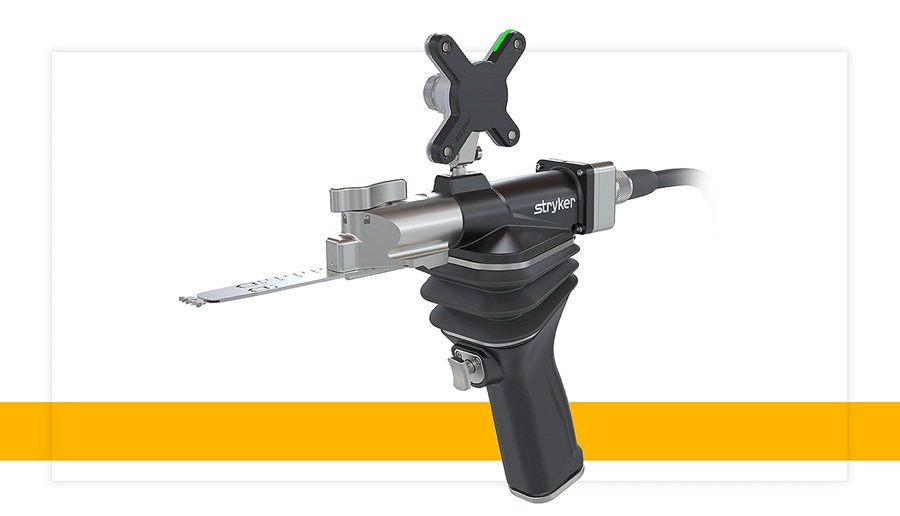

Patient Care
view channel
Wearable Sleep Data Predict Adherence to Pulmonary Rehabilitation
Chronic obstructive pulmonary disease (COPD) is a long-term lung disorder that makes breathing difficult and often disturbs sleep, reducing energy for daily activities. Limited engagement in pulmonary... Read more
Revolutionary Automatic IV-Line Flushing Device to Enhance Infusion Care
More than 80% of in-hospital patients receive intravenous (IV) therapy. Every dose of IV medicine delivered in a small volume (<250 mL) infusion bag should be followed by subsequent flushing to ensure... Read more

Health IT
view channel
EMR-Based Tool Predicts Graft Failure After Kidney Transplant
Kidney transplantation offers patients with end-stage kidney disease longer survival and better quality of life than dialysis, yet graft failure remains a major challenge. Although a successful transplant... Read more
Printable Molecule-Selective Nanoparticles Enable Mass Production of Wearable Biosensors
The future of medicine is likely to focus on the personalization of healthcare—understanding exactly what an individual requires and delivering the appropriate combination of nutrients, metabolites, and... Read more


Business
view channel
GE HealthCare Leads Major European Initiative to Advance Cardio-Oncology Care
Cardiovascular complications are increasingly recognized among people undergoing or recovering from cancer treatment, driven by pre‑existing disease and the cardiotoxic effects of chemotherapy, radiotherapy,... Read more

