






New Diagnostic Test 1,000 Times More Sensitive than Conventional Tests
|
By HospiMedica International staff writers Posted on 13 Feb 2023 |


|

A key challenge in the field of infectious disease diagnostics is to quickly find out if a patient has a bacterial infection and needs antibiotics or has a viral infection for which antibiotics are not effective. Despite significant advances made in infectious disease diagnostics, there is still a need for simple, rapid and sensitive tests that can provide quantitative information and can be employed in sophisticated laboratories or in the field. In their effort to overcome the limitations of point-of-care diagnostic tests, researchers have now developed ultrabright fluorescent nanolabels called plasmonic-fluors, which can be quickly integrated into the lateral flow assay (LFA), a common testing platform. Plasmon-enhanced LFAs (p-LFAs) improve inexpensive, readily available rapid tests to the levels of sensitivity required by physicians for confidence in test results without the need for lab-based confirmation.
The p-LFAs designed by the research team at Washington University in St. Louis (WUSTL, St. Louis, MO, USA) are 1,000 times more sensitive than conventional LFAs, which show results via a visual color and fluorescence signal on the strip. When analyzed using a fluorescence scanner, p-LFAs are also significantly faster than gold-standard lab tests and return results within just 20 minutes instead of several hours, with equal or improved sensitivity. The p-LFAs can detect and quantify concentrations of proteins, enabling them to detect bacterial and viral infections as well as markers of inflammation that indicate other diseases. The improved testing capability fulfills the present need for quick and reliable test results and also eliminates the risk of false negatives. After proving that p-LFAs can outperform standard lab tests in sensitivity, speed, convenience and cost for one disease, the researchers now plan to develop new applications for the technology, including identifying bacterial versus viral infections and making their diagnostic tool accessible to physicians across the world.
“Our p-LFAs can pick up even very small concentrations of antibodies and antigens, typical markers of infection, and give clinicians clear, quick results without the need for specialized equipment,” explained Srikanth Singamaneni, a professor of mechanical engineering and materials science at the McKelvey School of Engineering at WUSTL. “For quantitative testing beyond the initial screening, the same LFA strip can be scanned with a fluorescence reader, enabling rapid and ultrasensitive colorimetric and fluorometric detection of disease markers with only one test.”
“We expect to have p-LFAs commercially available in the next one to two years,” Singamaneni said. “Right now, we’re working on improving our portable scanner technology, which adds a more sensitive, fluorescent reading capability to the test strips in addition to the color change that can be seen with the naked eye. We think we can get that cost down to a point where it’s accessible to rural clinics in the U.S. and abroad, which was one of our original goals.”
“We’re also excited about the potential to detect many more diseases than COVID, possibly using a skin patch that can take a painless sample,” Singamaneni added. “This technology has the potential to detect any number of diseases, ranging from STIs to respiratory infections and more, as well as cytokines indicative of inflammation seen in conditions such as rheumatoid arthritis and sepsis.”
Related Links:
WUSTL





Latest Point of Care News
Channels
Artificial Intelligence
view channel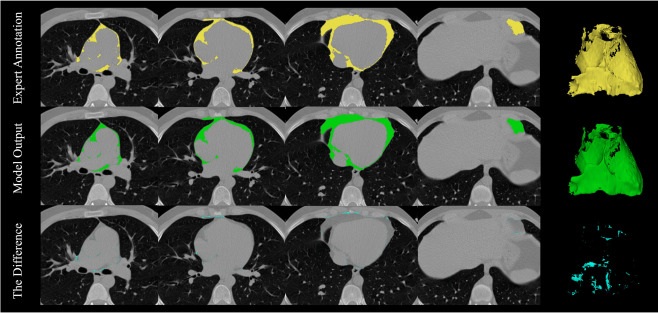
AI Analysis of Pericardial Fat Refines Long-Term Heart Disease Risk
Accurately identifying long-term cardiovascular disease risk in asymptomatic adults remains challenging for clinicians. Missed or underestimated risk delays preventive therapy and increases the chance... Read more
Machine Learning Approach Enhances Liver Cancer Risk Stratification
Hepatocellular carcinoma, the most common form of primary liver cancer, is often detected late despite targeted surveillance programs. Current screening guidelines emphasize patients with known cirrhosis,... Read more

Critical Care
view channel
Noninvasive Monitoring Device Enables Earlier Intervention in Heart Failure
Hospitalizations for heart failure with preserved ejection fraction (HFpEF) remain common because lung congestion often worsens before symptoms prompt treatment changes. Missed early decompensation... Read more
Automated IV Labeling Solution Improves Infusion Safety and Efficiency
Medication administration in high-acuity settings is often complicated by multiple concurrent infusions, making accurate line identification essential. In a 10-hospital intensive care unit study, 60% of... Read more

Surgical Techniques
view channel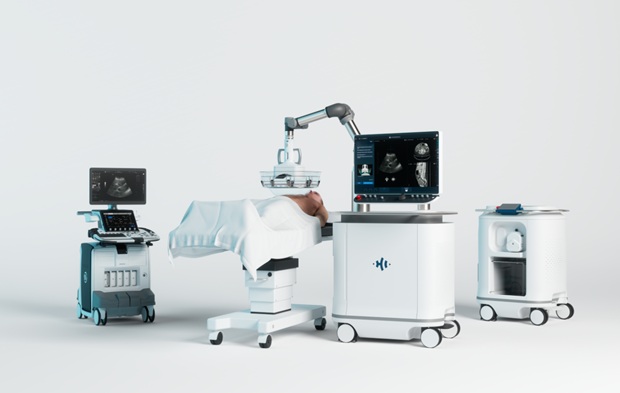
Ultrasound Technology Aims to Replace Invasive BPH Procedures
Benign prostatic hyperplasia (BPH) is a frequent cause of lower urinary tract symptoms in aging men and often requires invasive procedures or prolonged recovery. With prevalence expected to rise as populations... Read more
Continuous Monitoring with Wearables Enhances Postoperative Patient Safety
Postoperative hypoxemia on general surgical wards is common and often missed by intermittent vital sign checks. Undetected low oxygen levels can delay recovery and raise the risk of complications that... Read more
Patient Care
view channel
Wearable Sleep Data Predict Adherence to Pulmonary Rehabilitation
Chronic obstructive pulmonary disease (COPD) is a long-term lung disorder that makes breathing difficult and often disturbs sleep, reducing energy for daily activities. Limited engagement in pulmonary... Read more
Revolutionary Automatic IV-Line Flushing Device to Enhance Infusion Care
More than 80% of in-hospital patients receive intravenous (IV) therapy. Every dose of IV medicine delivered in a small volume (<250 mL) infusion bag should be followed by subsequent flushing to ensure... Read more

Health IT
view channel
EMR-Based Tool Predicts Graft Failure After Kidney Transplant
Kidney transplantation offers patients with end-stage kidney disease longer survival and better quality of life than dialysis, yet graft failure remains a major challenge. Although a successful transplant... Read more
Printable Molecule-Selective Nanoparticles Enable Mass Production of Wearable Biosensors
The future of medicine is likely to focus on the personalization of healthcare—understanding exactly what an individual requires and delivering the appropriate combination of nutrients, metabolites, and... Read more

Business
view channel
GE HealthCare Leads Major European Initiative to Advance Cardio-Oncology Care
Cardiovascular complications are increasingly recognized among people undergoing or recovering from cancer treatment, driven by pre‑existing disease and the cardiotoxic effects of chemotherapy, radiotherapy,... Read more

