






Quick, Affordable Finger-Prick Test Diagnoses Common STI in Five Minutes
|
By HospiMedica International staff writers Posted on 28 Mar 2023 |


|
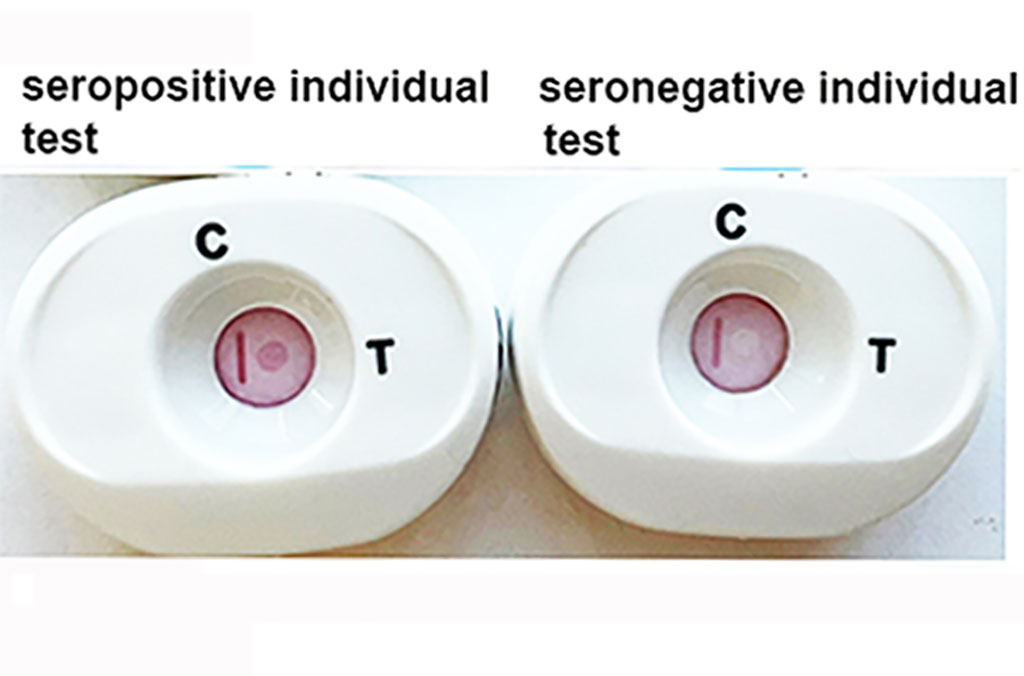
Trichomonas vaginalis, commonly referred to as trich, is a sexually transmitted infection that is highly prevalent but often overlooked. Despite being more prevalent than chlamydia or gonorrhea, around 70% of those infected with trich show no symptoms. Nevertheless, even asymptomatic cases of trich are linked to various negative health outcomes, such as increased vulnerability to HIV, prostate cancer in men, and infertility and pregnancy complications in women. Fortunately, trich can be easily treated with the drug metronidazole, provided that it is properly diagnosed. However, trich is frequently only diagnosed when symptoms manifest, including genital itchiness and burning sensation during urination. The current testing methods used to diagnose trich are primarily geared toward women and involve a vaginal swab. These tests require specialized equipment and trained personnel and may take time to generate results. Recently approved alternative methods by the Food and Drug Administration have similar limitations.
Researchers at Washington State University (Pullman, WA, USA) have developed a finger-prick test for diagnosing trich that is both affordable and fast. The test can deliver results in just five minutes and can be produced for under USD 20. To conduct the test, the researchers utilized MedMira Inc.’s (Halifax, NS, Canada) diagnostic platform which detects the antibody to the target protein in a drop of blood. Specifically, the test is designed to identify the antibody specific to trich, which is produced by both men and women when they are infected. The researchers had previously discovered this biomarker, an alpha-actinin protein called ACT::SOE3 unique to the organism, in an earlier study.
The test results for trich are displayed in a window similar to COVID-19 and pregnancy tests, with a dot appearing if the antibody is present, indicating infection. The point-of-care diagnostic test will enable immediate treatment and cure for those who test positive, and does not require specialized equipment or training to administer. In developing the test, the researchers aimed to meet the World Health Organization's "ASSURED" standards for disease detection, which require a test to be affordable, sensitive, specific, user-friendly, rapid, robust, equipment-free, and deliverable to end-users. Since trich is a global problem, with an estimated 156 million new cases reported annually, the researchers hope their test can be utilized in many low-resource countries, particularly in places like Africa, where trich is suspected to contribute to the spread of HIV.
“We know a lot about the biology of this organism,” said John Alderete, WSU researcher and the study’s lead author who has been working for years to improve testing for trich and make it more accessible. “There probably will never be a vaccine for trich simply because the organism is well equipped to evade our immune responses. But I’d argue we don’t need a vaccine. We just need to diagnose people, and once diagnosed, they can be cured.”
Related Links:
Washington State University
MedMira





Latest Point of Care News
Channels
Artificial Intelligence
view channel
Machine Learning Approach Enhances Liver Cancer Risk Stratification
Hepatocellular carcinoma, the most common form of primary liver cancer, is often detected late despite targeted surveillance programs. Current screening guidelines emphasize patients with known cirrhosis,... Read more
New AI Approach Monitors Brain Health Using Passive Wearable Data
Brain health spans cognitive and emotional functions and can fluctuate even in adults without diagnosed disease. Detecting early changes remains difficult in routine care and burdens specialty services... Read more

Critical Care
view channel
Automated IV Labeling Solution Improves Infusion Safety and Efficiency
Medication administration in high-acuity settings is often complicated by multiple concurrent infusions, making accurate line identification essential. In a 10-hospital intensive care unit study, 60% of... Read more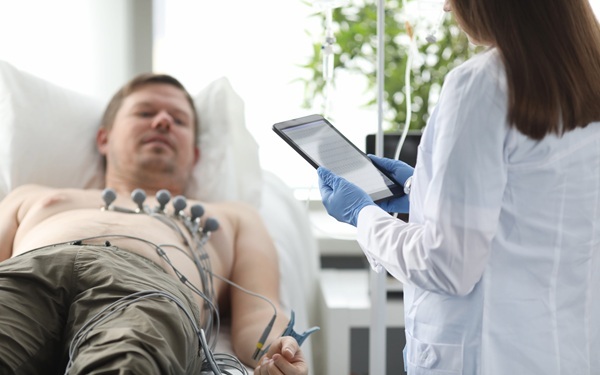
First-Of-Its-Kind AI Tool Detects Pulmonary Hypertension from Standard ECGs
Pulmonary hypertension is a progressive, life‑threatening disease that is frequently missed early because symptoms such as dyspnea are nonspecific and diagnostic delays can exceed two years.... Read more
Surgical Techniques
view channel
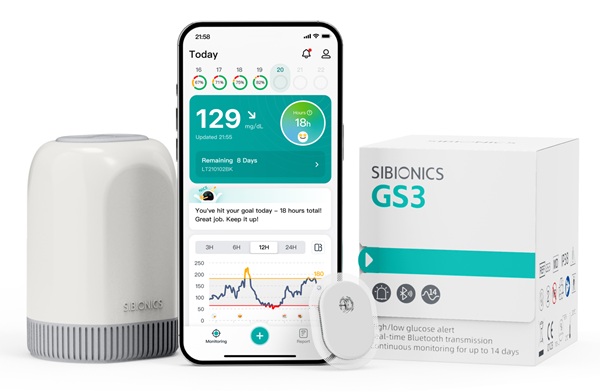
Continuous Monitoring with Wearables Enhances Postoperative Patient Safety
Postoperative hypoxemia on general surgical wards is common and often missed by intermittent vital sign checks. Undetected low oxygen levels can delay recovery and raise the risk of complications that... Read more
New Approach Enables Customized Muscle Tissue Without Biomaterial Scaffolds
Volumetric muscle loss is a traumatic loss of skeletal muscle that often leads to permanent functional impairment and limited reconstructive options. Current experimental strategies struggle to deliver... Read more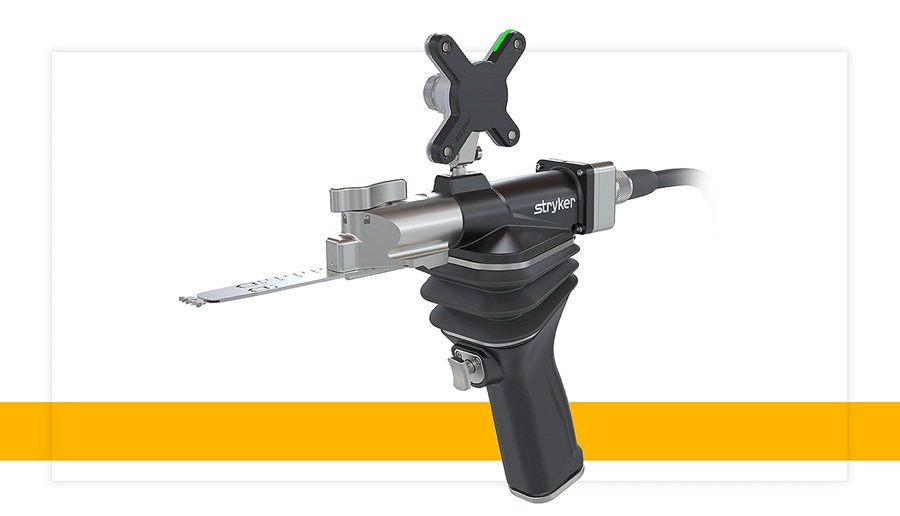
Patient Care
view channel
Wearable Sleep Data Predict Adherence to Pulmonary Rehabilitation
Chronic obstructive pulmonary disease (COPD) is a long-term lung disorder that makes breathing difficult and often disturbs sleep, reducing energy for daily activities. Limited engagement in pulmonary... Read more
Revolutionary Automatic IV-Line Flushing Device to Enhance Infusion Care
More than 80% of in-hospital patients receive intravenous (IV) therapy. Every dose of IV medicine delivered in a small volume (<250 mL) infusion bag should be followed by subsequent flushing to ensure... Read more

Health IT
view channel
EMR-Based Tool Predicts Graft Failure After Kidney Transplant
Kidney transplantation offers patients with end-stage kidney disease longer survival and better quality of life than dialysis, yet graft failure remains a major challenge. Although a successful transplant... Read more
Printable Molecule-Selective Nanoparticles Enable Mass Production of Wearable Biosensors
The future of medicine is likely to focus on the personalization of healthcare—understanding exactly what an individual requires and delivering the appropriate combination of nutrients, metabolites, and... Read more

Business
view channel
GE HealthCare Leads Major European Initiative to Advance Cardio-Oncology Care
Cardiovascular complications are increasingly recognized among people undergoing or recovering from cancer treatment, driven by pre‑existing disease and the cardiotoxic effects of chemotherapy, radiotherapy,... Read more

