






Game Changing Immunoassay Platform Redefines POC Diagnostics on Every Level
|
By HospiMedica International staff writers Posted on 21 Apr 2023 |


|
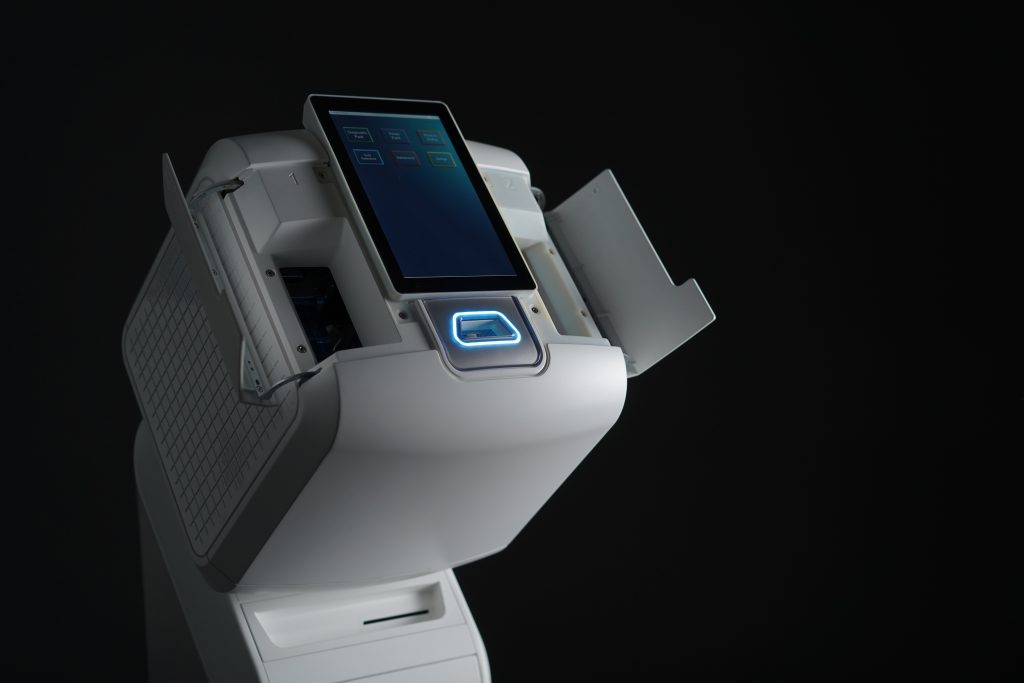
In vitro diagnostics (IVD) play a vital role in primary care and in diagnosing and treating cancer, cardiac dysfunction, and infectious diseases (such as HIV/AIDS, TB, malaria, coronavirus, etc.). IVDs are more crucial than ever for early detection, treatment decisions, and health outcomes. However, limited diagnostic capacity in resource-poor settings remains a significant obstacle to achieving treatment goals. Now, a groundbreaking technology has the potential to vastly expand access to IVD worldwide.
Most existing point-of-care (POC) diagnostic technologies follow a "one test, one patient" model. These POC IVDs are designed to perform a single test and can only analyze one sample at a time, making them too expensive and unaffordable for the people and communities that need them most. B-Matrix, an innovative immunoassay diagnostics platform from Picodya Technologies (Rehovot, Israel), is revolutionizing POC diagnostics on every front.
With just a few drops of blood, B-Matrix can conduct a panel of tests and analytes by generating thousands of picoliter (10-12) marker droplets, simultaneously performing a panel of tests and analyses for multiple patients. Results are available within minutes at an affordable cost per test that is at least one order of magnitude lower than existing POC solutions.
Compact and easy to use, B-Matrix is perfect for widespread deployment worldwide in medical centers, field hospitals, community clinics, research institutes, mass serological testing, home care, and more. This affordable, cost-effective unified technological platform enables a variety of test panels, making diagnostics more accessible to those who need it the most.
Related Links:
Picodya Technologies





Latest Point of Care News
Channels
Artificial Intelligence
view channel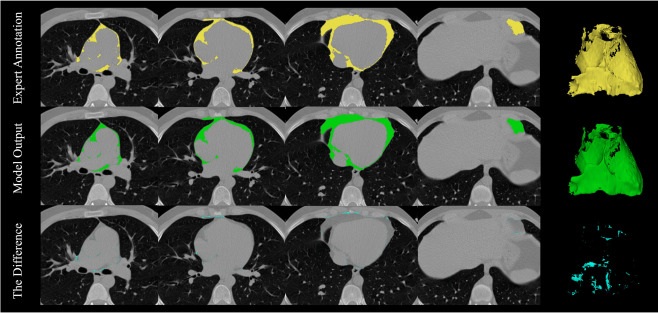
AI Analysis of Pericardial Fat Refines Long-Term Heart Disease Risk
Accurately identifying long-term cardiovascular disease risk in asymptomatic adults remains challenging for clinicians. Missed or underestimated risk delays preventive therapy and increases the chance... Read more
Machine Learning Approach Enhances Liver Cancer Risk Stratification
Hepatocellular carcinoma, the most common form of primary liver cancer, is often detected late despite targeted surveillance programs. Current screening guidelines emphasize patients with known cirrhosis,... Read more

Critical Care
view channel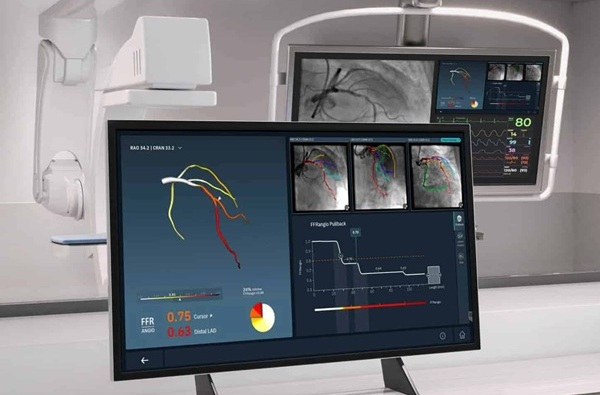
Angiography-Based FFR Approach Matches Gold Standard Results Without Wires
Accurately determining whether a coronary stenosis limits blood flow is essential to guide percutaneous coronary intervention, yet wire-based physiologic testing remains underused due to added procedural... Read more
Eye Imaging AI Identifies Elevated Cardiovascular Risk
Many adults at risk for atherosclerotic cardiovascular disease are not identified until they undergo formal primary care assessment. Delayed risk recognition can postpone initiation of statins and lifestyle... Read more

Surgical Techniques
view channel
Fiber-Form Bone Graft Expands Intraoperative Options for Spinal Fusion
Spinal and orthopedic fusion procedures often require bone graft materials that handle predictably and support bone formation. Surgeons face added complexity in difficult anatomy and challenging fusion environments.... Read more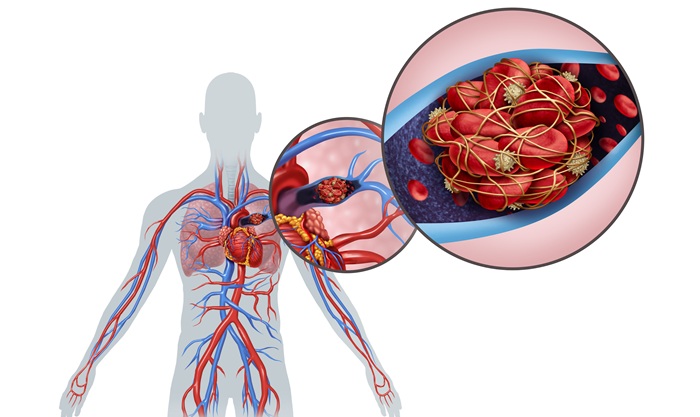
Ultrasound‑Aided Catheter Treatment Cuts Early Collapse in Pulmonary Embolism
Acute pulmonary embolism can cause rapid hemodynamic deterioration and early death in hospitalized and emergency patients. Systemic thrombolysis can dissolve clots but is limited by a high risk of major... Read more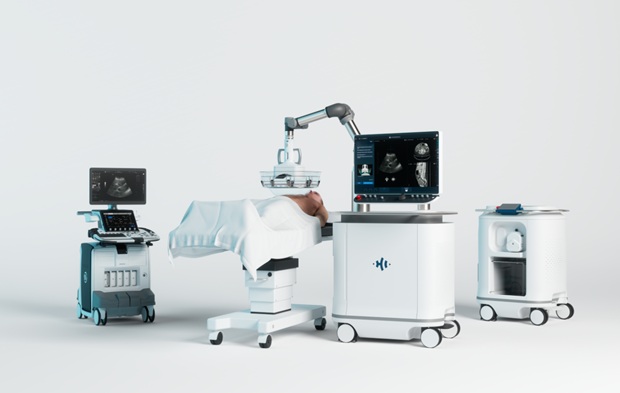

Patient Care
view channel
Wearable Sleep Data Predict Adherence to Pulmonary Rehabilitation
Chronic obstructive pulmonary disease (COPD) is a long-term lung disorder that makes breathing difficult and often disturbs sleep, reducing energy for daily activities. Limited engagement in pulmonary... Read more
Revolutionary Automatic IV-Line Flushing Device to Enhance Infusion Care
More than 80% of in-hospital patients receive intravenous (IV) therapy. Every dose of IV medicine delivered in a small volume (<250 mL) infusion bag should be followed by subsequent flushing to ensure... Read more

Health IT
view channel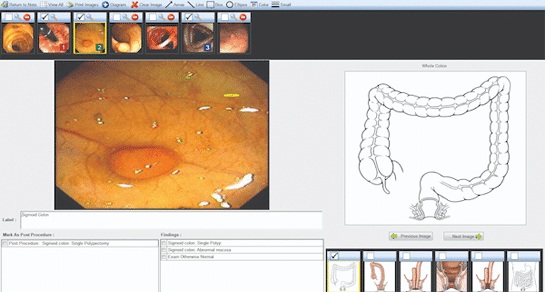
Voice-Driven AI System Enables Structured GI Procedure Documentation
Documentation during gastrointestinal (GI) procedures often competes with real-time clinical decision-making and imposes a significant cognitive burden on physicians. Manual data entry and post-procedure... Read more
EMR-Based Tool Predicts Graft Failure After Kidney Transplant
Kidney transplantation offers patients with end-stage kidney disease longer survival and better quality of life than dialysis, yet graft failure remains a major challenge. Although a successful transplant... Read more
Printable Molecule-Selective Nanoparticles Enable Mass Production of Wearable Biosensors
The future of medicine is likely to focus on the personalization of healthcare—understanding exactly what an individual requires and delivering the appropriate combination of nutrients, metabolites, and... Read more
Business
view channel
GE HealthCare Leads Major European Initiative to Advance Cardio-Oncology Care
Cardiovascular complications are increasingly recognized among people undergoing or recovering from cancer treatment, driven by pre‑existing disease and the cardiotoxic effects of chemotherapy, radiotherapy,... Read more

