Single Automated Analyzer to Bring Full Suite of Diagnostics to Wherever Patients Are
|
By HospiMedica International staff writers Posted on 04 May 2023 |


|

Timely and accurate diagnostics can enhance patient care by making it more informed, personalized, and proactive. Now, a novel platform that delivers swift results using minimal blood volumes incorporates technology that facilitates automation and adaptable form factors outside centralized labs, bridging the gap between diagnostics and treatment.
Vital Biosciences Inc. (Mississauga, ON, Canada) is developing a single automated device designed to provide a comprehensive range of diagnostics directly to patients. The company's technology strives to make healthcare significantly more personalized, proactive, and accessible. With only 600 uL of blood, the platform can measure 50+ of the most commonly requested biomarkers in primary care within 20 minutes, without compromising analytical performance. The instrument employs an automated microfluidic workflow to simultaneously run three subsystems: hematology, clinical chemistry, and immunoassays. The platform quantifies the complete panel of biomarkers using on-board optical readers and automated sample preparation and measurement procedures that require minimal user input. This makes the platform suitable for use in CLIA-waived settings.
Vital's initial menu caters to a broad range of potential use cases for the general population, including inflammation, cardiac markers, diabetes, liver disorders, lipid disorders, post-acute event monitoring, clinical trial monitoring, chronic disease management, and proactive lifestyle management. The company aims to create a comprehensive menu that covers 100% of the tests needed for at least 90% of patients, thereby eliminating the need to send tests to a centralized lab. Patients would no longer need to travel to a draw site or ship their samples to a centralized laboratory, nor wait for days to discuss their results with their healthcare provider. Patients who are likely to require bloodwork can provide their sample at check-in and receive results during their initial appointment. Bridging this care gap will make diagnostics more accessible and accelerate clinical decision-making.
Related Links:
Vital Biosciences Inc.







Latest Point of Care News
- Continuous Glucose Monitoring Identifies Cardiometabolic Risk in Adults Without Diabetes
- Microneedle Patch Enables At-Home Monitoring of Acute Kidney Injury
- Ultrathin Metasurface Could Bring Quantitative Phase Imaging to Portable Devices
- Rapid Onsite Testing Reduces Emergency Department Transfers in Long-Term Care
- New Brain Ultrasound Platform Enables Bedside Postoperative Imaging
- Handheld Ultrasound Expands Point-of-Care Imaging Access in Brazil
- AI Dermatology Platform Targets Early Detection of Non-Melanoma Skin Cancer
- Handheld AI Device for Point-of-Care Skin Lesion Assessment Receives CE Mark
- Portable Immunoassay System Advances Toward Point-of-Care Biomarker Testing
- Portable MRI System Accelerates Emergency Brain Imaging and Triage
- Point-of-Care Viscoelastic Testing System Supports Obstetric Bleeding Management
- Portable MRI System Gains CE Mark for Point-of-Care Brain Imaging
Channels
Artificial Intelligence
view channel
Explainable AI Dermoscopy Tool Supports Risk Assessment for Skin Cancer
Skin lesions can be difficult to triage when benign and malignant findings share visual features, leaving clinicians uncertain about whether to recommend biopsy or continued monitoring. These decisions... Read more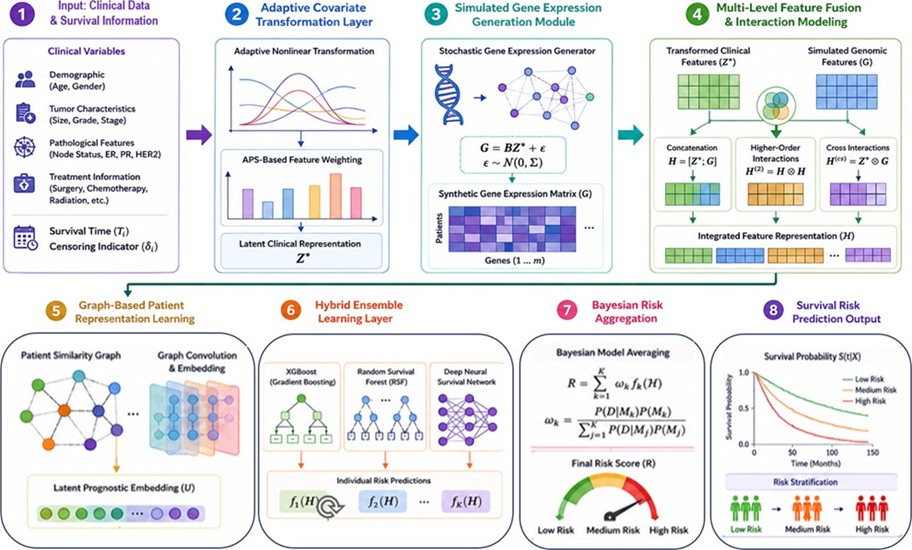
AI Model Improves Breast Cancer Survival Prediction
Predicting survival in breast cancer can be challenging because outcomes are influenced by a combination of clinical, biological, and genetic factors. Traditional survival models can estimate risk but... Read more
Critical Care
view channel
U.S. Launch Expands Kidney Replacement Therapy Options With Integrated Anticoagulation
Critically ill patients with acute kidney injury often require continuous kidney replacement therapy in intensive care units. During these extracorporeal treatments, careful anticoagulation management... Read more
Noninvasive Brain-Computer Interface Enables Responses in Some Unresponsive ICU Patients
Cognitive motor dissociation occurs when patients retain signs of consciousness but cannot move or speak to communicate. In the ICU, this hidden consciousness can be difficult to distinguish from coma... Read more
Surgical Techniques
view channel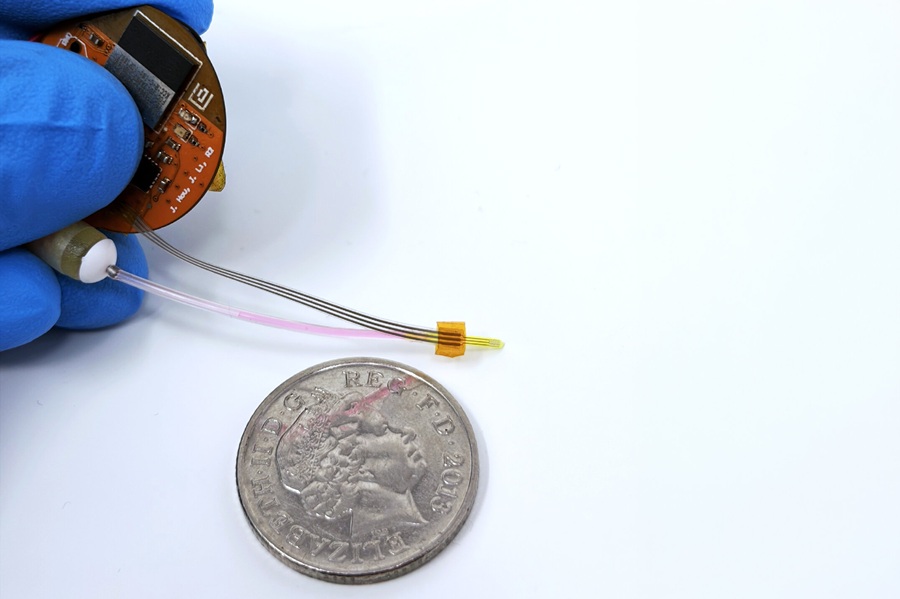
Implantable Ultrasound Device Enhances Local Drug Delivery in Glioblastoma
Glioblastoma is an aggressive brain tumor that frequently recurs after surgery. Although surgeons can remove visible tumor tissue, residual cancer cells may remain in surrounding brain tissue and contribute... Read more
Miniature Image Sensor Enables Digital Imaging in Single-Use Endoscopes
Disposable single-use endoscopes are increasingly used to help reduce infection risk and the burden of post-procedure reprocessing and equipment management. As insertion sections become thinner, endoscopic... Read more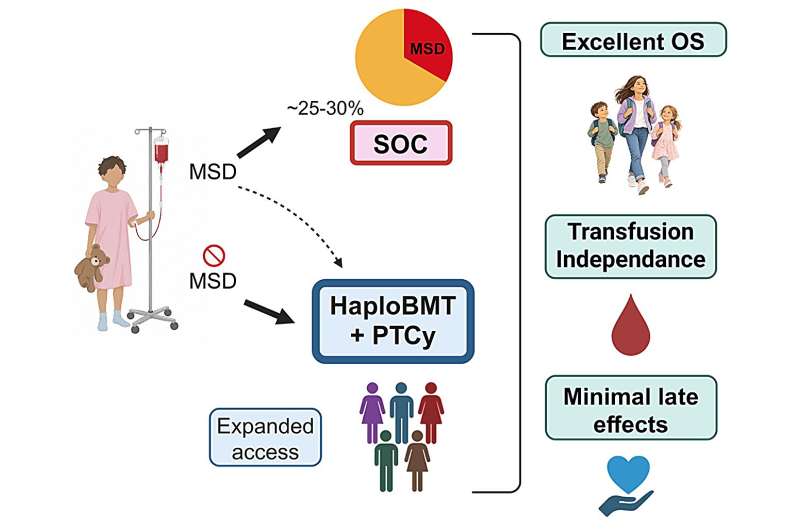
Half-Matched Family Donors Could Expand Transplant Access for Severe Aplastic Anemia
Severe aplastic anemia is a rare, life-threatening disorder in which the bone marrow fails to produce enough healthy blood cells, leaving children and young adults vulnerable to anemia, infection, and bleeding.... Read more
Patient Care
view channel
Expert Review Outlines Diagnosis and Treatment of Recurrent Catheter Infections
Patients who rely on long-term intravenous catheters for chemotherapy, hemodialysis, intravenous nutrition, and other essential therapies remain at risk of catheter-related bloodstream infections.... Read more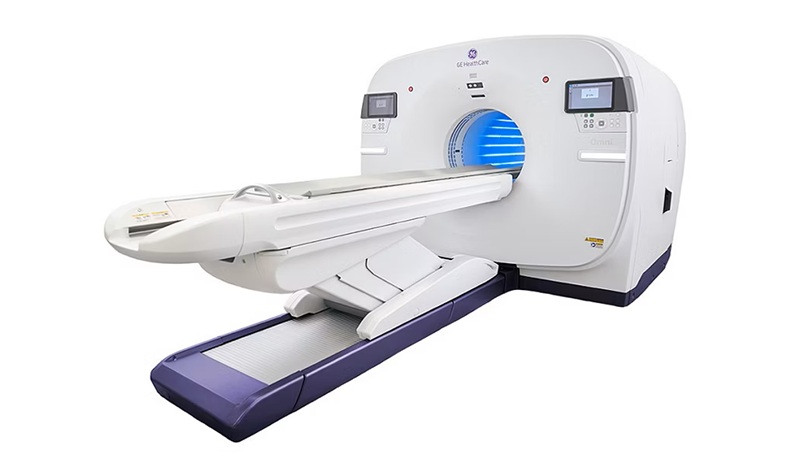
Total-Body PET/CT Scanner Enables One-Minute Diagnostic-Quality Cancer Imaging
Positron emission tomography/computed tomography (PET/CT) combines radiotracer-based functional imaging with anatomical detail to diagnose, stage, and monitor cancer. Conventional scanners image the body... Read more

Medical Imaging
view channel
Routine CT Body Composition Tool Helps Identify Early Pancreatic Cancer Risk
Pancreatic ductal adenocarcinoma (PDAC), the most common type of pancreatic cancer, often goes undetected until it has spread. Surveillance programs primarily target people with inherited genetic risk... Read more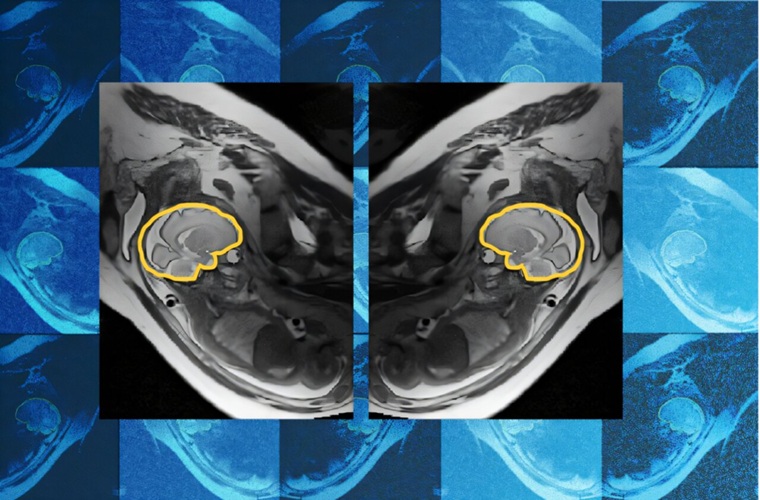
AI Tool Improves Fetal MRI for Brain Abnormality Diagnosis
Fetal brain abnormalities can be difficult to diagnose before birth when fetal motion reduces imaging quality. Routine ultrasound may flag a possible abnormality, prompting follow-up fetal MRI, but head... Read more
AI Model Detects Hidden Disease Signals in Routine CT Scans
Computed tomography (CT) scans are often performed to answer a specific diagnostic question, which can leave other potentially important findings outside the immediate clinical focus. As a result, opportunities... Read more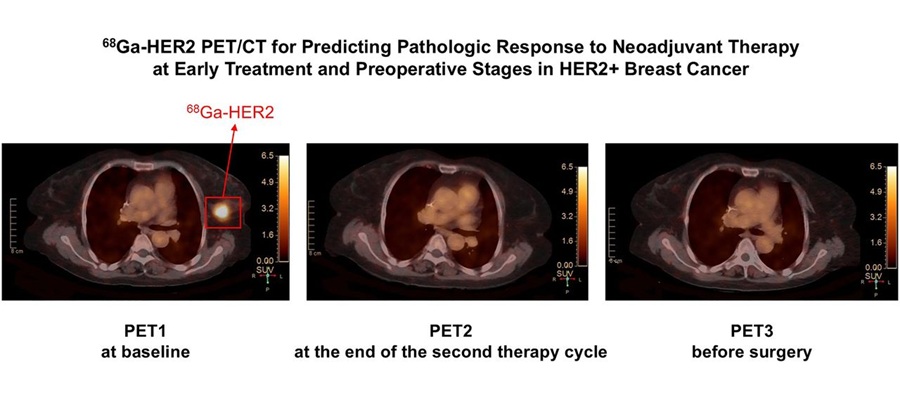
Targeted PET/CT Predicts Early Treatment Response in HER2-Positive Breast Cancer
HER2-positive breast cancer is an aggressive subtype that accounts for a substantial proportion of breast cancer cases. Patients often receive neoadjuvant therapy before surgery to shrink tumors, but assessing... Read moreHealth IT
view channel
Clinical Decision Support Tool Automates CKD Risk Assessment in Primary Care
Chronic kidney disease (CKD) requires timely diagnosis, risk assessment, and coordinated treatment in primary care. Delayed recognition can affect decisions about testing, blood pressure control, cardiovascular... Read more
EHR Alerts Support Dosing, Sedation, and Shock Recognition in Cardiac Care
Electronic health record alerts can add to clinician workload when they are poorly targeted. In critical cardiac care, however, delayed decisions can affect treatment timing, sedation exposure, and escalation... Read more
Business
view channel
Steris to Expand Surgical Safety Portfolio With $2.1 Billion Xodus Medical Deal
Steris has signed a definitive agreement to acquire Xodus Medical, a specialty surgical products business based in Pennsylvania, for $2.1 billion at closing. The acquisition will expand Steris’s healthcare... Read more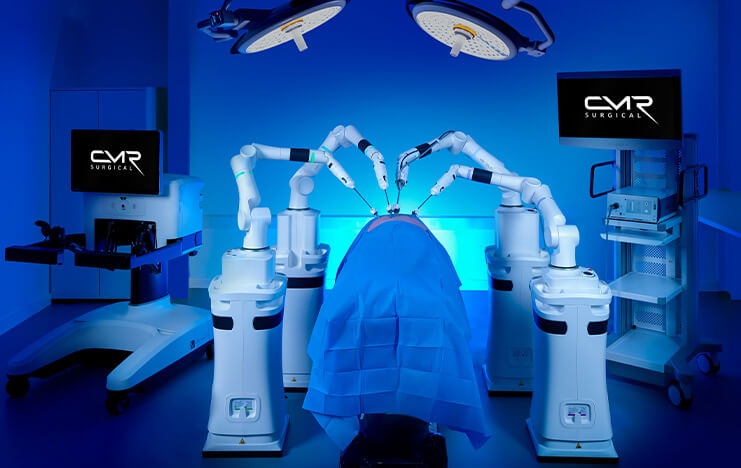
Stryker Enters Soft-Tissue Robotics Through Strategic Alliance With CMR Surgical
Stryker (Portage, MI, USA) and CMR Surgical (Cambridge, UK) have announced a strategic alliance centered on the Versius Surgical Robotic portfolio. The agreement includes an approximately USD 400 million... Read more
Terumo Neuro Acquisition Advances Liquid Embolic Technology for Chronic Subdural Hematoma
Terumo Neuro (Aliso Viejo, CA, USA) signed an agreement to acquire Arsenal Medical Inc. (Waltham, MA, USA), a privately held, clinical-stage biomaterials company. The proposed acquisition would add NeoCast,... Read more