






DNA Test Detects Esophageal Precancer and Cancer at POC without Endoscopy
|
By HospiMedica International staff writers Posted on 12 May 2023 |


|

Gastroesophageal reflux disease (GERD), a medical condition commonly referred to as chronic heartburn, is characterized by the upward movement of digestive liquid from the stomach into the esophagus, leading to inflammation of the esophageal lining. Millions of individuals who experience this condition face the potential risk of progressing toward precancerous conditions and, subsequently, esophageal cancer. Chronic heartburn could also be indicative of a more serious condition known as Barrett's Esophagus (BE), which places individuals at a heightened risk of developing esophageal adenocarcinoma (EAC) - a lethal cancer type. The early identification and diagnosis of BE and precancerous cells can lead to timely treatment, averting the onset of fatal esophageal cancer. However, the current screening process for BE involves endoscopy - an invasive, expensive procedure that is not regularly employed. Now, a revolutionary non-invasive, office-based DNA test uses advanced molecular diagnostic techniques to assess signature epigenetic changes indicative of BE and EAC in at-risk GERD patients.
Lucid Diagnostics Inc.’s (New York, NY, USA) EsoGuard esophageal DNA test analyzes 31 methylated biomarkers to detect BE and EAC with over 90% sensitivity and specificity. The test examines individual DNA molecules for the presence or absence of cytosine methylation at 31 different genomic positions. EsoGuard offers a five-minute procedure that enables the detection of BE and EAC without the need for endoscopy. During the procedure, cells are collected from the patient's esophagus by having the patient swallow a capsule attached to a thin catheter until it reaches the stomach. The balloon within the capsule is then inflated and gently withdrawn until resistance indicates its position at the GEJ, where target cell collection begins. Following the completion of cell collection, the gathered cells are pulled into the capsule to prevent dilution and contamination during device retrieval. The balloon with the sampled cells is then placed in a preservation solution for transport to a diagnostic testing facility.
EsoGuard continues to exhibit superior detection capabilities for esophageal precancer and cancer, including in the most common and challenging precancer subgroup—short segment non-dysplastic BE. In the most recent clinical study involving the EsoGuard esophageal DNA test, 69 patients underwent non-endoscopic esophageal precancer biomarker testing. The test was followed by a confirmatory upper endoscopy as part of a prospective investigator-initiated clinical trial. The sensitivity of EsoGuard was recorded at 100%, and it accurately identified all seven patients with endoscopically confirmed esophageal precancer or cancer. Six of these patients had early precancerous non-dysplastic BE—four with short segment BE and two with long-segment BE. The seventh patient was diagnosed with previously undetected Stage III esophageal cancer (adenocarcinoma) and was treated with chemotherapy and radiation. The estimated negative predictive value (NPV) and positive predictive value (PPV) were 100% and 37%, respectively, based on the expected prevalence in a screening population, aligning with the generally accepted standards for a widespread screening tool.
“EsoGuard's overall sensitivity remains excellent, including the detection of one patient with silent esophageal cancer; it's performance in short segment BE—the most prevalent esophageal precancer subgroup and most challenging to detect—is particularly impressive,” said Suman Verma, M.D., Ph.D., Lucid Senior Vice President, and Chief Scientific Officer. “This success can be attributed to EsoGuard's unrivaled ability to detect even the earliest epigenetic changes in esophageal precancer, as well as EsoCheck's proprietary Collect+Protect technology's ability to provide anatomically precise, and protected sampling of lower esophageal cells.”
Related Links:
Lucid Diagnostics Inc.





Latest Point of Care News
Channels
Artificial Intelligence
view channel
AI Analysis of Pericardial Fat Refines Long-Term Heart Disease Risk
Accurately identifying long-term cardiovascular disease risk in asymptomatic adults remains challenging for clinicians. Missed or underestimated risk delays preventive therapy and increases the chance... Read more
Machine Learning Approach Enhances Liver Cancer Risk Stratification
Hepatocellular carcinoma, the most common form of primary liver cancer, is often detected late despite targeted surveillance programs. Current screening guidelines emphasize patients with known cirrhosis,... Read more

Critical Care
view channel
Eye Imaging AI Identifies Elevated Cardiovascular Risk
Many adults at risk for atherosclerotic cardiovascular disease are not identified until they undergo formal primary care assessment. Delayed risk recognition can postpone initiation of statins and lifestyle... Read more
Noninvasive Monitoring Device Enables Earlier Intervention in Heart Failure
Hospitalizations for heart failure with preserved ejection fraction (HFpEF) remain common because lung congestion often worsens before symptoms prompt treatment changes. Missed early decompensation... Read more
Surgical Techniques
view channel
Fiber-Form Bone Graft Expands Intraoperative Options for Spinal Fusion
Spinal and orthopedic fusion procedures often require bone graft materials that handle predictably and support bone formation. Surgeons face added complexity in difficult anatomy and challenging fusion environments.... Read more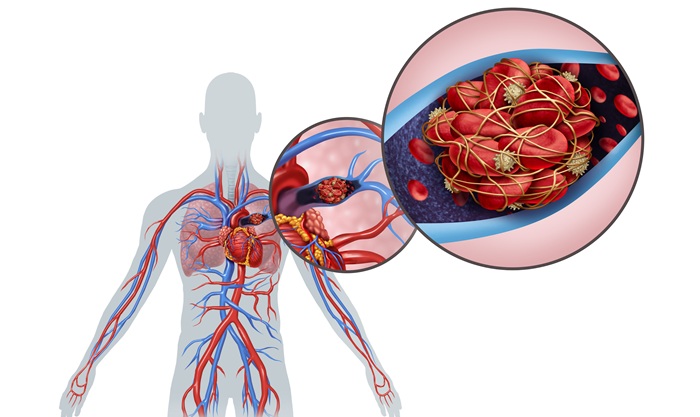
Ultrasound‑Aided Catheter Treatment Cuts Early Collapse in Pulmonary Embolism
Acute pulmonary embolism can cause rapid hemodynamic deterioration and early death in hospitalized and emergency patients. Systemic thrombolysis can dissolve clots but is limited by a high risk of major... Read more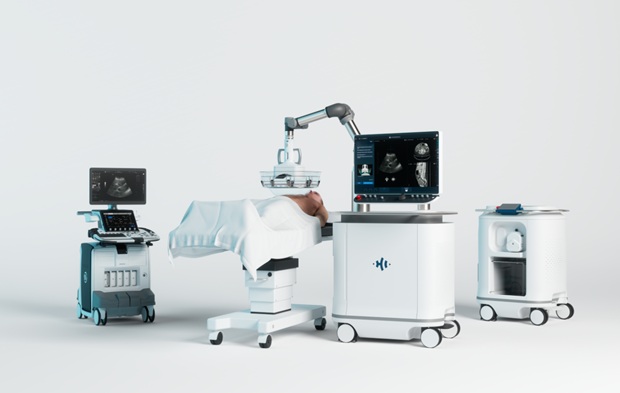

Patient Care
view channel
Wearable Sleep Data Predict Adherence to Pulmonary Rehabilitation
Chronic obstructive pulmonary disease (COPD) is a long-term lung disorder that makes breathing difficult and often disturbs sleep, reducing energy for daily activities. Limited engagement in pulmonary... Read more
Revolutionary Automatic IV-Line Flushing Device to Enhance Infusion Care
More than 80% of in-hospital patients receive intravenous (IV) therapy. Every dose of IV medicine delivered in a small volume (<250 mL) infusion bag should be followed by subsequent flushing to ensure... Read more

Health IT
view channel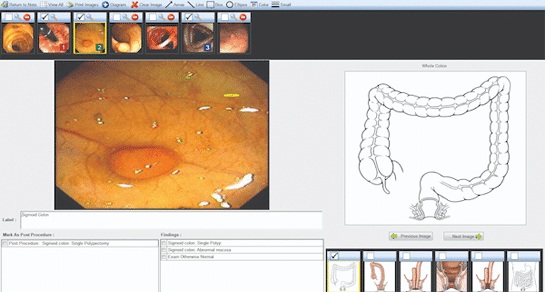
Voice-Driven AI System Enables Structured GI Procedure Documentation
Documentation during gastrointestinal (GI) procedures often competes with real-time clinical decision-making and imposes a significant cognitive burden on physicians. Manual data entry and post-procedure... Read more
EMR-Based Tool Predicts Graft Failure After Kidney Transplant
Kidney transplantation offers patients with end-stage kidney disease longer survival and better quality of life than dialysis, yet graft failure remains a major challenge. Although a successful transplant... Read more
Printable Molecule-Selective Nanoparticles Enable Mass Production of Wearable Biosensors
The future of medicine is likely to focus on the personalization of healthcare—understanding exactly what an individual requires and delivering the appropriate combination of nutrients, metabolites, and... Read more
Business
view channel
GE HealthCare Leads Major European Initiative to Advance Cardio-Oncology Care
Cardiovascular complications are increasingly recognized among people undergoing or recovering from cancer treatment, driven by pre‑existing disease and the cardiotoxic effects of chemotherapy, radiotherapy,... Read more

