






Ingestible Intestinal Capsule Non-Invasively Analyzes Bacteria and Viruses in Digestive System
|
By HospiMedica International staff writers Posted on 12 May 2023 |


|
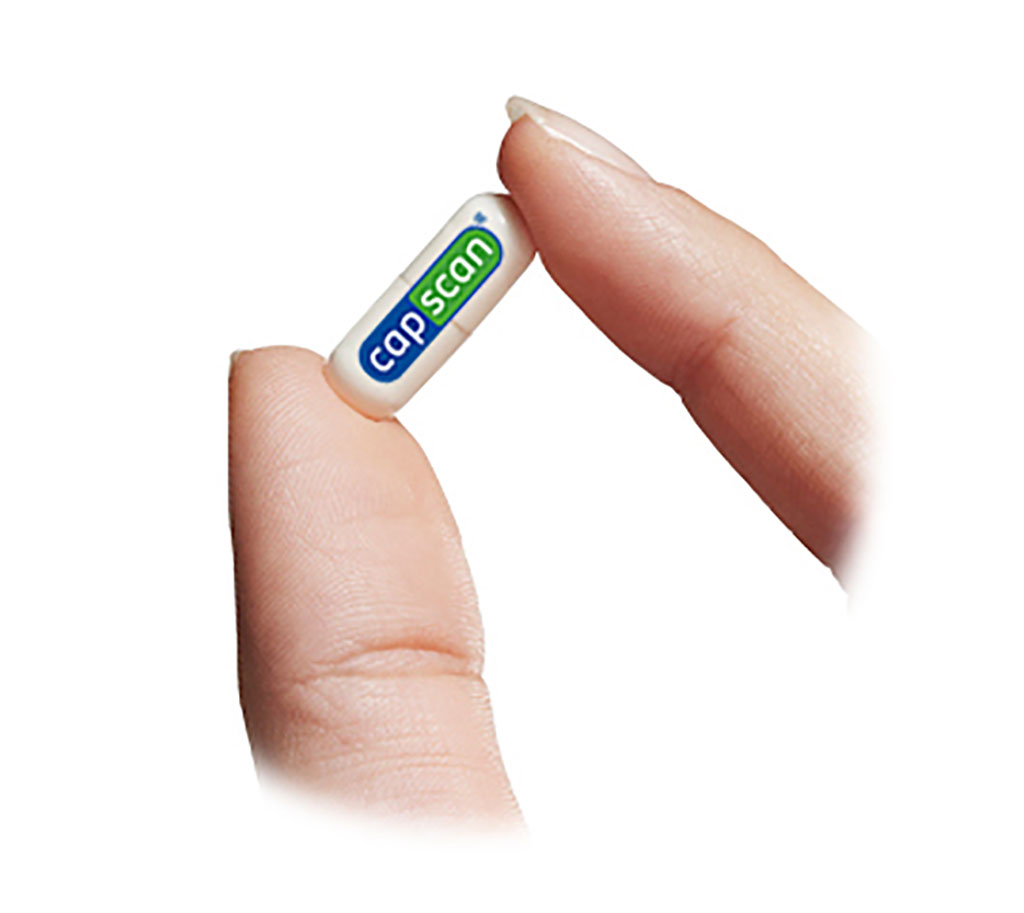
Increasing evidence suggests that the gut microbiome and metabolome play a crucial role in various diseases, as well as in the digestion of food, immune system regulation, and protection against pathogens, all of which have significant implications for human health and disease. Given the regional heterogeneity of the intestinal tract, conventional sampling methods such as endoscopic biopsies and stool collection provide limited insight into how intestinal microbes and metabolites influence human physiology. Now, an innovative intestinal sampling device can non-invasively and accurately profile the human gut microbiome and metabolome under physiological conditions for the first time.
A landmark study by a group of researchers suggests that Envivo Bio Inc.’s (San Francisco, CA, USA) CapScan, the only device of its kind, has the potential to expedite microbiome-related research and biopharmaceutical drug discovery and development initiatives. CapScan is a non-invasive, ingestible collection device approximately the size of a vitamin pill. Each device is equipped with a pH-targeted enteric coating, designed to dissolve at a pre-determined rate based on the unique pH levels of the various regions of the human intestines. Once this coating dissolves, CapScan's internal bladder opens and draws in luminal content, which is then analyzed externally.
In the study, the researchers used CapScan to gather 240 intestinal samples from 15 healthy participants. Each participant swallowed sets of four devices, each designed to open at progressively higher pH levels. After the devices were expelled, the researchers employed multi-omics to examine the vast sets of microbiome, metabolome, and proteome data collected regionally throughout the gastrointestinal tract. The researchers found notable differences, for example, between bile acids in the small intestine and stool samples, which could be scientifically and clinically significant. Moreover, an accompanying study demonstrated the potential for further spatiotemporal profiling of the gut metabolome using CapScan, including differences in dietary and lipid compounds. Collectively, the results from both studies establish the feasibility and usefulness of CapScan for the collection, characterization, and quantification of intestinal microbiota, metabolome, host proteins, and bile acids along the human intestine in a safe and routine manner.
“Measuring gut metabolites in stool is like studying an elephant by examining its tail,” said Dari Shalon, Ph.D., founder and CEO of Envivo Bio. “Most metabolites are made, transformed and utilized higher up in the intestines and don’t even make it into the stool. CapScan gives us a fuller picture of the gut metabolome and its interactions with the gut microbiome for the first time.”
“Our research confirms that, up until now, studies of the gut microbiome have really been studies of the stool microbiome, which missed out on most of the biological activity in our intestinal tract,” added Shalon. “By enabling researchers to sample and assess each of the diverse intestinal ecosystems separately and directly for the first time, CapScan opens the door to a new era of microbiome research.”
Related Links:
Envivo Bio Inc.







Latest Critical Care News
- Noninvasive Monitoring Device Enables Earlier Intervention in Heart Failure
- Automated IV Labeling Solution Improves Infusion Safety and Efficiency
- First-Of-Its-Kind AI Tool Detects Pulmonary Hypertension from Standard ECGs
- 4D Digital Twin Heart Model Improves CRT Outcomes
- AI Turns Glucose Data Into Actionable Insights for Diabetes Care
- Microscale Wireless Implant Tracks Brain Activity Over Time
- Smart Mask Delivers Continuous, Battery-Free Breath Monitoring
- Routine Blood Pressure Readings May Identify Risk of Future Cognitive Decline
- CGM-Based Algorithm Enhances Insulin Dose Adjustment in Type 2 Diabetes
- Fish Scale–Based Implants Offer New Approach to Corneal Repair
- Dual-Function Wound Patch Combines Infection Sensing and Treatment
- Smartwatch Signals and Blood Tests Team Up for Early Warning on Insulin Resistance
- Smart Fabric Technology Aims to Prevent Pressure Injuries in Hospital Care
- Standardized Treatment Algorithm Improves Blood Pressure Control
- Combined Infection Control Strategy Limits Drug-Resistant Outbreak in NICU
- AI Helps Predict Which Heart-Failure Patients Will Worsen Within a Year
Channels
Artificial Intelligence
view channel
AI Analysis of Pericardial Fat Refines Long-Term Heart Disease Risk
Accurately identifying long-term cardiovascular disease risk in asymptomatic adults remains challenging for clinicians. Missed or underestimated risk delays preventive therapy and increases the chance... Read more
Machine Learning Approach Enhances Liver Cancer Risk Stratification
Hepatocellular carcinoma, the most common form of primary liver cancer, is often detected late despite targeted surveillance programs. Current screening guidelines emphasize patients with known cirrhosis,... Read more

Surgical Techniques
view channel
Ultrasound Technology Aims to Replace Invasive BPH Procedures
Benign prostatic hyperplasia (BPH) is a frequent cause of lower urinary tract symptoms in aging men and often requires invasive procedures or prolonged recovery. With prevalence expected to rise as populations... Read more
Continuous Monitoring with Wearables Enhances Postoperative Patient Safety
Postoperative hypoxemia on general surgical wards is common and often missed by intermittent vital sign checks. Undetected low oxygen levels can delay recovery and raise the risk of complications that... Read more

Patient Care
view channel
Wearable Sleep Data Predict Adherence to Pulmonary Rehabilitation
Chronic obstructive pulmonary disease (COPD) is a long-term lung disorder that makes breathing difficult and often disturbs sleep, reducing energy for daily activities. Limited engagement in pulmonary... Read more
Revolutionary Automatic IV-Line Flushing Device to Enhance Infusion Care
More than 80% of in-hospital patients receive intravenous (IV) therapy. Every dose of IV medicine delivered in a small volume (<250 mL) infusion bag should be followed by subsequent flushing to ensure... Read more

Health IT
view channel
EMR-Based Tool Predicts Graft Failure After Kidney Transplant
Kidney transplantation offers patients with end-stage kidney disease longer survival and better quality of life than dialysis, yet graft failure remains a major challenge. Although a successful transplant... Read more
Printable Molecule-Selective Nanoparticles Enable Mass Production of Wearable Biosensors
The future of medicine is likely to focus on the personalization of healthcare—understanding exactly what an individual requires and delivering the appropriate combination of nutrients, metabolites, and... Read more


Business
view channel
GE HealthCare Leads Major European Initiative to Advance Cardio-Oncology Care
Cardiovascular complications are increasingly recognized among people undergoing or recovering from cancer treatment, driven by pre‑existing disease and the cardiotoxic effects of chemotherapy, radiotherapy,... Read more

