Remotely-Driven Ingestible Video Capsule Could Offer Alternative to Invasive Endoscopy
|
By HospiMedica International staff writers Posted on 02 Jun 2023 |


|
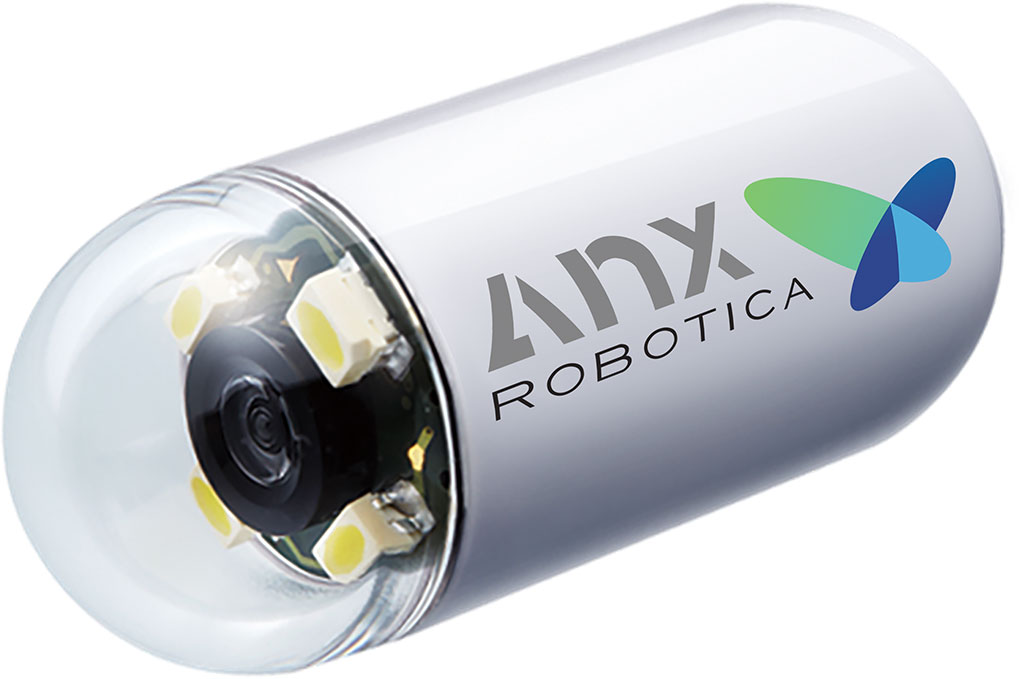
Across the world, doctors perform millions of traditional endoscopies every year to diagnose and treat symptoms of diseases such as stomach pain, nausea, bleeding, and cancer in the stomach and upper part of the intestine. However, access to this procedure remains a challenge for some patients. The medical industry has been employing ingestible video capsule endoscopes for some time now, but these capsules have been limited by their lack of controllability, moving solely due to gravity and natural body movements. A groundbreaking study has demonstrated that physicians can remotely navigate a miniaturized video capsule through the stomach, providing a comprehensive visualization and photographic documentation of potential problem areas. This innovative technology employs an external magnet and a joystick resembling video game controls to steer the capsule in three dimensions within the stomach, significantly improving its diagnostic capabilities.
The study by physicians at George Washington University (Washington, DC, USA) is the first to test magnetically controlled capsule endoscopy in the United States. The research was funded by medical technology company AnX Robotica (Plano, TX, USA) which is the creator of the capsule endoscopy system used in the study, called NaviCam. The technology enables patients with severe stomach pain to get an instant diagnosis without needing a follow-up appointment for a traditional endoscopy – a potentially lifesaving feature. The capsule, driven by an external magnet, painlessly navigates through all areas of the stomach, recording videos and capturing images of any possible bleeding, inflammatory, or malignant lesions. While the joystick operation requires additional training, software is being developed that utilizes artificial intelligence for automatic navigation of the capsule throughout the stomach with a simple button push. This will allow recording of any possible high-risk abnormalities, making the system more user-friendly and efficient as a diagnostic tool or screening test. The system also enables easy transmission of the captured videos for remote analysis when a gastroenterologist isn't available to review the images on-site.
The research involved a study of 40 patients at a physician office building using the magnetically controlled capsule endoscopy. The results demonstrated a 95% success rate in visualizing all major parts of the stomach. An ER physician operated the capsules, after which the reports were reviewed by an off-site gastroenterologist. When compared with traditional endoscopy, the new method missed no high-risk lesions, and 80% of the patients preferred this approach over the conventional endoscopy. No safety issues were observed with the use of the new method, according to the research team. However, the researchers have cautioned that this was a pilot study, and a larger trial with more patients is required to confirm the method's reliability and its potential to replace endoscopy. The study also pointed out a significant limitation of the capsule method – its incapacity to conduct biopsies of detected lesions.
“A traditional endoscopy is an invasive procedure for patients, not to mention it is costly due to the need for anesthesia and time off work,” said Andrew Meltzer, a professor of Emergency Medicine at the GW School of Medicine & Health Sciences. “If larger studies can prove this method is sufficiently sensitive to detect high-risk lesions, magnetically controlled capsules could be used as a quick and easy way to screen for health problems in the upper GI tract such as ulcers or stomach cancer.”
Related Links:
George Washington University
AnX Robotica





Latest Surgical Techniques News
- Novel Endoscopy Technique Provides Access to Deep Lung Tumors
- New Study Findings Could Halve Number of Stent Procedures
- Breakthrough Surgical Device Redefines Hip Arthroscopy
- Automated System Enables Real-Time "Molecular Pathology" During Cancer Surgery
- Groundbreaking Procedure Combines New Treatments for Liver Tumors
- Ablation Reduces Stroke Risk Associated with Atrial Fibrillation
- Optical Tracking Method Identifies Target Areas in Robot-Assisted Neurosurgery
- General Anesthesia Improves Post-Surgery Outcomes for Acute Stroke Patients
- Drug-Coated Balloons Can Replace Stents Even in Larger Coronary Arteries
- Magnetic Kidney Stone Retrieval Device Outperforms Ureteroscopic Laser Lithotripsy
- Absorbable Skull Device Could Replace Traditional Metal Implants Used After Brain Surgery
- Magic Silicone Liquid Powered Robots Perform MIS in Narrow Cavities
- 'Lab-on-a-Scalpel' Provides Real-Time Surgical Insights for POC Diagnostics in OR
- Biodegradable Brain Implant Prevents Glioblastoma Recurrence
- Tiny 3D Printer Reconstructs Tissues During Vocal Cord Surgery
- Minimally Invasive Procedure for Aortic Valve Disease Has Similar Outcomes as Surgery
Channels

Critical Care
view channel
Nanogel Technology Almost 100% Effective in Destroying Drug-Resistant Bacteria Within Hours
Antibiotic resistance is one of the most serious global health threats, driven by bacteria that evade treatment and form protective biofilms that shield them from drugs. Pathogens such as Pseudomonas aeruginosa,... Read more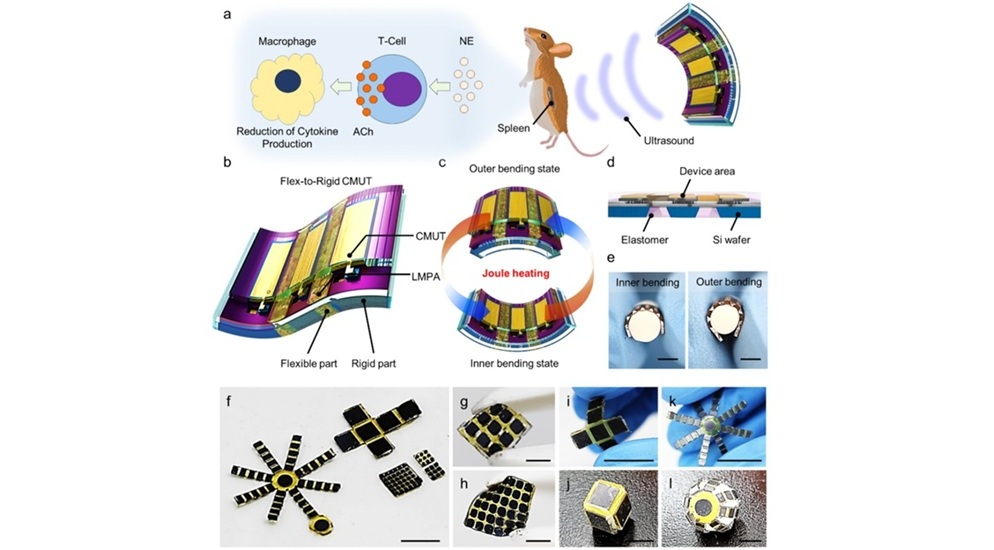
Wearable Ultrasound Sensor Delivers Noninvasive Treatment Without Surgery
Wearable ultrasound devices have long struggled with low acoustic power and poor structural stability, limiting their use in high-resolution imaging and therapeutic applications. Conventional flexible... Read more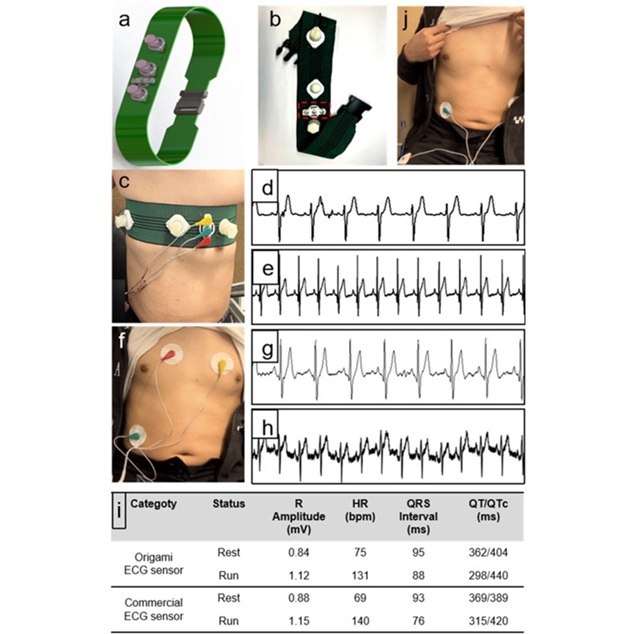

Patient Care
view channel
Revolutionary Automatic IV-Line Flushing Device to Enhance Infusion Care
More than 80% of in-hospital patients receive intravenous (IV) therapy. Every dose of IV medicine delivered in a small volume (<250 mL) infusion bag should be followed by subsequent flushing to ensure... Read more
VR Training Tool Combats Contamination of Portable Medical Equipment
Healthcare-associated infections (HAIs) impact one in every 31 patients, cause nearly 100,000 deaths each year, and cost USD 28.4 billion in direct medical expenses. Notably, up to 75% of these infections... Read more
Portable Biosensor Platform to Reduce Hospital-Acquired Infections
Approximately 4 million patients in the European Union acquire healthcare-associated infections (HAIs) or nosocomial infections each year, with around 37,000 deaths directly resulting from these infections,... Read more
First-Of-Its-Kind Portable Germicidal Light Technology Disinfects High-Touch Clinical Surfaces in Seconds
Reducing healthcare-acquired infections (HAIs) remains a pressing issue within global healthcare systems. In the United States alone, 1.7 million patients contract HAIs annually, leading to approximately... Read moreHealth IT
view channel
EMR-Based Tool Predicts Graft Failure After Kidney Transplant
Kidney transplantation offers patients with end-stage kidney disease longer survival and better quality of life than dialysis, yet graft failure remains a major challenge. Although a successful transplant... Read more
Printable Molecule-Selective Nanoparticles Enable Mass Production of Wearable Biosensors
The future of medicine is likely to focus on the personalization of healthcare—understanding exactly what an individual requires and delivering the appropriate combination of nutrients, metabolites, and... Read more

Business
view channel
Philips and Masimo Partner to Advance Patient Monitoring Measurement Technologies
Royal Philips (Amsterdam, Netherlands) and Masimo (Irvine, California, USA) have renewed their multi-year strategic collaboration, combining Philips’ expertise in patient monitoring with Masimo’s noninvasive... Read more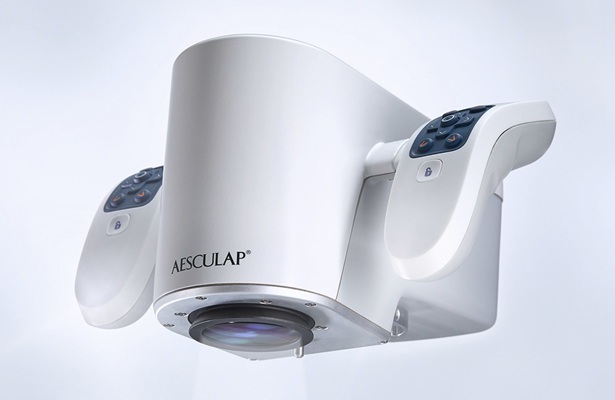
B. Braun Acquires Digital Microsurgery Company True Digital Surgery
The high-end microsurgery market in neurosurgery, spine, and ENT is undergoing a significant transformation. Traditional analog microscopes are giving way to digital exoscopes, which provide improved visualization,... Read more
CMEF 2025 to Promote Holistic and High-Quality Development of Medical and Health Industry
The 92nd China International Medical Equipment Fair (CMEF 2025) Autumn Exhibition is scheduled to be held from September 26 to 29 at the China Import and Export Fair Complex (Canton Fair Complex) in Guangzhou.... Read more