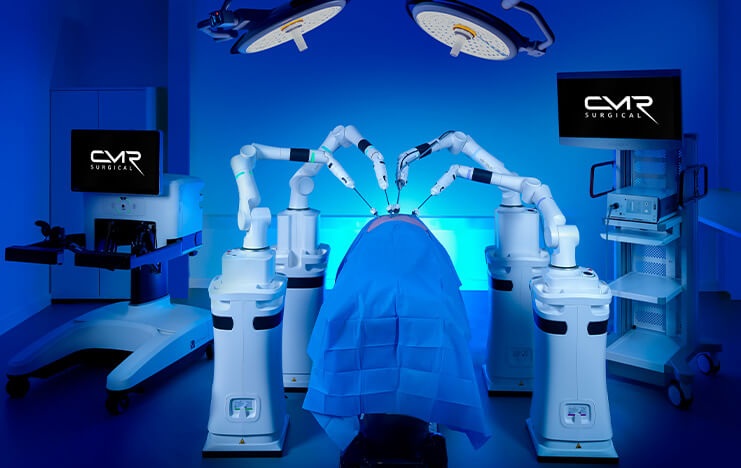



Laparoscopic Surgical Device Mimics Surgeon's Wrist and Finger Movements for Enhanced Precision
|
By HospiMedica International staff writers Posted on 11 Jul 2023 |


|

Laparoscopic surgery has dramatically transformed the surgical field by introducing minimally invasive techniques, which offer many advantages over traditional open surgery, such as reduced blood loss, smaller incisions, and faster recovery times. A crucial aspect of laparoscopic surgery involves the use of specialized tools that allow surgeons to execute complex operations through small incisions. Articulating laparoscopic instruments are a specific type of tool that provides enhanced flexibility and precision during surgery. A groundbreaking series of articulating laparoscopic instruments further empowers surgeons in delivering superior patient care.
LIVSMED’s (Korea) ArtiSential laparoscopic surgical tool replicates the movements of a surgeon's wrist and fingers, offering numerous clinical benefits, enhancing surgical accuracy and results. The device's end-effectors have both vertical and horizontal joint structures that sync with the user's delicate hand movements. The double-joint end-effector allows for 360 degrees of unrestricted movement, granting full access to narrow surgical sites. The device also provides a comprehensive selection of customized end-effectors, making it a highly versatile tool capable of addressing various clinical needs.
ArtiSential operates entirely mechanically and conveys tactile feedback, providing surgeons with a realistic feel of the endoscopic procedure. This device offers the advantage of articulating instruments without sacrificing tactile feedback, crucial for applying precise force on delicate tissue. Its extensive range of movement enables users to carry out more complex techniques across a wider array of surgical procedures compared to rigid or straight instruments. ArtiSential stands as the first articulating laparoscopic system featuring an expansive product line with over 30 different instruments, catering to the diverse needs of advanced minimally invasive surgeons.
Related Links:
LIVSMED







Latest Surgical Techniques News
- Injectable Hydrogel Promotes Blood Vessel Growth for Tissue Repair
- Modular Robotic Surgery System Cleared for General Surgery Procedures
- FDA Authorizes Robotic System for En Bloc Bladder Resection
- Fluorescence Imaging Reveals Nerves Under Normal Operating-Room Lighting
- Programmable Microwave Ablation System Gains CE Mark for Minimally Invasive Tissue Ablation
- Researchers Develop Microbots to Help Drugs Reach Blood Clots
- Minimally Invasive Balloon Procedure May Redirect Blood Flow During Cardiac Arrest
- First Stemless Reverse Shoulder Arthroplasty System Receives FDA Clearance in U.S.
- First U.S. Procedures Successfully Completed With New GERD Implant
- Study Explores 4DCT Ventilation for Preoperative Assessment in Early Lung Cancer
- Dual-Technique Approach Improves Stent Expansion in Calcified Coronary Lesions
- FDA Approves First Transcatheter Device for Paravalvular Leak Closure
- Smaller Surgical Margins May Help Protect Healthy Tissue in Young Sarcoma Patients
- BD Launches TIPS Stent Graft for Personalized Portal Hypertension Treatment
- Implantable Ultrasound Device Enhances Local Drug Delivery in Glioblastoma
- FDA-Cleared Thrombectomy System Removes Pulmonary Embolism Clots

Channels
Artificial Intelligence
view channel
Explainable AI Examines Sepsis Mortality Risk and Emergency Care Delays
Preventing sepsis-related deaths in emergency departments (EDs) remains challenging because patient deterioration can result from multiple rapidly evolving and interconnected factors. These include triage... Read more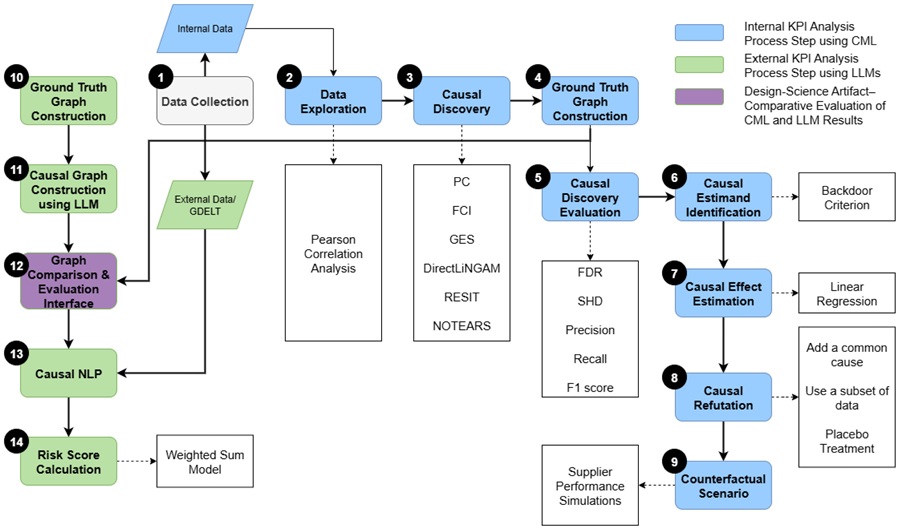
Causal AI Tool Withholds Ovarian Cancer Treatment Recommendations When Evidence Insufficient
Ovarian cancer treatment often requires individualized decisions, particularly when available patient data do not clearly favor one therapeutic approach. However, artificial intelligence (AI) systems may... Read more
Critical Care
view channel
Smart Footwear Estimates Capillary Refill Time for Peripheral Perfusion Monitoring
Peripheral perfusion reflects how effectively blood reaches the body’s extremities and is commonly assessed in hospitals by measuring capillary refill time. However, repeated monitoring during daily activities... Read more
Wearable ECG Patch Enters Clinical Trials for Extended Heart Rhythm Monitoring
Cardiac rhythm disorders can be difficult to detect when symptoms occur intermittently outside the hospital. Delayed or fragmented testing can prolong diagnosis and limit clinicians’ access to continuous... Read more
Hospital-Wide Protocol Helps Reduce Emergency Department Length of Stay
Emergency department (ED) overcrowding occurs when patient volume exceeds available capacity, often leaving patients waiting for inpatient beds after treatment decisions have been made. These delays reduce... Read more
Wearable Patch Enables Continuous Troponin Monitoring for Postoperative Cardiac Injury
Myocardial injury after noncardiac surgery (MINS) is heart muscle damage that occurs following procedures not involving the heart. Detecting MINS is challenging because most cases are asymptomatic and... Read morePatient Care
view channel
Interactive Gaming Helps Ease Children’s Anxiety Before Surgery
Preoperative anxiety is common in children and can complicate perioperative care, potentially contributing to a more difficult recovery. Anxiety levels may increase as young patients enter the operating... Read more
Virtual Reality Program May Reduce Anxiety Before Pediatric Surgery
Presurgery anxiety affects an estimated 50% to 75% of children undergoing surgery and can complicate anesthesia induction, increase postoperative pain, and prolong recovery. Sedation is often used to manage... Read more
Video-Based Support Helps Older Adults Clarify Kidney Disease Treatment Preferences
Advanced chronic kidney disease (CKD) involves progressive loss of kidney function that can lead to kidney failure and difficult treatment decisions. For older adults, these decisions may include choosing... Read more
Medical Imaging
view channel
MRI Tool May Assess Pancreatic Cancer Treatment Response Earlier
Pancreatic ductal adenocarcinoma is a form of pancreatic cancer that is often diagnosed at an advanced stage, with approximately 60% of patients ineligible for surgery at diagnosis. Although chemotherapy... Read more
AI Uses Routine MRI to Predict Deep Brain Stimulation Response in Dystonia
Dystonia is a debilitating neurological movement disorder characterized by involuntary muscle contractions that cause abnormal movements and postures. Deep brain stimulation (DBS) is one of the few treatments... Read more

Health IT
view channel
Telemonitoring Program Improves Quality of Life After Heart Failure Discharge
Heart failure is a chronic condition associated with high mortality, frequent hospitalizations, and reduced quality of life. Patients face particularly high risks of readmission and death after discharge,... Read more
Clinical Decision Support Tool Automates CKD Risk Assessment in Primary Care
Chronic kidney disease (CKD) requires timely diagnosis, risk assessment, and coordinated treatment in primary care. Delayed recognition can affect decisions about testing, blood pressure control, cardiovascular... Read more
Point of Care
view channel
Handheld Imaging Device May Help Identify Preterm Birth Risk Earlier
Preterm birth, defined as delivery before 37 weeks of pregnancy, can lead to serious neonatal complications, including neurological, developmental, and respiratory problems. However, identifying pregnancies... Read more
New Breath Condensate Testing Approach Enhances Reliability for COPD Monitoring
Chronic obstructive pulmonary disease (COPD) is a progressive lung condition that can increasingly impair breathing over time. Diagnosis and monitoring may be burdensome because patients often require... Read more
Continuous Glucose Monitoring Identifies Cardiometabolic Risk in Adults Without Diabetes
Dysglycemia—abnormal blood glucose regulation—can fluctuate throughout the day and often escape conventional screening. Clinicians typically rely on fasting plasma glucose and hemoglobin A1c, which offer... Read more
Business
view channel
Stryker Completes Acquisition to Broaden Shoulder Surgery Offerings
Stryker (Portage, MI, USA) has completed its acquisition of ZuriMED (Zurich, Switzerland), a privately held developer of the FiberLocker System, expanding its Sports Medicine portfolio with a commercialized... Read more