Simple Single-Use Device Reduces Radiofrequency Ablation-Related Esophageal Injury
|
By HospiMedica International staff writers Posted on 15 Sep 2023 |


|
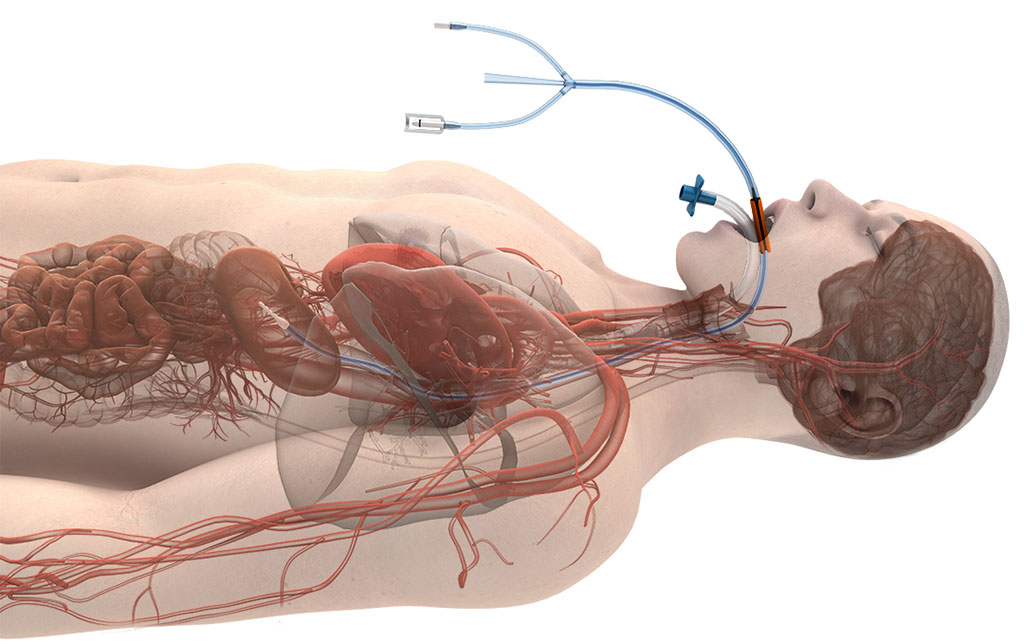
Cardiac ablation using radiofrequency energy is commonly employed to correct abnormal heart rhythms in people suffering from atrial fibrillation. This is done by disrupting the faulty electrical pathways that interfere with the heart's regular rhythm. As the demand for catheter ablation for atrial fibrillation treatment grows, so does the concern about thermal injuries, given the inherent risks tied to radiofrequency ablation. Active cooling of the esophagus during pulmonary vein isolation (PVI) is becoming more popular as a technique to minimize esophageal damage and the highly feared complication of atrioesophageal fistula. Yet, widely used methods to prevent such severe side effects have not proven effective in diminishing the risk of catastrophic esophageal injuries over the past two decades. Now, a novel device minimizes the possibility of ablation-related esophageal injury arising from radiofrequency cardiac ablation procedures.
Attune Medical’s (Chicago, IL, USA) ensoETM is a simple, disposable device that is inserted into the esophagus and connected to an external heat exchanger, establishing a closed-loop system for heat transfer to or from a patient. Positioned close to the blood flow from the heart and great vessels, the device ensures efficient heat transfer while still allowing stomach access for suction, feeding, and drug administration. By directly cooling at the core, ensoETM avoids the skin’s shivering sensors, resulting in more accurate cooling and fewer complications.
The U.S. FDA has granted Attune Medical De Novo authorization to market its ensoETM device for reducing the risk of esophageal injuries during radiofrequency cardiac ablation procedures. This approval was based on extensive data including pre-clinical research, computational models, three randomized controlled trials, and real-world data involving tens of thousands of patients. The studies demonstrated an up to 83% reduction in esophageal injuries and a significant drop in the risk of developing atrioesophageal fistula. The ensoETM is the first of its kind device to utilize the esophageal space for temperature management and has been cleared for controlling patient body temperature since 2015. To date, more than 50,000 patients have been treated with the ensoETM in settings like critical care units, emergency departments, surgical suites, and electrophysiology labs.
“Over the last 20 years, significant resources have been committed to mitigating serious esophageal complications, with no meaningful results,” said Jay Istvan, Attune Medical’s CEO. “This De Novo marketing authorization opens the door to a new standard. Studies have shown improved safety and efficacy for patients while allowing improved efficiency for physicians and greater cost savings for the hospitals in which they operate.”
Related Links:
Attune Medical






Latest Surgical Techniques News
- New Study Findings Could Halve Number of Stent Procedures
- Breakthrough Surgical Device Redefines Hip Arthroscopy
- Automated System Enables Real-Time "Molecular Pathology" During Cancer Surgery
- Groundbreaking Procedure Combines New Treatments for Liver Tumors
- Ablation Reduces Stroke Risk Associated with Atrial Fibrillation
- Optical Tracking Method Identifies Target Areas in Robot-Assisted Neurosurgery
- General Anesthesia Improves Post-Surgery Outcomes for Acute Stroke Patients
- Drug-Coated Balloons Can Replace Stents Even in Larger Coronary Arteries
- Magnetic Kidney Stone Retrieval Device Outperforms Ureteroscopic Laser Lithotripsy
- Absorbable Skull Device Could Replace Traditional Metal Implants Used After Brain Surgery
- Magic Silicone Liquid Powered Robots Perform MIS in Narrow Cavities
- 'Lab-on-a-Scalpel' Provides Real-Time Surgical Insights for POC Diagnostics in OR
- Biodegradable Brain Implant Prevents Glioblastoma Recurrence
- Tiny 3D Printer Reconstructs Tissues During Vocal Cord Surgery
- Minimally Invasive Procedure for Aortic Valve Disease Has Similar Outcomes as Surgery
- Safer Hip Implant Design Prevents Early Femoral Fractures
Channels

Critical Care
view channel
Magnetically Guided Microrobots to Enable Targeted Drug Delivery
Stroke affects 12 million people globally each year, often causing death or lasting disability. Current treatment relies on systemic administration of clot-dissolving drugs, which circulate throughout... Read more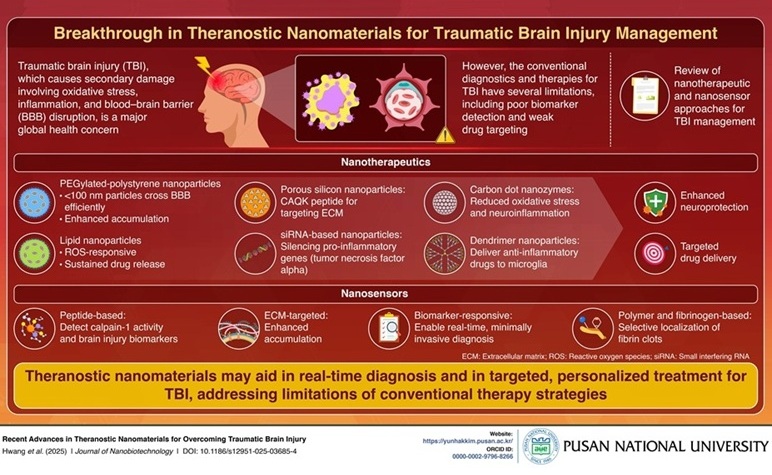
Smart Nanomaterials Detect and Treat Traumatic Brain Injuries Simultaneously
Traumatic brain injury (TBI) continues to leave millions with long-term disabilities every year. After a sudden impact from a fall, collision, or accident, the brain undergoes inflammation, oxidative stress,... Read more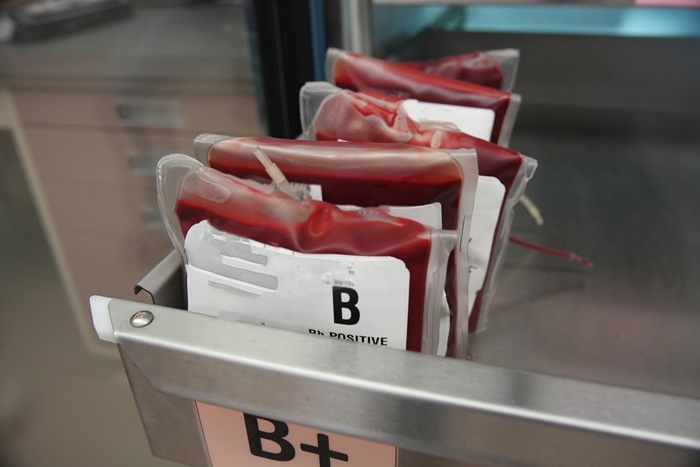
Earlier Blood Transfusion Could Reduce Heart Failure and Arrhythmia in Heart Disease Patients
Blood loss during or after surgery can place significant stress on people with heart disease, increasing the risk of dangerous complications. Transfusions are often delayed until hemoglobin levels fall... Read more
Patient Care
view channel
Revolutionary Automatic IV-Line Flushing Device to Enhance Infusion Care
More than 80% of in-hospital patients receive intravenous (IV) therapy. Every dose of IV medicine delivered in a small volume (<250 mL) infusion bag should be followed by subsequent flushing to ensure... Read more
VR Training Tool Combats Contamination of Portable Medical Equipment
Healthcare-associated infections (HAIs) impact one in every 31 patients, cause nearly 100,000 deaths each year, and cost USD 28.4 billion in direct medical expenses. Notably, up to 75% of these infections... Read more
Portable Biosensor Platform to Reduce Hospital-Acquired Infections
Approximately 4 million patients in the European Union acquire healthcare-associated infections (HAIs) or nosocomial infections each year, with around 37,000 deaths directly resulting from these infections,... Read more
First-Of-Its-Kind Portable Germicidal Light Technology Disinfects High-Touch Clinical Surfaces in Seconds
Reducing healthcare-acquired infections (HAIs) remains a pressing issue within global healthcare systems. In the United States alone, 1.7 million patients contract HAIs annually, leading to approximately... Read moreHealth IT
view channel
EMR-Based Tool Predicts Graft Failure After Kidney Transplant
Kidney transplantation offers patients with end-stage kidney disease longer survival and better quality of life than dialysis, yet graft failure remains a major challenge. Although a successful transplant... Read more
Printable Molecule-Selective Nanoparticles Enable Mass Production of Wearable Biosensors
The future of medicine is likely to focus on the personalization of healthcare—understanding exactly what an individual requires and delivering the appropriate combination of nutrients, metabolites, and... Read more

Business
view channel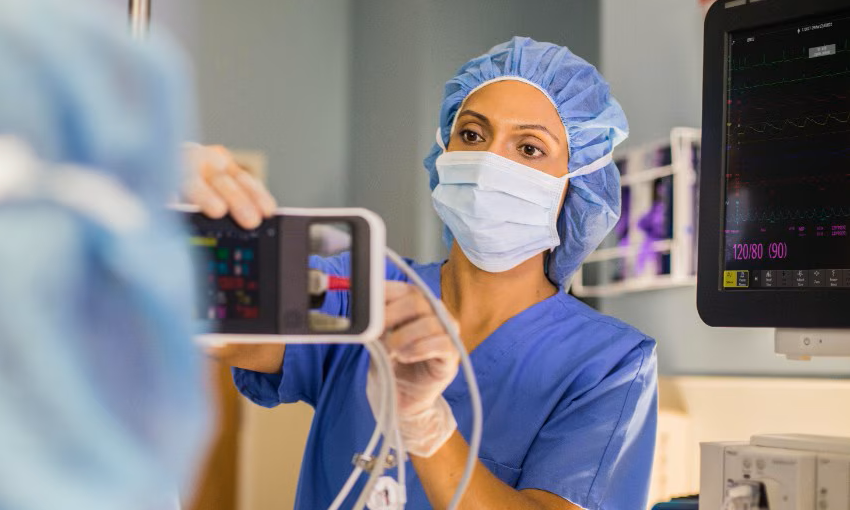
Philips and Masimo Partner to Advance Patient Monitoring Measurement Technologies
Royal Philips (Amsterdam, Netherlands) and Masimo (Irvine, California, USA) have renewed their multi-year strategic collaboration, combining Philips’ expertise in patient monitoring with Masimo’s noninvasive... Read more
B. Braun Acquires Digital Microsurgery Company True Digital Surgery
The high-end microsurgery market in neurosurgery, spine, and ENT is undergoing a significant transformation. Traditional analog microscopes are giving way to digital exoscopes, which provide improved visualization,... Read more
CMEF 2025 to Promote Holistic and High-Quality Development of Medical and Health Industry
The 92nd China International Medical Equipment Fair (CMEF 2025) Autumn Exhibition is scheduled to be held from September 26 to 29 at the China Import and Export Fair Complex (Canton Fair Complex) in Guangzhou.... Read more