Groundbreaking Blood Lancing Device Obtains Microliter Capillary Whole Blood Samples Painlessly
|
By HospiMedica International staff writers Posted on 23 Oct 2023 |


|

A convenient, virtually pain-free blood lancet that collects whole liquid blood samples has received CE Mark designation, making the patient-centric, high-volume blood collection solution available in the European Union (EU) market.
Tasso, Inc.’s (Seattle, WA, USA) Tasso+ device is intended for single-use and is capable of obtaining microliter amounts of capillary whole blood. What sets Tasso+ apart is its virtually pain-free and user-friendly design, along with groundbreaking technology, which enhances user satisfaction. This makes it ideal for remote blood collection, particularly in decentralized clinical trials run by pharmaceutical companies, focusing on pharmacokinetic and biomarker research.
Tasso+ offers a patient-friendly approach to blood collection that helps break down access barriers, allowing patient groups who are typically underserved or understudied to take part in clinical trials. Beyond research, healthcare providers can also use the device to assess blood chemistries, thus expanding care accessibility. The device had previously received Class II 510(k) clearance from the U.S. Food and Drug Administration (FDA) in August 2022. With the new CE Mark, Tasso+ has become the first device in its category to get full clearance both in the U.S. and the EU.
“This designation is an important milestone for Tasso, allowing us to build upon the success of our CE Marked Tasso-M20 device and continue to expand our commercial footprint and reduce healthcare access barriers in Europe, where demand increasingly grows for patient-centric solutions,” said Ben Casavant, PhD, CEO and co-founder of Tasso. “The Tasso+ CE Mark enables us to support the pharmaceutical industry, academic and government institutions on research and clinical initiatives, as well as accelerate access to remote testing and care for more patient populations. We are excited to expand our customer base in Europe.”
Related Links:
Tasso, Inc.






Latest Point of Care News
- Continuous Glucose Monitoring Identifies Cardiometabolic Risk in Adults Without Diabetes
- Microneedle Patch Enables At-Home Monitoring of Acute Kidney Injury
- Ultrathin Metasurface Could Bring Quantitative Phase Imaging to Portable Devices
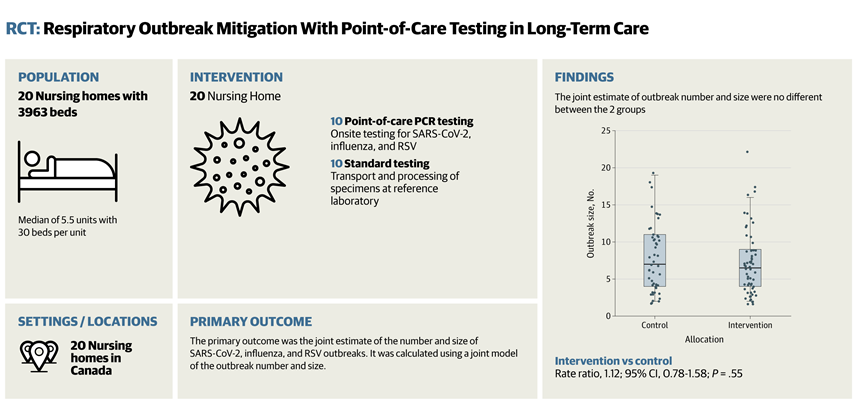
- Rapid Onsite Testing Reduces Emergency Department Transfers in Long-Term Care
- New Brain Ultrasound Platform Enables Bedside Postoperative Imaging
- Handheld Ultrasound Expands Point-of-Care Imaging Access in Brazil
- AI Dermatology Platform Targets Early Detection of Non-Melanoma Skin Cancer
- Handheld AI Device for Point-of-Care Skin Lesion Assessment Receives CE Mark
- Portable Immunoassay System Advances Toward Point-of-Care Biomarker Testing
- Portable MRI System Accelerates Emergency Brain Imaging and Triage
- Point-of-Care Viscoelastic Testing System Supports Obstetric Bleeding Management
- Portable MRI System Gains CE Mark for Point-of-Care Brain Imaging
Channels
Artificial Intelligence
view channel
Autonomous AI Helps Streamline Urgent Skin Cancer Referrals
Urgent suspected skin cancer referrals place substantial pressure on dermatology services. In England, referrals have almost tripled since 2009, yet only about 6% lead to an urgent skin cancer diagnosis.... Read more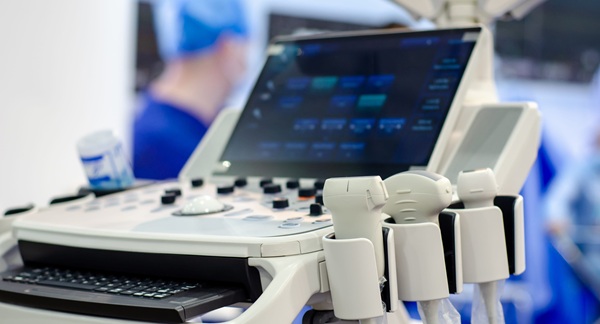
Virtual Ultrasound Images Support Development of Cardiovascular Imaging Tools
An abdominal aortic aneurysm is a widening of the largest blood vessel in the abdomen. Ultrasound imaging can help evaluate the condition, but developing automated diagnostic software requires large numbers... Read more
Critical Care
view channel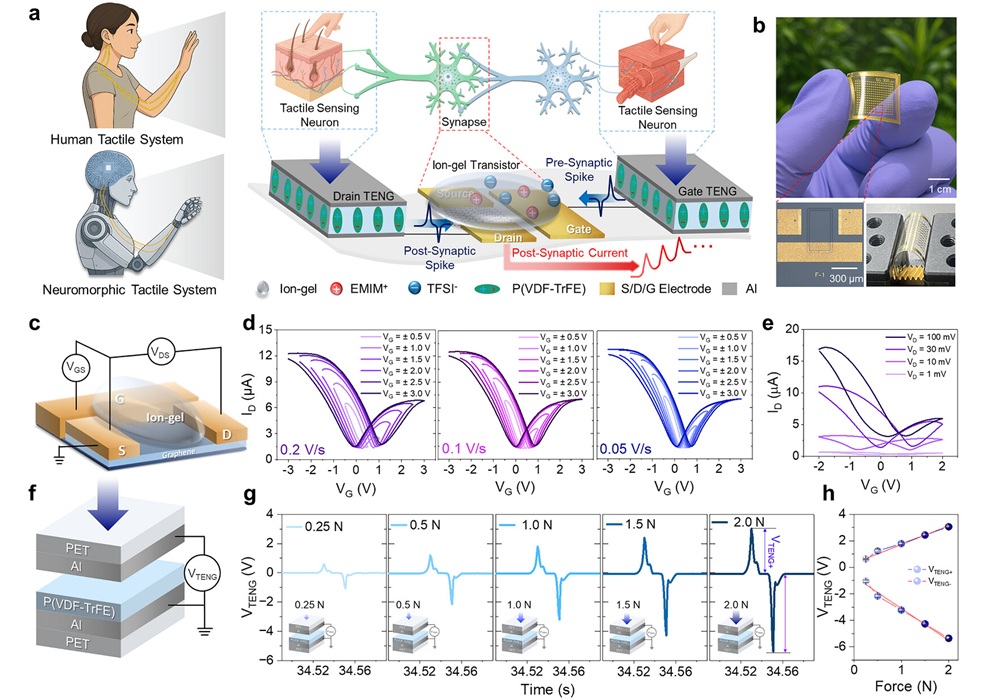
Battery-Free Wearable Sensor Enables Activity Recognition for Health Monitoring
Neuromorphic devices are engineered systems that emulate functions of biological neural networks. Wearable versions could enable low-power patient monitoring, but many existing designs still depend on... Read more
New ECG Foundation Model Enables Broad Cardiac Diagnosis and Risk Prediction
Electrocardiograms are central to cardiovascular decision-making, but conventional artificial intelligence models are often trained for narrow tasks, such as detecting a single arrhythmia.... Read more
Surgical Techniques
view channel
New Software Tools Support Precision Mapping and Guidance in Cardiac Ablation
Catheter ablation for cardiac arrhythmias requires precise intracardiac mapping while minimizing fluoroscopy exposure. Electrophysiologists also need integrated tools that streamline mapping, pacing, and... Read more
Tile-Based Radiation Therapy Reduces Recurrence Risk After Brain Metastasis Surgery
Brain metastases can occur in patients with advanced solid tumors and may affect treatment options and prognosis. For patients with larger or symptomatic lesions requiring surgery, microscopic tumor cells... Read more

Patient Care
view channel
At-Home Neuromodulation Shows Promise in Selected Patients With Hypertension
High blood pressure is a major risk factor for cardiovascular disease, including heart attack and stroke. Many patients receiving treatment for hypertension still remain above recommended blood pressure... Read more
EHR Model Flags High-Risk Periods in Patients with Metastatic Breast Cancer
Determining when patients with metastatic breast cancer are nearing the end of life remains difficult, often leading to intensive interventions with limited benefit. Prognostic uncertainty can delay goals-of-care... Read more

Medical Imaging
view channel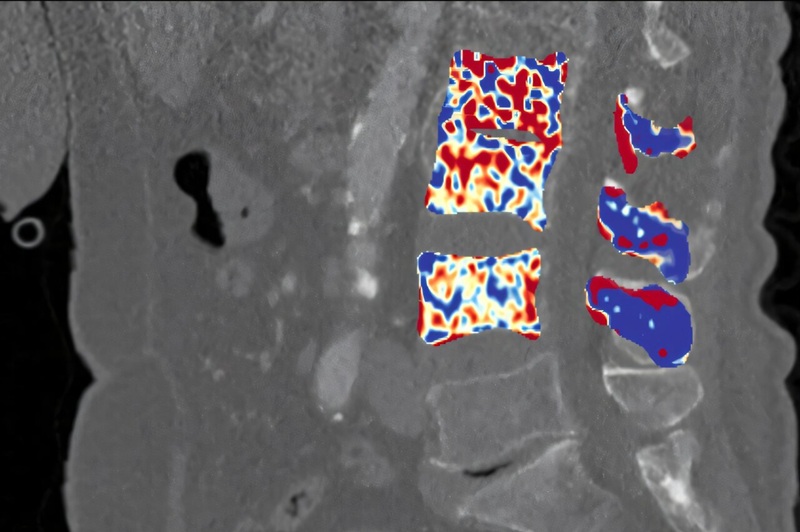
AI Software Detects Osteoporosis from Routine CT Scans
Osteoporosis can progress for years without pain, leaving bone loss undetected until a fracture or back pain prompts testing. By that point, bone loss may already be advanced. Bone density testing is not... Read more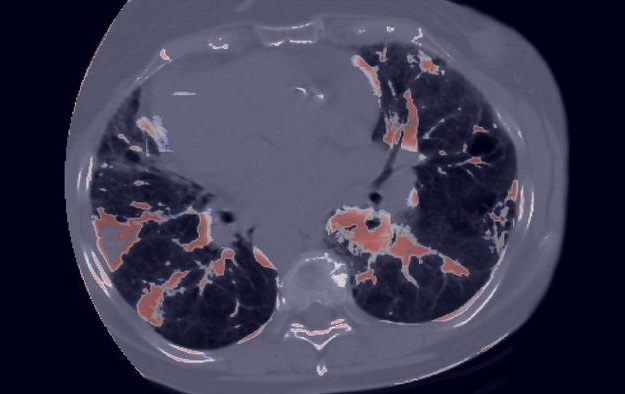
AI Model Uses Pretreatment CT Scans to Predict Immunotherapy-Related Pneumonitis Risk
Pneumonitis is a potentially life-threatening form of lung inflammation that affects about 10% of patients with lung cancer receiving immunotherapy. Because it can be difficult to predict before symptoms... Read more

Health IT
view channel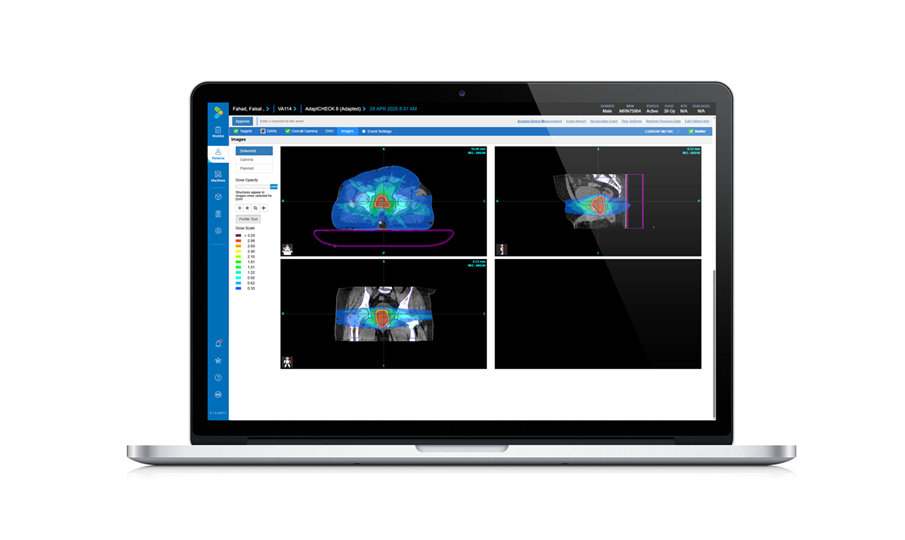
Adaptive Radiation QA Software Gains Validation for NeoArc Treatments
Adaptive radiation therapy allows clinicians to adjust treatment plans to daily anatomical changes such as tumor shrinkage, weight loss, or organ movement, improving precision while limiting exposure to... Read more
Healthcare Database Helps Close Long COVID Surveillance Gap
Long COVID is a chronic condition that occurs after SARS-CoV-2 infection and lasts at least three months. It can follow severe illness, but it can also affect anyone who has been infected.... Read more

Point of Care
view channel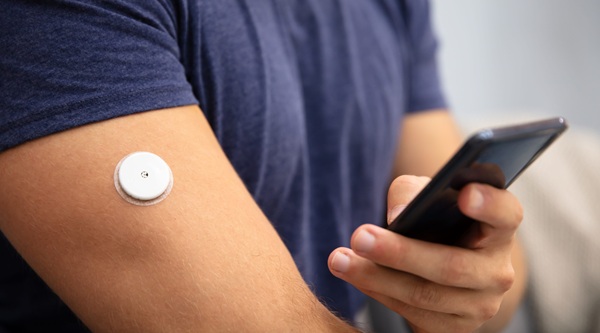
Continuous Glucose Monitoring Identifies Cardiometabolic Risk in Adults Without Diabetes
Dysglycemia—abnormal blood glucose regulation—can fluctuate throughout the day and often escape conventional screening. Clinicians typically rely on fasting plasma glucose and hemoglobin A1c, which offer... Read more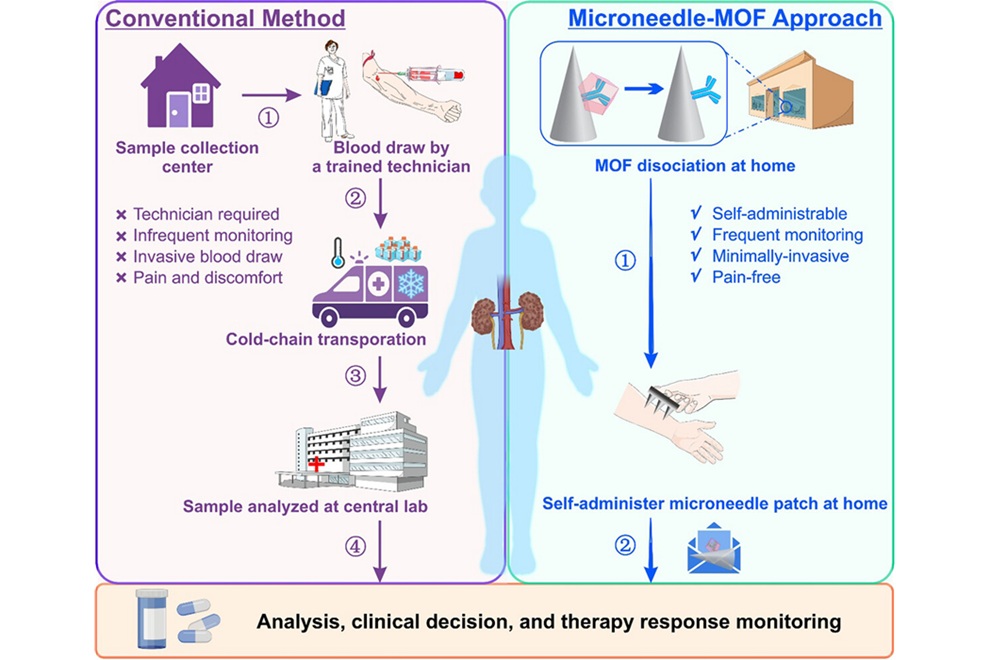
Microneedle Patch Enables At-Home Monitoring of Acute Kidney Injury
Kidney disease is often silent in its early stages, making timely detection difficult outside clinical settings. Early biomarkers such as neutrophil gelatinase–associated lipocalin can require blood draws... Read more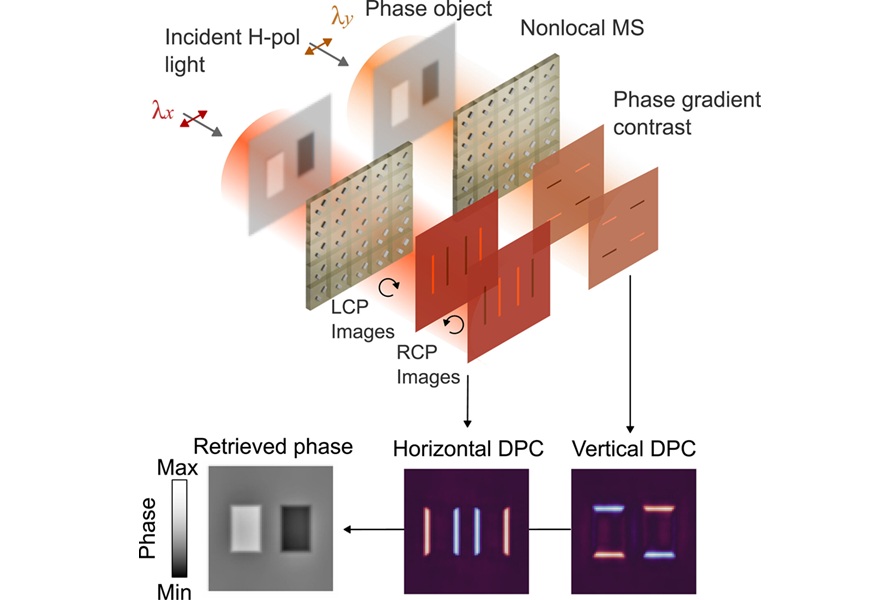
Business
view channel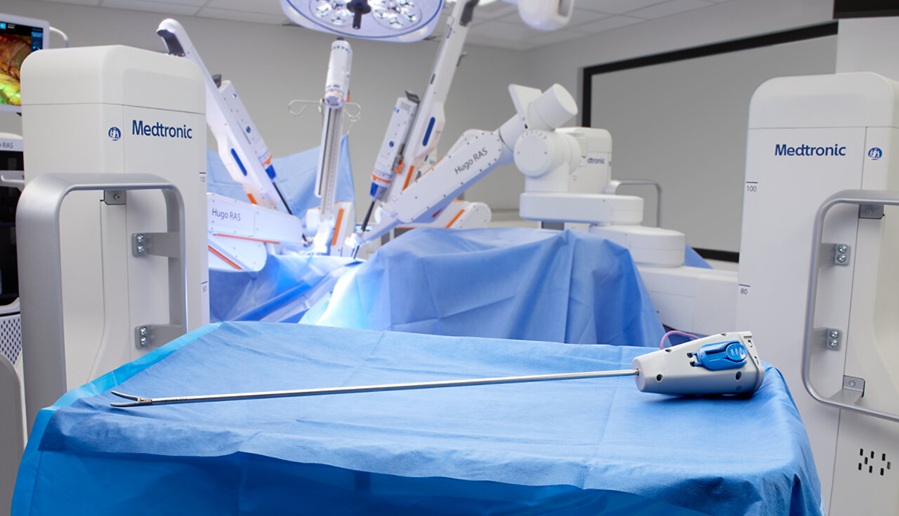
Medtronic Receives FDA Clearance for Vessel-Sealing Instrument for Robotic Surgery
As robotic-assisted surgery expands across U.S. hospitals, teams increasingly seek energy instruments with the familiarity and performance of tools used in open and laparoscopic procedures.... Read more
Robotic Single-Port System Gains CE Mark for Transvaginal Gynecologic Procedures
Intuitive (Sunnyvale, CA, USA) announced that it has received CE mark approval for use of the da Vinci SP Single Port surgical system in transvaginal gynecologic procedures, marking the first such indication... Read more