Brain Implant Successfully Controls Both Seizures and OCD
|
By HospiMedica International staff writers Posted on 27 Oct 2023 |


|

Obsessive-compulsive disorder (OCD) is a chronic mental health condition affecting roughly 2.2 million adults from all walks of life. People with OCD experience ongoing, troubling thoughts (known as obsessions) and may find short-term relief by performing specific, ritualistic actions (called compulsions). These symptoms often interfere with daily living. About one-third of individuals with OCD don't respond well to conventional treatments. However, there is promising initial evidence that neural activity can be captured from ventral striatal regions associated with OCD to guide such a closed-loop approach. Now, for the first time, a patient has been shown to benefit from a single stimulator implanted in the brain to effectively control two life-altering conditions: seizures caused by epilepsy and compulsive behavior caused by obsessive-compulsive disorder, or OCD. Following the brain implant, the seizures are under better control, but the relief from the psychiatric condition is profound.
The patient had initially undergone a standard surgical procedure at Oregon Health & Science University (OHSU, Portland, OR, USA) in 2018. This operation involved removing a small part of the brain where the seizures originated. While the surgery reduced some seizures, it did not eliminate them entirely. As a result, the patient opted for an implanted responsive neurostimulation system (RNS). This innovative implant continually observes brain activity and sends out small electrical pulses designed to prevent seizures before they start. Interestingly, some users of this implant have reported improvement in mental health conditions, including OCD.
To treat both conditions in the patient, the physicians made sure to position the implant's 32-millimeter electrode in such a way that it covered the nucleus accumbens, a brain region linked to motivation and action, including compulsive urges. This dual targeting proved effective. Within months of receiving the brain implant, the patient reported significant relief from OCD symptoms. Four years down the line, the improvement has been life-altering. The RNS implant's programming now functions seamlessly to manage the compulsive behaviors that had once dominated the patient's daily life.
Related Links:
OHSU






Latest Surgical Techniques News
- Novel Endoscopy Technique Provides Access to Deep Lung Tumors
- New Study Findings Could Halve Number of Stent Procedures
- Breakthrough Surgical Device Redefines Hip Arthroscopy
- Automated System Enables Real-Time "Molecular Pathology" During Cancer Surgery
- Groundbreaking Procedure Combines New Treatments for Liver Tumors
- Ablation Reduces Stroke Risk Associated with Atrial Fibrillation
- Optical Tracking Method Identifies Target Areas in Robot-Assisted Neurosurgery
- General Anesthesia Improves Post-Surgery Outcomes for Acute Stroke Patients
- Drug-Coated Balloons Can Replace Stents Even in Larger Coronary Arteries
- Magnetic Kidney Stone Retrieval Device Outperforms Ureteroscopic Laser Lithotripsy
- Absorbable Skull Device Could Replace Traditional Metal Implants Used After Brain Surgery
- Magic Silicone Liquid Powered Robots Perform MIS in Narrow Cavities
- 'Lab-on-a-Scalpel' Provides Real-Time Surgical Insights for POC Diagnostics in OR
- Biodegradable Brain Implant Prevents Glioblastoma Recurrence
- Tiny 3D Printer Reconstructs Tissues During Vocal Cord Surgery
- Minimally Invasive Procedure for Aortic Valve Disease Has Similar Outcomes as Surgery
Channels

Critical Care
view channel
Nanogel Technology Almost 100% Effective in Destroying Drug-Resistant Bacteria Within Hours
Antibiotic resistance is one of the most serious global health threats, driven by bacteria that evade treatment and form protective biofilms that shield them from drugs. Pathogens such as Pseudomonas aeruginosa,... Read more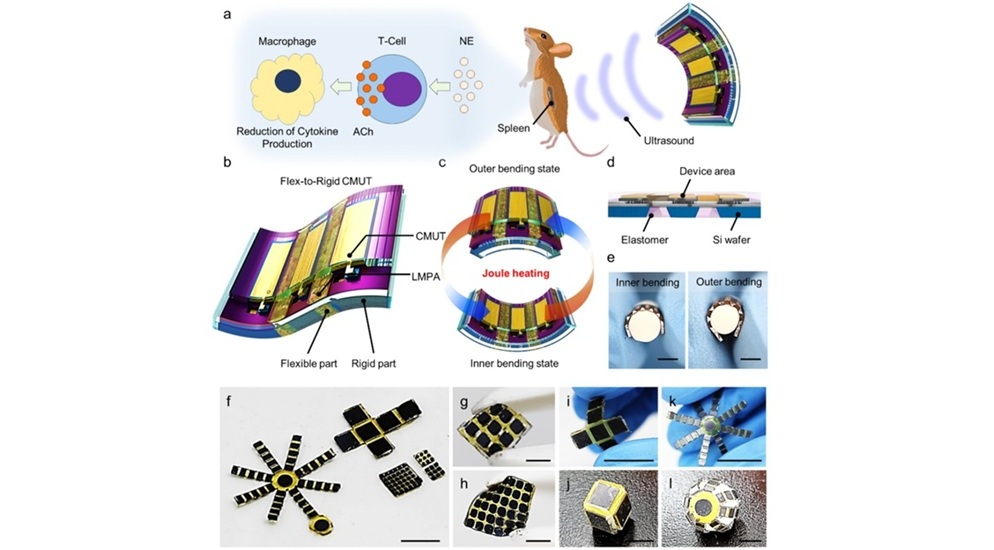
Wearable Ultrasound Sensor Delivers Noninvasive Treatment Without Surgery
Wearable ultrasound devices have long struggled with low acoustic power and poor structural stability, limiting their use in high-resolution imaging and therapeutic applications. Conventional flexible... Read more
Patient Care
view channel
Revolutionary Automatic IV-Line Flushing Device to Enhance Infusion Care
More than 80% of in-hospital patients receive intravenous (IV) therapy. Every dose of IV medicine delivered in a small volume (<250 mL) infusion bag should be followed by subsequent flushing to ensure... Read more
VR Training Tool Combats Contamination of Portable Medical Equipment
Healthcare-associated infections (HAIs) impact one in every 31 patients, cause nearly 100,000 deaths each year, and cost USD 28.4 billion in direct medical expenses. Notably, up to 75% of these infections... Read more
Portable Biosensor Platform to Reduce Hospital-Acquired Infections
Approximately 4 million patients in the European Union acquire healthcare-associated infections (HAIs) or nosocomial infections each year, with around 37,000 deaths directly resulting from these infections,... Read more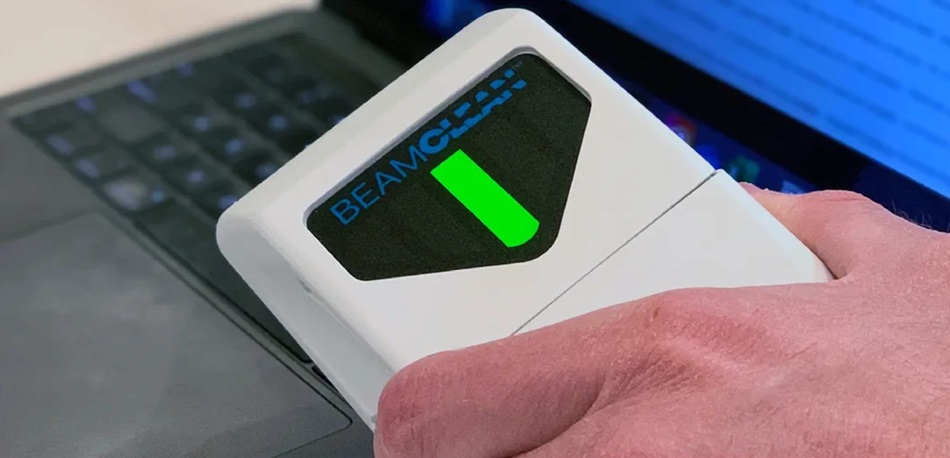
First-Of-Its-Kind Portable Germicidal Light Technology Disinfects High-Touch Clinical Surfaces in Seconds
Reducing healthcare-acquired infections (HAIs) remains a pressing issue within global healthcare systems. In the United States alone, 1.7 million patients contract HAIs annually, leading to approximately... Read moreHealth IT
view channel
EMR-Based Tool Predicts Graft Failure After Kidney Transplant
Kidney transplantation offers patients with end-stage kidney disease longer survival and better quality of life than dialysis, yet graft failure remains a major challenge. Although a successful transplant... Read more
Printable Molecule-Selective Nanoparticles Enable Mass Production of Wearable Biosensors
The future of medicine is likely to focus on the personalization of healthcare—understanding exactly what an individual requires and delivering the appropriate combination of nutrients, metabolites, and... Read more

Business
view channel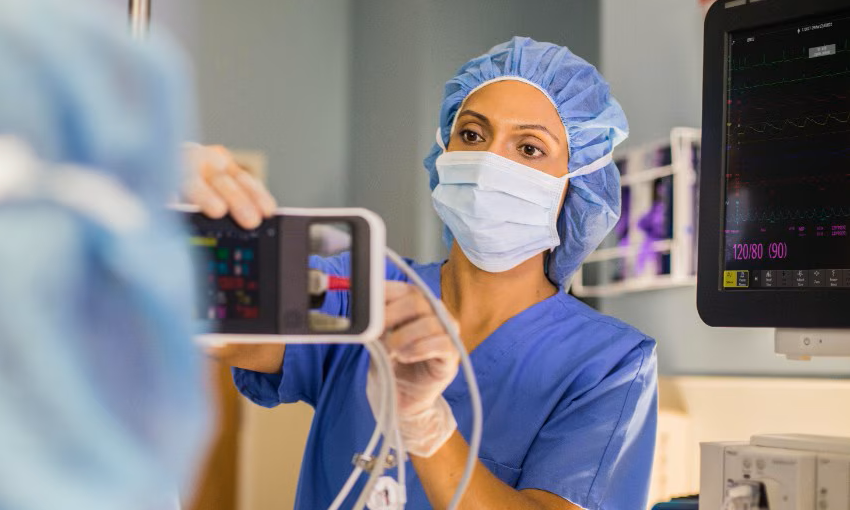
Philips and Masimo Partner to Advance Patient Monitoring Measurement Technologies
Royal Philips (Amsterdam, Netherlands) and Masimo (Irvine, California, USA) have renewed their multi-year strategic collaboration, combining Philips’ expertise in patient monitoring with Masimo’s noninvasive... Read more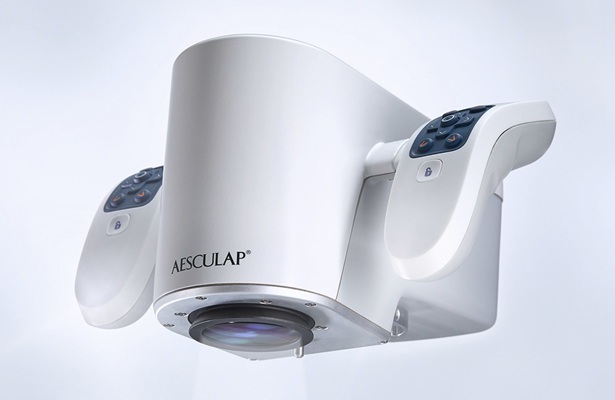
B. Braun Acquires Digital Microsurgery Company True Digital Surgery
The high-end microsurgery market in neurosurgery, spine, and ENT is undergoing a significant transformation. Traditional analog microscopes are giving way to digital exoscopes, which provide improved visualization,... Read more
CMEF 2025 to Promote Holistic and High-Quality Development of Medical and Health Industry
The 92nd China International Medical Equipment Fair (CMEF 2025) Autumn Exhibition is scheduled to be held from September 26 to 29 at the China Import and Export Fair Complex (Canton Fair Complex) in Guangzhou.... Read more