AI Predicts Sudden Cardiac Death and Cardiovascular Risk
|
By HospiMedica International staff writers Posted on 09 Nov 2023 |


|

Recent breakthroughs in artificial intelligence (AI) have led to promising developments in the healthcare sector, especially in heart health monitoring and risk prediction for cardiovascular diseases. At the American Heart Association’s Scientific Sessions 2023, researchers presented two studies showcasing the potential of AI in these areas. One of the studies demonstrated that an AI system, when analyzing audio data from a digital stethoscope, outperformed healthcare professionals in detecting heart valve disease. These professionals traditionally relied on acoustic cues from a conventional stethoscope. Another study showed the capability of an AI-based deep learning program to assess eye images for evaluating the risk of cardiovascular events in individuals with prediabetes and Type 2 diabetes.
In the first study conducted across three primary care clinics in the U.S., researchers at Vanderbilt University (Nashville, TN, USA) put a traditional practice to the test against AI technology. They compared how well a medical professional using an ordinary stethoscope could identify potential heart valve disease versus an AI system analyzing sounds from a digital stethoscope. Participants underwent a physical examination which included both the traditional method and the digital stethoscope recording. Follow-up echocardiograms confirmed the presence of heart valve disease, although these findings were not disclosed to either the clinician or the patient. The AI system detected valvular heart disease in 94.1% of the cases, a significant increase compared to the 41.2% detection rate by healthcare professionals using the standard stethoscope. The AI also flagged 22 individuals with moderate-to-severe heart valve disease that had not been diagnosed previously, while only eight such cases were caught by the traditional method. However, the human professionals demonstrated higher specificity in their diagnoses (95.5%) compared to the AI system (84.5%), suggesting a reduced likelihood of false positives that could lead to unnecessary additional testing.
In the second study, researchers at Mass General Brigham (Boston, MA, USA) analyzed retina images using a deep-learning algorithm. This method was assessed for its effectiveness in predicting cardiovascular events—like heart attacks, strokes, and related deaths—in over a thousand patients with prediabetes or Type 2 diabetes. Using the deep-learning algorithm, the participants were categorized into low, moderate, and high-risk categories based on the analysis of their retinal images, and their health was tracked over an 11-year period. The researchers found that those in the low-risk group had an 8.2% incidence of cardiovascular events, while those in the moderate and high-risk groups experienced higher incidences, at 15.2% and 18.5%, respectively. Even after considering demographic and other risk factors like age, gender, and lifestyle, those in the moderate-risk category were 57% more likely to suffer a cardiovascular event, and those deemed high-risk were 88% more likely, both compared to the low-risk group.
“Computational methods to develop novel predictors of health and disease — ‘artificial intelligence” — are becoming increasingly sophisticated,” said Dan Roden, M.D., FAHA, professor of medicine, pharmacology and biomedical informatics and senior vice-president for personalized medicine at Vanderbilt University Medical Center, as well as chair of the Association’s Council on Genomic and Precision Medicine. “Both of these studies take a measurement that is easy to understand and easy to acquire and ask what that measurement predicts in the wider world.”
Related Links:
Vanderbilt University
Mass General Brigham







Channels

Surgical Techniques
view channel
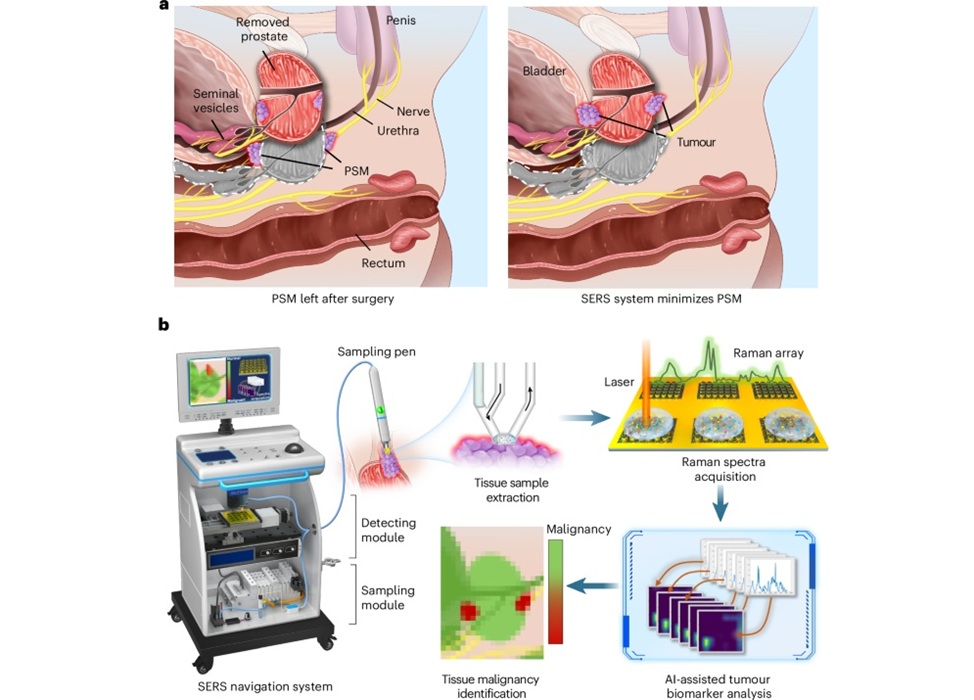
Novel Endoscopy Technique Provides Access to Deep Lung Tumors
Detecting lung cancer early can save lives, but diagnosing small tumors deep in the outer regions of the lungs remains a major clinical challenge. Although CT scans frequently identify tiny suspicious... Read more
New Study Findings Could Halve Number of Stent Procedures
When a coronary artery becomes acutely blocked during a heart attack, opening it immediately is essential to prevent irreversible damage. However, many patients also have other narrowed vessels that appear... Read more
Patient Care
view channel
Revolutionary Automatic IV-Line Flushing Device to Enhance Infusion Care
More than 80% of in-hospital patients receive intravenous (IV) therapy. Every dose of IV medicine delivered in a small volume (<250 mL) infusion bag should be followed by subsequent flushing to ensure... Read more
VR Training Tool Combats Contamination of Portable Medical Equipment
Healthcare-associated infections (HAIs) impact one in every 31 patients, cause nearly 100,000 deaths each year, and cost USD 28.4 billion in direct medical expenses. Notably, up to 75% of these infections... Read more
Portable Biosensor Platform to Reduce Hospital-Acquired Infections
Approximately 4 million patients in the European Union acquire healthcare-associated infections (HAIs) or nosocomial infections each year, with around 37,000 deaths directly resulting from these infections,... Read more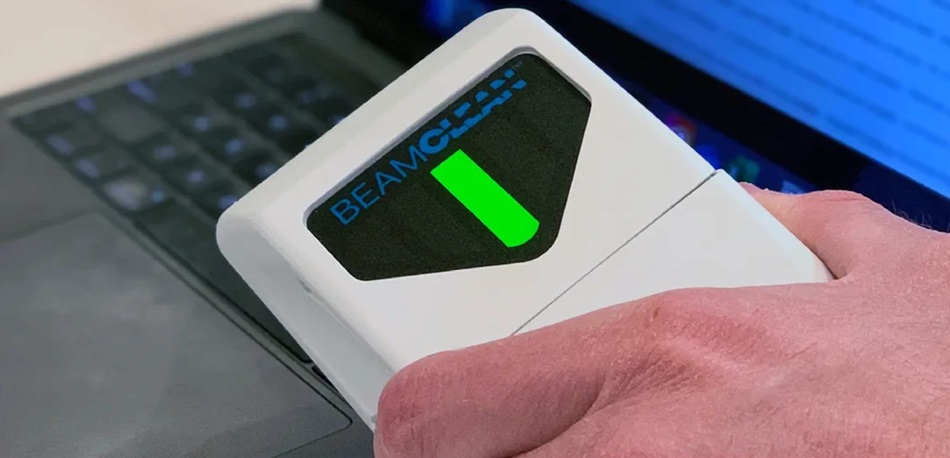
First-Of-Its-Kind Portable Germicidal Light Technology Disinfects High-Touch Clinical Surfaces in Seconds
Reducing healthcare-acquired infections (HAIs) remains a pressing issue within global healthcare systems. In the United States alone, 1.7 million patients contract HAIs annually, leading to approximately... Read moreHealth IT
view channel
EMR-Based Tool Predicts Graft Failure After Kidney Transplant
Kidney transplantation offers patients with end-stage kidney disease longer survival and better quality of life than dialysis, yet graft failure remains a major challenge. Although a successful transplant... Read more
Printable Molecule-Selective Nanoparticles Enable Mass Production of Wearable Biosensors
The future of medicine is likely to focus on the personalization of healthcare—understanding exactly what an individual requires and delivering the appropriate combination of nutrients, metabolites, and... Read more

Business
view channel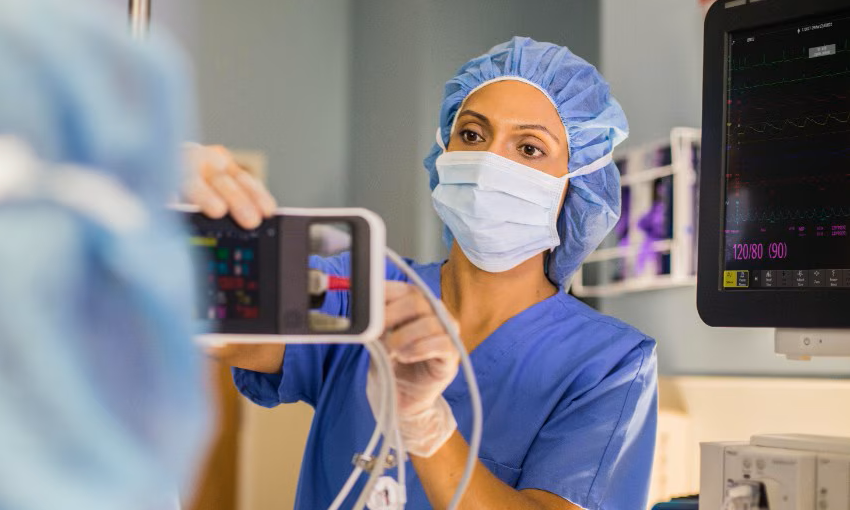
Philips and Masimo Partner to Advance Patient Monitoring Measurement Technologies
Royal Philips (Amsterdam, Netherlands) and Masimo (Irvine, California, USA) have renewed their multi-year strategic collaboration, combining Philips’ expertise in patient monitoring with Masimo’s noninvasive... Read more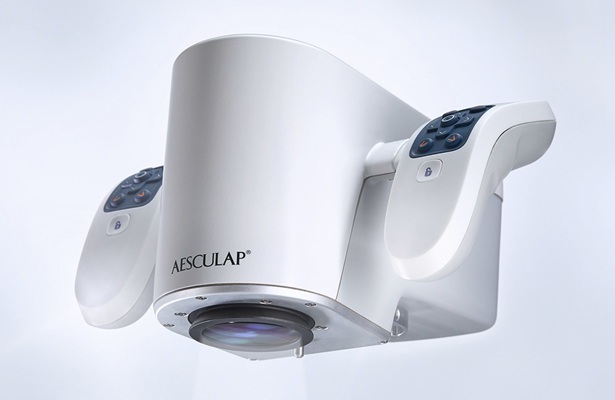
B. Braun Acquires Digital Microsurgery Company True Digital Surgery
The high-end microsurgery market in neurosurgery, spine, and ENT is undergoing a significant transformation. Traditional analog microscopes are giving way to digital exoscopes, which provide improved visualization,... Read more
CMEF 2025 to Promote Holistic and High-Quality Development of Medical and Health Industry
The 92nd China International Medical Equipment Fair (CMEF 2025) Autumn Exhibition is scheduled to be held from September 26 to 29 at the China Import and Export Fair Complex (Canton Fair Complex) in Guangzhou.... Read more