Novel Flexible Robotic System to Offer Best-In-Class Endoscopic Visualization
|
By HospiMedica International staff writers Posted on 08 Jan 2024 |


|
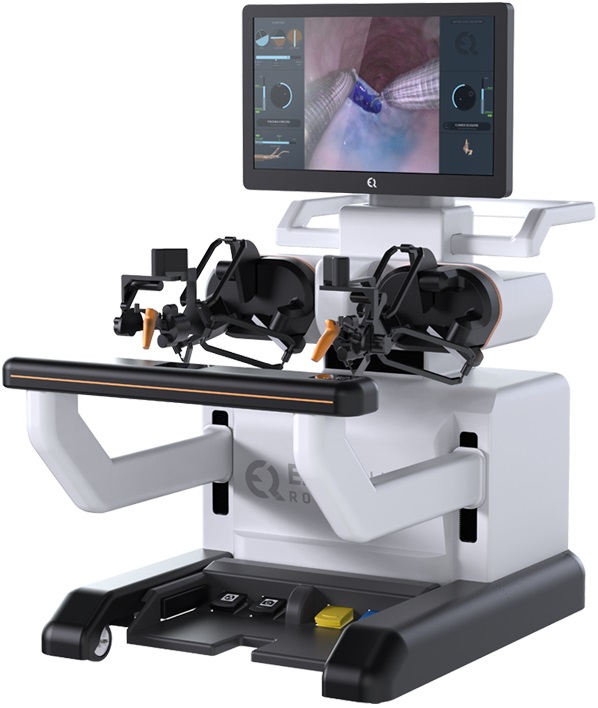
A revolutionary flexible endoluminal robotic system will combine market-leading sensor technology into its visualization component, ultimately improving patient outcomes and redefining a new standard of care in minimally invasive surgery.
EndoQuest Robotics (Houston, TX, USA), a medical device company pioneering the development of innovative endoluminal robotic technologies, and OMNIVISION (Santa Clara, CA, USA), a developer of semiconductor solutions, including advanced digital imaging, and touch display technology, have entered into a partnership to integrate OMNIVISION's OCHFA CameraCubeChip into EndoQuest's Flexible Robotic System.
To address the unmet needs in gastrointestinal (GI) and other endoluminal surgeries, EndoQuest is developing a novel robotic system that offers precision, flexibility, and improved patient outcomes. The system uses proprietary technology to navigate and perform procedures within the body's natural orifices, including transoral and transanal, thus enabling the least invasive interventions and improving the capabilities of healthcare professionals. As compared to conventional open, laparoscopic, or robotic surgery, which requires incisions through healthy tissue to access the site of surgical intervention, EndoQuest’s revolutionary approach minimizes external incisions and related complications. Incorporating OMNIVISION's market-leading sensor technology into the visualization component of EndoQuest’s first-of-its-kind platform will take patient care and surgical visualization to the next level.
"We are excited to be able to incorporate OMNIVISION's market-leading sensor technology into the visualization component of our first of its kind platform," said Kurt Azarbarzin, CEO of EndoQuest Robotics. "We recognize that advanced imaging is essential to enhancing physician capabilities, especially inside the lumen of the gastrointestinal (GI) tract. OMNIVISION's newest technology is ideal for our Flexible Robotic System."
"We are pleased to integrate our OCHFA CameraCubeChip into the EndoQuest Robotics platform," said Tehzeeb Gunja, OMNIVISION's Director of Medical Marketing. "The OCHFA CameraCubeChip is a high-performance visualization solution built with OMNIVISION's PureCel Plus-S pixel technology, with a small 1.008-micron (µm) pixel size, in a 1/8-inch optical format; it features 720x720 resolution at 30 frames per second. The PureCel Plus-S technology enables high full-well capacity, zero blooming and lower power consumption for crisp, clear life-like images. The OCHFA CameraCubeChip comes in a compact 1.075 x 1.075-millimeter (mm) size, with a 5mm to 50mm focus range and 120-degree diagonal field-of-view that is ideal for GI and other endoluminal procedures. It is a medical-grade, trusted component that undergoes comprehensive certification, qualification and testing, taking patient care and surgical visualization to the next level."
Related Links:
EndoQuest Robotics
OMNIVISION





Latest Surgical Techniques News
- FDA Clears Integrated Platform for Real-Time Cardiac Imaging and Catheter Guidance
- New Microcatheter Enhances Lesion Crossing in Complex Coronary Interventions
- Integrated PET/MRI and EEG Improves Presurgical Lesion Localization in Pediatric Focal Epilepsy
- Integrated Perioperative Care Model Improves Recovery in Older Surgical Patients
- New Transvaginal Transducer Improves Imaging for Gynecology and Early Obstetrics
- FDA Approves Abbott Dual-Energy Catheter for Complex AFib Cases
- Mobile 3-in-1 Imaging System Advances Intraoperative Navigation
- First Thyroid Cancer-Specific Anxiety Scale Supports Patient-Centered Care
- Tissue-Mimicking Scaffold Could Improve Rotator Cuff Repair
- Augmented Reality System Integrates Intraoperative Data for Hip Arthroscopy
- Nanobone Material Activates Natural Repair Signals to Regrow Bone
- First Robotic Dual Liver-Kidney Transplant Expands Minimally Invasive Transplant Surgery
- Functional Coronary Angiography Improves Outcomes in STEMI With Multivessel Disease
- Researchers Advance Novel Therapy for Hard-to-Heal Diabetic Foot Wounds
- Robotic System Aims to Expand Access to Stroke Thrombectomy
- Biodegradable Gastric Stent Could Eliminate Repeat Procedures After Bariatric Surgery
Channels
Artificial Intelligence
view channel
Explainable AI Tool Identifies High-Risk Patients Before Heart Attack Reperfusion
Intramyocardial hemorrhage is bleeding within the heart muscle that can occur after blood flow is restored during heart attack treatment. It affects about 40% of patients treated for ST-segment elevation... Read more
AI Tools Show Potential to Detect Subtle Signs of Interval Breast Cancer
Interval breast cancers, diagnosed after a negative screening mammogram and before the next scheduled exam, remain an important measure of screening performance and are often more aggressive.... Read more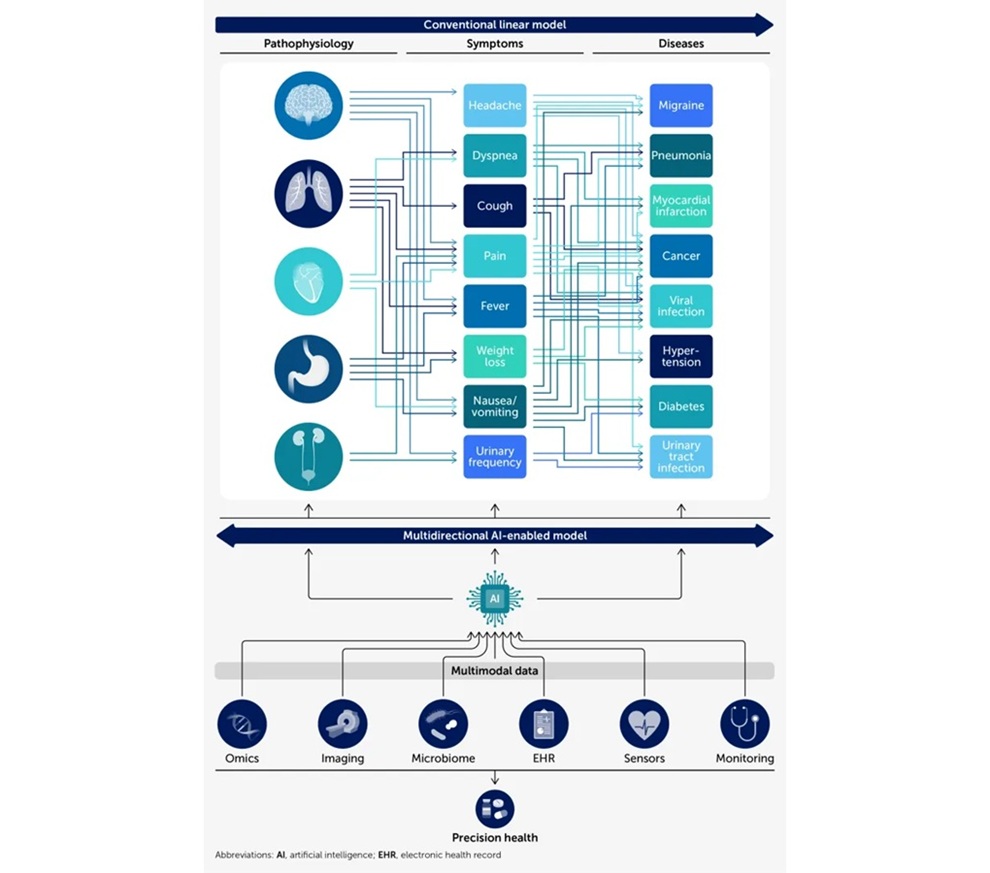

Critical Care
view channel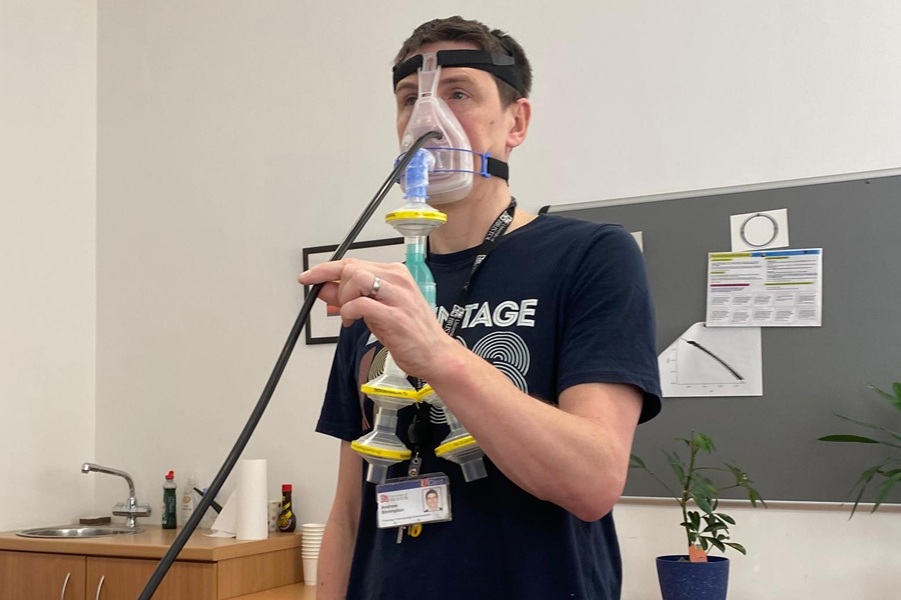
Scotland Adopts Respiratory Infection Control Guidance Informed by Aerosol Research
Preventing respiratory infection transmission in hospitals remains a core patient and staff safety priority. Many precautions have hinged on the assumption that certain clinical interventions create high-risk... Read more
Hospital Safety Program Linked to 65% Reduction in MRSA Bloodstream Infections
Hospital-onset methicillin-resistant Staphylococcus aureus (MRSA) bloodstream infections are difficult to treat and increase morbidity, mortality, and costs for acutely ill patients. Vulnerability rises... Read more
Patient Care
view channel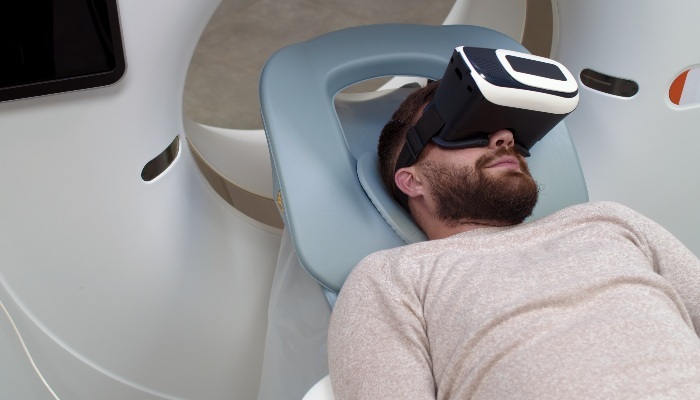
Virtual Reality Helps Claustrophobic Patients Complete Cardiac PET/CT Scans
Anxiety and claustrophobia—intense fear of confined spaces—often prevent patients from completing cardiac positron emission tomography/computed tomography (PET/CT). Aborted scans delay diagnosis, consume... Read more
Weighted Blankets Reduce Anxiety in Hospitalized Adults
Anxiety is common among hospitalized adults and can impair recovery, disrupt sleep, and worsen mental health. Although clinicians often use nonpharmacologic strategies, bedside options that act quickly... Read more
Medical Imaging
view channel
AI Models Evaluated for Spotting Ischemic Stroke Lesions on Routine MRI
Rapid detection of ischemic stroke on brain MRI is essential because treatment benefit declines with time. Many centers first acquire contrast-free MRI FLAIR sequences because they are quick and broadly... Read more
Noninvasive MRI Spectroscopy Classifies Pediatric Medulloblastoma Molecular Subgroups
Medulloblastoma, the most common malignant pediatric brain tumor, requires precise molecular classification to guide therapy and predict outcomes. Current subgrouping typically depends on surgical sampling... Read more

Health IT
view channel
Registry-Driven Digital Outreach Boosts Use of Heart Failure Medicines
Heart failure affects more than 64 million people worldwide and is linked to high mortality, reduced quality of life, and heavy healthcare use. Although sodium-glucose cotransporter 2 inhibitors are proven... Read more
Nurse-Coordinated Care Model Improves Heart Failure Outcomes
Heart failure imposes heavy mortality, morbidity, and cost burdens worldwide, yet proven therapies remain underused in routine practice. This inadequate uptake contributes to preventable hospitalizations... Read more

Point of Care
view channel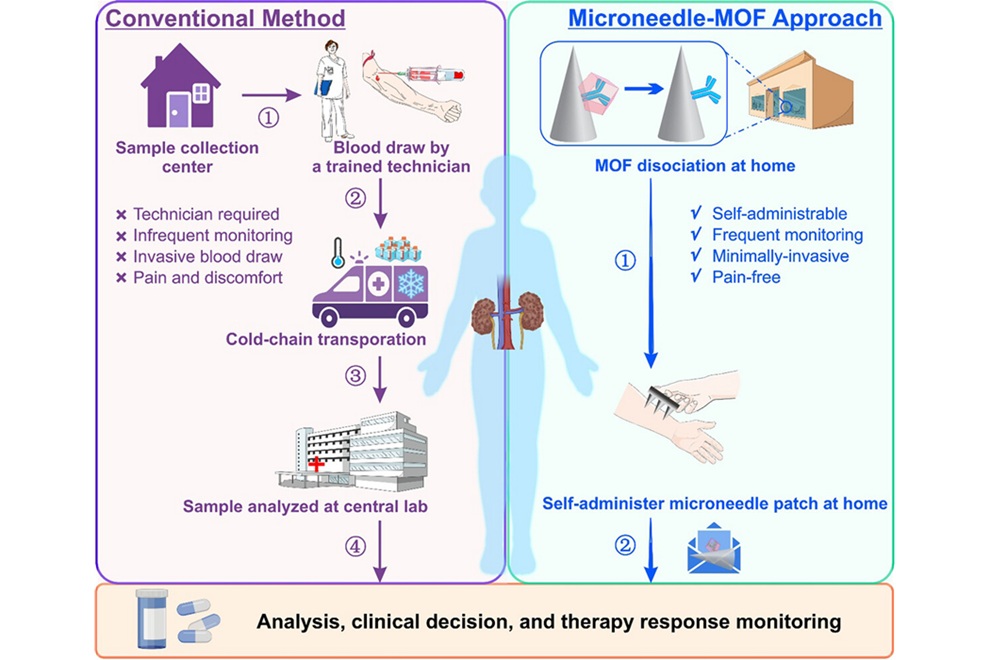
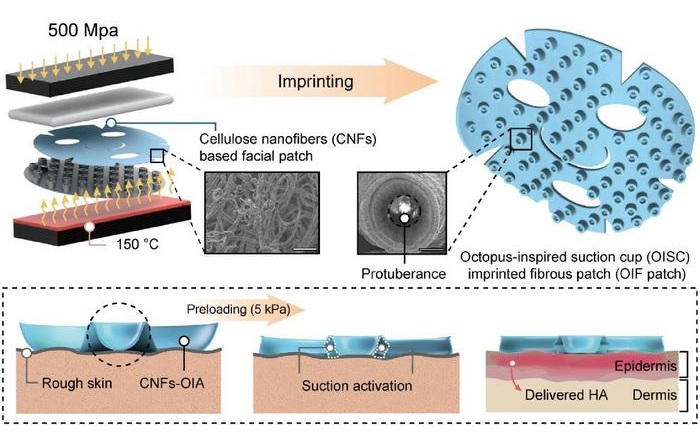
Microneedle Patch Enables At-Home Monitoring of Acute Kidney Injury
Kidney disease is often silent in its early stages, making timely detection difficult outside clinical settings. Early biomarkers such as neutrophil gelatinase–associated lipocalin can require blood draws... Read more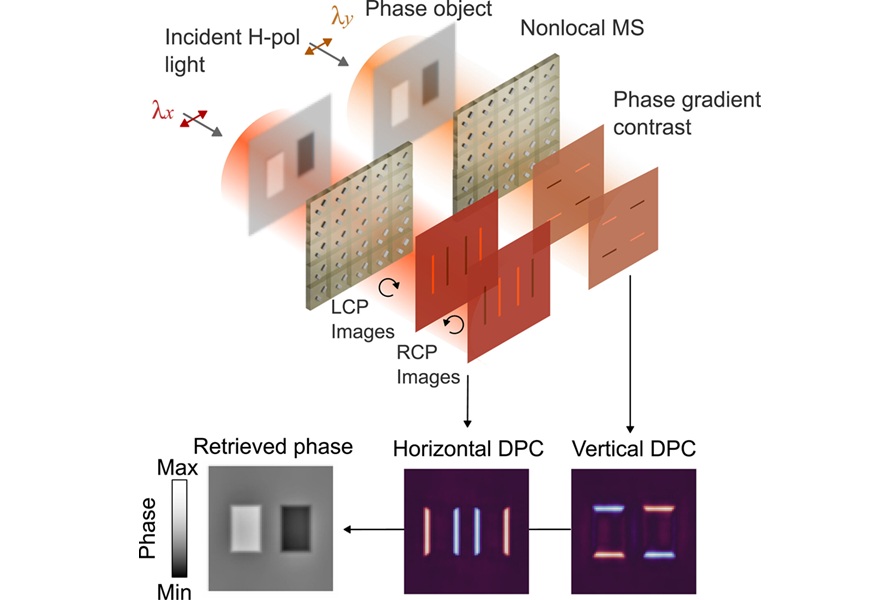
Ultrathin Metasurface Could Bring Quantitative Phase Imaging to Portable Devices
Point-of-care imaging often depends on bulky optical systems that have difficulty visualizing nearly transparent cells and tissues without staining. These limitations can slow diagnosis and restrict use... Read more
Business
view channel
Robotic Single-Port System Gains CE Mark for Transvaginal Gynecologic Procedures
Intuitive (Sunnyvale, CA, USA) announced that it has received CE mark approval for use of the da Vinci SP Single Port surgical system in transvaginal gynecologic procedures, marking the first such indication... Read more