AI Tool Helps Clinicians Prescribe Right Dose of Warfarin to Heart Surgery Patients
|
By HospiMedica International staff writers Posted on 14 Mar 2024 |


|

Warfarin, a widely used oral anticoagulant, requires personalized dosing for each patient following heart surgery, unlike other drugs which have a standard adult dosage. The dosage determination depends on the International Normalized Ratio (INR) test, a blood test that gauges the blood's clotting time. Achieving the appropriate warfarin dosage is critical; too low a dose could lead to clot formation, whereas too high a dose increases the risk of internal bleeding or other serious complications. Frequent INR monitoring is essential post-initiation of warfarin therapy to assess the patient's drug response. The warfarin dose is then adjusted based on achieving a therapeutic INR range. This dosage adjustment process continues until the desired INR range is attained. However, finding the correct warfarin dose can be challenging due to the multitude of factors influencing its effectiveness, including genetic makeup, kidney and liver function, and the timing of drug initiation post-surgery. Until now, clinicians had to manually consider all these variables for determining the patient's dose. But now, a new artificial intelligence (AI) tool can automatically account for them and calculate a dose for use as a reference.
The AI tool developed by a group of researchers at St. Michael’s Hospital (Toronto, Canada) can help clinicians prescribe warfarin to heart surgery patients by guiding their use of the blood thinner medication. The tool was developed using data from more than 1,000 heart surgery patients who were administered warfarin that included variables such as patient characteristics, health conditions, individual warfarin doses, and response to the anticoagulant. The tool was then tested using a second set of data and validated for accuracy. The tool incorporates two validated AI models: one for predicting the warfarin dose in patients undergoing mechanical valve replacement, and another for dosing in all other heart surgery patients. This AI tool is currently in use at St. Michael’s Hospital, where it has received positive feedback from clinicians.
“People talk about the art of dosing, and some clinicians have a knack for it. But the nice thing about this tool is that it’s an extra layer of validation for patients for whom we’re struggling to get the right dose,” said Lindsay Dryden, St. Michael’s Hospital clinical pharmacist. “It’s something that clinicians can hang their hat on and that gives them a bit more confidence.”
“It’s a predictive tool that’s based off retrospective data – so if a patient comes in with similar characteristics and variables of past patients, we can predict how they might respond to a similar warfarin dose,” added Jacquelin Song, interim manager of Practice Innovation and Change. “This is an extra tool to help support clinical decision-making, almost like a second opinion.”
Related Links:
St. Michael’s Hospital






Latest AI News
- AI-Powered ECG Model Gains FDA Authorization for Emergency Cardiac Assessment
- AI Improves Non-Contrast CT Interpretation for Time-Sensitive Stroke Assessment
- Explainable AI Tool Identifies High-Risk Patients Before Heart Attack Reperfusion
- AI Tools Show Potential to Detect Subtle Signs of Interval Breast Cancer
- AI Framework Aims to Turn Medical Care from Reactive to Preventive
- AI Model Predicts Indwelling Catheter Use After Spinal Cord Injury
- AI Tool Uses Mammograms to Detect Common Cardiovascular Diseases
- AI Tool Predicts Post-Heart Attack Trajectories to Personalize Follow-Up
- AI Digital Twin Platform Supports Personalized Cancer Treatment
- Study Reveals Persistent Race and Gender Bias in Medical AI Models
- New Study Highlights Benefits and Risks of AI Explanations in Clinical Diagnosis
- AI Improves Bronchoscopic Navigation to Difficult-to-Reach Lung Lesions
- Collaborative AI System Improves Medical Diagnostic Accuracy
Channels
Artificial Intelligence
view channel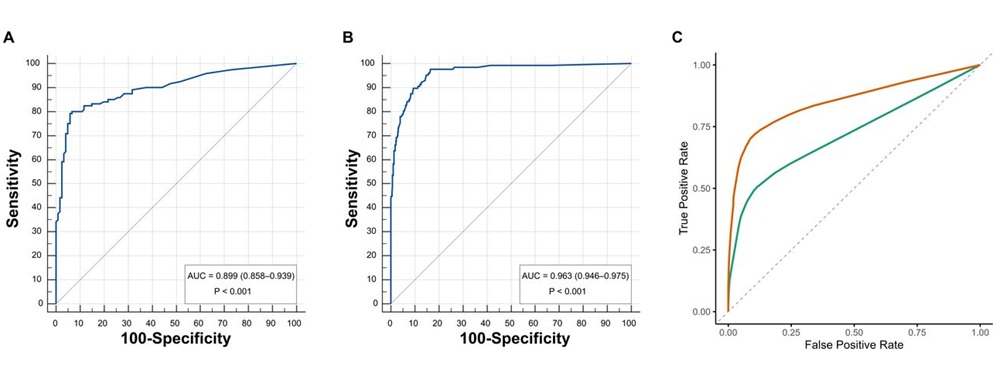
AI Improves Non-Contrast CT Interpretation for Time-Sensitive Stroke Assessment
Acute ischemic stroke occurs when a blood vessel in the brain becomes blocked, requiring rapid diagnosis to enable timely reperfusion therapy. Emergency departments often use computed tomography angiography... Read more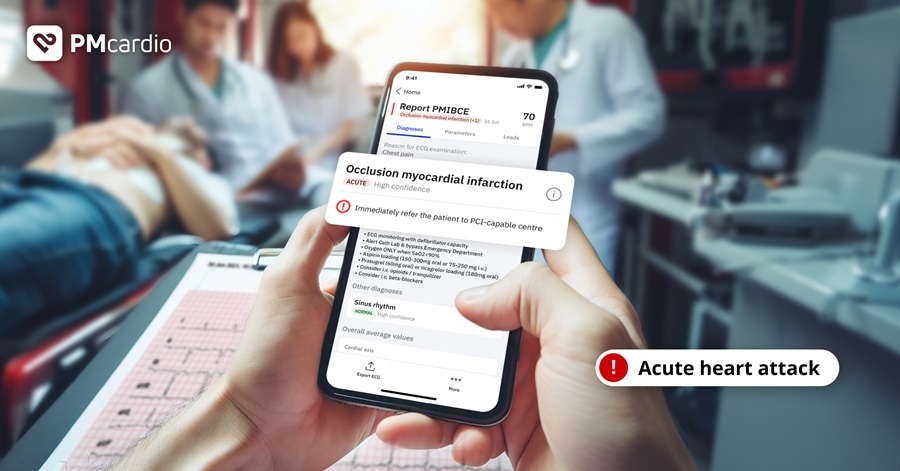
AI-Powered ECG Model Gains FDA Authorization for Emergency Cardiac Assessment
Powerful Medical’s PMcardio Queen of Hearts (ACS AI ECG Model) has received U.S. Food and Drug Administration (FDA) De Novo authorization, announced on September 15, 2026. The model is designed to identify... Read more

Critical Care
view channel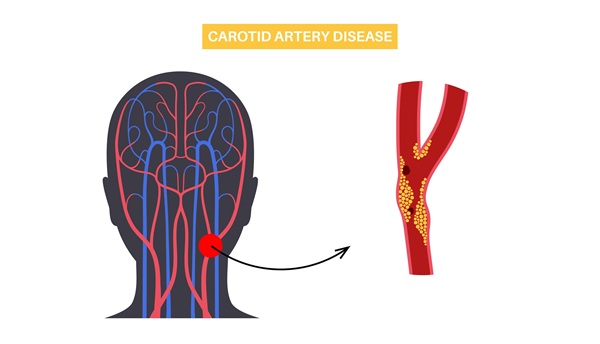
AI-Enhanced Handheld Ultrasound Improves Carotid Plaque Detection
Handheld ultrasound can miss small or faint carotid plaque, creating uncertainty in community screening. This gap makes it harder for frontline clinicians to decide who needs confirmatory imaging, closer... Read more
Noninvasive Imaging Approach Aims to Detect Basal Cell Carcinoma Before It Becomes Visible
Basal cell carcinoma is the most common form of skin cancer and can damage nearby structures such as the nose or eyes when it develops on the face. Diagnosis typically depends on visible skin changes,... Read more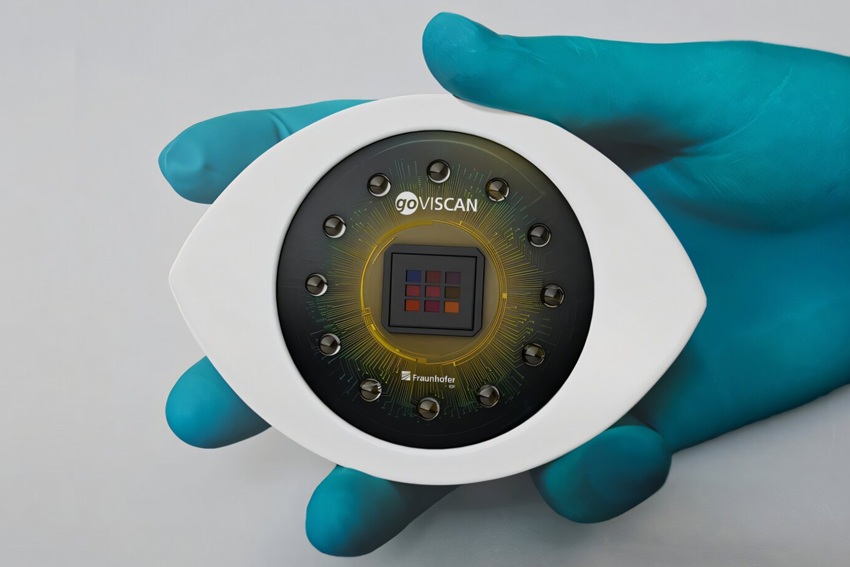

Patient Care
view channel
EHR Model Flags High-Risk Periods in Patients with Metastatic Breast Cancer
Determining when patients with metastatic breast cancer are nearing the end of life remains difficult, often leading to intensive interventions with limited benefit. Prognostic uncertainty can delay goals-of-care... Read more
Virtual Reality Helps Claustrophobic Patients Complete Cardiac PET/CT Scans
Anxiety and claustrophobia—intense fear of confined spaces—often prevent patients from completing cardiac positron emission tomography/computed tomography (PET/CT). Aborted scans delay diagnosis, consume... Read more

Medical Imaging
view channel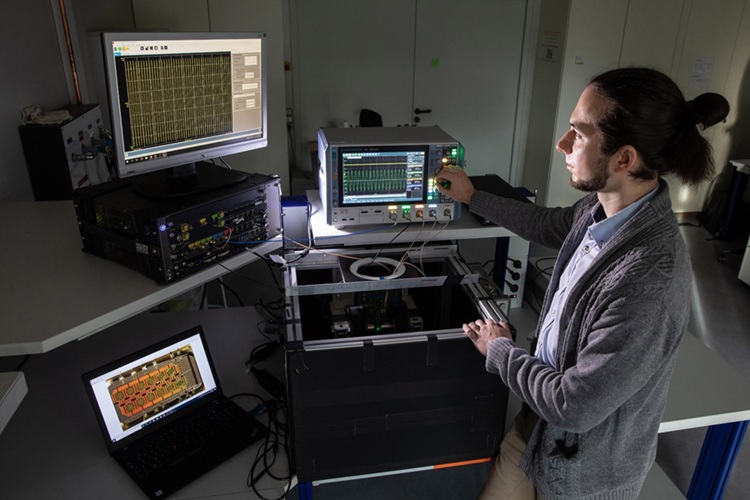
New MRI Approach Captures Rapidly Decaying Tissue Signals
MRI measures signals generated as excited proton spins return toward equilibrium. However, some tissue signals decay so rapidly that conventional systems can miss them during the brief interval after excitation,... Read more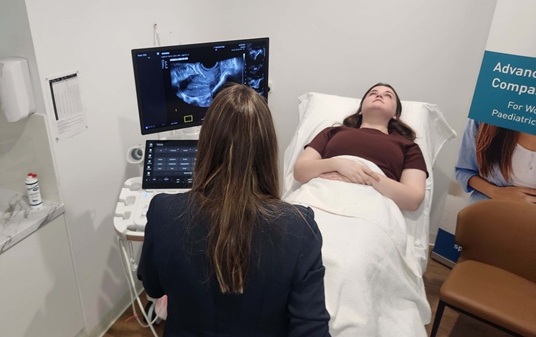
AI Tool Integrates MRI and Ultrasound to Detect Endometriosis
Endometriosis is a chronic condition in which tissue similar to the uterine lining grows outside the uterus, causing pain, heavy bleeding, and infertility. Diagnosis often depends on surgical visualization,... Read more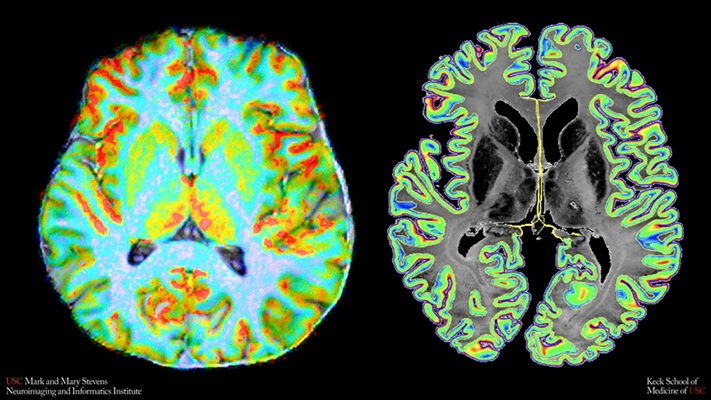

Health IT
view channel
New Tablet Platform Extends Stroke Neurorehabilitation Beyond the Clinic
Continuity and intensity of neurorehabilitation after stroke are critical for functional recovery, but access to ongoing therapy at home often remains limited. Hospitals and outpatient programs therefore... Read more
Smartphone App Improves Blood Pressure Control in Hypertension
Hypertension, or high blood pressure, is a major modifiable driver of cardiovascular, renal, and cerebrovascular morbidity. Despite effective therapies, many adults fail to achieve control, leading to... Read more

Point of Care
view channel
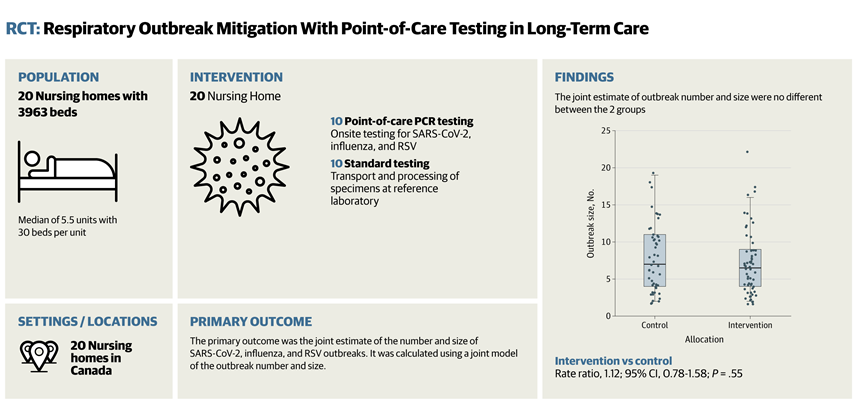
Continuous Glucose Monitoring Identifies Cardiometabolic Risk in Adults Without Diabetes
Dysglycemia—abnormal blood glucose regulation—can fluctuate throughout the day and often escape conventional screening. Clinicians typically rely on fasting plasma glucose and hemoglobin A1c, which offer... Read more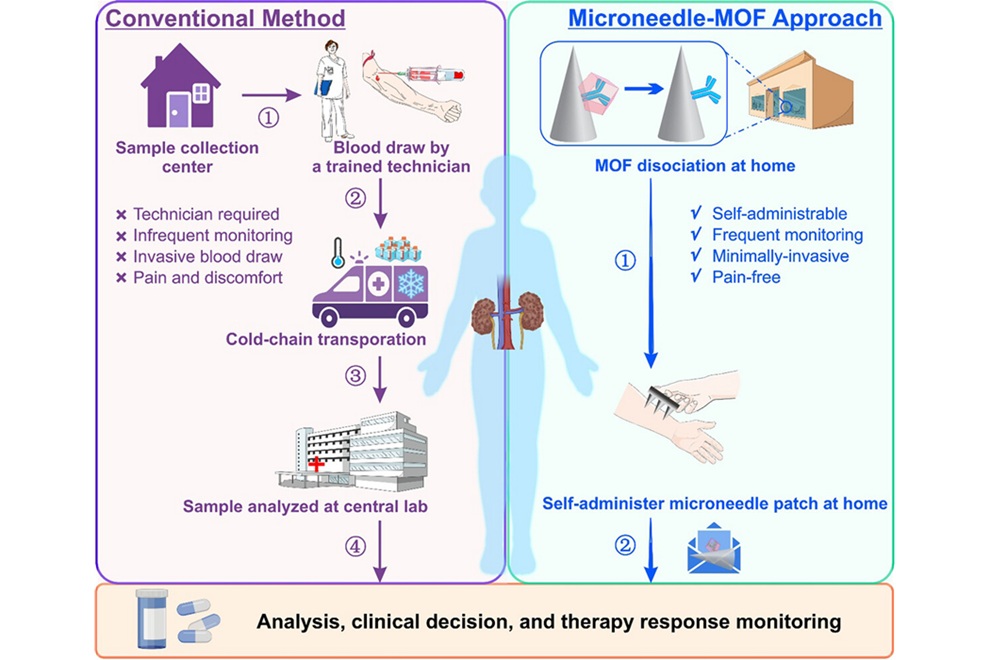
Microneedle Patch Enables At-Home Monitoring of Acute Kidney Injury
Kidney disease is often silent in its early stages, making timely detection difficult outside clinical settings. Early biomarkers such as neutrophil gelatinase–associated lipocalin can require blood draws... Read more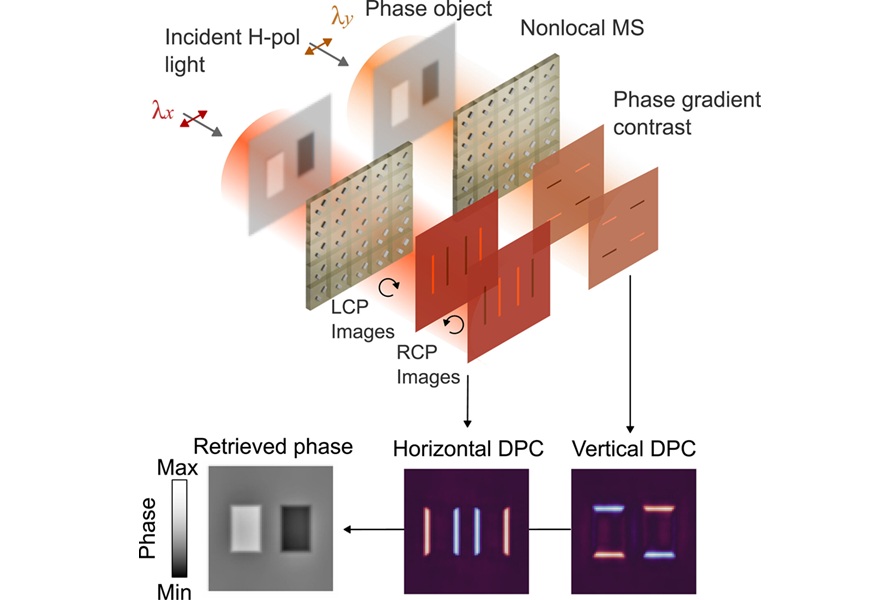
Business
view channel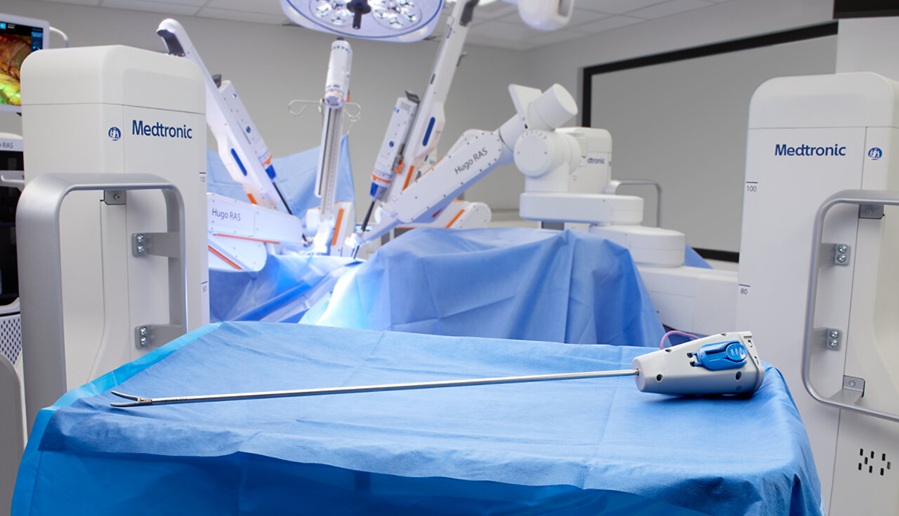
Medtronic Receives FDA Clearance for Vessel-Sealing Instrument for Robotic Surgery
As robotic-assisted surgery expands across U.S. hospitals, teams increasingly seek energy instruments with the familiarity and performance of tools used in open and laparoscopic procedures.... Read more
Robotic Single-Port System Gains CE Mark for Transvaginal Gynecologic Procedures
Intuitive (Sunnyvale, CA, USA) announced that it has received CE mark approval for use of the da Vinci SP Single Port surgical system in transvaginal gynecologic procedures, marking the first such indication... Read more