






Living Knee Replacement to Revolutionize Osteoarthritis Treatment
|
By HospiMedica International staff writers Posted on 27 Mar 2024 |


|

Osteoarthritis is the most prevalent type of arthritis, characterized by the progressive deterioration of cartilage, or the protective tissue covering the bone ends, resulting in pain, stiffness, and impaired movement. This condition ranks as the third leading cause of disability and imposes an economic impact exceeding USD 136 billion annually. Its incidence is notably higher among women, older adults, certain racial and ethnic groups, and individuals from lower socioeconomic backgrounds, with knee osteoarthritis incidents rising due to the aging population, more frequent joint injuries, and notably, an increase in obesity.
Currently, the standard clinical remedy for severely damaged knee joints due to osteoarthritis or traumatic injuries involves total joint replacement using prosthetics composed of metal and plastic. Despite the widespread success of knee replacements, these traditional materials come with significant downsides, including the potential for infection, loosening, mechanical failure, stiffness, unnatural knee movement, instability, and continuous pain. Moreover, these knee replacements typically last 15 to 20 years, requiring subsequent replacements in younger patients due to wear and tear of the plastic components or loosening of the implant.
A team of biomedical engineers from Columbia University (New York, NY, USA) is collaborating with orthopedic surgeons to build a living replacement knee from biomaterials and human stem cells, including a patient’s own cells. The development of NOVAJoint, the revolutionary biocompatible, low-cost, patient-specific knee joint replacement, builds upon more than two decades of collaborative musculoskeletal research at Columbia in engineering and medicine, and could provide a transformative solution for millions of people globally who suffer from osteoarthritis. NOVAJoint aims to address the urgent, unmet clinical need for a permanent solution for patients with advanced osteoarthritis where a conventional knee replacement is required.
The project’s goal is to engineer a knee replacement composed of regenerated living cartilage and bone that seamlessly integrates with the body's native bone, restoring pain-free joint function. Taking into account the fact that cells are required to regenerate and maintain this living implant, two versions of NOVAJoint will be created: one utilizing the patient's cells and another employing donor cells. NOVAJoint is expected to significantly prolong the lifespan of the implant, minimize complications, and serve as a definitive treatment for knee osteoarthritis. The project timeline is ambitious, with plans to develop the initial prototypes within the first two years, followed by preclinical and clinical trials in the subsequent three years, including a Phase 1 safety clinical trial in the final year.
“This is a big challenge, but by creating a large and experienced team that works well together and can be focused on one goal, we expect to succeed,” said Nadeen O. Chahine, Associate Professor of Biomedical Engineering at Columbia University and a leader in orthopedic research. “NOVAJoint will mark a major milestone in the field of regenerative medicine and orthopedic surgery, and has the potential to revolutionize musculoskeletal treatments of the many joints that degenerate with age or injury.”
Related Links:
Columbia University






Latest Surgical Techniques News
- Ultrasound Technology Aims to Replace Invasive BPH Procedures
- Continuous Monitoring with Wearables Enhances Postoperative Patient Safety
- New Approach Enables Customized Muscle Tissue Without Biomaterial Scaffolds
- Robot-Assisted Brain Angiography Improves Procedural Outcomes
- Brain Mapping Technology Enhances Precision in Brain Tumor Resection
- Handheld Robotic System Expands Options for Total Knee Surgery
- VR Experience Reduces Patient Anxiety Before Kidney Stone Procedure
- Injectable Mini Livers Offer Hope for Patients Awaiting Transplant
- Pulsed Field Ablation Technology Cleared in Europe for Persistent AFib
- AI-Powered Imaging Brings Real-Time Margin Clarity to Breast Cancer Surgery
- Minimally Invasive Device Safely Treats Challenging Brain Aneurysms
- Surgical Robot Makes Complex Liver Tumor Surgery Safer and Less Invasive
- Neurostimulation Implant Reduces Seizure Burden in Drug-Resistant Epilepsy
- Minimally Invasive Procedure Effectively Treats Small Kidney Cancers
- Fluorescence Probe Paired with Engineered Enzymes Lights Up Tumors for Easier Surgical Removal
- Novel Hydrogel Could Become Bone Implant of the Future
Channels
Artificial Intelligence
view channel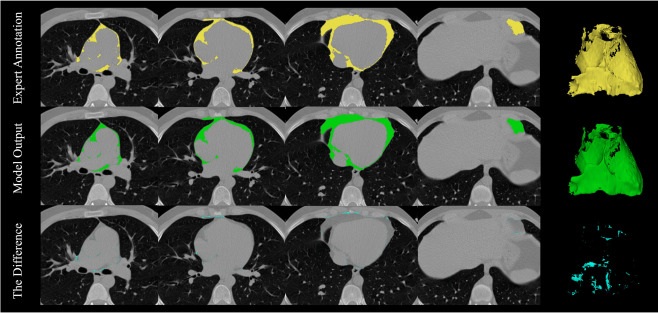
AI Analysis of Pericardial Fat Refines Long-Term Heart Disease Risk
Accurately identifying long-term cardiovascular disease risk in asymptomatic adults remains challenging for clinicians. Missed or underestimated risk delays preventive therapy and increases the chance... Read more
Machine Learning Approach Enhances Liver Cancer Risk Stratification
Hepatocellular carcinoma, the most common form of primary liver cancer, is often detected late despite targeted surveillance programs. Current screening guidelines emphasize patients with known cirrhosis,... Read more

Critical Care
view channel
Noninvasive Monitoring Device Enables Earlier Intervention in Heart Failure
Hospitalizations for heart failure with preserved ejection fraction (HFpEF) remain common because lung congestion often worsens before symptoms prompt treatment changes. Missed early decompensation... Read more
Automated IV Labeling Solution Improves Infusion Safety and Efficiency
Medication administration in high-acuity settings is often complicated by multiple concurrent infusions, making accurate line identification essential. In a 10-hospital intensive care unit study, 60% of... Read more

Patient Care
view channel
Wearable Sleep Data Predict Adherence to Pulmonary Rehabilitation
Chronic obstructive pulmonary disease (COPD) is a long-term lung disorder that makes breathing difficult and often disturbs sleep, reducing energy for daily activities. Limited engagement in pulmonary... Read more
Revolutionary Automatic IV-Line Flushing Device to Enhance Infusion Care
More than 80% of in-hospital patients receive intravenous (IV) therapy. Every dose of IV medicine delivered in a small volume (<250 mL) infusion bag should be followed by subsequent flushing to ensure... Read more

Health IT
view channel
EMR-Based Tool Predicts Graft Failure After Kidney Transplant
Kidney transplantation offers patients with end-stage kidney disease longer survival and better quality of life than dialysis, yet graft failure remains a major challenge. Although a successful transplant... Read more
Printable Molecule-Selective Nanoparticles Enable Mass Production of Wearable Biosensors
The future of medicine is likely to focus on the personalization of healthcare—understanding exactly what an individual requires and delivering the appropriate combination of nutrients, metabolites, and... Read more


Business
view channel
GE HealthCare Leads Major European Initiative to Advance Cardio-Oncology Care
Cardiovascular complications are increasingly recognized among people undergoing or recovering from cancer treatment, driven by pre‑existing disease and the cardiotoxic effects of chemotherapy, radiotherapy,... Read more

