New Surgical Tool Empowers Precision and Confidence in Operating Room
|
By HospiMedica International staff writers Posted on 10 Apr 2024 |


|

The increasing prevalence of breast cancer has created the need for advancements in minimally invasive and patient-centric surgical techniques. Now, a minimally invasive surgical tool has been designed to empower surgeons and improve outcomes for patients with breast cancer.
MOLLI Surgical (Deerfield, IL, USA) has launched OncoPen, a sleek, pen-like wand that seamlessly integrates with the MOLLI 2 System, offering advanced tools for precisely targeting and removing cancerous lesions. OncoPen marks a significant leap forward in the field of minimally invasive breast surgery. This unique wand provides unparalleled directional 3D guidance to surgeons. In comparison to traditional techniques, it eliminates the need to utilize wires, providing increased surgeons with scheduling flexibility and a better experience for patients. The process involves the placement of a tiny MOLLI Marker adjacent to the tumor before surgery.
In the operating room, surgeons receive real-time 3D guidance via the MOLLI Tablet, leading them directly to the lesion's exact location. This level of precision not only facilitates the removal of the target lesion with minimal incisions but also spares healthy tissue around the tumor, potentially resulting in better aesthetic outcomes for patients. The OncoPen, specifically designed for use with the MOLLI 2 System's sophisticated navigational features, significantly increases the accuracy of surgical procedures, while making them less invasive and more patient-friendly. Its pen-like design integrates smoothly into the surgical workflow, enhancing the effectiveness of the MOLLI 2 System and empowering surgeons with the confidence to perform cancer operations with unparalleled accuracy. The introduction of the OncoPen is set to significantly impact how cancer surgeries are performed.
"At MOLLI Surgical, our relentless focus is on the patient, placing their well-being at the core of all our efforts," said Ananth Ravi, President and CEO of MOLLI Surgical. "We've dedicated ourselves to solving real clinical challenges, driven by a commitment to making a tangible difference in patient care. We're profoundly grateful for the opportunity to improve the patient experience and continue to advance the field of surgical oncology with our innovations."







Latest Surgical Techniques News
- Contact Radiotherapy Offers New Organ-Preserving Approach for Rectal Cancer
- FDA Clears Antibiotic-Delivering Spacer for Infected Knee Replacements
- Covered Stent System Achieves High Nine-Month Patency in Iliac Artery Disease
- New Heart Recovery Approach May Broaden Pediatric Transplant Donor Pool
- Matrix-Based Skin Substitute Improves Closure of Diabetic Foot Ulcers
- Injectable Foam Dressing Conforms to Deep Traumatic Wounds and Inhibits Bacteria
- Magnetically Guided Capsule Enables Targeted Small Intestine Microbiome Sampling
- New FDA-Approved Pediatric Pulmonary Valve Can Expand as Children Grow
- New Software Tools Support Precision Mapping and Guidance in Cardiac Ablation
- PSMA PET/CT Imaging Guides Treatment Selection in Recurrent Prostate Cancer
- First Surgery Using Commercial Stem Cell-Derived Heart Muscle Sheets Performed in Japan
- Tile-Based Radiation Therapy Reduces Recurrence Risk After Brain Metastasis Surgery
- Ultra-Low-Dose Radiotherapy Relieves Myeloma Bone Pain in Trial
- Labor Induction Guide Improves Patient Satisfaction in Randomized Trial
- Handheld Device Improves Targeted Cell Collection for Early Ovarian Cancer Assessment
- First Human Implant Performed With New Open Mitral Annuloplasty Ring
Channels
Artificial Intelligence
view channel
AI Tool Predicts Long-Term Cardiovascular Risk from Sleep Study ECG
Sleep disorders such as insomnia and obstructive sleep apnea are established cardiovascular risk factors and are commonly evaluated with overnight polysomnography. These studies routinely record electrocardiogram... Read more
Predictive Model Supports Growth Hormone Treatment Planning in Idiopathic Short Stature
Idiopathic short stature (ISS) describes children whose height is substantially below the expected range for age and sex without an identifiable medical cause. Recombinant growth hormone therapy can support... Read more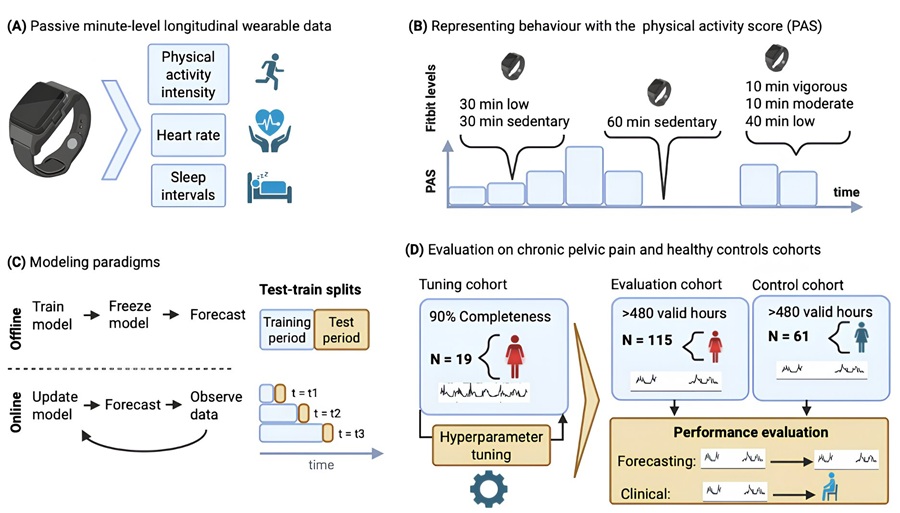

Critical Care
view channel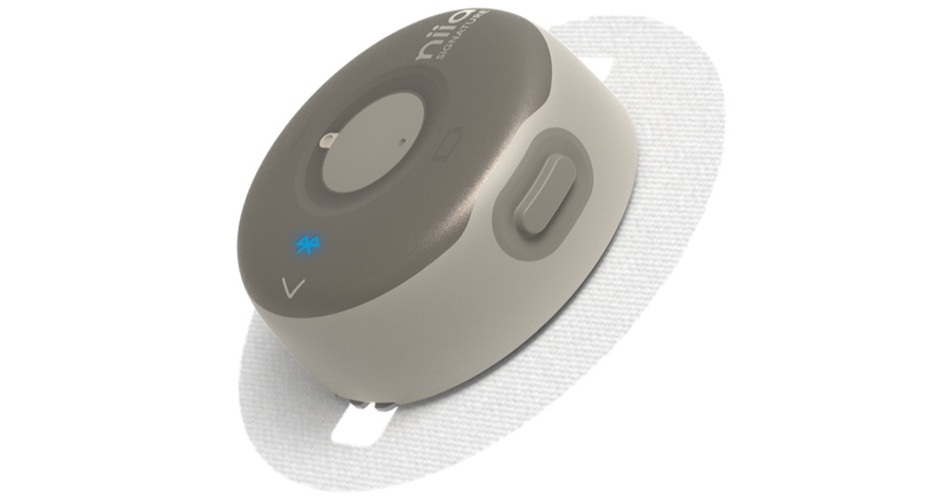
Wearable Patch Prototype Advances Toward Integrated Automated Insulin Delivery
Diabetes management requires individualized care, reliable glucose and ketone monitoring, and timely intervention. For automated insulin delivery, a key challenge is maintaining accurate glucose measurements... Read more
AI Tool Combining ECG and Blood Tests Reduces Unnecessary Heart Transplant Biopsies
Cardiac transplant rejection occurs when a recipient’s immune system attacks a donated heart. Diagnosis currently relies on biopsy, an invasive procedure in which heart muscle tissue is removed and examined... Read more
Deep Brain Stimulation Window May Matter for Parkinson’s Patients With GBA1 Variants
Patients with GBA1 gene variants may develop significant physical symptoms earlier in life while also facing greater vulnerability to cognitive problems. This combination can complicate decisions about... Read more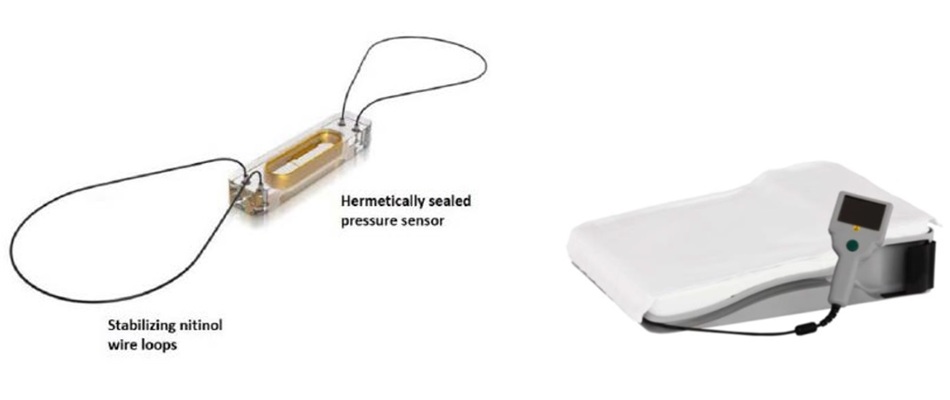
FDA-Approved App Enables Pulmonary Pressure Monitoring and Medication Guidance in Heart Failure
Heart failure is a chronic, progressive condition and a leading cause of hospitalization, with clinical status often deteriorating before symptoms appear. Rising pulmonary artery pressure can precede decompensation... Read morePatient Care
view channel
AI Platform Personalizes Support Between Visits for Cancer Survivors
Cancer survivors often manage persistent side effects after treatment, including fatigue, anxiety, uncertainty, symptoms, stress, and questions between appointments. Clinical teams need ways to maintain... Read more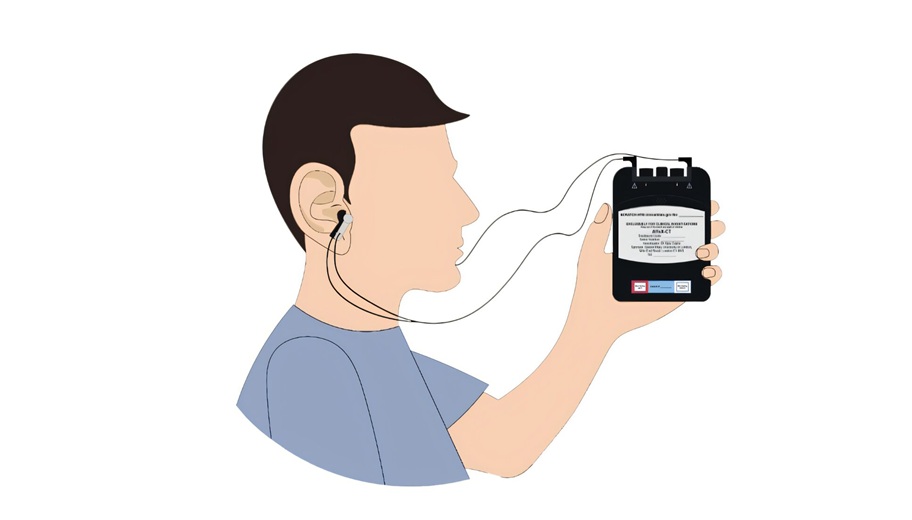
At-Home Neuromodulation Shows Promise in Selected Patients With Hypertension
High blood pressure is a major risk factor for cardiovascular disease, including heart attack and stroke. Many patients receiving treatment for hypertension still remain above recommended blood pressure... Read more
EHR Model Flags High-Risk Periods in Patients with Metastatic Breast Cancer
Determining when patients with metastatic breast cancer are nearing the end of life remains difficult, often leading to intensive interventions with limited benefit. Prognostic uncertainty can delay goals-of-care... Read more
Medical Imaging
view channel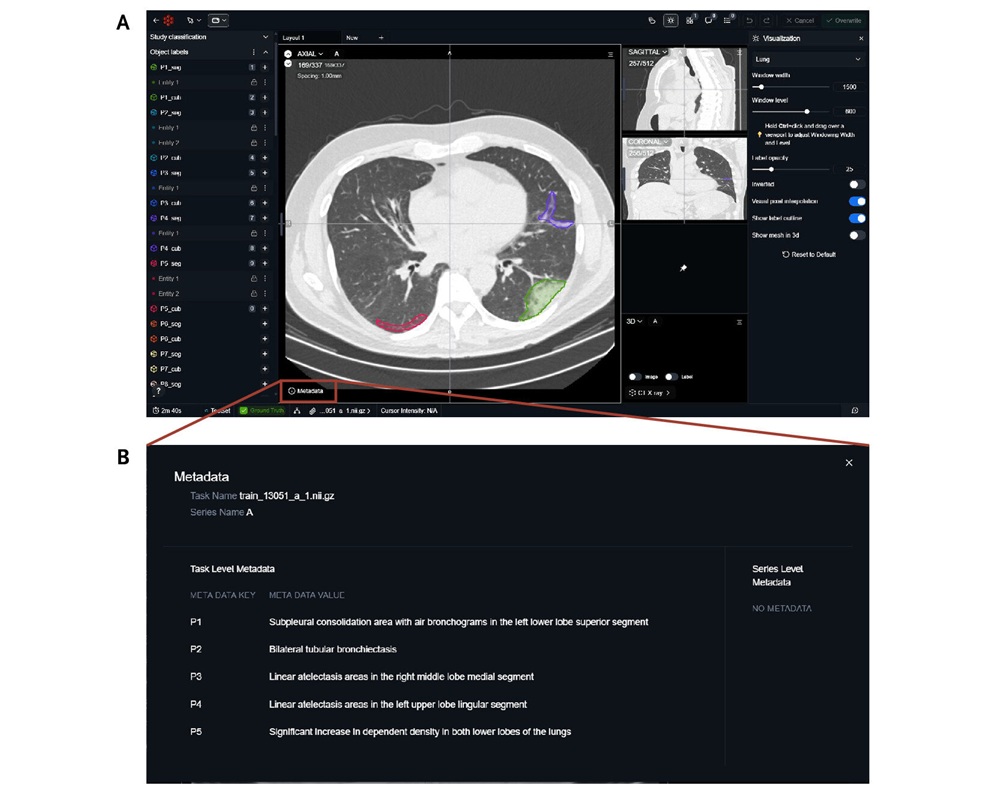
Public Chest CT Dataset Supports Explainable AI in Diagnostic Radiology
Chest computed tomography scans generate complex three-dimensional images that can be difficult for artificial intelligence systems to explain clearly. Clinicians need to verify AI findings before using... Read more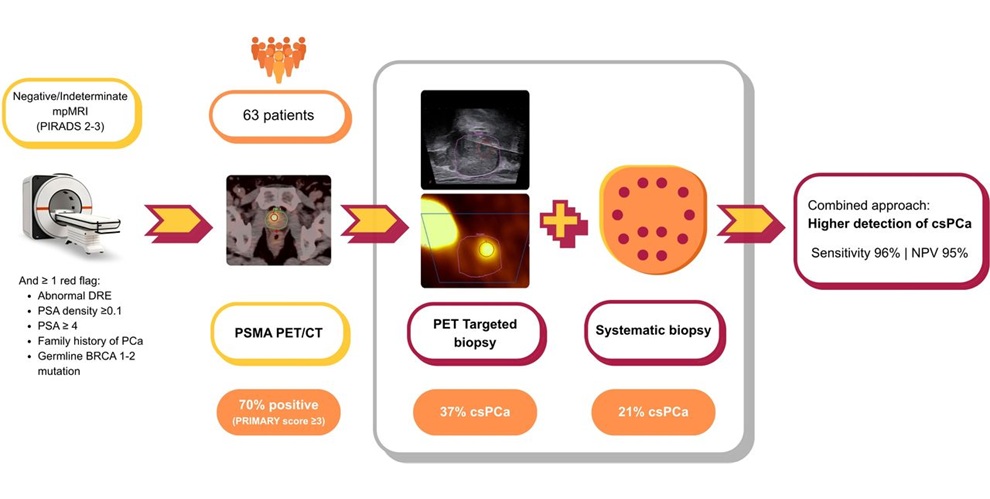
PSMA PET/CT-Guided Biopsy Improves Detection of Significant Prostate Cancer After Nondiagnostic MRI
Prostate cancer can be difficult to detect when magnetic resonance imaging (MRI) findings are negative or inconclusive. Men with persistent clinical risk factors may still require biopsy, yet standard... Read more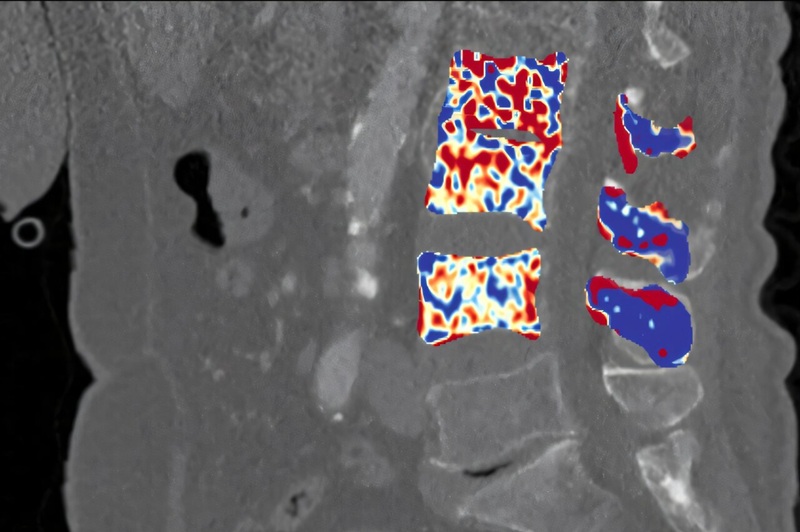
AI Software Detects Osteoporosis from Routine CT Scans
Osteoporosis can progress for years without pain, leaving bone loss undetected until a fracture or back pain prompts testing. By that point, bone loss may already be advanced. Bone density testing is not... Read more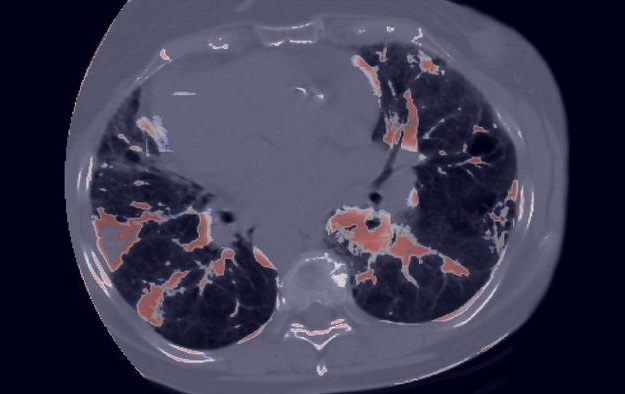
AI Model Uses Pretreatment CT Scans to Predict Immunotherapy-Related Pneumonitis Risk
Pneumonitis is a potentially life-threatening form of lung inflammation that affects about 10% of patients with lung cancer receiving immunotherapy. Because it can be difficult to predict before symptoms... Read moreHealth IT
view channel
EHR Alerts Support Dosing, Sedation, and Shock Recognition in Cardiac Care
Electronic health record alerts can add to clinician workload when they are poorly targeted. In critical cardiac care, however, delayed decisions can affect treatment timing, sedation exposure, and escalation... Read more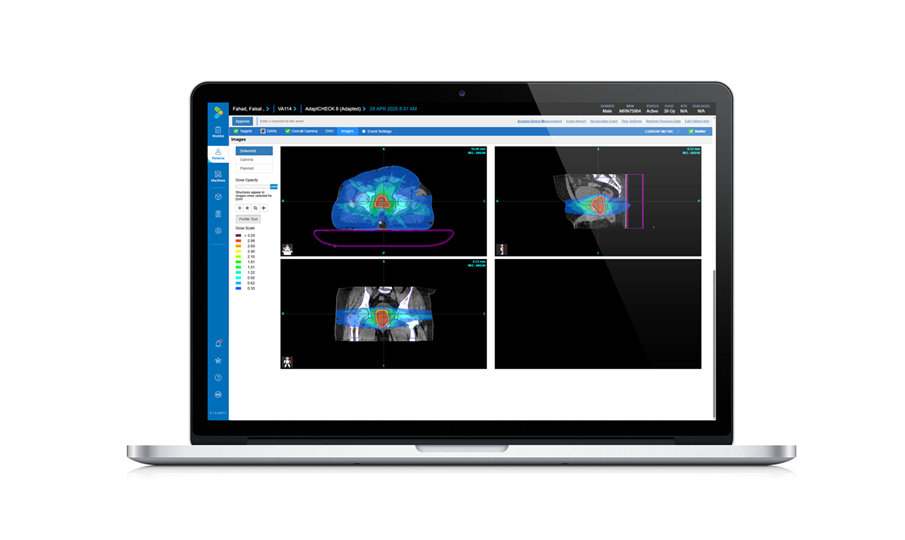
Adaptive Radiation QA Software Gains Validation for NeoArc Treatments
Adaptive radiation therapy allows clinicians to adjust treatment plans to daily anatomical changes such as tumor shrinkage, weight loss, or organ movement, improving precision while limiting exposure to... Read more

Point of Care
view channel
Continuous Glucose Monitoring Identifies Cardiometabolic Risk in Adults Without Diabetes
Dysglycemia—abnormal blood glucose regulation—can fluctuate throughout the day and often escape conventional screening. Clinicians typically rely on fasting plasma glucose and hemoglobin A1c, which offer... Read more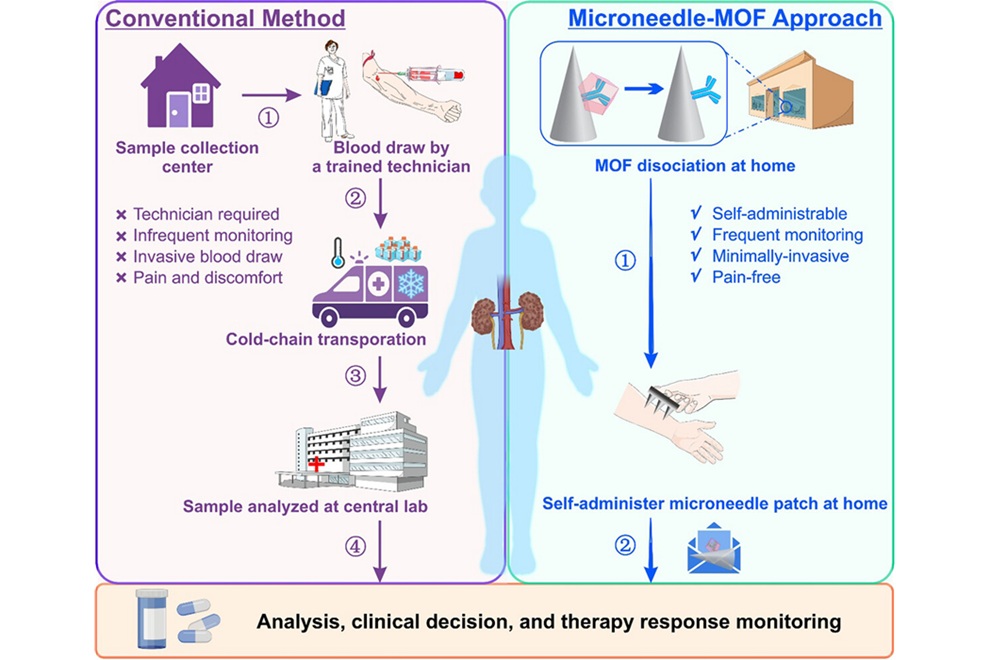
Microneedle Patch Enables At-Home Monitoring of Acute Kidney Injury
Kidney disease is often silent in its early stages, making timely detection difficult outside clinical settings. Early biomarkers such as neutrophil gelatinase–associated lipocalin can require blood draws... Read more
Business
view channel
Terumo Neuro Acquisition Advances Liquid Embolic Technology for Chronic Subdural Hematoma
Terumo Neuro (Aliso Viejo, CA, USA) signed an agreement to acquire Arsenal Medical Inc. (Waltham, MA, USA), a privately held, clinical-stage biomaterials company. The proposed acquisition would add NeoCast,... Read more
World Health Expo to Showcase Trillion-Dollar Growth Across Pharma, Biotech, Longevity and Wellness at 2027 Edition
World Health Expo (WHX) expands with the new Pharma, Biotech, Longevity and Wellness industry sectors More than 235,000 professional visits, over 4,200 exhibitors and representatives from over... Read more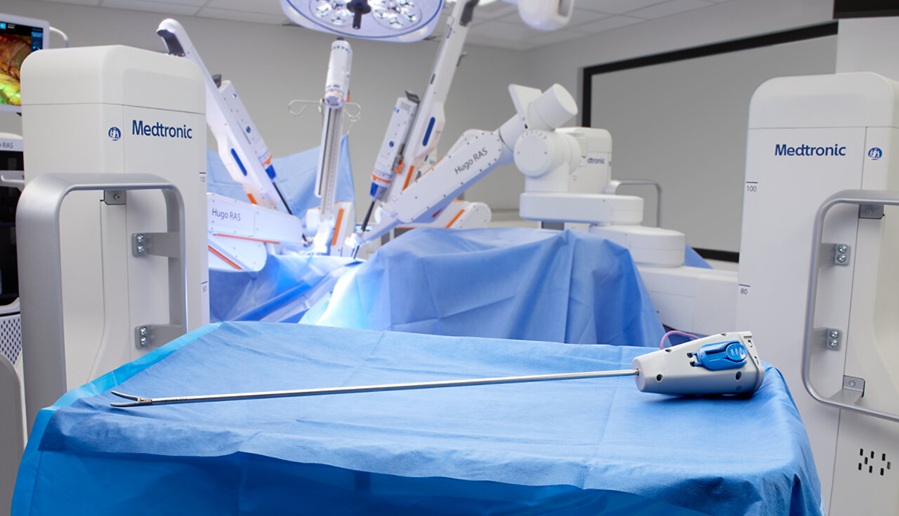
Medtronic Receives FDA Clearance for Vessel-Sealing Instrument for Robotic Surgery
As robotic-assisted surgery expands across U.S. hospitals, teams increasingly seek energy instruments with the familiarity and performance of tools used in open and laparoscopic procedures.... Read more