Artificial Intelligence Broadens Diagnostic Abilities of Conventional Coronary Angiography
|
By HospiMedica International staff writers Posted on 08 May 2024 |


|
.jpg "Image: AI yields promising results for advancing coronary angiography (Photo courtesy of 123RF)")
Coronary angiography is an essential diagnostic tool used globally to identify coronary artery disease (CAD), with millions of procedures conducted annually. Traditionally, data from coronary angiograms are restricted to detecting blockages in coronary arteries. However, advancements in artificial intelligence (AI) technology are now enhancing the diagnostic capabilities of coronary angiography, extending its utility beyond simple blockage detection to include more complex functional and hemodynamic data, which can significantly enhance clinical decision-making and improve patient outcomes. Now, a new study has demonstrated that machine learning can extract comprehensive functional and hemodynamic data from routine angiograms.
The AI-ENCODE study conducted at the Mayo Clinic (Rochester, MN, USA) has provided new insights into how AI could automate the extraction of vital functional and physiological data from routine angiograms. This study utilized sophisticated machine-learning techniques to broaden the data range extracted from routine coronary angiograms. Researchers used a database of over 20,000 angiograms from the Mayo Clinic, spanning from 2016 to 2021, to develop and validate AI algorithms capable of extracting information on left and right ventricular function, intracardiac filling pressures, and cardiac index from just one or two angiographic videos. Echocardiograms conducted around the time of the angiograms served as the comparison 'gold standard.'
The AI models were able to predict left ventricular ejection fraction (LVEF), LV filling pressures, right ventricular dysfunction, and cardiac index with areas under the receiver operating curve (AUC) of 0.87, 0.87, 0.80, and 0.82, respectively. These findings indicate that the newly developed AI models successfully extracted vital diagnostic data that typically would require additional tests, such as echocardiograms or right heart catheterization.
“Traditional diagnostic tools in cardiovascular medicine harbor vast information, but much remains underutilized. The AI-ENCODE project proved that AI can be leveraged to unlock and deliver a broader, more meaningful spectrum of clinical findings from existing angiograms,” said Mohamad Alkhouli, MD, Division Chair of Research and Innovation at Mayo Clinic School of Medicine, and lead author of the study. “This study truly shows us AI’s prowess in revealing insights beyond what the human eye can see. It is important that we leverage AI’s capabilities as a diagnostic tool to provide the best possible for our patients.”
Related Links:
Mayo Clinic





Latest Surgical Techniques News
- New Study Findings Could Halve Number of Stent Procedures
- Breakthrough Surgical Device Redefines Hip Arthroscopy
- Automated System Enables Real-Time "Molecular Pathology" During Cancer Surgery
- Groundbreaking Procedure Combines New Treatments for Liver Tumors
- Ablation Reduces Stroke Risk Associated with Atrial Fibrillation
- Optical Tracking Method Identifies Target Areas in Robot-Assisted Neurosurgery
- General Anesthesia Improves Post-Surgery Outcomes for Acute Stroke Patients
- Drug-Coated Balloons Can Replace Stents Even in Larger Coronary Arteries
- Magnetic Kidney Stone Retrieval Device Outperforms Ureteroscopic Laser Lithotripsy
- Absorbable Skull Device Could Replace Traditional Metal Implants Used After Brain Surgery
- Magic Silicone Liquid Powered Robots Perform MIS in Narrow Cavities
- 'Lab-on-a-Scalpel' Provides Real-Time Surgical Insights for POC Diagnostics in OR
- Biodegradable Brain Implant Prevents Glioblastoma Recurrence
- Tiny 3D Printer Reconstructs Tissues During Vocal Cord Surgery
- Minimally Invasive Procedure for Aortic Valve Disease Has Similar Outcomes as Surgery
- Safer Hip Implant Design Prevents Early Femoral Fractures
Channels

Critical Care
view channel
Magnetically Guided Microrobots to Enable Targeted Drug Delivery
Stroke affects 12 million people globally each year, often causing death or lasting disability. Current treatment relies on systemic administration of clot-dissolving drugs, which circulate throughout... Read more
Smart Nanomaterials Detect and Treat Traumatic Brain Injuries Simultaneously
Traumatic brain injury (TBI) continues to leave millions with long-term disabilities every year. After a sudden impact from a fall, collision, or accident, the brain undergoes inflammation, oxidative stress,... Read more
Earlier Blood Transfusion Could Reduce Heart Failure and Arrhythmia in Heart Disease Patients
Blood loss during or after surgery can place significant stress on people with heart disease, increasing the risk of dangerous complications. Transfusions are often delayed until hemoglobin levels fall... Read more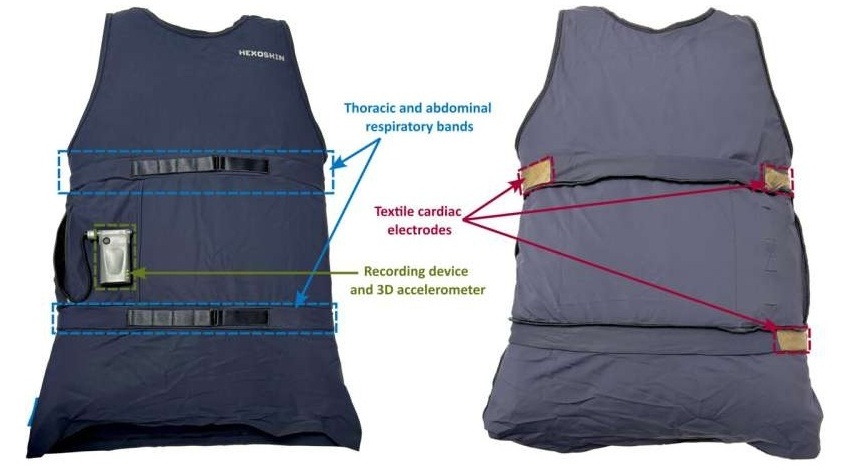
Patient Care
view channel
Revolutionary Automatic IV-Line Flushing Device to Enhance Infusion Care
More than 80% of in-hospital patients receive intravenous (IV) therapy. Every dose of IV medicine delivered in a small volume (<250 mL) infusion bag should be followed by subsequent flushing to ensure... Read more
VR Training Tool Combats Contamination of Portable Medical Equipment
Healthcare-associated infections (HAIs) impact one in every 31 patients, cause nearly 100,000 deaths each year, and cost USD 28.4 billion in direct medical expenses. Notably, up to 75% of these infections... Read more
Portable Biosensor Platform to Reduce Hospital-Acquired Infections
Approximately 4 million patients in the European Union acquire healthcare-associated infections (HAIs) or nosocomial infections each year, with around 37,000 deaths directly resulting from these infections,... Read more
First-Of-Its-Kind Portable Germicidal Light Technology Disinfects High-Touch Clinical Surfaces in Seconds
Reducing healthcare-acquired infections (HAIs) remains a pressing issue within global healthcare systems. In the United States alone, 1.7 million patients contract HAIs annually, leading to approximately... Read moreHealth IT
view channel
Printable Molecule-Selective Nanoparticles Enable Mass Production of Wearable Biosensors
The future of medicine is likely to focus on the personalization of healthcare—understanding exactly what an individual requires and delivering the appropriate combination of nutrients, metabolites, and... Read more

Business
view channel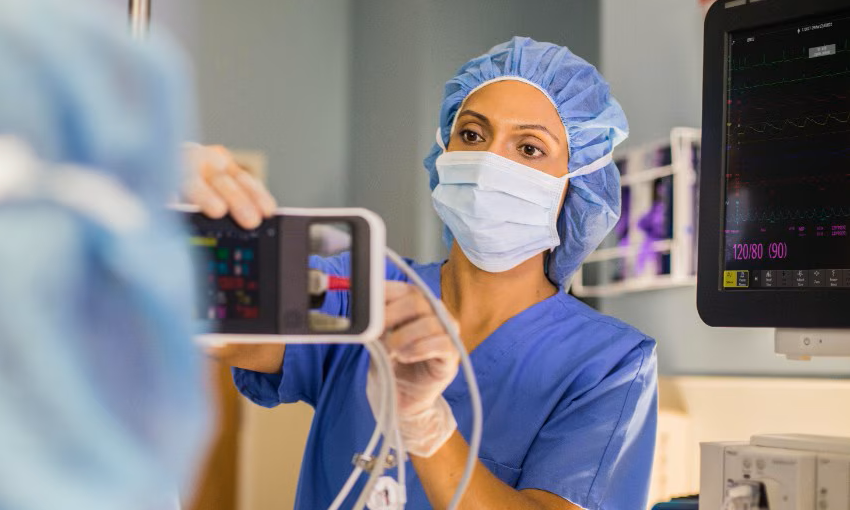
Philips and Masimo Partner to Advance Patient Monitoring Measurement Technologies
Royal Philips (Amsterdam, Netherlands) and Masimo (Irvine, California, USA) have renewed their multi-year strategic collaboration, combining Philips’ expertise in patient monitoring with Masimo’s noninvasive... Read more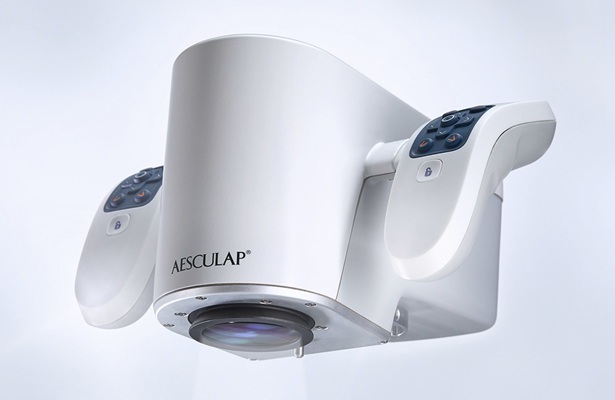
B. Braun Acquires Digital Microsurgery Company True Digital Surgery
The high-end microsurgery market in neurosurgery, spine, and ENT is undergoing a significant transformation. Traditional analog microscopes are giving way to digital exoscopes, which provide improved visualization,... Read more
CMEF 2025 to Promote Holistic and High-Quality Development of Medical and Health Industry
The 92nd China International Medical Equipment Fair (CMEF 2025) Autumn Exhibition is scheduled to be held from September 26 to 29 at the China Import and Export Fair Complex (Canton Fair Complex) in Guangzhou.... Read more