AI-Powered Tool Combs through Electronic Health Records For Faster Diagnoses of Rare Diseases
|
By HospiMedica International staff writers Posted on 05 Jul 2024 |


|

A rare disease is defined as one that affects fewer than 200,000 individuals. Collectively, over 10,000 known rare diseases impact more than 30 million people. While some of these diseases, like multiple sclerosis, are well-recognized, most—including bartonellosis, maple syrup urine disease, and visual snow syndrome—are not. Acute hepatic porphyria (AHP), a group of rare genetic disorders, affects 1 in 100,000 people, predominantly women. The symptoms often correlate with the menstrual cycle and can lead to severe, even life-threatening, episodes characterized by abdominal pain, nausea, vomiting, limb weakness, and anxiety. In 2019, the FDA approved givosiran as a prophylactic treatment for these recurrent attacks. However, the average time to diagnose AHP is 15 years, largely because physicians encounter it so infrequently. During this diagnostic delay, the disease can worsen and cause irreversible harm. Now, researchers have created an artificial intelligence (AI) tool that can identify potential patients with AHP, thus aiding in the diagnosis and management of this rare genetic disease.
This predictive algorithm developed by the team at UCLA Health (Los Angeles, CA, USA) under Project Zebra, sifts through electronic health records to spot patterns indicative of disease, alerting physicians to patients who may need further testing and diagnosis. It specifically targets suspected porphyria patients and was trained on a dataset that included de-identified patient records from UCSF and UCLA—part of approximately 10 million records throughout the UC system. The algorithm's development was complicated by the often lengthy approval process required for accessing patient data, and the fact that algorithms improve with access to vast datasets from various institutions, though obtaining the necessary permissions can be challenging. To overcome this, zebraMD has implemented Virtual Pooling, a patented technology that allows the algorithm to learn from data without actually transferring it.
One of the main hurdles in developing the algorithm was the unorganized nature of patient data, which includes both structured data, like vital signs and lab results, and unstructured data, such as physician's notes. The latter presents particular difficulties for algorithms, which prompted the researchers to refine and structure the data. The researchers equipped the model with detailed symptom information and references to a rare and genetic disease database maintained by the National Institutes of Health, which catalogs signs, symptoms, and clinical presentation of diseases including porphyria. The algorithm was then allowed to independently scan through the data and identify patterns, an approach that is crucial given the high rate of misdiagnosis associated with rare diseases. According to findings published in the Journal of the American Medical Informatics Association, the algorithm accurately predicted referrals for AHP testing with an accuracy between 89% and 93%, and it identified 71% of the patients who tested positive for the disease earlier than they were actually diagnosed, saving an average of 1.2 years per case. Currently, Project Zebra is expanding its focus to include predicting cerebral aneurysms, a potentially life-threatening condition characterized by the expansion of a weakened blood vessel in the brain.
“I hope that at some point this is a standard feature of any electronic health records system,” said Katharina “Kat” Schmolly, MD, a UCLA medical student who co-created the algorithm. “The more patients we can diagnose, the more we can monitor over time. That means we can learn what works and what doesn't work. We can create precision medicine approaches for these rare diseases. Many of them don't have any treatments yet. So hopefully, we can find new treatment options for them.”
Related Links:
UCLA Health







Latest Critical Care News
- Nanogel Technology Almost 100% Effective in Destroying Drug-Resistant Bacteria Within Hours
- Wearable Ultrasound Sensor Delivers Noninvasive Treatment Without Surgery
- Gel-Free ECG System to Transform Heart Health Diagnosis
- Biodegradable Patch Repairs Damaged Tissue After Heart Attack
- Magnetically Guided Microrobots to Enable Targeted Drug Delivery

- Smart Nanomaterials Detect and Treat Traumatic Brain Injuries Simultaneously
- Earlier Blood Transfusion Could Reduce Heart Failure and Arrhythmia in Heart Disease Patients
- 'Smart' Shirt Detects Epileptic Seizures in Real Time
- Skin Patch Measures Effectiveness of Flu/COVID Vaccines in 10 Minutes
- Complete Revascularization Reduces Risk of Death from Cardiovascular Causes
- Tiny Fish-Inspired Robots Navigate Through Body to Deliver Targeted Drug Therapy
- Coronary Artery Stenosis Could Protect Patients from Pulmonary Embolism Effects
- Sweat-Powered Sticker Turns Drinking Cup into Health Sensor
- Skin-Mounted 3D Microfluidic Device Analyzes Sweat for Real-Time Health Assessment
- New Therapeutic Brain Implants to Eliminate Need for Surgery
- Stem Cell Patch Gently Heals Damaged Hearts Without Open-Heart Surgery
Channels

Surgical Techniques
view channel
Novel Endoscopy Technique Provides Access to Deep Lung Tumors
Detecting lung cancer early can save lives, but diagnosing small tumors deep in the outer regions of the lungs remains a major clinical challenge. Although CT scans frequently identify tiny suspicious... Read more
New Study Findings Could Halve Number of Stent Procedures
When a coronary artery becomes acutely blocked during a heart attack, opening it immediately is essential to prevent irreversible damage. However, many patients also have other narrowed vessels that appear... Read more
Patient Care
view channel
Revolutionary Automatic IV-Line Flushing Device to Enhance Infusion Care
More than 80% of in-hospital patients receive intravenous (IV) therapy. Every dose of IV medicine delivered in a small volume (<250 mL) infusion bag should be followed by subsequent flushing to ensure... Read more
VR Training Tool Combats Contamination of Portable Medical Equipment
Healthcare-associated infections (HAIs) impact one in every 31 patients, cause nearly 100,000 deaths each year, and cost USD 28.4 billion in direct medical expenses. Notably, up to 75% of these infections... Read more
Portable Biosensor Platform to Reduce Hospital-Acquired Infections
Approximately 4 million patients in the European Union acquire healthcare-associated infections (HAIs) or nosocomial infections each year, with around 37,000 deaths directly resulting from these infections,... Read more
First-Of-Its-Kind Portable Germicidal Light Technology Disinfects High-Touch Clinical Surfaces in Seconds
Reducing healthcare-acquired infections (HAIs) remains a pressing issue within global healthcare systems. In the United States alone, 1.7 million patients contract HAIs annually, leading to approximately... Read moreHealth IT
view channel
EMR-Based Tool Predicts Graft Failure After Kidney Transplant
Kidney transplantation offers patients with end-stage kidney disease longer survival and better quality of life than dialysis, yet graft failure remains a major challenge. Although a successful transplant... Read more
Printable Molecule-Selective Nanoparticles Enable Mass Production of Wearable Biosensors
The future of medicine is likely to focus on the personalization of healthcare—understanding exactly what an individual requires and delivering the appropriate combination of nutrients, metabolites, and... Read more

Business
view channel
Philips and Masimo Partner to Advance Patient Monitoring Measurement Technologies
Royal Philips (Amsterdam, Netherlands) and Masimo (Irvine, California, USA) have renewed their multi-year strategic collaboration, combining Philips’ expertise in patient monitoring with Masimo’s noninvasive... Read more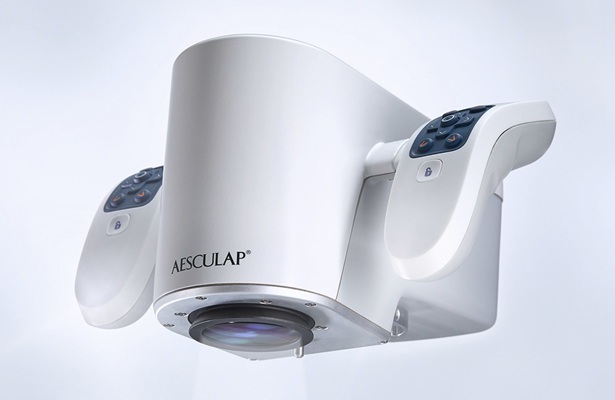
B. Braun Acquires Digital Microsurgery Company True Digital Surgery
The high-end microsurgery market in neurosurgery, spine, and ENT is undergoing a significant transformation. Traditional analog microscopes are giving way to digital exoscopes, which provide improved visualization,... Read more
CMEF 2025 to Promote Holistic and High-Quality Development of Medical and Health Industry
The 92nd China International Medical Equipment Fair (CMEF 2025) Autumn Exhibition is scheduled to be held from September 26 to 29 at the China Import and Export Fair Complex (Canton Fair Complex) in Guangzhou.... Read more