Cutting-Edge Bioelectronic Device Offers Drug-Free Approach to Managing Bacterial Infections
|
By HospiMedica International staff writers Posted on 31 Oct 2024 |


|
_1.jpg "mage: The electroceutical epidermal patch is designed to inhibit bacterial growth (Photo courtesy of Saehyun Kim/University of Chicago)")
Antibiotic-resistant infections pose an increasing threat to patient safety and healthcare systems worldwide. Recent estimates indicate that drug-resistant infections may rise by 70% by 2050, highlighting the urgent need for innovative strategies to combat these infections to protect public health and ensure effective infection control in a world where microbial resistance is on the rise. Staphylococcus epidermidis is a common bacterium known for causing hospital-acquired infections and contributing to the problem of antibiotic resistance. In an exciting breakthrough in the battle against bacterial infections, researchers have created an advanced bioelectronic device that harnesses the natural electrical activity of specific skin bacteria, potentially leading to a drug-free method of infection management.
This groundbreaking study, published in Device, was conducted by researchers from the University of Chicago (Chicago, IL, USA) and the University of California San Diego (San Diego, CA, USA), and demonstrates how programmable electrical stimulation can effectively mitigate the harmful effects of Staphylococcus epidermidis. The device consists of a flexible electroceutical patch that emits gentle electrical signals to bacteria at specific skin pH levels, inducing temporary behavioral changes and inhibiting biofilm formation—clusters of bacteria that can result in serious infections. The device specifically triggers bacterial responses in acidic environments, akin to those found on healthy skin. This electrical stimulation significantly decreases the expression of harmful genes in bacteria and limits their growth without the need for antibiotics. This technology enables targeted treatment, minimizing the side effects often linked to conventional antibiotic therapies.
In preclinical trials, the electroceutical patch showed impressive results, achieving nearly a tenfold reduction in bacterial colonization on pig skin. This research represents a notable advancement in bioelectronic medicine, and researchers are hopeful that this device could soon be utilized in clinical environments, especially for patients with chronic wounds or those with medical implants. By leveraging the natural properties of bacteria, scientists can develop more effective and personalized treatment options for individuals facing opportunistic infections. Healthcare professionals are encouraged to consider the implications of this research for infection control and to keep abreast of future developments in bioelectronic therapies.
“We discovered action potentials in bacterial biofilms almost ten years ago and since then we have worked to show that bacteria, which are typically not thought of as excitable, are indeed excitable and even perform functions similar to neurons in the brain,” said Gürol Süel, a professor in the UC San Diego School of Biological Sciences. "Our collaboration integrated our biological insights with the incredible technical and scientific expertise of the Tian group. Together we show that an important opportunistic pathogen is ‘selectively excitable,’ and the Tian group developed a wearable device that can treat biofilm infections on the skin through electroceutical therapy, without the need for any antibiotics.”



.jpg)


Latest Critical Care News
- Magnetically Guided Microrobots to Enable Targeted Drug Delivery

- Smart Nanomaterials Detect and Treat Traumatic Brain Injuries Simultaneously
- Earlier Blood Transfusion Could Reduce Heart Failure and Arrhythmia in Heart Disease Patients
- 'Smart' Shirt Detects Epileptic Seizures in Real Time
- Skin Patch Measures Effectiveness of Flu/COVID Vaccines in 10 Minutes
- Complete Revascularization Reduces Risk of Death from Cardiovascular Causes
- Tiny Fish-Inspired Robots Navigate Through Body to Deliver Targeted Drug Therapy
- Coronary Artery Stenosis Could Protect Patients from Pulmonary Embolism Effects
- Sweat-Powered Sticker Turns Drinking Cup into Health Sensor
- Skin-Mounted 3D Microfluidic Device Analyzes Sweat for Real-Time Health Assessment
- New Therapeutic Brain Implants to Eliminate Need for Surgery
- Stem Cell Patch Gently Heals Damaged Hearts Without Open-Heart Surgery
- Biomaterial Vaccines to Make Implanted Orthopedic Devices Safer
- Deep Learning Model Predicts Sepsis Patients Likely to Benefit from Steroid Treatment
- Programmable Drug-Delivery Patch Promotes Healing and Regrowth After Heart Attack
- Breakthrough Ultrasound Technology Measures Blood Viscosity in Real Time
Channels

Surgical Techniques
view channel
New Study Findings Could Halve Number of Stent Procedures
When a coronary artery becomes acutely blocked during a heart attack, opening it immediately is essential to prevent irreversible damage. However, many patients also have other narrowed vessels that appear... Read more
Breakthrough Surgical Device Redefines Hip Arthroscopy
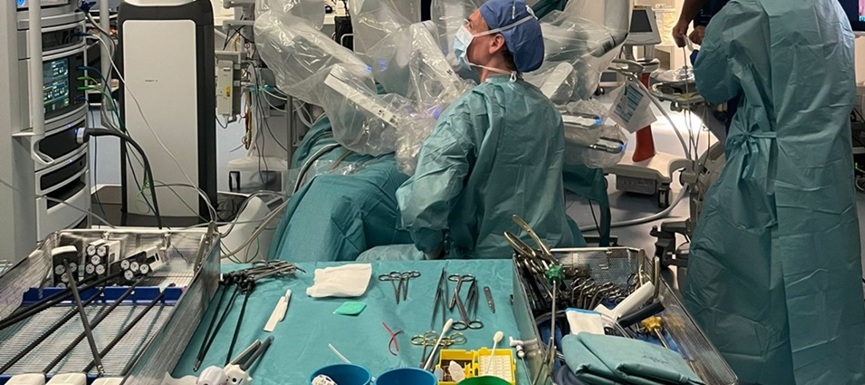
Hip arthroscopy has surged in popularity, yet surgeons still face major mechanical constraints when navigating deep joint spaces through traditional cannulas. Limited tool mobility and the need for an... Read more
Patient Care
view channel
Revolutionary Automatic IV-Line Flushing Device to Enhance Infusion Care
More than 80% of in-hospital patients receive intravenous (IV) therapy. Every dose of IV medicine delivered in a small volume (<250 mL) infusion bag should be followed by subsequent flushing to ensure... Read more
VR Training Tool Combats Contamination of Portable Medical Equipment
Healthcare-associated infections (HAIs) impact one in every 31 patients, cause nearly 100,000 deaths each year, and cost USD 28.4 billion in direct medical expenses. Notably, up to 75% of these infections... Read more
Portable Biosensor Platform to Reduce Hospital-Acquired Infections
Approximately 4 million patients in the European Union acquire healthcare-associated infections (HAIs) or nosocomial infections each year, with around 37,000 deaths directly resulting from these infections,... Read more
First-Of-Its-Kind Portable Germicidal Light Technology Disinfects High-Touch Clinical Surfaces in Seconds
Reducing healthcare-acquired infections (HAIs) remains a pressing issue within global healthcare systems. In the United States alone, 1.7 million patients contract HAIs annually, leading to approximately... Read moreHealth IT
view channel
Printable Molecule-Selective Nanoparticles Enable Mass Production of Wearable Biosensors
The future of medicine is likely to focus on the personalization of healthcare—understanding exactly what an individual requires and delivering the appropriate combination of nutrients, metabolites, and... Read more

Business
view channel
Philips and Masimo Partner to Advance Patient Monitoring Measurement Technologies
Royal Philips (Amsterdam, Netherlands) and Masimo (Irvine, California, USA) have renewed their multi-year strategic collaboration, combining Philips’ expertise in patient monitoring with Masimo’s noninvasive... Read more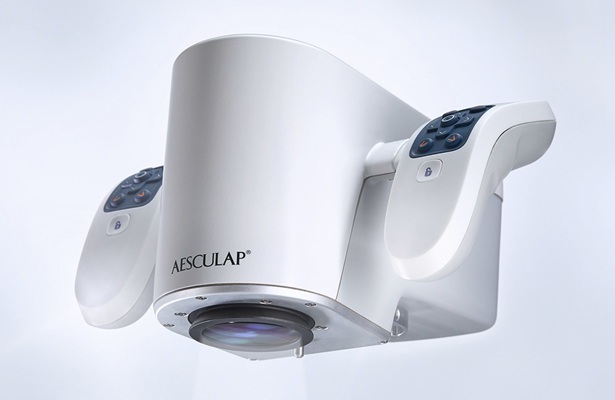
B. Braun Acquires Digital Microsurgery Company True Digital Surgery
The high-end microsurgery market in neurosurgery, spine, and ENT is undergoing a significant transformation. Traditional analog microscopes are giving way to digital exoscopes, which provide improved visualization,... Read more
CMEF 2025 to Promote Holistic and High-Quality Development of Medical and Health Industry
The 92nd China International Medical Equipment Fair (CMEF 2025) Autumn Exhibition is scheduled to be held from September 26 to 29 at the China Import and Export Fair Complex (Canton Fair Complex) in Guangzhou.... Read more