Cranial Accelerometry Headset Enables Timely and Accurate Prehospital Detection of LVO Strokes
|
By HospiMedica International staff writers Posted on 22 Nov 2024 |


|
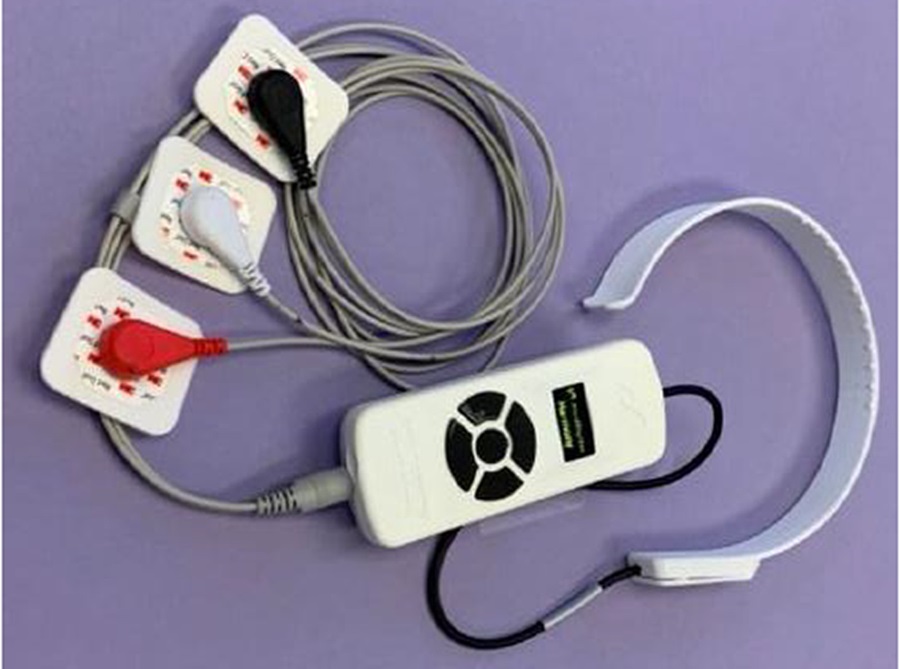
Large-vessel occlusion (LVO) strokes account for one-third of acute ischemic stroke (AIS) cases in the United States and are responsible for two-thirds of poststroke disability and 90% of stroke-related mortality. The introduction of endovascular thrombectomy (EVT) has significantly improved the management of LVO strokes in recent years, underscoring the critical need for quick identification and transport to hospitals capable of performing EVT. Despite these advancements, accurate prehospital detection of LVO strokes remains a major challenge. A new study now explores the feasibility of using cranial accelerometry (CA) headsets to detect LVO strokes in the prehospital setting.
In the EPISODE-PS-COVID study, researchers from Wayne State University School of Medicine (WSUSOM, Detroit, MI, USA) evaluated the feasibility of MindRhythm’s (Cupertino, CA, USA) Harmony 5000 CA headset for identifying LVO stroke in prehospital suspected stroke patients. CA technology works by detecting cranial forces generated by cardiac contractions to identify patterns indicative of LVO strokes. The Harmony 5000 device, a headband with three leads and a handheld screen, has already demonstrated high sensitivity and specificity in emergency department and neuro-interventional settings.
The study enrolled 594 participants, including 183 who used the second-generation device. Usable data were obtained from 158 patients (86.3%). The cohort was 53% female and 56% Black/African American, with a median age of 69 years. Of the participants, 26 (16.4%) had LVO strokes, while 132 (83.6%) did not (33 with non-LVO AIS, nine with intracerebral hemorrhage, and 90 with stroke mimics). The study also reported no significant differences in COVID-19 positivity rates between the groups (10.6%). The researchers found a sensitivity of 38.5% and specificity of 82.7% for the LAMS ≥ 4 method in detecting LVO strokes, compared to a sensitivity of 84.6% (p < 0.0015 for superiority) and specificity of 82.6% (p = 0.81 for superiority) for the device’s CA + LAMS algorithm. Published in Academic Emergency Medicine, these findings demonstrate that using the CA device to capture adequate data in prehospital settings is feasible, marking a significant step forward in stroke management.
“The EPISODE-PS-COVID study is, to our knowledge, the first to evaluate the use of a cranial accelerometry device for LVO stroke detection in prehospital settings,” said James H. Paxton, MD, MBA, from the Department of Emergency Medicine at WSUSOM who led the study.
Related Links:
WSUSOM
MindRhythm





Latest Critical Care News
- Magnetically Guided Microrobots to Enable Targeted Drug Delivery

- Smart Nanomaterials Detect and Treat Traumatic Brain Injuries Simultaneously
- Earlier Blood Transfusion Could Reduce Heart Failure and Arrhythmia in Heart Disease Patients
- 'Smart' Shirt Detects Epileptic Seizures in Real Time
- Skin Patch Measures Effectiveness of Flu/COVID Vaccines in 10 Minutes
- Complete Revascularization Reduces Risk of Death from Cardiovascular Causes
- Tiny Fish-Inspired Robots Navigate Through Body to Deliver Targeted Drug Therapy
- Coronary Artery Stenosis Could Protect Patients from Pulmonary Embolism Effects
- Sweat-Powered Sticker Turns Drinking Cup into Health Sensor
- Skin-Mounted 3D Microfluidic Device Analyzes Sweat for Real-Time Health Assessment
- New Therapeutic Brain Implants to Eliminate Need for Surgery
- Stem Cell Patch Gently Heals Damaged Hearts Without Open-Heart Surgery
- Biomaterial Vaccines to Make Implanted Orthopedic Devices Safer
- Deep Learning Model Predicts Sepsis Patients Likely to Benefit from Steroid Treatment
- Programmable Drug-Delivery Patch Promotes Healing and Regrowth After Heart Attack
- Breakthrough Ultrasound Technology Measures Blood Viscosity in Real Time
Channels

Surgical Techniques
view channel
New Study Findings Could Halve Number of Stent Procedures
When a coronary artery becomes acutely blocked during a heart attack, opening it immediately is essential to prevent irreversible damage. However, many patients also have other narrowed vessels that appear... Read more
Breakthrough Surgical Device Redefines Hip Arthroscopy
Hip arthroscopy has surged in popularity, yet surgeons still face major mechanical constraints when navigating deep joint spaces through traditional cannulas. Limited tool mobility and the need for an... Read more
Patient Care
view channel
Revolutionary Automatic IV-Line Flushing Device to Enhance Infusion Care
More than 80% of in-hospital patients receive intravenous (IV) therapy. Every dose of IV medicine delivered in a small volume (<250 mL) infusion bag should be followed by subsequent flushing to ensure... Read more
VR Training Tool Combats Contamination of Portable Medical Equipment
Healthcare-associated infections (HAIs) impact one in every 31 patients, cause nearly 100,000 deaths each year, and cost USD 28.4 billion in direct medical expenses. Notably, up to 75% of these infections... Read more
Portable Biosensor Platform to Reduce Hospital-Acquired Infections
Approximately 4 million patients in the European Union acquire healthcare-associated infections (HAIs) or nosocomial infections each year, with around 37,000 deaths directly resulting from these infections,... Read more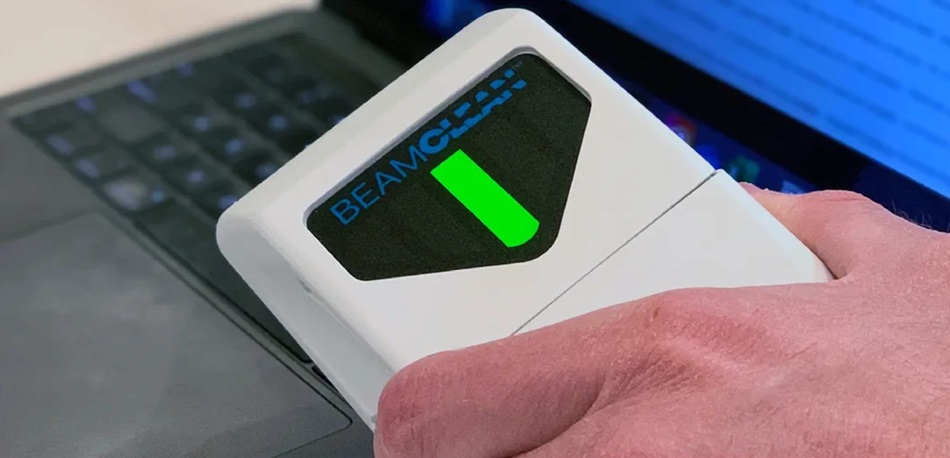
First-Of-Its-Kind Portable Germicidal Light Technology Disinfects High-Touch Clinical Surfaces in Seconds
Reducing healthcare-acquired infections (HAIs) remains a pressing issue within global healthcare systems. In the United States alone, 1.7 million patients contract HAIs annually, leading to approximately... Read moreHealth IT
view channel
EMR-Based Tool Predicts Graft Failure After Kidney Transplant
Kidney transplantation offers patients with end-stage kidney disease longer survival and better quality of life than dialysis, yet graft failure remains a major challenge. Although a successful transplant... Read more
Printable Molecule-Selective Nanoparticles Enable Mass Production of Wearable Biosensors
The future of medicine is likely to focus on the personalization of healthcare—understanding exactly what an individual requires and delivering the appropriate combination of nutrients, metabolites, and... Read more

Business
view channel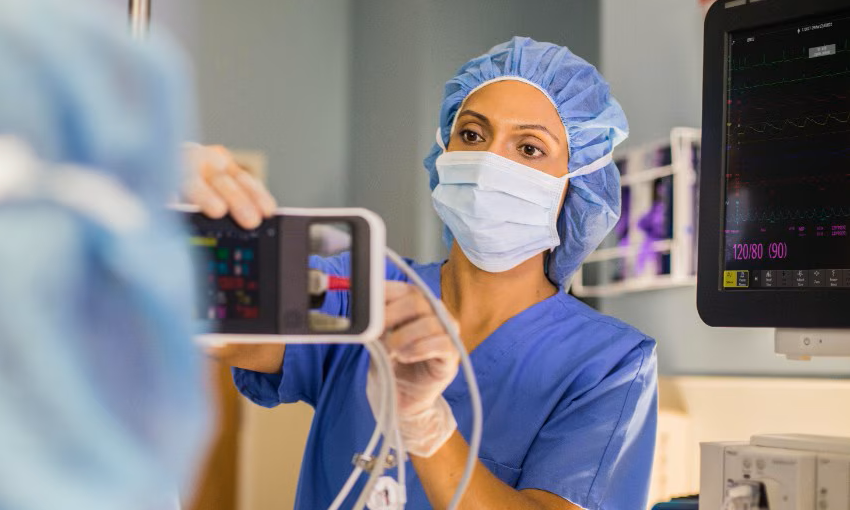
Philips and Masimo Partner to Advance Patient Monitoring Measurement Technologies
Royal Philips (Amsterdam, Netherlands) and Masimo (Irvine, California, USA) have renewed their multi-year strategic collaboration, combining Philips’ expertise in patient monitoring with Masimo’s noninvasive... Read more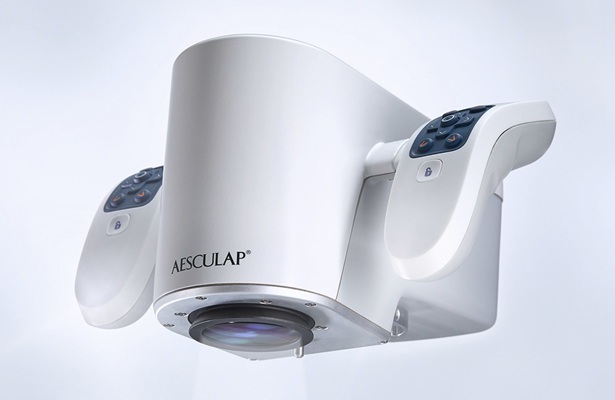
B. Braun Acquires Digital Microsurgery Company True Digital Surgery
The high-end microsurgery market in neurosurgery, spine, and ENT is undergoing a significant transformation. Traditional analog microscopes are giving way to digital exoscopes, which provide improved visualization,... Read more
CMEF 2025 to Promote Holistic and High-Quality Development of Medical and Health Industry
The 92nd China International Medical Equipment Fair (CMEF 2025) Autumn Exhibition is scheduled to be held from September 26 to 29 at the China Import and Export Fair Complex (Canton Fair Complex) in Guangzhou.... Read more