Endoscopic Ultrasound-Guided Procedure Could Transform Blood Pressure Management
|
By HospiMedica International staff writers Posted on 13 Feb 2025 |


|
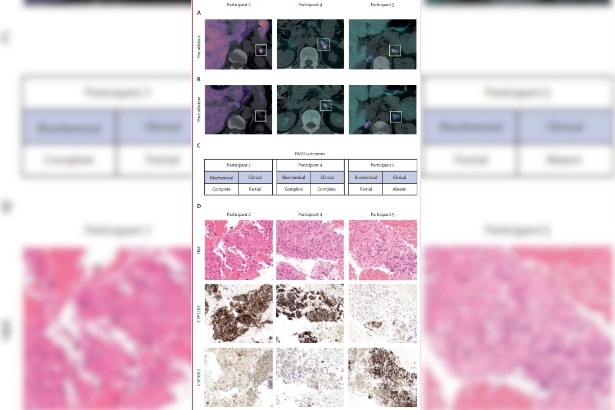
Primary aldosteronism (PA) is a hormonal disorder that causes high blood pressure in approximately one in 20 patients with hypertension but often goes undiagnosed and untreated. In this condition, benign nodules in the adrenal glands produce excessive aldosterone, a hormone that elevates blood pressure by increasing salt levels in the body. Patients with PA often do not respond to standard blood pressure medications, putting them at higher risk for heart attacks, strokes, and kidney failure. Until recently, the only effective treatment for PA was the surgical removal of the affected adrenal gland. However, this procedure requires general anesthesia, a hospital stay, and weeks of recovery, leading many patients to remain untreated. Now, researchers have introduced a groundbreaking, minimally invasive treatment called Triple T, which offers new hope for millions of people suffering from high blood pressure caused by PA. This treatment, which could revolutionize the management of blood pressure, was published in The Lancet.
Triple T, or endoscopic ultrasound-guided radiofrequency ablation, has shown remarkable potential in clinical trials and could serve as a viable alternative to surgery. This innovative treatment targets and destroys malfunctioning adrenal nodules without removing the adrenal gland, offering a faster, safer, and less invasive solution. The procedure utilizes a combination of radiofrequency or microwaves and ultrasound to deliver precise heat to the adrenal nodule. A fine needle is inserted through the stomach, guided by real-time ultrasound imaging, to reach the adrenal gland, where short bursts of heat are applied to destroy the problematic tissue. This technique minimizes damage to surrounding healthy tissues, ensuring a targeted approach. The entire procedure takes just 20 minutes and requires no incisions.
Triple T’s effectiveness is due in part to advancements in diagnostic imaging, which now use molecular dyes to precisely locate even the smallest adrenal nodules. These innovations, coupled with the ability to directly target nodules near the stomach, have enabled this minimally invasive approach. In the feasibility study known as the Feasibility study of radiofrequency endoscopic ABlation, with ULtrasound guidance (FABULAS) trial, a team of doctors, including researchers from Queen Mary University of London (QMUL, London, UK), tested Triple T on 28 PA patients and achieved excellent results. The procedure was both safe and effective, with most patients experiencing normalized hormone levels within six months. Many were able to discontinue all blood pressure medications, and the condition did not return. The success of the FABULAS trial has led to the initiation of a larger study, WAVE, which will compare Triple T to traditional surgery in 120 patients, with results expected in 2027.
“This less invasive technique could be widely offered in endoscopy units across the UK and internationally,” said Professor Stephen Pereira, Chief Investigator of FABULAS, emphasizing the potential global impact of Triple T.





Latest Critical Care News
- Biodegradable Patch Repairs Damaged Tissue After Heart Attack
- Magnetically Guided Microrobots to Enable Targeted Drug Delivery

- Smart Nanomaterials Detect and Treat Traumatic Brain Injuries Simultaneously
- Earlier Blood Transfusion Could Reduce Heart Failure and Arrhythmia in Heart Disease Patients
- 'Smart' Shirt Detects Epileptic Seizures in Real Time
- Skin Patch Measures Effectiveness of Flu/COVID Vaccines in 10 Minutes
- Complete Revascularization Reduces Risk of Death from Cardiovascular Causes
- Tiny Fish-Inspired Robots Navigate Through Body to Deliver Targeted Drug Therapy
- Coronary Artery Stenosis Could Protect Patients from Pulmonary Embolism Effects
- Sweat-Powered Sticker Turns Drinking Cup into Health Sensor
- Skin-Mounted 3D Microfluidic Device Analyzes Sweat for Real-Time Health Assessment
- New Therapeutic Brain Implants to Eliminate Need for Surgery
- Stem Cell Patch Gently Heals Damaged Hearts Without Open-Heart Surgery
- Biomaterial Vaccines to Make Implanted Orthopedic Devices Safer
- Deep Learning Model Predicts Sepsis Patients Likely to Benefit from Steroid Treatment
- Programmable Drug-Delivery Patch Promotes Healing and Regrowth After Heart Attack
Channels

Critical Care
view channel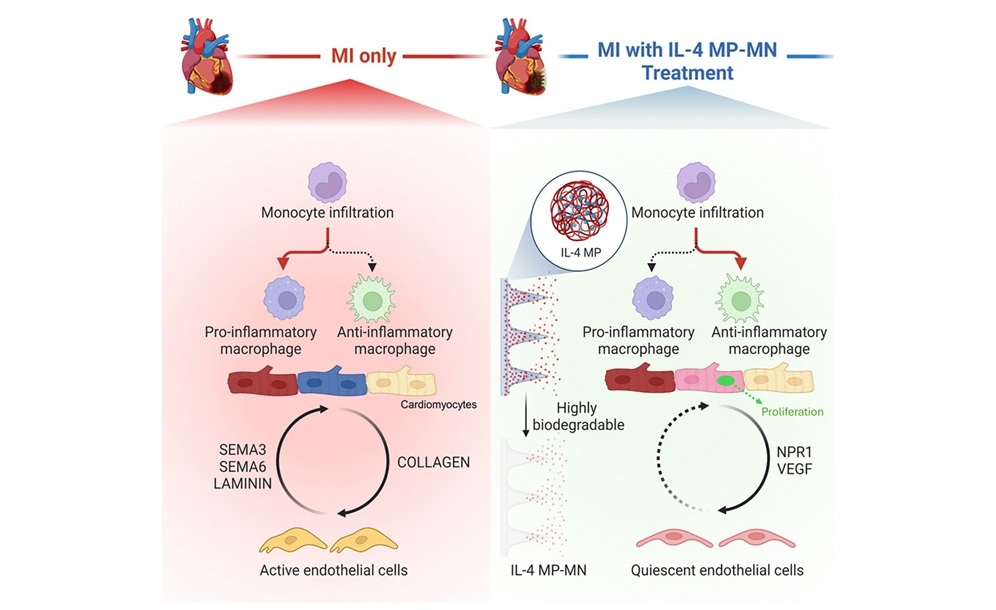
Biodegradable Patch Repairs Damaged Tissue After Heart Attack
A heart attack causes sudden loss of oxygen to the heart muscle, triggering cell death and a strong inflammatory response that often leads to scar formation. While scarring helps stabilize the heart, it... Read more
Magnetically Guided Microrobots to Enable Targeted Drug Delivery
Stroke affects 12 million people globally each year, often causing death or lasting disability. Current treatment relies on systemic administration of clot-dissolving drugs, which circulate throughout... Read more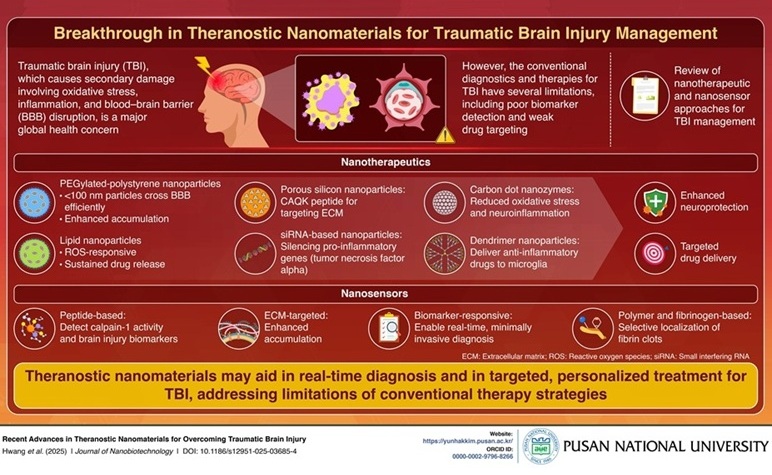
Smart Nanomaterials Detect and Treat Traumatic Brain Injuries Simultaneously
Traumatic brain injury (TBI) continues to leave millions with long-term disabilities every year. After a sudden impact from a fall, collision, or accident, the brain undergoes inflammation, oxidative stress,... Read more
Earlier Blood Transfusion Could Reduce Heart Failure and Arrhythmia in Heart Disease Patients
Blood loss during or after surgery can place significant stress on people with heart disease, increasing the risk of dangerous complications. Transfusions are often delayed until hemoglobin levels fall... Read morePatient Care
view channel
Revolutionary Automatic IV-Line Flushing Device to Enhance Infusion Care
More than 80% of in-hospital patients receive intravenous (IV) therapy. Every dose of IV medicine delivered in a small volume (<250 mL) infusion bag should be followed by subsequent flushing to ensure... Read more
VR Training Tool Combats Contamination of Portable Medical Equipment
Healthcare-associated infections (HAIs) impact one in every 31 patients, cause nearly 100,000 deaths each year, and cost USD 28.4 billion in direct medical expenses. Notably, up to 75% of these infections... Read more
Portable Biosensor Platform to Reduce Hospital-Acquired Infections
Approximately 4 million patients in the European Union acquire healthcare-associated infections (HAIs) or nosocomial infections each year, with around 37,000 deaths directly resulting from these infections,... Read more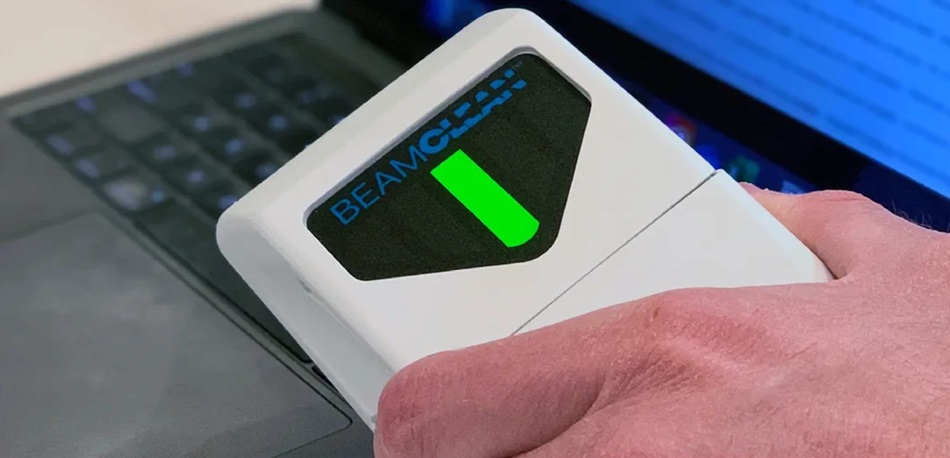
First-Of-Its-Kind Portable Germicidal Light Technology Disinfects High-Touch Clinical Surfaces in Seconds
Reducing healthcare-acquired infections (HAIs) remains a pressing issue within global healthcare systems. In the United States alone, 1.7 million patients contract HAIs annually, leading to approximately... Read moreHealth IT
view channel
EMR-Based Tool Predicts Graft Failure After Kidney Transplant
Kidney transplantation offers patients with end-stage kidney disease longer survival and better quality of life than dialysis, yet graft failure remains a major challenge. Although a successful transplant... Read more
Printable Molecule-Selective Nanoparticles Enable Mass Production of Wearable Biosensors
The future of medicine is likely to focus on the personalization of healthcare—understanding exactly what an individual requires and delivering the appropriate combination of nutrients, metabolites, and... Read more

Business
view channel
Philips and Masimo Partner to Advance Patient Monitoring Measurement Technologies
Royal Philips (Amsterdam, Netherlands) and Masimo (Irvine, California, USA) have renewed their multi-year strategic collaboration, combining Philips’ expertise in patient monitoring with Masimo’s noninvasive... Read more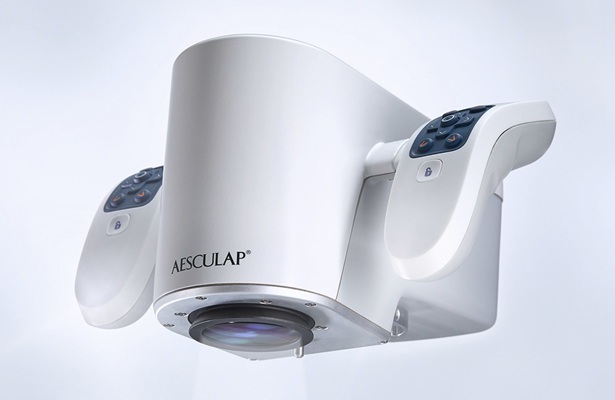
B. Braun Acquires Digital Microsurgery Company True Digital Surgery
The high-end microsurgery market in neurosurgery, spine, and ENT is undergoing a significant transformation. Traditional analog microscopes are giving way to digital exoscopes, which provide improved visualization,... Read more
CMEF 2025 to Promote Holistic and High-Quality Development of Medical and Health Industry
The 92nd China International Medical Equipment Fair (CMEF 2025) Autumn Exhibition is scheduled to be held from September 26 to 29 at the China Import and Export Fair Complex (Canton Fair Complex) in Guangzhou.... Read more