CAD System to Be Integrated into Sectra's PACS
|
By HospiMedica staff writers Posted on 03 Apr 2003 |


|
A partnership agreement has been announced whereby the computer-aided detection system of Confirma, Inc. (Kirkland, WA, USA) will be integrated into the PACS of Sectra Imtec AB (Linkoping, Sweden).
Called CADstream, the computer-aided detection system is designed to standardize the analysis of breast magnetic resonance imaging (MRI) studies. CADstream automates breast MR image processing functions and registers study data to correct for patient movement. After registering images, the system performs a number of processes, providing subtraction images, contrast uptake and washout curves, angiogenesis maps, maximum intensity projections, multiplanar reformatted images, and summaries of contrast dynamics and diameters for a specific region.
The PACS of Sectra provide image and information management systems for radiology clinics and hospitals around the world. The Clinical Solutions Network offers modular, add-on features that extend the utility of PACS, including software for various medical imaging processing functions. This network provides these open software products with interfaces that third-party vendors can easily integrate into their products.
"Sectra has a large installed base of 350 PACS systems and is growing rapidly,” noted Max Lyon, president and CEO of Confirma. "We are pleased to have an agreement with a leading PACS network with an extensive installed base and continued worldwide market expansion.”
Related Links:
Confirma
Sectra





Called CADstream, the computer-aided detection system is designed to standardize the analysis of breast magnetic resonance imaging (MRI) studies. CADstream automates breast MR image processing functions and registers study data to correct for patient movement. After registering images, the system performs a number of processes, providing subtraction images, contrast uptake and washout curves, angiogenesis maps, maximum intensity projections, multiplanar reformatted images, and summaries of contrast dynamics and diameters for a specific region.
The PACS of Sectra provide image and information management systems for radiology clinics and hospitals around the world. The Clinical Solutions Network offers modular, add-on features that extend the utility of PACS, including software for various medical imaging processing functions. This network provides these open software products with interfaces that third-party vendors can easily integrate into their products.
"Sectra has a large installed base of 350 PACS systems and is growing rapidly,” noted Max Lyon, president and CEO of Confirma. "We are pleased to have an agreement with a leading PACS network with an extensive installed base and continued worldwide market expansion.”
Related Links:
Confirma
Sectra

Gold Member
STI Test
Vivalytic Sexually Transmitted Infection (STI) Array
Resorbable Bovine Collagen Membrane
GenDerm
Digital Radiography System (Ceiling Free)
Digix CF Series
Latest Business News
- Steris to Expand Surgical Safety Portfolio With $2.1 Billion Xodus Medical Deal
- Stryker Enters Soft-Tissue Robotics Through Strategic Alliance With CMR Surgical
- Terumo Neuro Acquisition Advances Liquid Embolic Technology for Chronic Subdural Hematoma
- World Health Expo to Showcase Trillion-Dollar Growth Across Pharma, Biotech, Longevity and Wellness at 2027 Edition
- Medtronic Receives FDA Clearance for Vessel-Sealing Instrument for Robotic Surgery
- Robotic Single-Port System Gains CE Mark for Transvaginal Gynecologic Procedures
- Smartphone-Integrated Epinephrine Auto-Injector Concept Wins Red Dot Design Award
- Partnership Advances AI Tool for Predicting Malignant Cerebral Edema
- First U.S. Commercial Cases Demonstrate New Approach to Transseptal Access
- Philips and Imricor Collaboration Advances MRI-Guided Cardiac Procedures
- FDA Approval Clears Path for BCI Integration with Personal Computing Devices
- Abbott LAA Occluder Gains CE Mark for AFib Stroke Risk Reduction
- Smart Hospital Market Set for Strong Growth as Digital Healthcare Adoption Accelerates
- FDA Seeks Feedback on Regulating Generative AI Medical Devices
- Teledyne to Acquire Varex Imaging in $1.1 Billion Deal
- MIMEDX to Add Sanara MedTech’s Regenerative Technologies Through $350 Million Deal
Channels
Artificial Intelligence
view channel
Explainable AI Dermoscopy Tool Supports Risk Assessment for Skin Cancer
Skin lesions can be difficult to triage when benign and malignant findings share visual features, leaving clinicians uncertain about whether to recommend biopsy or continued monitoring. These decisions... Read more
AI Model Improves Breast Cancer Survival Prediction
Predicting survival in breast cancer can be challenging because outcomes are influenced by a combination of clinical, biological, and genetic factors. Traditional survival models can estimate risk but... Read more
Critical Care
view channel
U.S. Launch Expands Kidney Replacement Therapy Options With Integrated Anticoagulation
Critically ill patients with acute kidney injury often require continuous kidney replacement therapy in intensive care units. During these extracorporeal treatments, careful anticoagulation management... Read more
Noninvasive Brain-Computer Interface Enables Responses in Some Unresponsive ICU Patients
Cognitive motor dissociation occurs when patients retain signs of consciousness but cannot move or speak to communicate. In the ICU, this hidden consciousness can be difficult to distinguish from coma... Read more
Surgical Techniques
view channel
Miniature Image Sensor Enables Digital Imaging in Single-Use Endoscopes
Disposable single-use endoscopes are increasingly used to help reduce infection risk and the burden of post-procedure reprocessing and equipment management. As insertion sections become thinner, endoscopic... Read more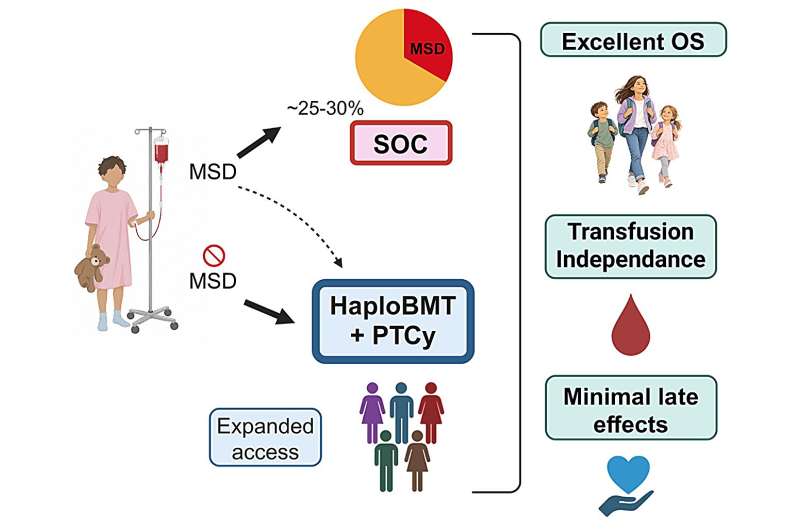
Half-Matched Family Donors Could Expand Transplant Access for Severe Aplastic Anemia
Severe aplastic anemia is a rare, life-threatening disorder in which the bone marrow fails to produce enough healthy blood cells, leaving children and young adults vulnerable to anemia, infection, and bleeding.... Read more
Patient Care
view channel
Expert Review Outlines Diagnosis and Treatment of Recurrent Catheter Infections
Patients who rely on long-term intravenous catheters for chemotherapy, hemodialysis, intravenous nutrition, and other essential therapies remain at risk of catheter-related bloodstream infections.... Read more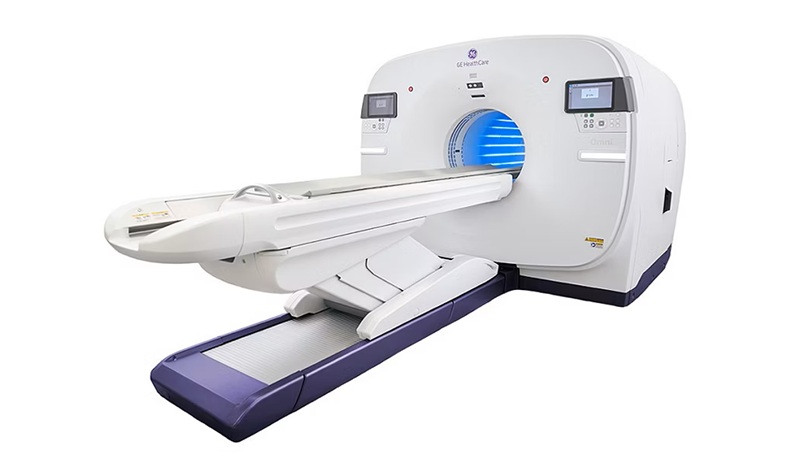
Total-Body PET/CT Scanner Enables One-Minute Diagnostic-Quality Cancer Imaging
Positron emission tomography/computed tomography (PET/CT) combines radiotracer-based functional imaging with anatomical detail to diagnose, stage, and monitor cancer. Conventional scanners image the body... Read more

Medical Imaging
view channel
Routine CT Body Composition Tool Helps Identify Early Pancreatic Cancer Risk
Pancreatic ductal adenocarcinoma (PDAC), the most common type of pancreatic cancer, often goes undetected until it has spread. Surveillance programs primarily target people with inherited genetic risk... Read more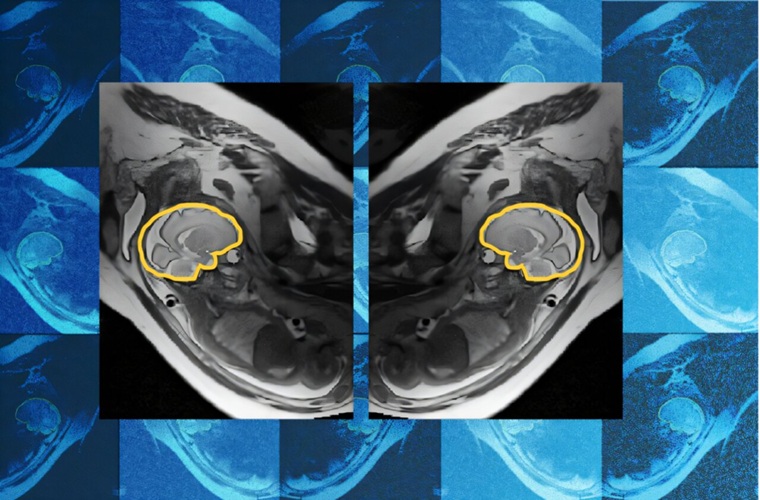
AI Tool Improves Fetal MRI for Brain Abnormality Diagnosis
Fetal brain abnormalities can be difficult to diagnose before birth when fetal motion reduces imaging quality. Routine ultrasound may flag a possible abnormality, prompting follow-up fetal MRI, but head... Read more
AI Model Detects Hidden Disease Signals in Routine CT Scans
Computed tomography (CT) scans are often performed to answer a specific diagnostic question, which can leave other potentially important findings outside the immediate clinical focus. As a result, opportunities... Read more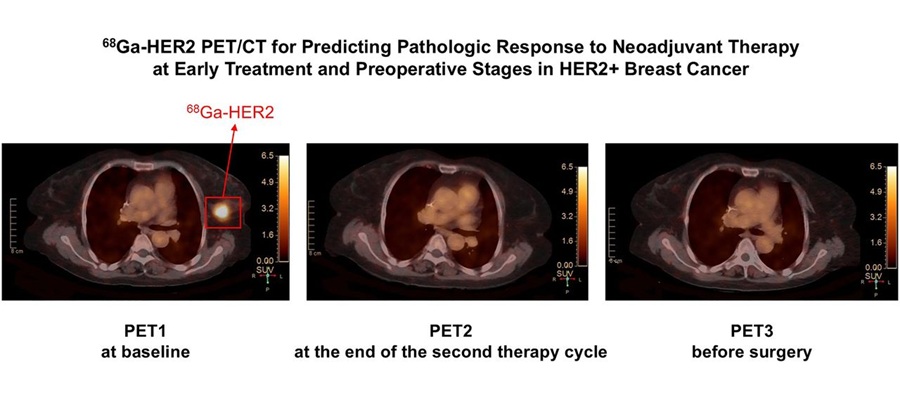
Targeted PET/CT Predicts Early Treatment Response in HER2-Positive Breast Cancer
HER2-positive breast cancer is an aggressive subtype that accounts for a substantial proportion of breast cancer cases. Patients often receive neoadjuvant therapy before surgery to shrink tumors, but assessing... Read moreHealth IT
view channel
Clinical Decision Support Tool Automates CKD Risk Assessment in Primary Care
Chronic kidney disease (CKD) requires timely diagnosis, risk assessment, and coordinated treatment in primary care. Delayed recognition can affect decisions about testing, blood pressure control, cardiovascular... Read more
EHR Alerts Support Dosing, Sedation, and Shock Recognition in Cardiac Care
Electronic health record alerts can add to clinician workload when they are poorly targeted. In critical cardiac care, however, delayed decisions can affect treatment timing, sedation exposure, and escalation... Read more

Point of Care
view channel
Continuous Glucose Monitoring Identifies Cardiometabolic Risk in Adults Without Diabetes
Dysglycemia—abnormal blood glucose regulation—can fluctuate throughout the day and often escape conventional screening. Clinicians typically rely on fasting plasma glucose and hemoglobin A1c, which offer... Read more