Partnership to Improve Prostate Cancer Imaging
|
By HospiMedica staff writers Posted on 03 Jul 2003 |


|
A partnership to promote breakthroughs in prostate cancer imaging has been announced by University Hospitals of Cleveland (OH, USA), Siemens Medical Solutions (Erlangen, Germany), and Cytogen Corp. (Princeton, NJ, USA).
Through this partnership, doctors at the University Hospitals of Cleveland are using the Siemens e.cam gamma camera with Flash 3D iterative reconstruction and computed tomography (CT) attenuation correction technology, in combination with the monoclonal antibody agent ProstaScinet from Cytogen. The resulting images are providing major improvements for the diagnosis and staging of metastatic prostate cancer, according to Bruce Sodee, M.D., professor of radiology, Case Western Reserve University (Cleveland, OH, USA), and a specialist in nuclear medicine at University Hospitals.
In their research, Dr. Sodee and his team are imaging the prostate prior to surgery and then confirming their diagnosis through examination of the specimen after the procedure. He reports they are averaging an accuracy of about 90% in the identification of the tumor location through the imaging procedure, as verified by pathology. In the next step, Dr. Sodee plans to image patients prior to their biopsy, to provide targeting for the urologist performing the biopsy. The final step will be to improve scatter correction in the image, which will help to quantitatively identify exactly how much activity is in the tumor.
"This achievement will help tremendously with prostate cancer research and treatment planning,” said Dr. Sodee.
Related Links:
Siemens Medical
Cytogen
University Hospitals of Cleveland




Through this partnership, doctors at the University Hospitals of Cleveland are using the Siemens e.cam gamma camera with Flash 3D iterative reconstruction and computed tomography (CT) attenuation correction technology, in combination with the monoclonal antibody agent ProstaScinet from Cytogen. The resulting images are providing major improvements for the diagnosis and staging of metastatic prostate cancer, according to Bruce Sodee, M.D., professor of radiology, Case Western Reserve University (Cleveland, OH, USA), and a specialist in nuclear medicine at University Hospitals.
In their research, Dr. Sodee and his team are imaging the prostate prior to surgery and then confirming their diagnosis through examination of the specimen after the procedure. He reports they are averaging an accuracy of about 90% in the identification of the tumor location through the imaging procedure, as verified by pathology. In the next step, Dr. Sodee plans to image patients prior to their biopsy, to provide targeting for the urologist performing the biopsy. The final step will be to improve scatter correction in the image, which will help to quantitatively identify exactly how much activity is in the tumor.
"This achievement will help tremendously with prostate cancer research and treatment planning,” said Dr. Sodee.
Related Links:
Siemens Medical
Cytogen
University Hospitals of Cleveland

Gold Member
SARS‑CoV‑2/Flu A/Flu B/RSV Sample-To-Answer Test
SARS‑CoV‑2/Flu A/Flu B/RSV Cartridge (CE-IVD)
Syringe Pump
SP50 Series
Glucose Meter
StatStrip®
Latest Business News
- Teledyne to Acquire Varex Imaging in $1.1 Billion Deal
- MIMEDX to Add Sanara MedTech’s Regenerative Technologies Through $350 Million Deal
- AI Software Combines Nodule Detection and Diagnosis for Lung Cancer Screening
- AI Care Platform Adds Quantitative MRI Analysis for Multiple Sclerosis
- Danaher Completes Acquisition of Masimo to Expand Patient Monitoring Capabilities
- Endologix Adds FDA-Cleared Peripheral Thrombectomy System
- Artivion Adds FDA-Approved NEXUS System to Aortic Arch Portfolio
- Olympus Partnership Aims to Expand Access to Robot-Assisted Endoscopic Therapy
- Johnson & Johnson Launches AI-Driven Cardiac Mapping System
- Proximie Advances AI-Driven Intelligent Operating Rooms with NVIDIA Collaboration
- GE HealthCare, DeepHealth Expand AI Breast Imaging Collaboration
- Sinocare Presents AI-Driven Integrated Digital Health Solutions at CMEF
- GE HealthCare and Medtronic Expand Alliance with Intraoperative Imaging Integration
- New Partnership Advances Physical AI into Perioperative Workflows
- External Liver Assist System Receives FDA RMAT Designation
- New Partnership Expands Access to Predictive Tool for Patient Monitoring
Channels
Artificial Intelligence
view channel
AI Digital Twin Platform Supports Personalized Cancer Treatment
Oncology teams face persistent challenges in tailoring treatment plans as tumors evolve and responses vary across patients. Static snapshots from imaging or genomics offer limited guidance for complex... Read more
Study Reveals Persistent Race and Gender Bias in Medical AI Models
Hospitals are turning to artificial intelligence (AI) to draft clinical materials and support decision-making, yet algorithmic bias can entrench inequities in care. When generated content reflects racial... Read more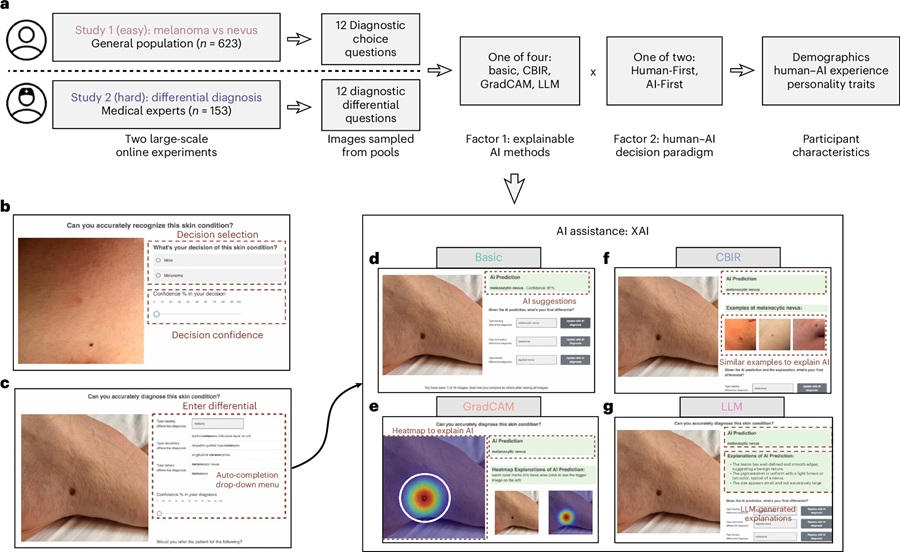
New Study Highlights Benefits and Risks of AI Explanations in Clinical Diagnosis
Explainable artificial intelligence is increasingly used in tools that help clinicians and patients assess skin disease, but its explanations can influence decisions and contribute to overreliance or error.... Read more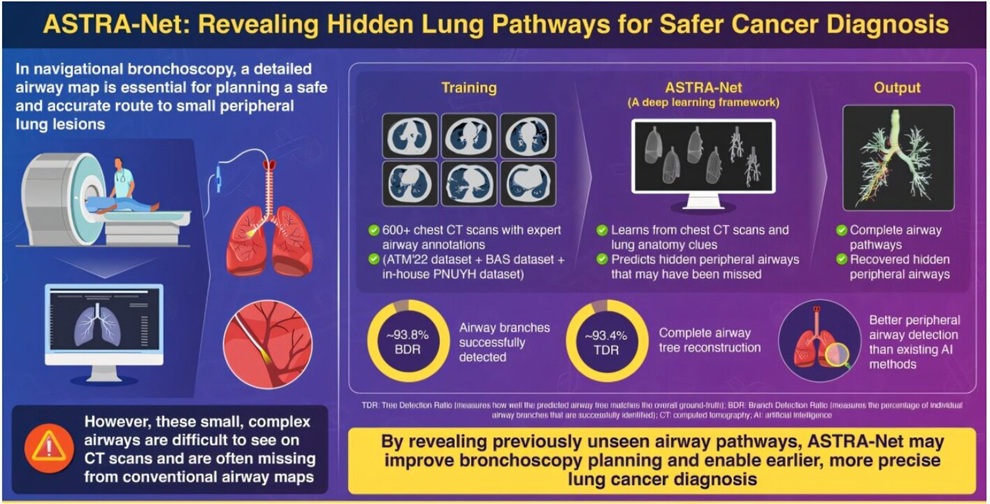
Critical Care
view channel
3D-Printed Membrane Could Enable Smaller, More Efficient Artificial Lungs
For patients with advanced lung disease, durable respiratory support is limited and donor organs are scarce. Extracorporeal membrane oxygenation (ECMO) can bridge failure, but current oxygenator membranes... Read more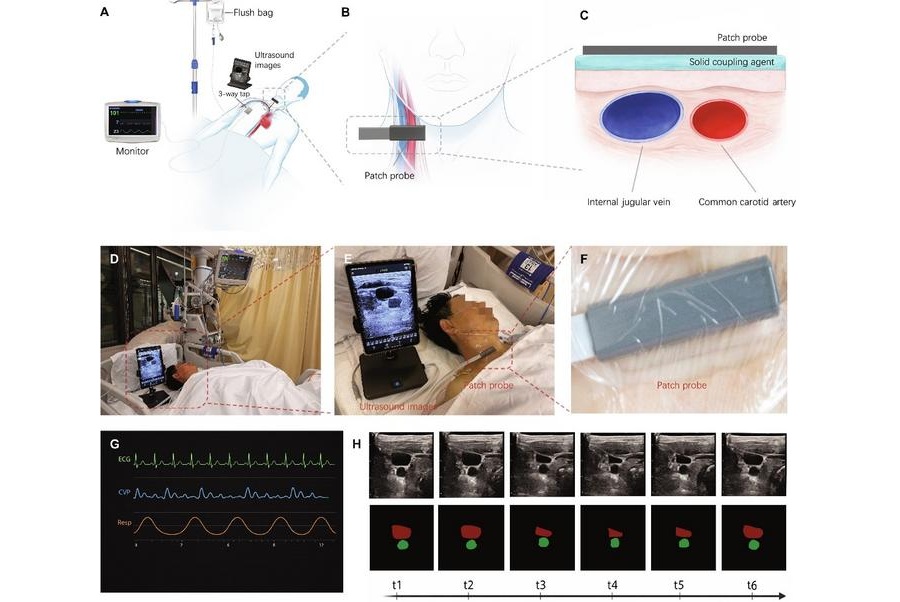
Wearable Ultrasound Patch Uses AI to Detect Elevated Central Venous Pressure
Central venous pressure (CVP) guides fluid and vasopressor therapy in critically ill patients, yet invasive catheterization carries procedural risks and is not always feasible. Ultrasound assessments of... Read more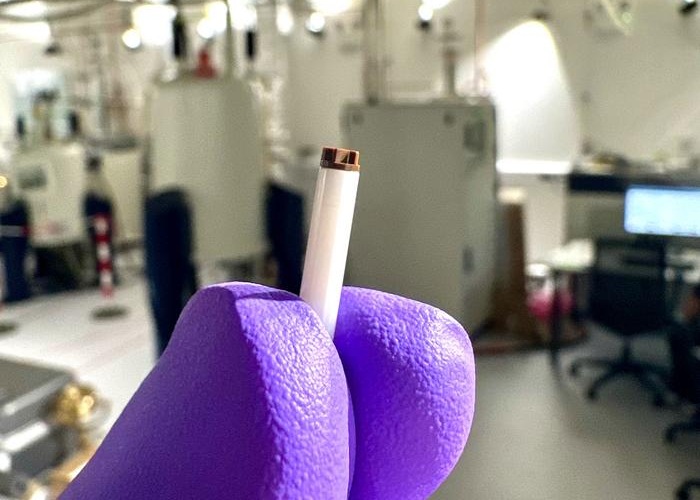
Surgical Techniques
view channel
Heartbeat-Powered Pacemaker Could Eliminate Battery Replacement Surgery
Pacemaker replacement surgeries expose patients to repeated procedural risks and added costs, particularly with leadless intracardiac systems that are difficult to explant once batteries deplete.... Read more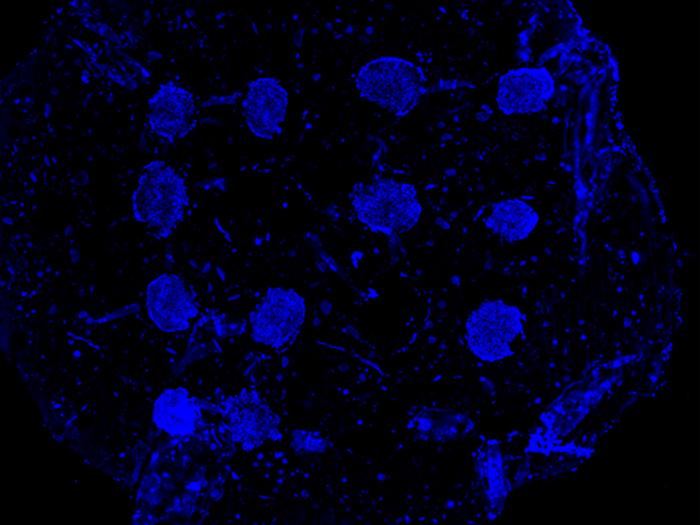
3D Bioprinting Method Enhances Bone Repair by Promoting Blood Vessel Growth
Severe bone loss after trauma, cancer, or infection is difficult to reconstruct because engineered grafts often fail to form stable blood vessels. Poor vascularization limits nutrient delivery, slows healing,... Read more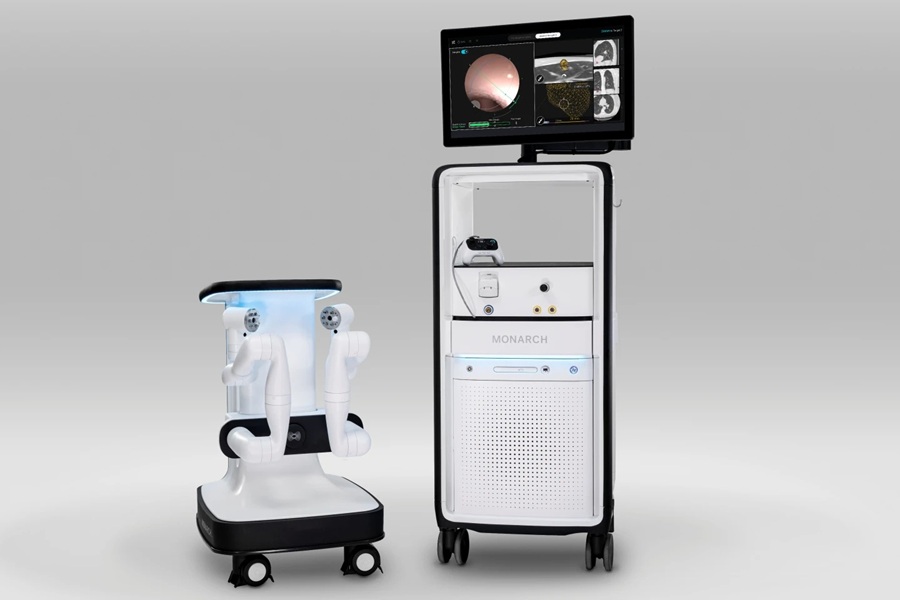
New Robotic Bronchoscopy Software Enhances Lung Nodule Navigation and Targeting
Accurate bronchoscopy to lung nodules can be technically challenging because patient anatomy may shift between pre-procedure computed tomography and the live procedure. These changes, together with CT-to-body... Read more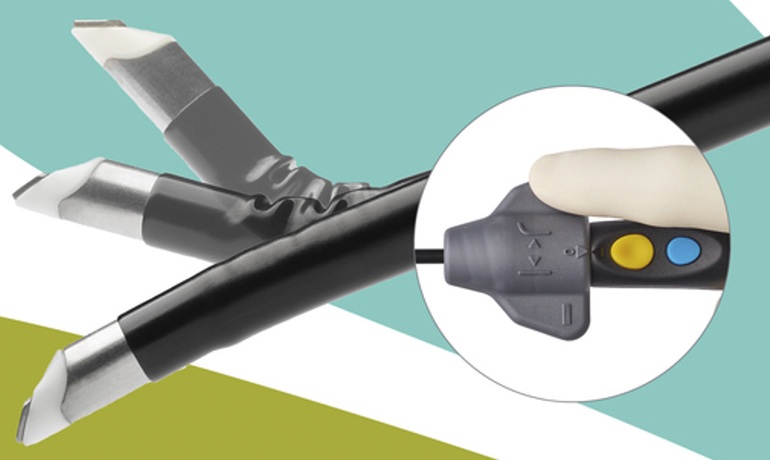
Patient Care
view channel
Multicenter Study Quantifies Delays in Care for Emergency Department Boarders
Emergency department (ED) boarding—the practice of keeping admitted patients in the ED while awaiting an inpatient bed—creates hazardous delays in definitive care. Prolonged transitions expose older and... Read more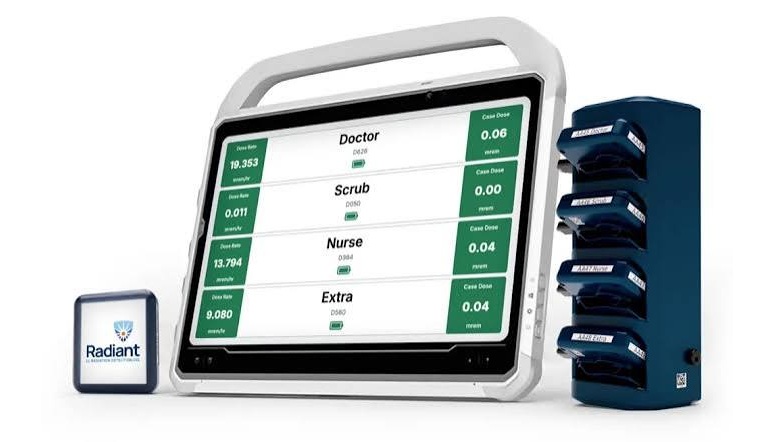
Real-Time Radiation Monitor Supports Safer Fluoroscopy-Guided Procedures
Fluoroscopy-guided procedures expose clinicians to scatter radiation that accumulates over time, creating persistent occupational risks in cath labs and interventional suites. Traditional badges typically... Read more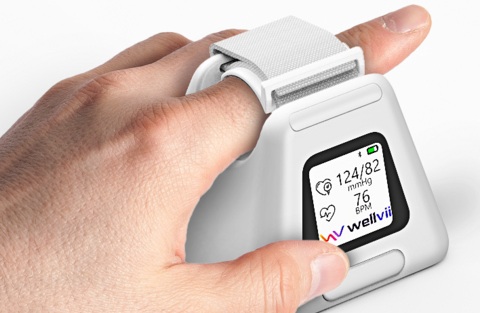

Medical Imaging
view channel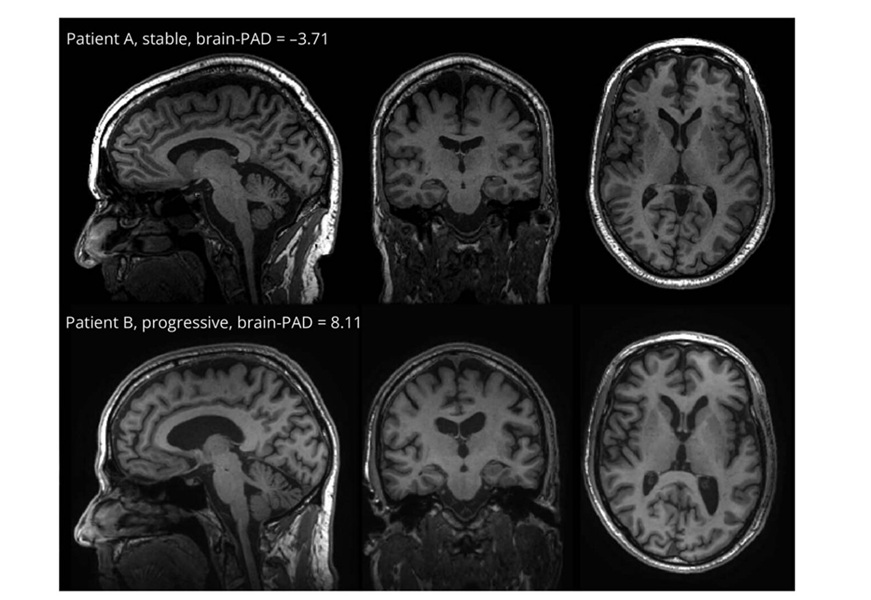
AI-Derived Brain Age from MRI Predicts Future Dementia Risk
Early identification of patients likely to progress to dementia remains difficult in memory clinics, where visual ratings of brain atrophy may miss subtle early changes. Dementia develops gradually and... Read more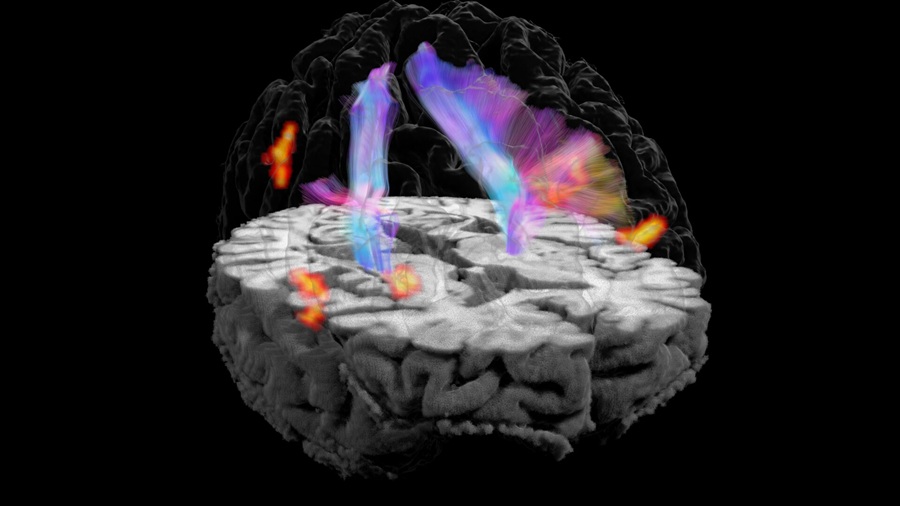
Imaging Biomarkers Aim to Personalize Treatment for Post-Stroke Bladder Dysfunction
Post-stroke lower urinary tract dysfunction, including urinary incontinence, affects many stroke survivors and can persist long after the acute event. These symptoms undermine independence, burden caregivers,... Read more

Health IT
view channel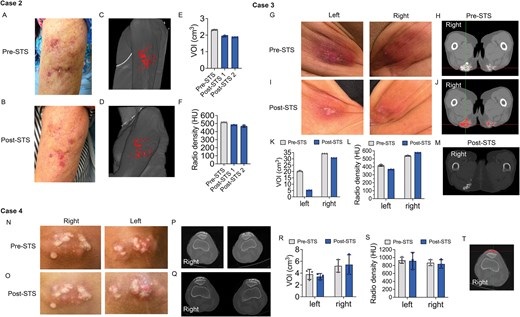
Imaging Tool Quantifies Calcinosis Cutis Volume to Monitor Treatment
Calcinosis cutis involves calcium deposits in the skin or soft tissues that can develop anywhere in the body, causing pain, impaired mobility, and disability. Lesions along the spine or buttocks can make... Read more
Digital Symptom Monitoring Supports More Personalized Breast Cancer Care
Metastatic breast cancer, in which tumors spread to other organs, is incurable but increasingly managed with modern systemic therapies. As more treatments shift from hospital infusions to oral or at-home... Read more

Point of Care
view channel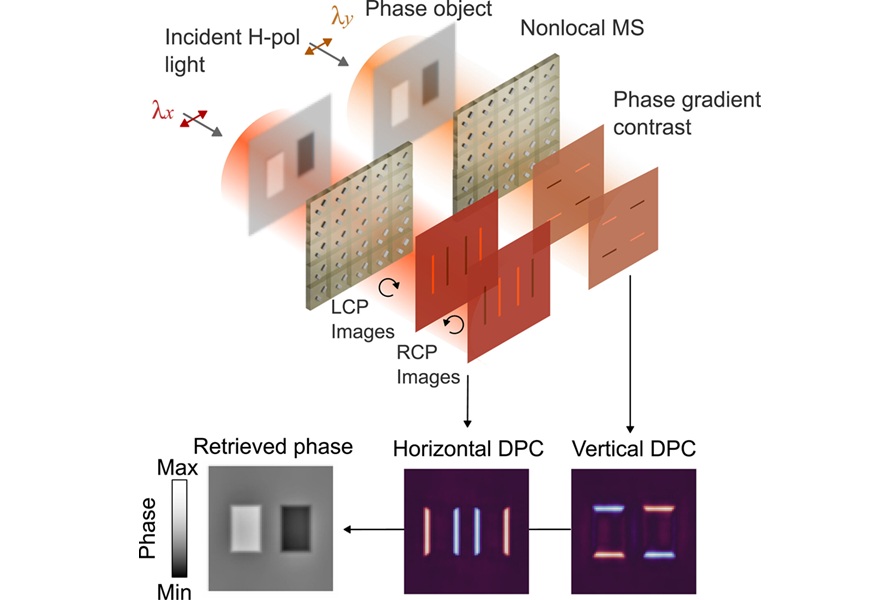
Ultrathin Metasurface Could Bring Quantitative Phase Imaging to Portable Devices
Point-of-care imaging often depends on bulky optical systems that have difficulty visualizing nearly transparent cells and tissues without staining. These limitations can slow diagnosis and restrict use... Read more