






Critical Care
MRI Reveals Exercise Benefits Patients with Type 2 Diabetes
Imaging studies have revealed that moderate-intensity exercise decreases fat stored around the heart, in the liver, and in the abdomen of individuals with type 2 diabetes mellitus, even in the absence of any changes in diet. More...18 Jul 2013


Gold Member

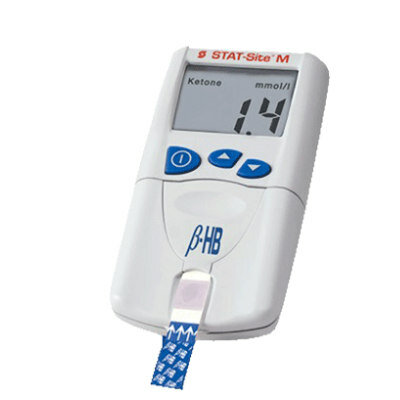
Handheld Blood Glucose Analyzer
STAT-Site



Surgical Dressing
ALLEVYN Ag+ SURGICAL


Wound Irrigation Solution
Prontosan®
In Other News
Hospital-Acquired C. Diff Incidence Reduced by Multidisciplinary Approach
New Method Detects Pneumonia Using a Microphone
Human Clinical Trial Shows Stem Cell Therapy Hastens Bone Repair
Blood Purifier Captures Deadly Viral Pathogens
Midsized Uretroscope Takes Care of Smaller Anatomy
Patient Factors Paramount in Emergency Department Imaging
Circulatory Support System Aids Failing Hearts
Pathological Findings Reveal Details of the Fungal Outbreak from Contaminated Steroid Injections
Sequential Compression Sleeves Reduce DVT Events
3D-Printed Cast Improves Patient Comfort
Nurses Could Fill the Screening Gap in Rheumatoid Arthritis
Social Network Initiative Helps Increase Organ Donations
Observation of Prostate Cancer Deemed Safe
New Treatment Improves Knee Recovery in Athletes
Despite Risks, Patients Still Turn to Anti-Inflammatory Drugs
Administrative Tasks Mainly Responsible for Physician Burnout
Low Vitamin D Causes High Blood Pressure
Subcutaneous Access Graft Improves Hemodialysis Blood Flow
Protein Block Stops Vascular Damage in Diabetes
Statin-Antibiotic Combination May Cause Toxic Reaction
Wireless Signals Could Transform Brain Trauma Diagnostics
UV Disinfection Technology Combats Superbugs
Negative Pressure System Provides Wound Healing During Daily Activities


HospiMedica Critical Care channel provides timely reporting on emergency medicine, intensive care, anesthesia, neonatal care, patient monitoring, respiratory care, infection control, and more hospital related subjects.