






Critical Care
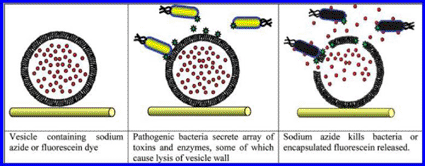
"Smart” Wound Dressings Could Identify and Destroy Infection-Causing Bacteria
A new study describes an innovative wound dressing system that releases an encapsulated antimicrobial agent only in the presence of pathogenic bacteria, allowing the body's normal microflora to continue providing a natural defense against infection. More...19 May 2010
Racial Disparity in Colorectal Cancer Related to Healthcare Utilization
A new study has found that black patients who underwent flexible sigmoidoscopy were less likely to schedule recommended follow-up colonoscopy than white patients, which may lead to higher rates of colorectal cancer mortality. More...19 May 2010


Gold Member

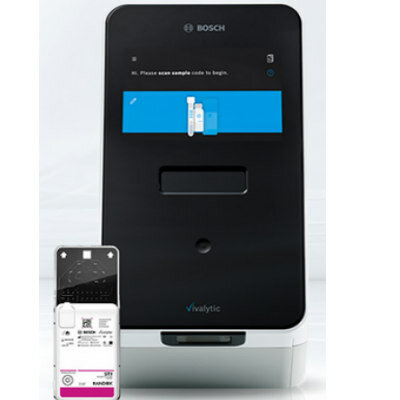
STI Test
Vivalytic Sexually Transmitted Infection (STI) Array

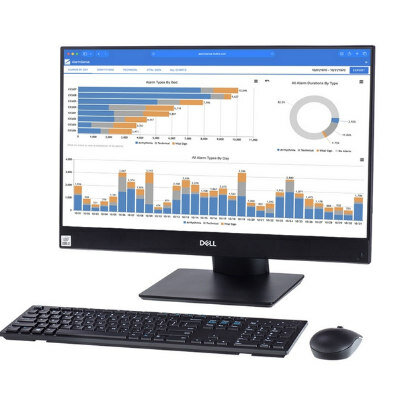

Patient Monitoring System
AlarmSense
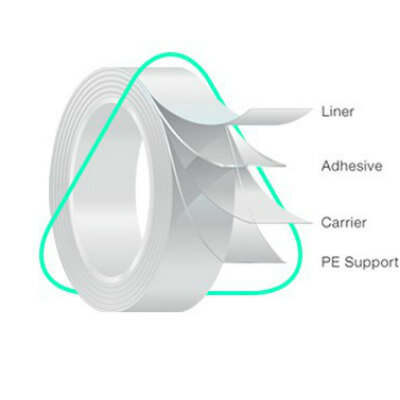

Medical Adhesive
MED 5570U
In Other News
Cardiostim 2010 to Focus on the Management of Cardiac Arrhythmias
Sigmoidoscopy Could Thwart a Third of Colorectal Cancers
New Technology Takes Bedside Imaging to New Level
Nanobiochip Diagnoses Heart Attacks
New Tool Predicts Candidates for Organ Donation
Kit Converts Existing Mobile X-Ray Systems to Wireless DR Technology
MRI an Inexpensive Way to Predict Alzheimer's Disease
Extremely Preterm Infants May Have Long-Term Respiratory Morbidity
Increased Patient Anxiety, Physician Overload could Result from Patient Access to Imaging Results
Single Dose of Aspirin Effective Treating Migraine
Red Wine May Shield Brain from Stroke Damage
Nanopatch Immunization Uses 1/100 Amount of Vaccine
MS Markers Identified Years Before Disease Is Diagnosed
Brain Network Scans Help Predict Effects of Injury
FDG-PET May Help Patients with Heart Failure Survive
Emergency Patients with Iron Deficiency More Likely to Require Blood Transfusion
Biomagnetic Imaging Could Detect Early Stage Breast Cancer
Galectin-3 Test to Provide Information About Heart Failure
Diet Alone Does Not Lead to Significant Weight Loss
Imaging Device May Help Diagnose Shaken Baby Syndrome
Dual-Energy CT Accurately Diagnoses Gout in Acute, Emergency Settings
X-Rays Often Inconclusive in Diagnosing Hip, Pelvic Fractures
Inexpensive Negative-Pressure Device Proves Useful


HospiMedica Critical Care channel provides timely reporting on emergency medicine, intensive care, anesthesia, neonatal care, patient monitoring, respiratory care, infection control, and more hospital related subjects.