






Critical Care
Lower Blood Pressure in Premature Babies May Increase SIDS Risk
A new study has found that infants born prematurely have lower blood pressure during sleep in the first six months of life, which could explain why premature infants are at an increased risk of sudden infant death syndrome. More...17 Dec 2008

Gold Member

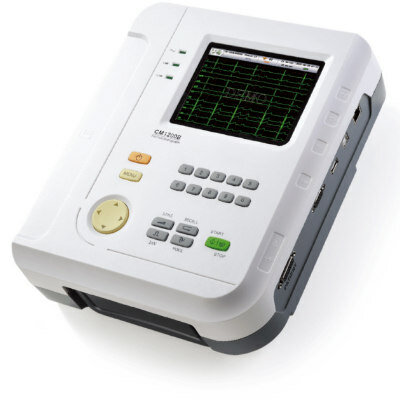
12-Channel ECG
CM1200B

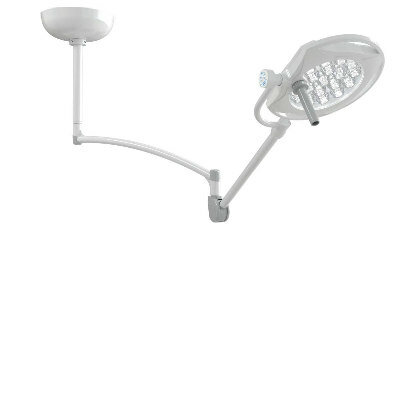

Medical Examination & Procedure Light
Vega 80
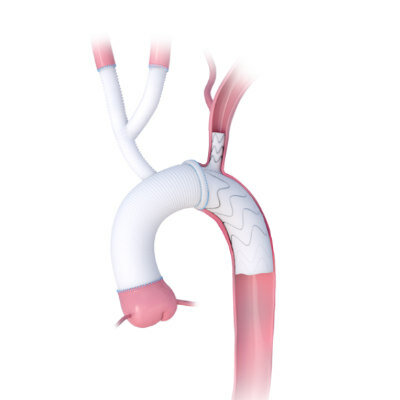

Hybrid Arch Device
Neo EDE
In Other News
Early Diagnosis of COPD Could Soon Become a Reality
New Tests for Influenza Virus Types A and B
Radar Device Monitors Baby's Breathing
Pulmonary Biomarker Surfactant Protein-B Is Used for Diagnosis
Gene Silencing May Improve Effectiveness of Islet Cell Transplants for Diabetes
Research Supports "Cognitive Reserve” Hypothesis
Obesity and a Sweet Tooth Linked in a Vicious Cycle
New Standard of Technology Improves Detection of Heart Disease
Guidelines Established for Preventing MRSA Infections in MRI Scanning
Proton Therapy and Concurrent Chemotherapy May Reduce Bone Marrow Toxicity in Advanced Lung Cancer
Drop in Blood Oxygen Level Could Explain Sudden Death in Epilepsy Patients
Diabetes Epidemic Costs Lives and Billions of Dollars
Novel Antibiotic Class Found Active Against Malaria Parasite
New Method for Controlling Bleeding in Hemophiliacs
MR-Guided Focused Ultrasound Relieves Pain from Bone Metastases
Alternative Brain Scanning Technology Could Diagnose Traumatic Brain Injury
Alternative Brain Scanning Technology Could Diagnose Traumatic Brain Injury
Relationship Between Depression and Pain Revealed
Intelligent Pill Targets Digestive Tract Diseases
New Biomarker for Heart Failure Identified
Molecular Assay Detects Clostridium difficile Toxin B Gene
Beathing Tests Deemed Vital for Accurate Asthma Diagnosis
Radioactive Carbon Incorporated in Urea for H. Pylori Test


HospiMedica Critical Care channel provides timely reporting on emergency medicine, intensive care, anesthesia, neonatal care, patient monitoring, respiratory care, infection control, and more hospital related subjects.