Enteric Panel Distinguishes between Inflammatory and Irritable Bowel Syndrome
|
By HospiMedica staff writers Posted on 11 Apr 2007 |


|
A range of rapid tests enables healthcare professionals to distinguish rapidly between patients with inflammatory bowel disease (IBD) and irritable bowel syndrome (IBS).
All three tests detect elevated fecal lactoferrin, which is a marker for fecal leukocytes and has become well established in recent years as an indicator of intestinal inflammation. The presence of fecal leukocytes enables IBS to be ruled out since it is a non-inflammatory condition.
Inverness Medical (Bedford, UK) announced the addition of the TechLab enteric panel to its global distribution portfolio. The three tests--IBD EZ Vue, IBD-Scan, and IBD-Chek--are intended to provide first lines of enquiry prior to follow-up with the current highly invasive colonoscopy. The announcement follows on from Inverness Medical's acquisition of a 49% stake in TechLab last year, which will also lead to new product development.
According to David Walton, vice president of international business at Inverness Medical, the three TechLab test formats have been designed to meet varying diagnostic needs at all stages of the disease, "IBD EZ Vue is a simple point-of-care test based on lateral flow technology that provides results in 10 minutes and can be used by physicians and nurses for frontline diagnosis. IBD-Chek on the other hand is a qualitative enzyme-linked immunoabsorbant assay [ELISA] for rapid elimination screening with a turnaround time of just 75 minutes. The IBD-Scan is a quantitative test that uses both liquid and solid fecal samples, and can also monitor therapy and predict relapse. The tests will be available through our international network and we hope they will make a significant contribution to improving patient diagnoses.”
Two other TechLab tests in Inverness Medical's enterics portfolio also offer new cost-effective solutions to long-standing problems. Leuko-Test is a rapid screen, based on lactoferrin detection, for discriminating between inflammatory and non-inflammatory diarrheas. Asca-Check detects human anti-Saccharomyces cerervisiae antibodies in feces, and can be used to differentiate Crohn's disease from other gastrointestinal illnesses.
Related Links:
Inverness Medical




All three tests detect elevated fecal lactoferrin, which is a marker for fecal leukocytes and has become well established in recent years as an indicator of intestinal inflammation. The presence of fecal leukocytes enables IBS to be ruled out since it is a non-inflammatory condition.
Inverness Medical (Bedford, UK) announced the addition of the TechLab enteric panel to its global distribution portfolio. The three tests--IBD EZ Vue, IBD-Scan, and IBD-Chek--are intended to provide first lines of enquiry prior to follow-up with the current highly invasive colonoscopy. The announcement follows on from Inverness Medical's acquisition of a 49% stake in TechLab last year, which will also lead to new product development.
According to David Walton, vice president of international business at Inverness Medical, the three TechLab test formats have been designed to meet varying diagnostic needs at all stages of the disease, "IBD EZ Vue is a simple point-of-care test based on lateral flow technology that provides results in 10 minutes and can be used by physicians and nurses for frontline diagnosis. IBD-Chek on the other hand is a qualitative enzyme-linked immunoabsorbant assay [ELISA] for rapid elimination screening with a turnaround time of just 75 minutes. The IBD-Scan is a quantitative test that uses both liquid and solid fecal samples, and can also monitor therapy and predict relapse. The tests will be available through our international network and we hope they will make a significant contribution to improving patient diagnoses.”
Two other TechLab tests in Inverness Medical's enterics portfolio also offer new cost-effective solutions to long-standing problems. Leuko-Test is a rapid screen, based on lactoferrin detection, for discriminating between inflammatory and non-inflammatory diarrheas. Asca-Check detects human anti-Saccharomyces cerervisiae antibodies in feces, and can be used to differentiate Crohn's disease from other gastrointestinal illnesses.
Related Links:
Inverness Medical

Gold Member
Neonatal Heel Incision Device
Tenderfoot
Gold Member
12-Channel ECG
CM1200B
Patient Monitoring System
AlarmSense
Vessel Sealing Instrument
ERGOseal
Channels
Artificial Intelligence
view channel
AI Platform Supports Noninvasive Remote Hemodynamic Monitoring in Heart Failure
Heart failure remains a leading cause of hospitalization in adults over 65, affecting more than 6.7 million people in the U.S. Clinicians often lose visibility into hemodynamic deterioration once patients... Read more
AI Tool Predicts Unplanned Care and Symptom Burden in Cancer Survivors
Unplanned emergency visits and hospitalizations remain common in cancer survivorship, when routine clinical contact often tapers while new symptoms emerge. These events reflect unmet needs and disrupt... Read more

Critical Care
view channel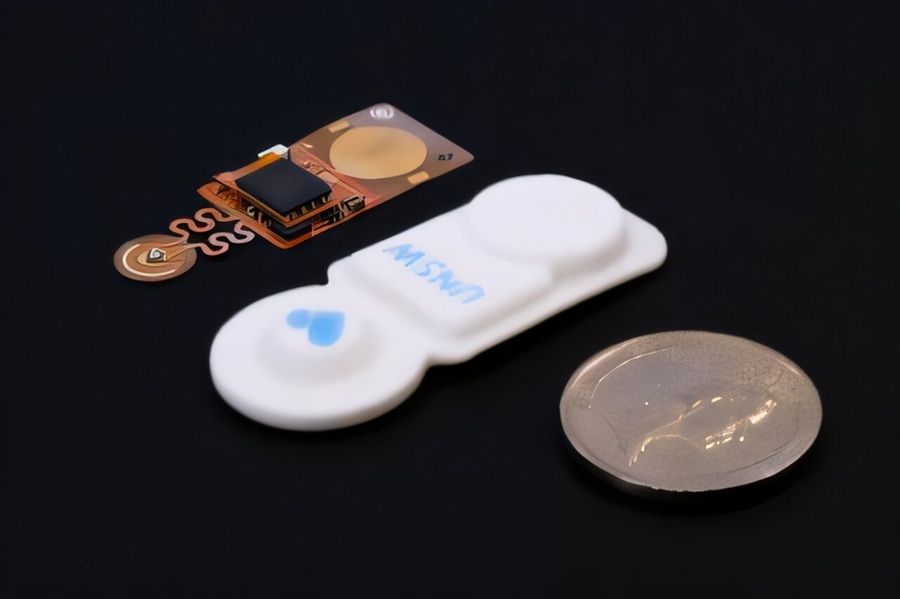
Tiny Wearable Patch Tracks Heart and Respiratory Changes at Home
Auscultation and cardiorespiratory monitoring are typically limited to brief, clinic-based assessments. These intermittent checks can miss evolving abnormalities and place added burden on patients who... Read more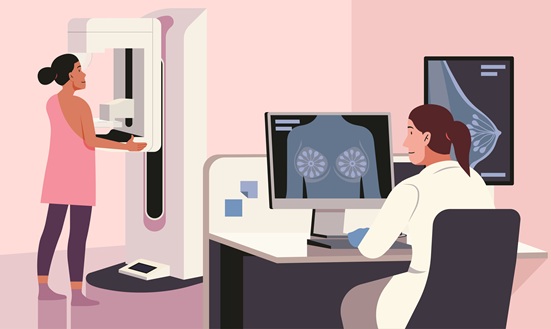
AI-Guided Mammogram Triage Speeds Same-Day Breast Cancer Workup
Abnormal findings on screening mammograms can leave women waiting weeks for answers, prolonging anxiety and delaying care. These delays can strain diagnostic services, particularly in safety-net hospitals,... Read more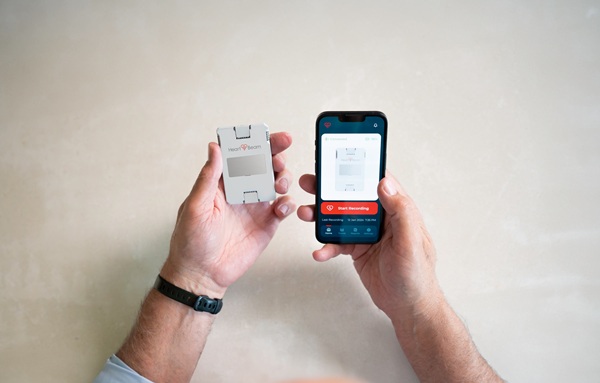

Surgical Techniques
view channel
New CAR T-Cell Therapy Enables Transplants in Hard-to-Match Kidney Patients
Highly sensitized kidney transplant candidates have extremely high levels of anti-donor antibodies that block matching and prolong dialysis. These patients face long wait times and increased morbidity... Read more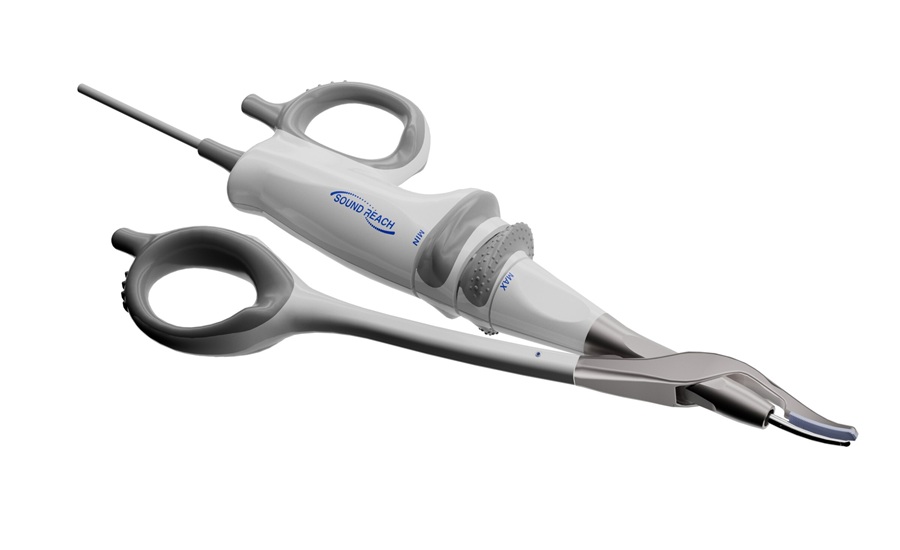
CE-Marked Ultrasonic Shears Streamline Breast and Thyroid Surgery
Thyroid and breast surgeries are often performed in confined anatomical spaces near critical structures, making precise dissection and controlled thermal management essential. As the global disease burden... Read more

Patient Care
view channel
AI Avatar Doctor Improves Patient Understanding Before Radiotherapy
Radiation oncology consultations require patients to grasp complex concepts quickly, yet anxiety and information overload often undermine understanding and informed consent. Poor comprehension can also... Read more
Wearable Sleep Data Predict Adherence to Pulmonary Rehabilitation
Chronic obstructive pulmonary disease (COPD) is a long-term lung disorder that makes breathing difficult and often disturbs sleep, reducing energy for daily activities. Limited engagement in pulmonary... Read more

Health IT
view channel
AI-Native EHR Achieves EU Medical Device Certification
InterSystems (Boston, MA, USA) announced that its IntelliCare electronic health record (EHR) solutions have been certified as Class IIa medical devices under the European Union Medical Device Regulation... Read more
EHR-Integrated Screening Workflow Detects Cognitive Impairment at Admission
Cognitive impairment involves difficulties with thinking, learning, memory, and decision-making, and is more common in older adults. In U.S. hospitals, more than 40% of admitted older adults have dementia,... Read more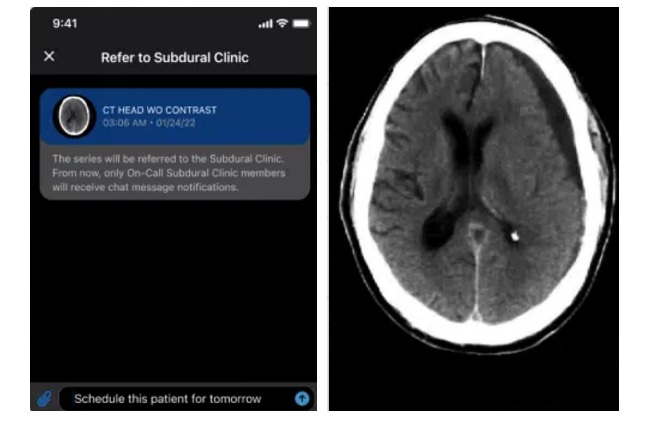
Point of Care
view channel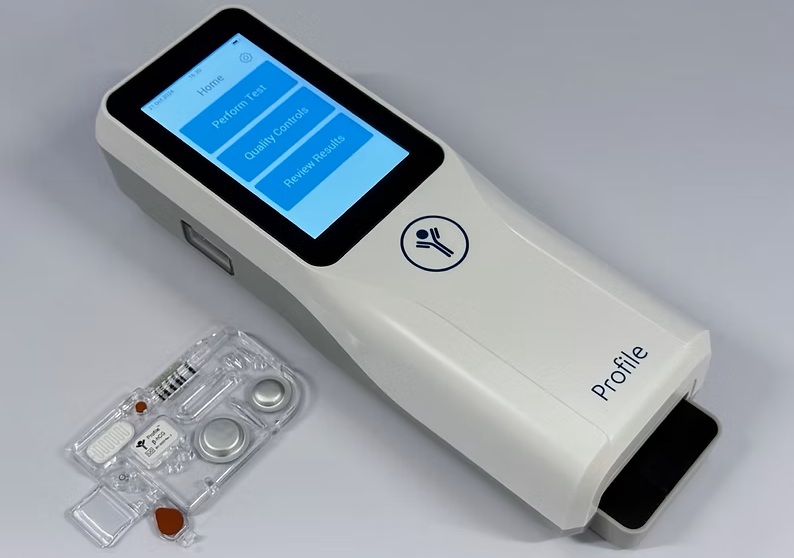
Portable Immunoassay System Advances Toward Point-of-Care Biomarker Testing
Proxim Diagnostics Corp. (Santa Clara, CA, USA) has announced that its Profile System, a handheld point-of-care immunoassay platform, has completed development. The milestone includes completion... Read more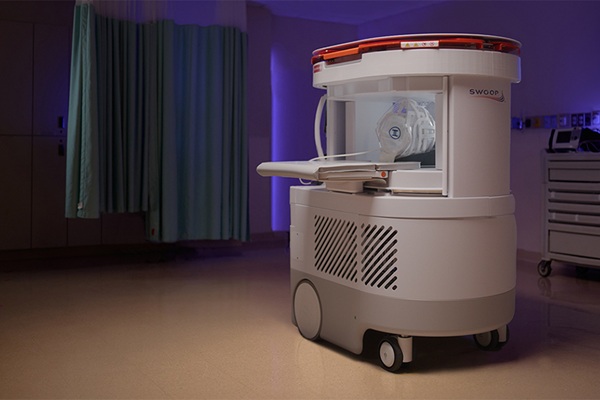
Portable MRI System Accelerates Emergency Brain Imaging and Triage
Emergency departments frequently face delays accessing conventional magnetic resonance imaging (MRI) for patients with suspected neurological emergencies. Such waits can slow triage, prolong boarding,... Read more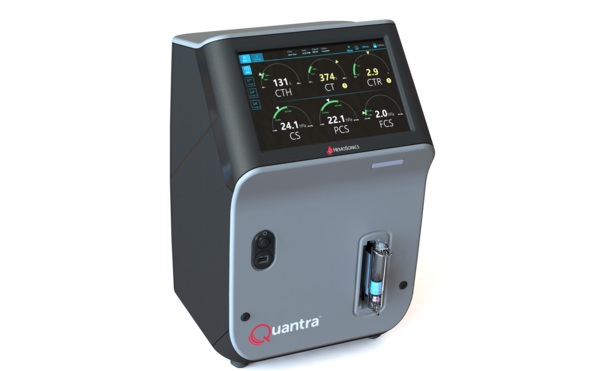
Point-of-Care Viscoelastic Testing System Supports Obstetric Bleeding Management
HemoSonics (Durham, NC, USA) announced on May 5, 2026 that the company's Quantra Hemostasis System for Obstetric Procedures won Silver in the 2026 Edison Awards in the Women’s Health and Reproductive Innovations... Read more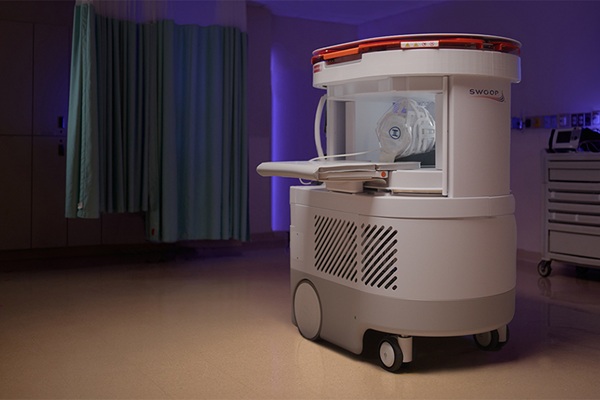
Business
view channel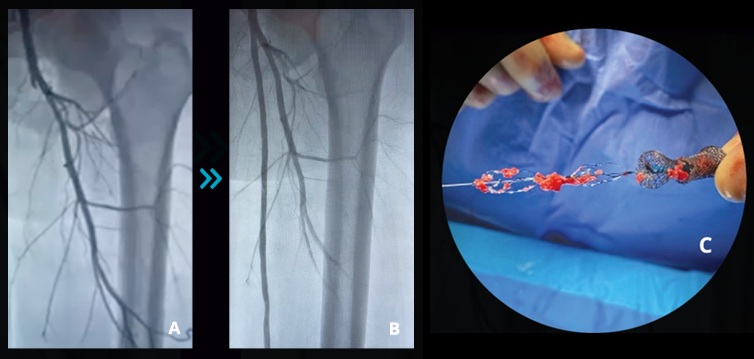
Endologix Adds FDA-Cleared Peripheral Thrombectomy System
Endologix (Santa Rosa, CA, USA) has acquired the Pounce Thrombectomy System from Surmodics, with the transaction closing on May 18, 2026. The FDA-cleared system is indicated for the non-surgical removal... Read more