No Clear Leader in Physician EMR Market
|
By HospiMedica International staff writers Posted on 11 Mar 2010 |


|
Despite the presence of several major corporations, no single company dominates the market for electronic medical records (EMR). These are the latest findings of Kalorama Information (New York, NY, USA), an independent market research firm.
According to the report, at least 70% of the EMR market represents sales to hospitals and health systems. Due to the scale of operation, capital outlay, and the support infrastructure needed to service hospitals, large information technology (IT) companies such as McKesson (San Francisco, CA, USA), Cerner, Eclypsis and MediTech--who were all doing business with these customers prior to the EMR incentives--have a fairly strong hold on that segment. The remainder of the market, consisting of sales to physician practices and web sales, is a smaller target, but one with more opportunity.
As a result, companies such as Allscripts (Chicago, IL, USA), Epic, eClinicalworks, athenahealth (Watertown, MA, USA), and NextGen are among the leaders in sales to physicians, but no one company has even 20% of the physician EMR market. This is due to a variety of reasons: the trending towards acquiring EMR is recent; software programs are often offered in conjunction with products offered by billing software vendors; and the physician market represents a multitude of customers in various regional markets, which makes for a slower sales process. The Kalorama Information report also indicates that brand recognition among physicians is also low; when doctors are surveyed no particular brand sticks out in any kind of numbers, and ratings of brands tend towards the middle range. Both market share and brand awareness could rapidly change, however, as some of the large companies that entered the market in 2009, such as IBM, 3M, Dell, and Wal-Mart, show results with their marketing efforts.
"No one has closed the deal yet for physician mindshare, at least not yet,” said Bruce Carlson, the publisher of Kalorama Information. "And that is good news for companies that are considering entering the system with a product that has enhanced functionality.”
According to Kalorama Information, the EMR market was estimated at US$13.8 billion in 2009, but the market is expected to grow ever since the announcement by the U.S. government of major healthcare incentives for physicians who implement and use EMR in their practices, presenting a market that is wide open for more competition and new entrants.
Related Links:
Kalorama Information
McKesson
Allscripts
athenahealth





According to the report, at least 70% of the EMR market represents sales to hospitals and health systems. Due to the scale of operation, capital outlay, and the support infrastructure needed to service hospitals, large information technology (IT) companies such as McKesson (San Francisco, CA, USA), Cerner, Eclypsis and MediTech--who were all doing business with these customers prior to the EMR incentives--have a fairly strong hold on that segment. The remainder of the market, consisting of sales to physician practices and web sales, is a smaller target, but one with more opportunity.
As a result, companies such as Allscripts (Chicago, IL, USA), Epic, eClinicalworks, athenahealth (Watertown, MA, USA), and NextGen are among the leaders in sales to physicians, but no one company has even 20% of the physician EMR market. This is due to a variety of reasons: the trending towards acquiring EMR is recent; software programs are often offered in conjunction with products offered by billing software vendors; and the physician market represents a multitude of customers in various regional markets, which makes for a slower sales process. The Kalorama Information report also indicates that brand recognition among physicians is also low; when doctors are surveyed no particular brand sticks out in any kind of numbers, and ratings of brands tend towards the middle range. Both market share and brand awareness could rapidly change, however, as some of the large companies that entered the market in 2009, such as IBM, 3M, Dell, and Wal-Mart, show results with their marketing efforts.
"No one has closed the deal yet for physician mindshare, at least not yet,” said Bruce Carlson, the publisher of Kalorama Information. "And that is good news for companies that are considering entering the system with a product that has enhanced functionality.”
According to Kalorama Information, the EMR market was estimated at US$13.8 billion in 2009, but the market is expected to grow ever since the announcement by the U.S. government of major healthcare incentives for physicians who implement and use EMR in their practices, presenting a market that is wide open for more competition and new entrants.
Related Links:
Kalorama Information
McKesson
Allscripts
athenahealth

Gold Member
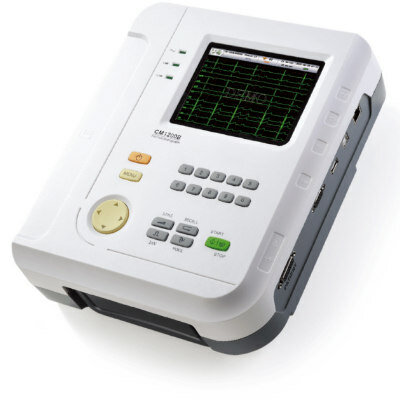
12-Channel ECG
CM1200B
Gold Member
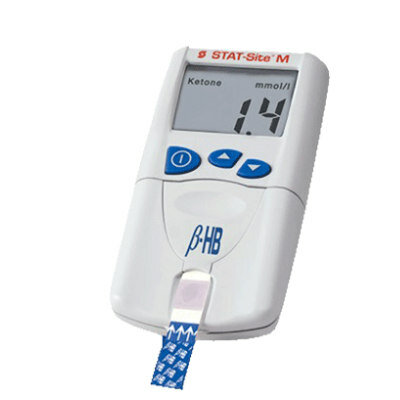
Handheld Blood Glucose Analyzer
STAT-Site
Vessel Sealing Instrument
ERGOseal
Surgical Dressing
ALLEVYN Ag+ SURGICAL
Latest Business News
- Endologix Adds FDA-Cleared Peripheral Thrombectomy System
- Artivion Adds FDA-Approved NEXUS System to Aortic Arch Portfolio
- Olympus Partnership Aims to Expand Access to Robot-Assisted Endoscopic Therapy
- Johnson & Johnson Launches AI-Driven Cardiac Mapping System
- Proximie Advances AI-Driven Intelligent Operating Rooms with NVIDIA Collaboration
- GE HealthCare, DeepHealth Expand AI Breast Imaging Collaboration
- Sinocare Presents AI-Driven Integrated Digital Health Solutions at CMEF
- GE HealthCare and Medtronic Expand Alliance with Intraoperative Imaging Integration
- New Partnership Advances Physical AI into Perioperative Workflows
- External Liver Assist System Receives FDA RMAT Designation
- New Partnership Expands Access to Predictive Tool for Patient Monitoring
- GE HealthCare Leads Major European Initiative to Advance Cardio-Oncology Care
- Medtronic and GE HealthCare Broaden Alliance Across Monitoring and Care Solutions
- Quantum Surgical Acquires NeuWave from Johnson & Johnson
- Medtronic to Acquire Coronary Artery Medtech Company CathWorks
- Medtronic and Mindray Expand Strategic Partnership to Ambulatory Surgery Centers in the U.S.
Channels
Artificial Intelligence
view channel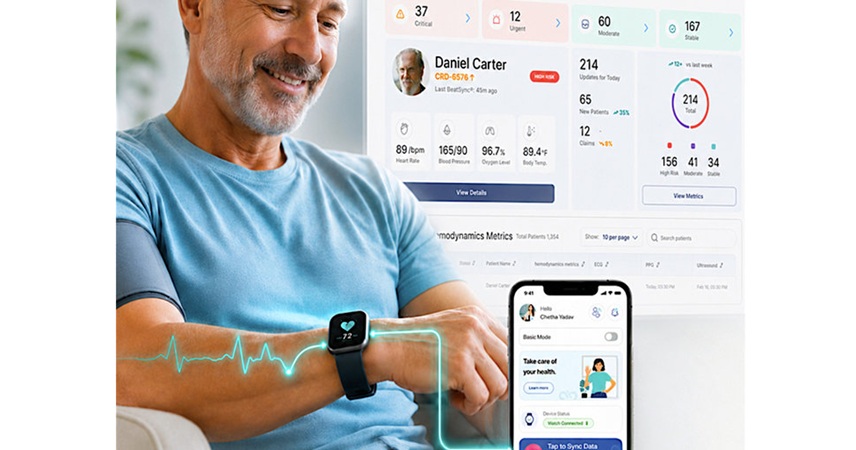
AI Platform Supports Noninvasive Remote Hemodynamic Monitoring in Heart Failure
Heart failure remains a leading cause of hospitalization in adults over 65, affecting more than 6.7 million people in the U.S. Clinicians often lose visibility into hemodynamic deterioration once patients... Read more
AI Tool Predicts Unplanned Care and Symptom Burden in Cancer Survivors
Unplanned emergency visits and hospitalizations remain common in cancer survivorship, when routine clinical contact often tapers while new symptoms emerge. These events reflect unmet needs and disrupt... Read more

Critical Care
view channel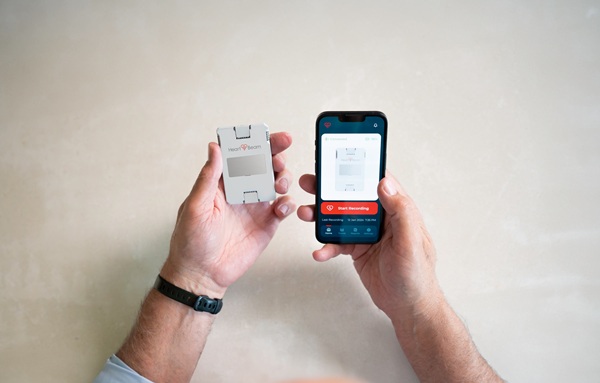
Handheld ECG Algorithm Shows Promise for At-Home Heart Attack Risk Assessment
Chest pain remains one of the most common emergency presentations, yet determining which patients are experiencing a heart attack outside the hospital is challenging. Delays from symptom onset to hospital... Read more
Smartphone Heart Rhythm App Reduces Unnecessary Cardioversion Procedures
Atrial fibrillation, an irregular and often rapid heart rhythm, is the most common arrhythmia in adults. Elective electrical cardioversion is frequently canceled on the day of treatment when patients revert... Read more
Surgical Techniques
view channel
New CAR T-Cell Therapy Enables Transplants in Hard-to-Match Kidney Patients
Highly sensitized kidney transplant candidates have extremely high levels of anti-donor antibodies that block matching and prolong dialysis. These patients face long wait times and increased morbidity... Read more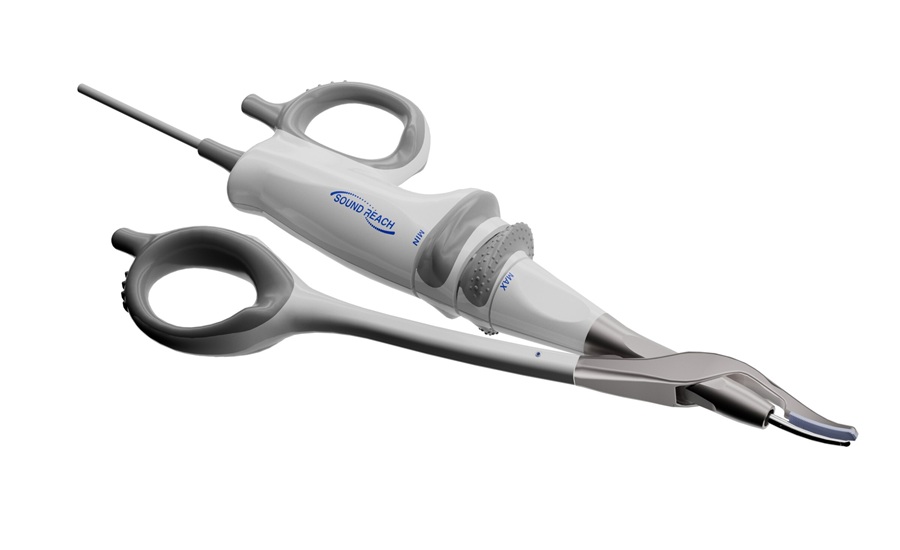
CE-Marked Ultrasonic Shears Streamline Breast and Thyroid Surgery
Thyroid and breast surgeries are often performed in confined anatomical spaces near critical structures, making precise dissection and controlled thermal management essential. As the global disease burden... Read more

Patient Care
view channel
AI Avatar Doctor Improves Patient Understanding Before Radiotherapy
Radiation oncology consultations require patients to grasp complex concepts quickly, yet anxiety and information overload often undermine understanding and informed consent. Poor comprehension can also... Read more
Wearable Sleep Data Predict Adherence to Pulmonary Rehabilitation
Chronic obstructive pulmonary disease (COPD) is a long-term lung disorder that makes breathing difficult and often disturbs sleep, reducing energy for daily activities. Limited engagement in pulmonary... Read more

Health IT
view channel
AI-Native EHR Achieves EU Medical Device Certification
InterSystems (Boston, MA, USA) announced that its IntelliCare electronic health record (EHR) solutions have been certified as Class IIa medical devices under the European Union Medical Device Regulation... Read more
EHR-Integrated Screening Workflow Detects Cognitive Impairment at Admission
Cognitive impairment involves difficulties with thinking, learning, memory, and decision-making, and is more common in older adults. In U.S. hospitals, more than 40% of admitted older adults have dementia,... Read more
Point of Care
view channel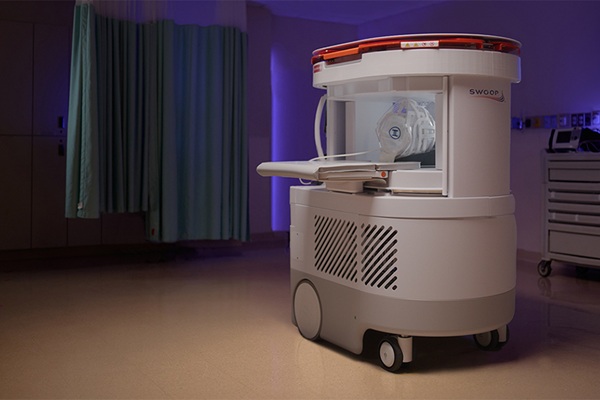
Portable MRI System Accelerates Emergency Brain Imaging and Triage
Emergency departments frequently face delays accessing conventional magnetic resonance imaging (MRI) for patients with suspected neurological emergencies. Such waits can slow triage, prolong boarding,... Read more