Women with Gestational Diabetes Need Retesting After Pregnancy
|
By HospiMedica International staff writers Posted on 12 May 2010 |


|
Women who have had gestational diabetes should be retested for diabetes 6 to 12 weeks after the baby is born, and at least every three years after that. Follow-up screening usually consists of a simple blood test.
Generally, steps are taken to manage gestational diabetes during pregnancy for the health of both mother and child. However, many women do not realize that if they have had gestational diabetes they are at increased risk for developing diabetes in the future, and their child is also at increased risk for obesity and type 2 diabetes.
The U.S. National Institute of Diabetes and Digestive and Kidney Diseases (NIDDK; Bethesda MD, USA) and the Office of Research on Women's Health (ORWH; Bethesda, MD, USA) are together promoting awareness of risks attached for mothers and children after pregnancies where there had been gestational diabetes. A special effort was made from May 9-15, 2010, which included Mother's Day in many parts of the world, and [US] National Women's Health Week.
"Many women think that if the follow-up test after the baby is born shows no signs of diabetes, they are in the clear, but that is not the case," said Vivian Pinn, M.D., director of the ORWH. "What many of these moms do not know is that they have a 40 % to 60 % chance of developing diabetes as early as five to 10 years after their baby is born. These women need to know this information and they need to take steps to lower their risk for developing diabetes."
Related Links:
U.S. National Institute of Diabetes and Digestive and Kidney Diseases
Office of Research on Women's Health





Generally, steps are taken to manage gestational diabetes during pregnancy for the health of both mother and child. However, many women do not realize that if they have had gestational diabetes they are at increased risk for developing diabetes in the future, and their child is also at increased risk for obesity and type 2 diabetes.
The U.S. National Institute of Diabetes and Digestive and Kidney Diseases (NIDDK; Bethesda MD, USA) and the Office of Research on Women's Health (ORWH; Bethesda, MD, USA) are together promoting awareness of risks attached for mothers and children after pregnancies where there had been gestational diabetes. A special effort was made from May 9-15, 2010, which included Mother's Day in many parts of the world, and [US] National Women's Health Week.
"Many women think that if the follow-up test after the baby is born shows no signs of diabetes, they are in the clear, but that is not the case," said Vivian Pinn, M.D., director of the ORWH. "What many of these moms do not know is that they have a 40 % to 60 % chance of developing diabetes as early as five to 10 years after their baby is born. These women need to know this information and they need to take steps to lower their risk for developing diabetes."
Related Links:
U.S. National Institute of Diabetes and Digestive and Kidney Diseases
Office of Research on Women's Health

Gold Member
Neonatal Heel Incision Device
Tenderfoot
Gold Member
Handheld Blood Glucose Analyzer
STAT-Site
Hybrid Arch Device
Neo EDE
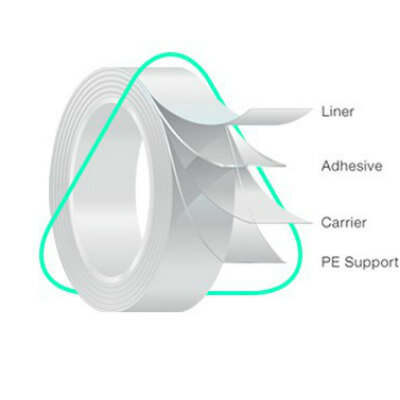
Medical Adhesive
MED 5570U
Latest Clinical Chem. News
Channels
Artificial Intelligence
view channel
AI Platform Supports Noninvasive Remote Hemodynamic Monitoring in Heart Failure
Heart failure remains a leading cause of hospitalization in adults over 65, affecting more than 6.7 million people in the U.S. Clinicians often lose visibility into hemodynamic deterioration once patients... Read more
AI Tool Predicts Unplanned Care and Symptom Burden in Cancer Survivors
Unplanned emergency visits and hospitalizations remain common in cancer survivorship, when routine clinical contact often tapers while new symptoms emerge. These events reflect unmet needs and disrupt... Read more

Critical Care
view channel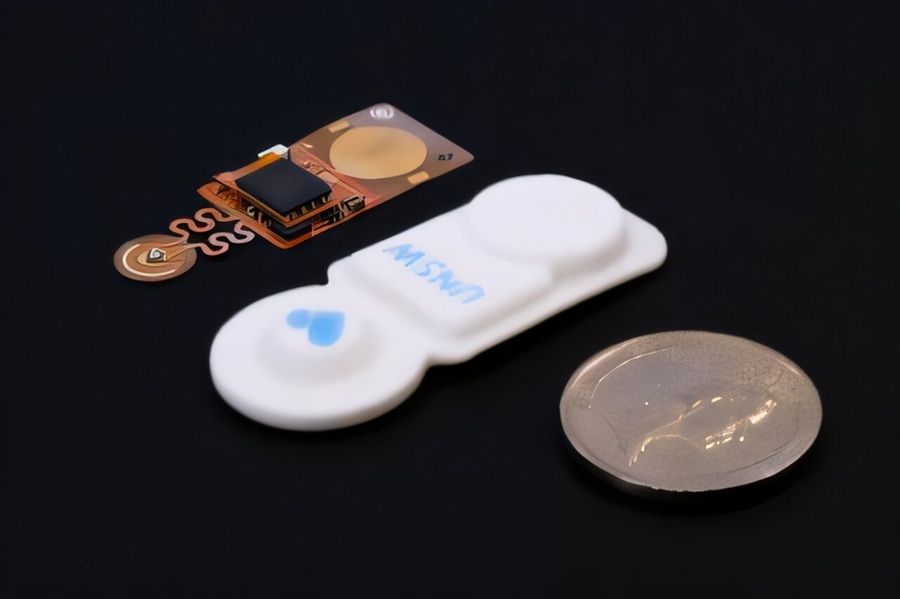
Tiny Wearable Patch Tracks Heart and Respiratory Changes at Home
Auscultation and cardiorespiratory monitoring are typically limited to brief, clinic-based assessments. These intermittent checks can miss evolving abnormalities and place added burden on patients who... Read more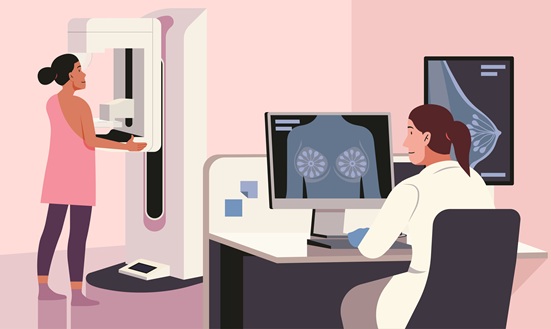
AI-Guided Mammogram Triage Speeds Same-Day Breast Cancer Workup
Abnormal findings on screening mammograms can leave women waiting weeks for answers, prolonging anxiety and delaying care. These delays can strain diagnostic services, particularly in safety-net hospitals,... Read more

Surgical Techniques
view channel
New CAR T-Cell Therapy Enables Transplants in Hard-to-Match Kidney Patients
Highly sensitized kidney transplant candidates have extremely high levels of anti-donor antibodies that block matching and prolong dialysis. These patients face long wait times and increased morbidity... Read more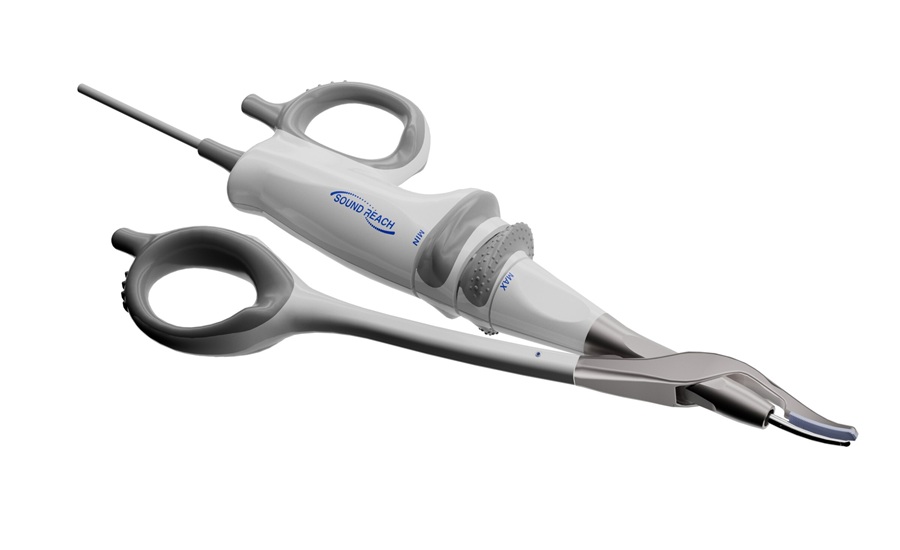
CE-Marked Ultrasonic Shears Streamline Breast and Thyroid Surgery
Thyroid and breast surgeries are often performed in confined anatomical spaces near critical structures, making precise dissection and controlled thermal management essential. As the global disease burden... Read more

Patient Care
view channel
AI Avatar Doctor Improves Patient Understanding Before Radiotherapy
Radiation oncology consultations require patients to grasp complex concepts quickly, yet anxiety and information overload often undermine understanding and informed consent. Poor comprehension can also... Read more
Wearable Sleep Data Predict Adherence to Pulmonary Rehabilitation
Chronic obstructive pulmonary disease (COPD) is a long-term lung disorder that makes breathing difficult and often disturbs sleep, reducing energy for daily activities. Limited engagement in pulmonary... Read more

Health IT
view channel
AI-Native EHR Achieves EU Medical Device Certification
InterSystems (Boston, MA, USA) announced that its IntelliCare electronic health record (EHR) solutions have been certified as Class IIa medical devices under the European Union Medical Device Regulation... Read more
EHR-Integrated Screening Workflow Detects Cognitive Impairment at Admission
Cognitive impairment involves difficulties with thinking, learning, memory, and decision-making, and is more common in older adults. In U.S. hospitals, more than 40% of admitted older adults have dementia,... Read more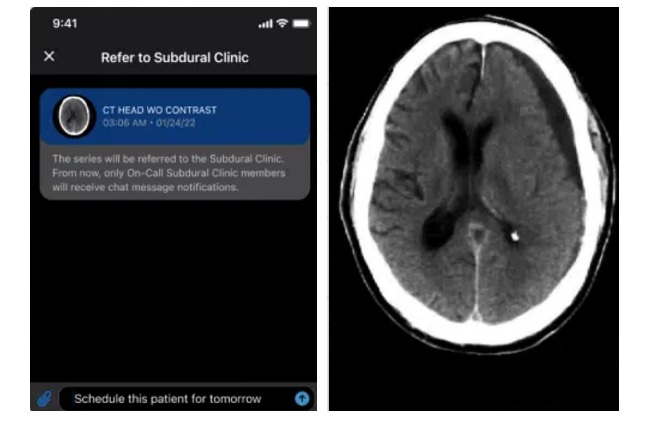

Point of Care
view channel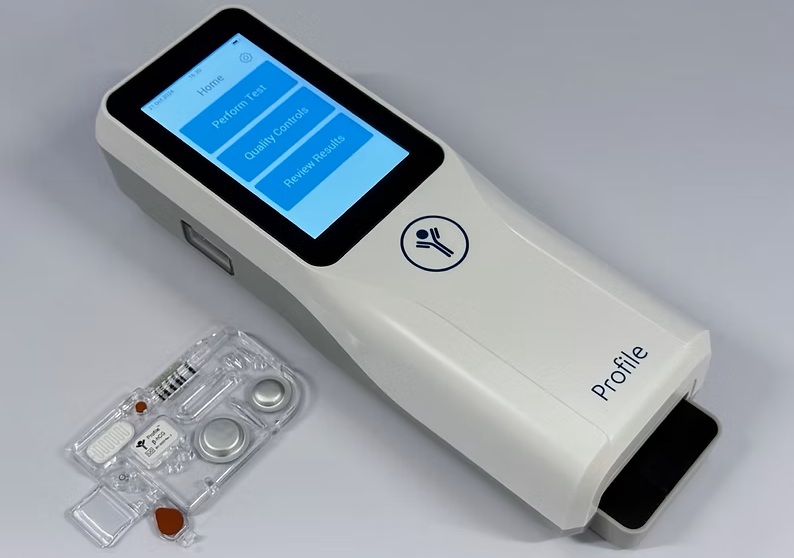
Portable Immunoassay System Advances Toward Point-of-Care Biomarker Testing
Proxim Diagnostics Corp. (Santa Clara, CA, USA) has announced that its Profile System, a handheld point-of-care immunoassay platform, has completed development. The milestone includes completion... Read more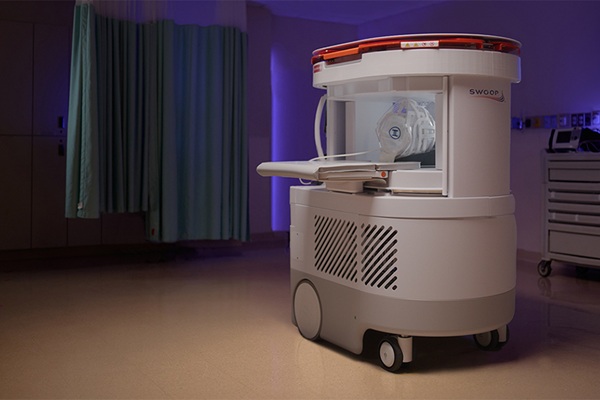
Portable MRI System Accelerates Emergency Brain Imaging and Triage
Emergency departments frequently face delays accessing conventional magnetic resonance imaging (MRI) for patients with suspected neurological emergencies. Such waits can slow triage, prolong boarding,... Read more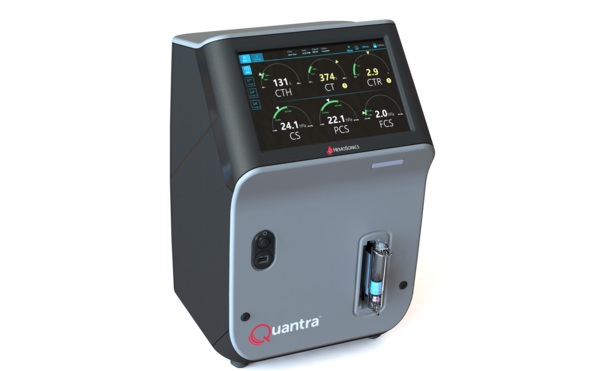
Point-of-Care Viscoelastic Testing System Supports Obstetric Bleeding Management
HemoSonics (Durham, NC, USA) announced on May 5, 2026 that the company's Quantra Hemostasis System for Obstetric Procedures won Silver in the 2026 Edison Awards in the Women’s Health and Reproductive Innovations... Read more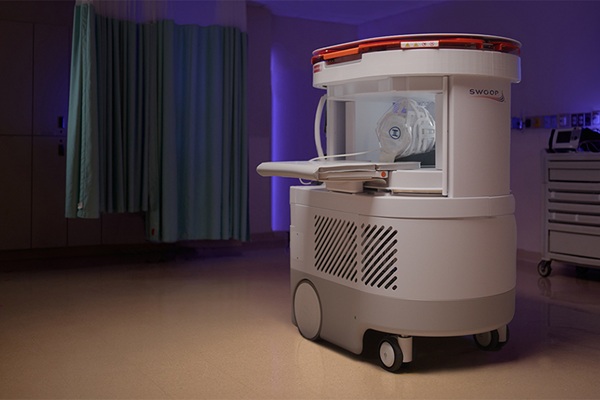
Business
view channel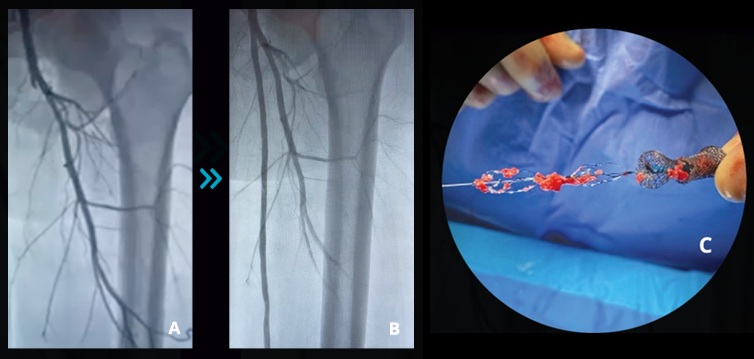
Endologix Adds FDA-Cleared Peripheral Thrombectomy System
Endologix (Santa Rosa, CA, USA) has acquired the Pounce Thrombectomy System from Surmodics, with the transaction closing on May 18, 2026. The FDA-cleared system is indicated for the non-surgical removal... Read more