Visualization and Analysis Software Provides New Clinical Functionality and Workflow Capabilities
|
By HospiMedica International staff writers Posted on 12 Jul 2010 |


|
New visualization and software applications include cardiac multichamber analysis with adult and pediatric options that automate atrial and ventricular chamber analysis and leverage low-dose computed tomography (CT) scanning protocols. Clinical enhancements to cardiac structural analysis tools, vessel probe and vessel walk, allow easy navigation through complex cardiovascular anatomy
Vital Images, Inc. (Minneapolis, MN, USA), a provider of advanced visualization and analysis software, announced the immediate availability of Vitrea Enterprise Suite 1.3 with new clinical capabilities including adult and pediatric cardiac applications, and an enriched set of workflow tools. Less than six months after releasing the company's 1.2 version, Vital Images builds upon Vitrea Enterprise Suite's effectiveness and ease of use via the web in a true thin client solution.
A range of additional workflow features make it easier to review CT and MR scans, while a new edge-detecting contouring tool, single-click volume segmentation and improved report access streamline case reviews and enhance communication between clinicians.
Vitrea Enterprise Suite 1.3 also now enables web-based access to MeVis Visia CT Lung, the first clinically validated computer-aided detection (CAD) system for chest CT. MeVis' patented CAD technology platform seamlessly integrates within Vital Images' optimized reading workflow. In addition, Medicsight ColonCAD integration and a new myocardial perfusion application are available outside the United States.
"Vitrea Enterprise Suite is designed to make complex, imaging-based clinical information simple so clinicians can make fast, effective decisions that improve patient lives. We are committed to continually providing software improvements that increase efficiency and improve patient diagnosis and outcomes,” said Erkan Akyuz, executive vice president product strategy and development, Vital Images. "The new cardiac capabilities and the introduction of pediatric functionality take advantage of Vitrea Enterprise Suite's robust, scalable, thin client architecture which serves as the foundation for these exciting features and enables innovative product development.”
TheVitrea Enterprise Suite (VES) is a package of advanced visualization tools, clinical applications, and data management systems that produce 3D and 4D images to show anatomic structures and physiologic function using computed tomography (CT) and magnetic resonance (MR) image data, supplying information to promote more informed clinical decisions during analysis and treatment planning processes. Vitrea fX is designed specifically for the Toshiba Medical Systems' (Tokyo, Japan) AquilionONE CT scanner. The Vitrea line includes advanced visualization solutions and clinical applications for seamless integration into picture archiving and communications system (PACS) as well as tools that can be accessed anywhere, anytime.
Related Links:
Vital Images





Vital Images, Inc. (Minneapolis, MN, USA), a provider of advanced visualization and analysis software, announced the immediate availability of Vitrea Enterprise Suite 1.3 with new clinical capabilities including adult and pediatric cardiac applications, and an enriched set of workflow tools. Less than six months after releasing the company's 1.2 version, Vital Images builds upon Vitrea Enterprise Suite's effectiveness and ease of use via the web in a true thin client solution.
A range of additional workflow features make it easier to review CT and MR scans, while a new edge-detecting contouring tool, single-click volume segmentation and improved report access streamline case reviews and enhance communication between clinicians.
Vitrea Enterprise Suite 1.3 also now enables web-based access to MeVis Visia CT Lung, the first clinically validated computer-aided detection (CAD) system for chest CT. MeVis' patented CAD technology platform seamlessly integrates within Vital Images' optimized reading workflow. In addition, Medicsight ColonCAD integration and a new myocardial perfusion application are available outside the United States.
"Vitrea Enterprise Suite is designed to make complex, imaging-based clinical information simple so clinicians can make fast, effective decisions that improve patient lives. We are committed to continually providing software improvements that increase efficiency and improve patient diagnosis and outcomes,” said Erkan Akyuz, executive vice president product strategy and development, Vital Images. "The new cardiac capabilities and the introduction of pediatric functionality take advantage of Vitrea Enterprise Suite's robust, scalable, thin client architecture which serves as the foundation for these exciting features and enables innovative product development.”
TheVitrea Enterprise Suite (VES) is a package of advanced visualization tools, clinical applications, and data management systems that produce 3D and 4D images to show anatomic structures and physiologic function using computed tomography (CT) and magnetic resonance (MR) image data, supplying information to promote more informed clinical decisions during analysis and treatment planning processes. Vitrea fX is designed specifically for the Toshiba Medical Systems' (Tokyo, Japan) AquilionONE CT scanner. The Vitrea line includes advanced visualization solutions and clinical applications for seamless integration into picture archiving and communications system (PACS) as well as tools that can be accessed anywhere, anytime.
Related Links:
Vital Images

Gold Member
STI Test
Vivalytic Sexually Transmitted Infection (STI) Array
Gold Member
12-Channel ECG
CM1200B
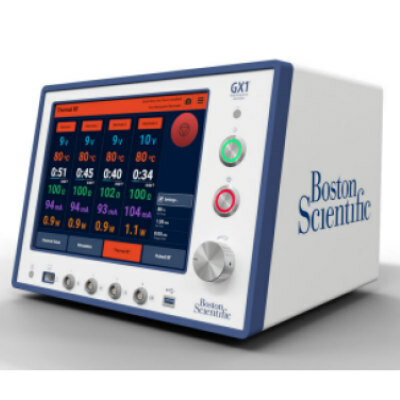
Radiofrequency Generator
GX1
Surgical Dressing
ALLEVYN Ag+ SURGICAL
Latest Health IT News
- AI-Native EHR Achieves EU Medical Device Certification
- EHR-Integrated Screening Workflow Detects Cognitive Impairment at Admission
- AI System Detects and Quantifies Chronic Subdural Hematoma
- Continuous Monitoring Platform Detects Infection Risk Across Care Transitions
- Automated System Classifies and Tracks Cardiogenic Shock Across Hospital Settings
- Voice-Driven AI System Enables Structured GI Procedure Documentation
- EMR-Based Tool Predicts Graft Failure After Kidney Transplant
Channels
Artificial Intelligence
view channel
AI Platform Supports Noninvasive Remote Hemodynamic Monitoring in Heart Failure
Heart failure remains a leading cause of hospitalization in adults over 65, affecting more than 6.7 million people in the U.S. Clinicians often lose visibility into hemodynamic deterioration once patients... Read more
AI Tool Predicts Unplanned Care and Symptom Burden in Cancer Survivors
Unplanned emergency visits and hospitalizations remain common in cancer survivorship, when routine clinical contact often tapers while new symptoms emerge. These events reflect unmet needs and disrupt... Read more

Critical Care
view channel
AI-Guided Mammogram Triage Speeds Same-Day Breast Cancer Workup
Abnormal findings on screening mammograms can leave women waiting weeks for answers, prolonging anxiety and delaying care. These delays can strain diagnostic services, particularly in safety-net hospitals,... Read more
Handheld ECG Algorithm Shows Promise for At-Home Heart Attack Risk Assessment
Chest pain remains one of the most common emergency presentations, yet determining which patients are experiencing a heart attack outside the hospital is challenging. Delays from symptom onset to hospital... Read more

Surgical Techniques
view channel
New CAR T-Cell Therapy Enables Transplants in Hard-to-Match Kidney Patients
Highly sensitized kidney transplant candidates have extremely high levels of anti-donor antibodies that block matching and prolong dialysis. These patients face long wait times and increased morbidity... Read more
CE-Marked Ultrasonic Shears Streamline Breast and Thyroid Surgery
Thyroid and breast surgeries are often performed in confined anatomical spaces near critical structures, making precise dissection and controlled thermal management essential. As the global disease burden... Read more

Patient Care
view channel
AI Avatar Doctor Improves Patient Understanding Before Radiotherapy
Radiation oncology consultations require patients to grasp complex concepts quickly, yet anxiety and information overload often undermine understanding and informed consent. Poor comprehension can also... Read more
Wearable Sleep Data Predict Adherence to Pulmonary Rehabilitation
Chronic obstructive pulmonary disease (COPD) is a long-term lung disorder that makes breathing difficult and often disturbs sleep, reducing energy for daily activities. Limited engagement in pulmonary... Read more

Health IT
view channel
AI-Native EHR Achieves EU Medical Device Certification
InterSystems (Boston, MA, USA) announced that its IntelliCare electronic health record (EHR) solutions have been certified as Class IIa medical devices under the European Union Medical Device Regulation... Read more
EHR-Integrated Screening Workflow Detects Cognitive Impairment at Admission
Cognitive impairment involves difficulties with thinking, learning, memory, and decision-making, and is more common in older adults. In U.S. hospitals, more than 40% of admitted older adults have dementia,... Read more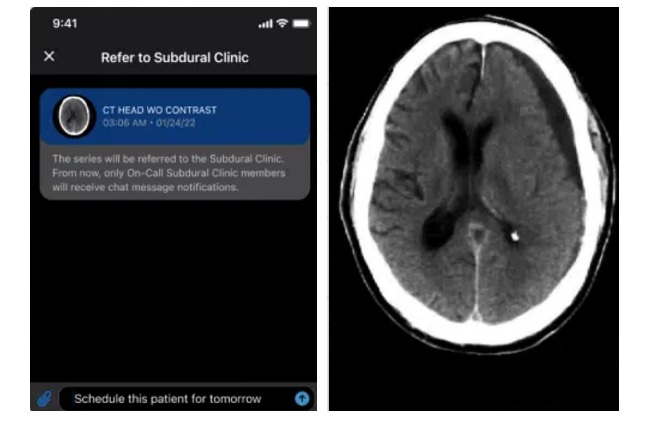

Point of Care
view channel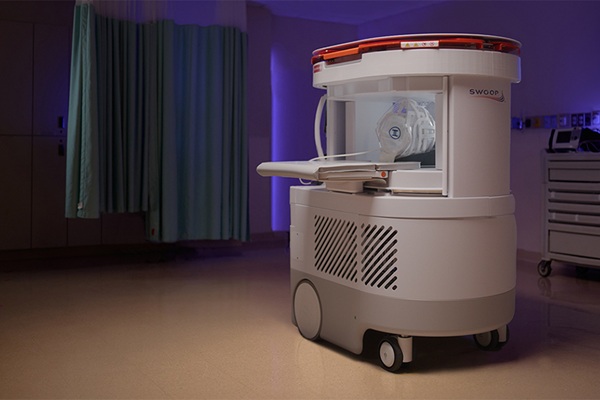
Portable MRI System Accelerates Emergency Brain Imaging and Triage
Emergency departments frequently face delays accessing conventional magnetic resonance imaging (MRI) for patients with suspected neurological emergencies. Such waits can slow triage, prolong boarding,... Read more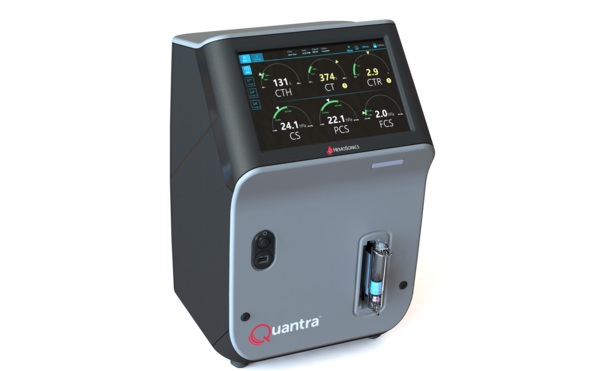
Point-of-Care Viscoelastic Testing System Supports Obstetric Bleeding Management
HemoSonics (Durham, NC, USA) announced on May 5, 2026 that the company's Quantra Hemostasis System for Obstetric Procedures won Silver in the 2026 Edison Awards in the Women’s Health and Reproductive Innovations... Read more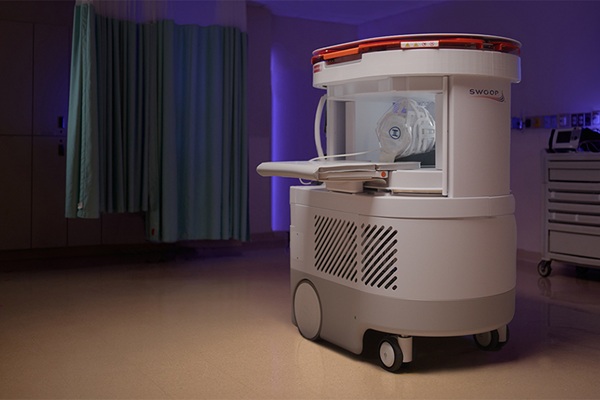

Business
view channel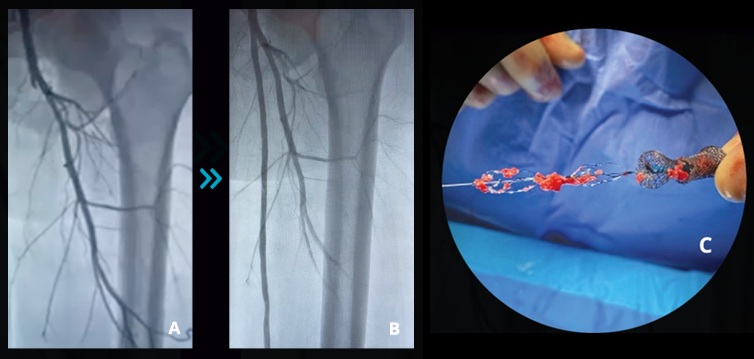
Endologix Adds FDA-Cleared Peripheral Thrombectomy System
Endologix (Santa Rosa, CA, USA) has acquired the Pounce Thrombectomy System from Surmodics, with the transaction closing on May 18, 2026. The FDA-cleared system is indicated for the non-surgical removal... Read more