Healthcare a Niche Market for Smartphones
|
By HospiMedica International staff writers Posted on 02 Sep 2010 |


|
Healthcare is a niche market with growth potential for Smartphones, according to healthcare market research publisher Kalorama Information (New York, NY, USA).
In 2009, PDAs and Smartphones combined were worth about US$2.6 billion for healthcare applications. The many factors that make healthcare ideal for Smartphone sales include high rates of physician and the many available applications.
Healthcare professionals have been key consumers of beeper and pager devices, and many portable patient record and reference book products were aimed at physicians. While healthcare is just a fraction of total Smartphone and PDA sales, about five percent of the total market, Kalorama predicts that healthcare is one of the growth areas; particularly for Smartphones, because of their ability to combine communication with alerts, references, and records.
One important application of Smartphones is in diagnostics. With just one hour's notice, a service called 3GDoctor (Lispole, Ireland) lets a patient consult with a doctor via a 3G videophone connection. "We have made the Smartphone into a medical diagnostic sensor that is smarter than the normal office visit, where you get poked and prodded and they still don't know what's wrong with you,” said David Doherty, head of business development at 3GDoctor. "Our belief is that every feature of a Smartphone is a potential medical sensor that your doctor can use for diagnosis. You can use the camera and microphone to describe your problem, the display can show images to test your vision, a touch screen can detect tremors in a finger.”
Several wireless companies have tailored their offerings to the needs of the healthcare industry and this is expected to continue. Two of these companies are Socket Mobile, Inc. (Newark, CA, USA), which released the SoMo 650Rx hospital-grade PDA featuring an antimicrobial material that provides improved protection against the spread of bacteria and microbes; and Motorola's (Schaumberg, IL, USA) MTC100 that offers features designed to enhance productivity and effectiveness--equipped with multi-mode wireless connectivity, secured wide-area data bearer, and wireless LAN connection.
"Healthcare is a mobile profession and lends itself to these devices,” according to Bruce Carlson, publisher of Kalorama Information. "They provide a wide range of conveniences and workflow efficiencies, which cannot be achieved with traditional notepads and pocket drug references.”
Related Links:
Kalorama Information
3GDoctor
Socket Mobile, Inc.
Motorola



In 2009, PDAs and Smartphones combined were worth about US$2.6 billion for healthcare applications. The many factors that make healthcare ideal for Smartphone sales include high rates of physician and the many available applications.
Healthcare professionals have been key consumers of beeper and pager devices, and many portable patient record and reference book products were aimed at physicians. While healthcare is just a fraction of total Smartphone and PDA sales, about five percent of the total market, Kalorama predicts that healthcare is one of the growth areas; particularly for Smartphones, because of their ability to combine communication with alerts, references, and records.
One important application of Smartphones is in diagnostics. With just one hour's notice, a service called 3GDoctor (Lispole, Ireland) lets a patient consult with a doctor via a 3G videophone connection. "We have made the Smartphone into a medical diagnostic sensor that is smarter than the normal office visit, where you get poked and prodded and they still don't know what's wrong with you,” said David Doherty, head of business development at 3GDoctor. "Our belief is that every feature of a Smartphone is a potential medical sensor that your doctor can use for diagnosis. You can use the camera and microphone to describe your problem, the display can show images to test your vision, a touch screen can detect tremors in a finger.”
Several wireless companies have tailored their offerings to the needs of the healthcare industry and this is expected to continue. Two of these companies are Socket Mobile, Inc. (Newark, CA, USA), which released the SoMo 650Rx hospital-grade PDA featuring an antimicrobial material that provides improved protection against the spread of bacteria and microbes; and Motorola's (Schaumberg, IL, USA) MTC100 that offers features designed to enhance productivity and effectiveness--equipped with multi-mode wireless connectivity, secured wide-area data bearer, and wireless LAN connection.
"Healthcare is a mobile profession and lends itself to these devices,” according to Bruce Carlson, publisher of Kalorama Information. "They provide a wide range of conveniences and workflow efficiencies, which cannot be achieved with traditional notepads and pocket drug references.”
Related Links:
Kalorama Information
3GDoctor
Socket Mobile, Inc.
Motorola

Gold Member
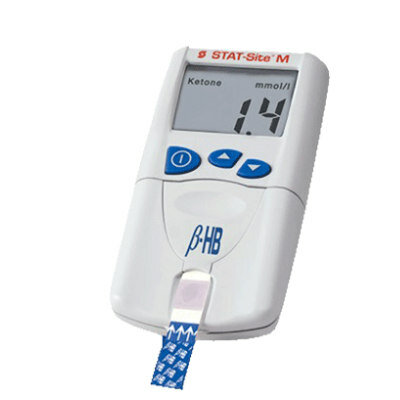
Handheld Blood Glucose Analyzer
STAT-Site
Gold Member
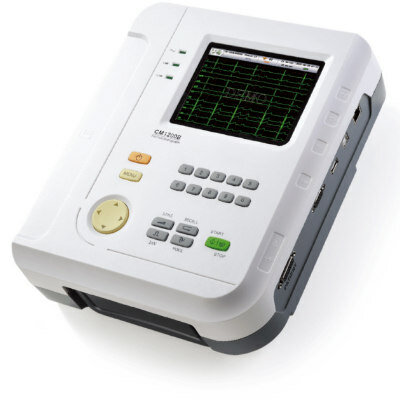
12-Channel ECG
CM1200B
Tourniquet System
heidi– mein Tourniquet
Pediatric Mask
Respire SOFT
Latest Business News
- Endologix Adds FDA-Cleared Peripheral Thrombectomy System
- Artivion Adds FDA-Approved NEXUS System to Aortic Arch Portfolio
- Olympus Partnership Aims to Expand Access to Robot-Assisted Endoscopic Therapy
- Johnson & Johnson Launches AI-Driven Cardiac Mapping System
- Proximie Advances AI-Driven Intelligent Operating Rooms with NVIDIA Collaboration
- GE HealthCare, DeepHealth Expand AI Breast Imaging Collaboration
- Sinocare Presents AI-Driven Integrated Digital Health Solutions at CMEF
- GE HealthCare and Medtronic Expand Alliance with Intraoperative Imaging Integration
- New Partnership Advances Physical AI into Perioperative Workflows
- External Liver Assist System Receives FDA RMAT Designation
- New Partnership Expands Access to Predictive Tool for Patient Monitoring
- GE HealthCare Leads Major European Initiative to Advance Cardio-Oncology Care
- Medtronic and GE HealthCare Broaden Alliance Across Monitoring and Care Solutions
- Quantum Surgical Acquires NeuWave from Johnson & Johnson
- Medtronic to Acquire Coronary Artery Medtech Company CathWorks
- Medtronic and Mindray Expand Strategic Partnership to Ambulatory Surgery Centers in the U.S.
Channels
Artificial Intelligence
view channel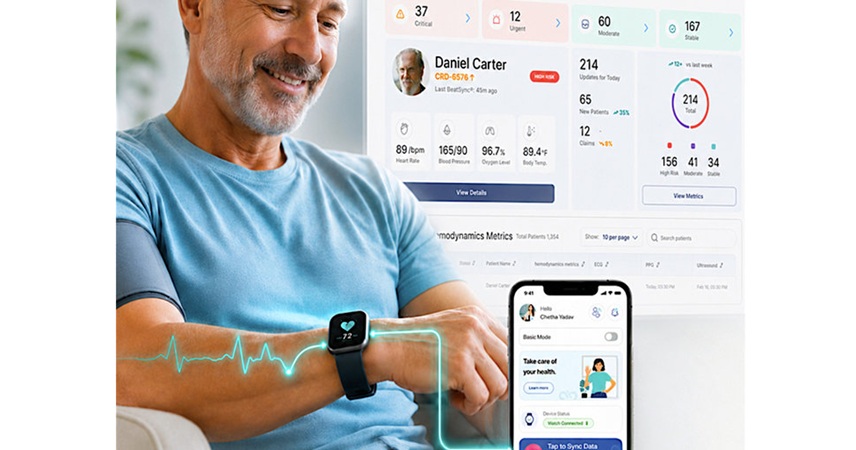
AI Platform Supports Noninvasive Remote Hemodynamic Monitoring in Heart Failure
Heart failure remains a leading cause of hospitalization in adults over 65, affecting more than 6.7 million people in the U.S. Clinicians often lose visibility into hemodynamic deterioration once patients... Read more
AI Tool Predicts Unplanned Care and Symptom Burden in Cancer Survivors
Unplanned emergency visits and hospitalizations remain common in cancer survivorship, when routine clinical contact often tapers while new symptoms emerge. These events reflect unmet needs and disrupt... Read more
Critical Care
view channel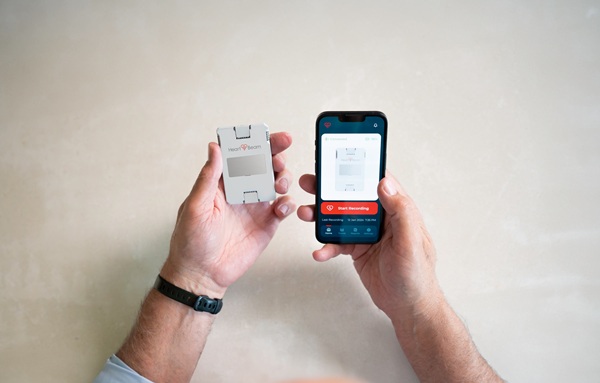
Handheld ECG Algorithm Shows Promise for At-Home Heart Attack Risk Assessment
Chest pain remains one of the most common emergency presentations, yet determining which patients are experiencing a heart attack outside the hospital is challenging. Delays from symptom onset to hospital... Read more
Smartphone Heart Rhythm App Reduces Unnecessary Cardioversion Procedures
Atrial fibrillation, an irregular and often rapid heart rhythm, is the most common arrhythmia in adults. Elective electrical cardioversion is frequently canceled on the day of treatment when patients revert... Read more
Surgical Techniques
view channel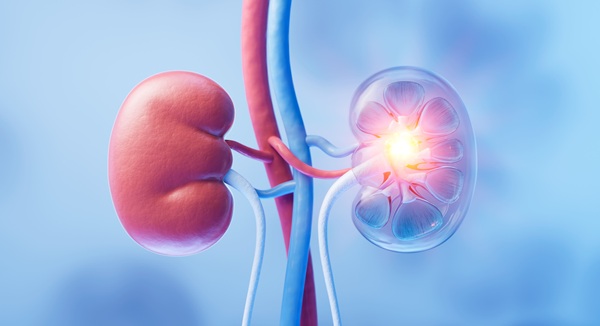
New CAR T-Cell Therapy Enables Transplants in Hard-to-Match Kidney Patients
Highly sensitized kidney transplant candidates have extremely high levels of anti-donor antibodies that block matching and prolong dialysis. These patients face long wait times and increased morbidity... Read more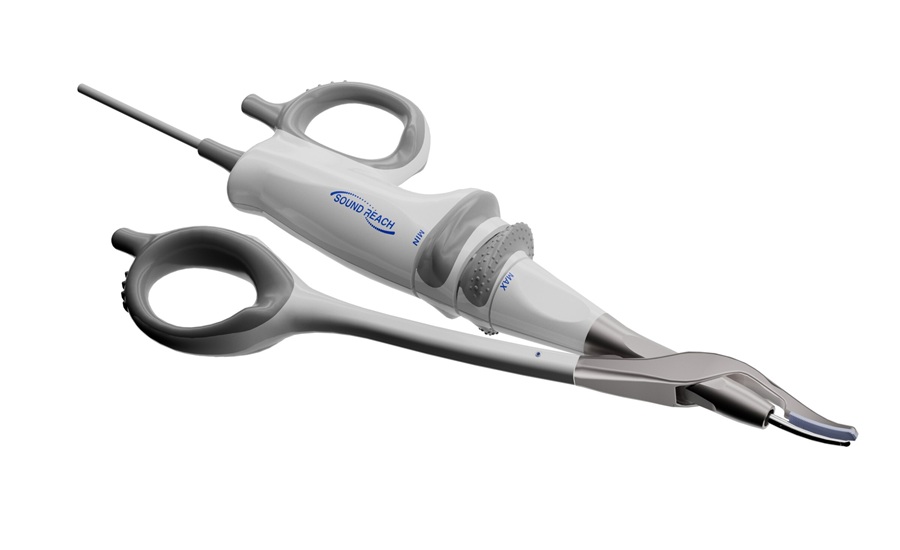
CE-Marked Ultrasonic Shears Streamline Breast and Thyroid Surgery
Thyroid and breast surgeries are often performed in confined anatomical spaces near critical structures, making precise dissection and controlled thermal management essential. As the global disease burden... Read more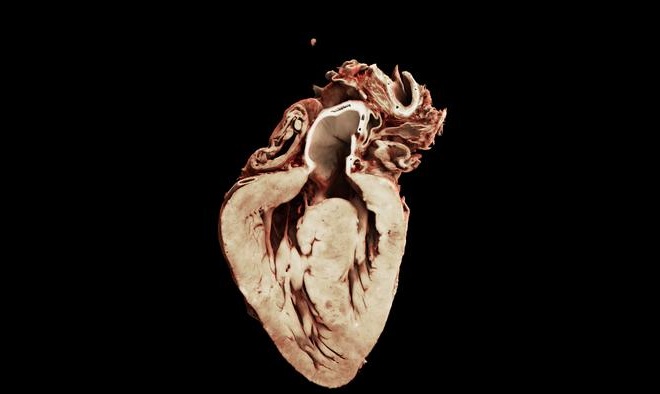

Patient Care
view channel
AI Avatar Doctor Improves Patient Understanding Before Radiotherapy
Radiation oncology consultations require patients to grasp complex concepts quickly, yet anxiety and information overload often undermine understanding and informed consent. Poor comprehension can also... Read more
Wearable Sleep Data Predict Adherence to Pulmonary Rehabilitation
Chronic obstructive pulmonary disease (COPD) is a long-term lung disorder that makes breathing difficult and often disturbs sleep, reducing energy for daily activities. Limited engagement in pulmonary... Read more

Health IT
view channel
AI-Native EHR Achieves EU Medical Device Certification
InterSystems (Boston, MA, USA) announced that its IntelliCare electronic health record (EHR) solutions have been certified as Class IIa medical devices under the European Union Medical Device Regulation... Read more
EHR-Integrated Screening Workflow Detects Cognitive Impairment at Admission
Cognitive impairment involves difficulties with thinking, learning, memory, and decision-making, and is more common in older adults. In U.S. hospitals, more than 40% of admitted older adults have dementia,... Read more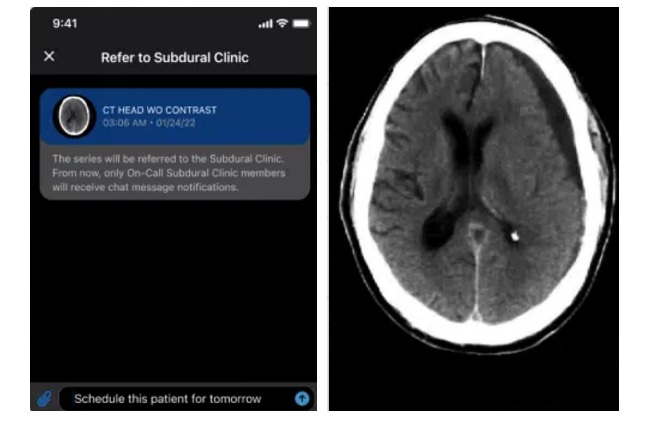
Point of Care
view channel
Portable MRI System Accelerates Emergency Brain Imaging and Triage
Emergency departments frequently face delays accessing conventional magnetic resonance imaging (MRI) for patients with suspected neurological emergencies. Such waits can slow triage, prolong boarding,... Read more