Nurses Favor the Personal Touch in Telemedicine
|
By HospiMedica International staff writers Posted on 24 Jan 2012 |


|
A new study reports that intensive care unit (ICU) nurses feel that personally knowing the physician providing overnight telemedicine coverage is important.
Researchers at the University of Pennsylvania (Philadelphia, USA) surveyed a total of 179 nurses in three ICUs at two university-affiliated academic hospitals to determine critical care nurses’ attitudes toward and perceptions about the use of telemedicine in critical care. In all, of the 93 respondents (52% response rate), 72 worked at least one night shift and therefore had experience with the telemedicine unit, with 31% reported being called by the unit three or more times in the preceding 6 months. Of these, 44% reported regularly incorporating interventions suggested by the telemedicine staff.
The results showed that a majority (72%) thought that telemedicine increases patients’ survival, but fewer thought that telemedicine prevents medical errors (47%) or improves the satisfaction of patients’ families (42%). While practicing bedside nurses with experience in telemedicine generally supported its use, some respondents thought that telemedicine interrupted workflow (9%), was intrusive (11%), or resulted in a feeling of being spied upon (13%). Most nurses thought that personally knowing the telemedicine physician was important (79%), and nurses were more likely to contact the telemedicine unit if they knew the physician on call (61%). The study was published in the January 2012 issue of the American Journal of Critical Care.
“Technology is playing an increasingly important role in health care delivery, and ICU telemedicine most likely will expand in the future,” concluded lead author Margaret Mullen-Fortino, RN, MSN, and colleagues. “Clinicians, hospital administrators, and policymakers can use our results to help design optimal ICU telemedicine programs, evaluate new programs as programs are introduced, and anticipate barriers to the adoption of ICU telemedicine as new programs are introduced.”
Related Links:
University of Pennsylvania




Researchers at the University of Pennsylvania (Philadelphia, USA) surveyed a total of 179 nurses in three ICUs at two university-affiliated academic hospitals to determine critical care nurses’ attitudes toward and perceptions about the use of telemedicine in critical care. In all, of the 93 respondents (52% response rate), 72 worked at least one night shift and therefore had experience with the telemedicine unit, with 31% reported being called by the unit three or more times in the preceding 6 months. Of these, 44% reported regularly incorporating interventions suggested by the telemedicine staff.
The results showed that a majority (72%) thought that telemedicine increases patients’ survival, but fewer thought that telemedicine prevents medical errors (47%) or improves the satisfaction of patients’ families (42%). While practicing bedside nurses with experience in telemedicine generally supported its use, some respondents thought that telemedicine interrupted workflow (9%), was intrusive (11%), or resulted in a feeling of being spied upon (13%). Most nurses thought that personally knowing the telemedicine physician was important (79%), and nurses were more likely to contact the telemedicine unit if they knew the physician on call (61%). The study was published in the January 2012 issue of the American Journal of Critical Care.
“Technology is playing an increasingly important role in health care delivery, and ICU telemedicine most likely will expand in the future,” concluded lead author Margaret Mullen-Fortino, RN, MSN, and colleagues. “Clinicians, hospital administrators, and policymakers can use our results to help design optimal ICU telemedicine programs, evaluate new programs as programs are introduced, and anticipate barriers to the adoption of ICU telemedicine as new programs are introduced.”
Related Links:
University of Pennsylvania

Gold Member
Handheld Blood Glucose Analyzer
STAT-Site
Gold Member
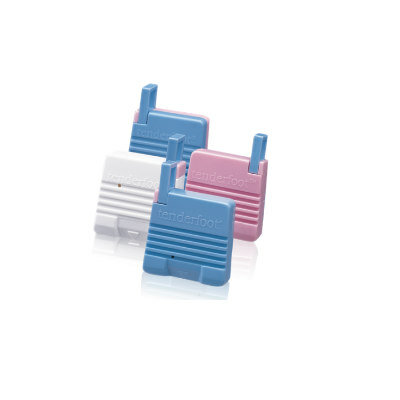
Neonatal Heel Incision Device
Tenderfoot
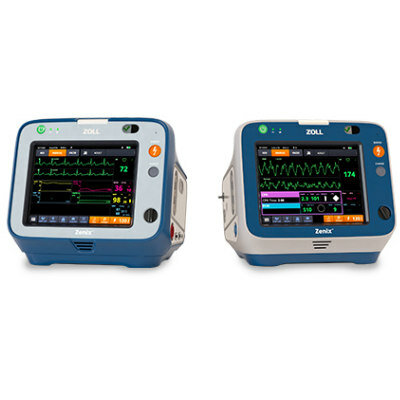
Monitor/Defibrillator
Zenix
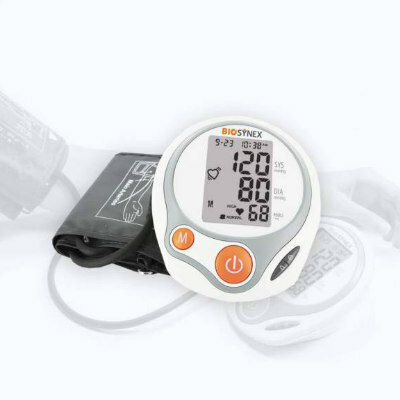
Blood Pressure Monitor
Cuff Blood Pressure Monitor
Latest Health IT News
- AI-Native EHR Achieves EU Medical Device Certification
- EHR-Integrated Screening Workflow Detects Cognitive Impairment at Admission
- AI System Detects and Quantifies Chronic Subdural Hematoma
- Continuous Monitoring Platform Detects Infection Risk Across Care Transitions
- Automated System Classifies and Tracks Cardiogenic Shock Across Hospital Settings
- Voice-Driven AI System Enables Structured GI Procedure Documentation
- EMR-Based Tool Predicts Graft Failure After Kidney Transplant
Channels
Artificial Intelligence
view channel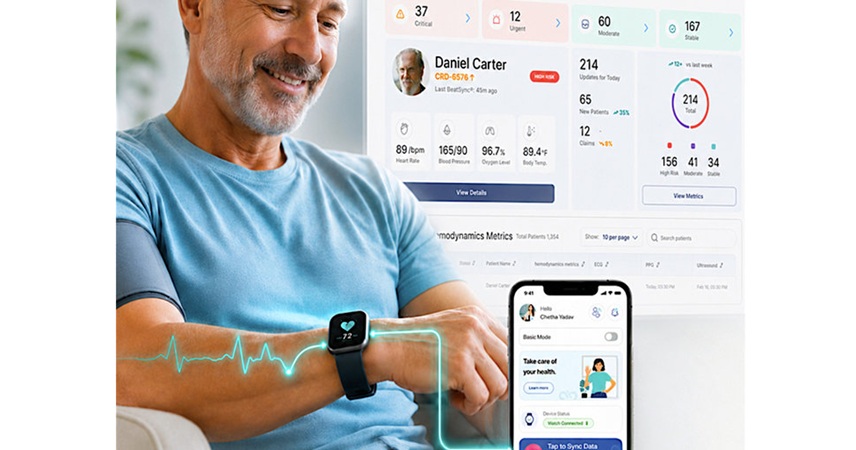
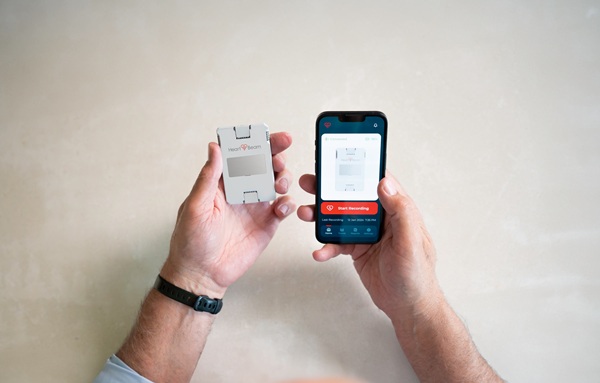
AI Platform Supports Noninvasive Remote Hemodynamic Monitoring in Heart Failure
Heart failure remains a leading cause of hospitalization in adults over 65, affecting more than 6.7 million people in the U.S. Clinicians often lose visibility into hemodynamic deterioration once patients... Read more
AI Tool Predicts Unplanned Care and Symptom Burden in Cancer Survivors
Unplanned emergency visits and hospitalizations remain common in cancer survivorship, when routine clinical contact often tapers while new symptoms emerge. These events reflect unmet needs and disrupt... Read more

Critical Care
view channel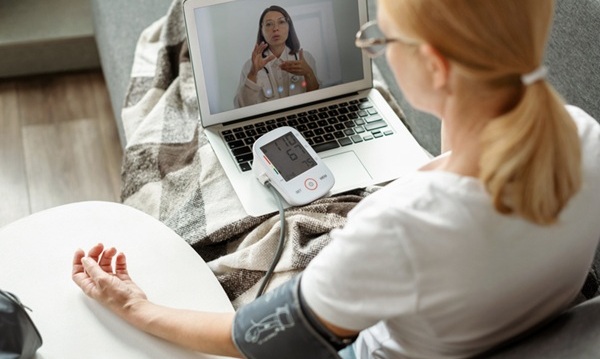
Home Blood Pressure Telemonitoring Linked to Fewer Cardiovascular Events
Hypertension is a leading cause of myocardial infarction and stroke, yet it often progresses without symptoms. Uncontrolled blood pressure contributes to avoidable hospitalizations, deaths, and health system burden.... Read more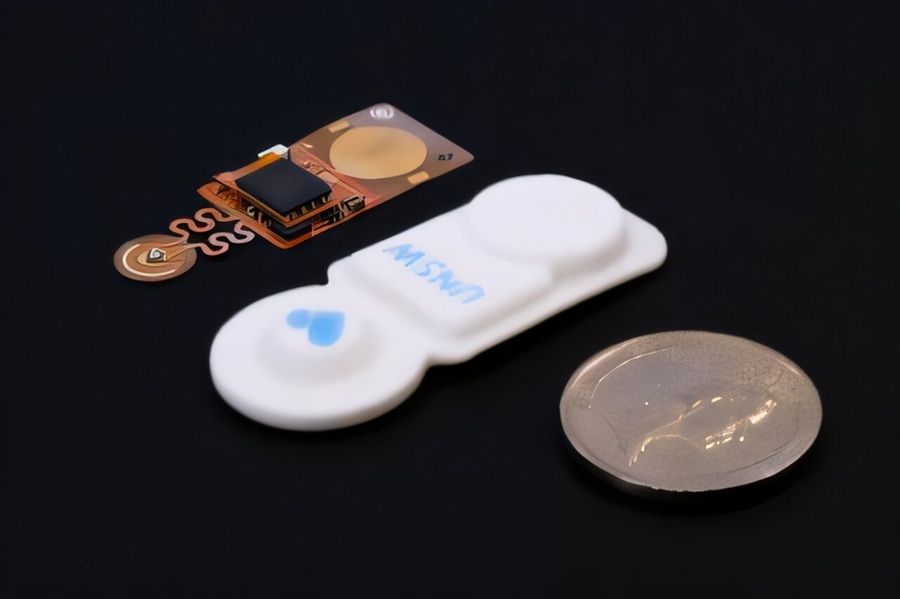
Tiny Wearable Patch Tracks Heart and Respiratory Changes at Home
Auscultation and cardiorespiratory monitoring are typically limited to brief, clinic-based assessments. These intermittent checks can miss evolving abnormalities and place added burden on patients who... Read more
Surgical Techniques
view channel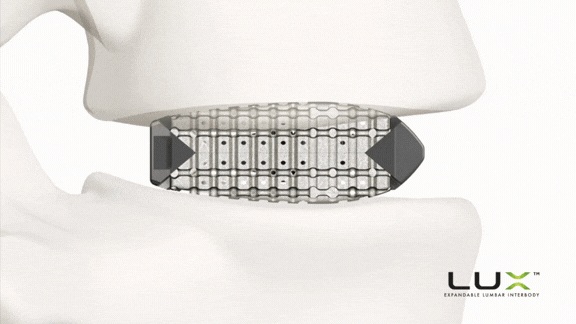
Expandable Lumbar Fusion System Gains FDA 510(k) Clearance
Xenix Medical (Orlando, FL, USA) has received U.S. Food and Drug Administration 510(k) clearance and initiated full commercial launch of the Lux Expandable Lumbar Interbody Fusion System.... Read more
New CAR T-Cell Therapy Enables Transplants in Hard-to-Match Kidney Patients
Highly sensitized kidney transplant candidates have extremely high levels of anti-donor antibodies that block matching and prolong dialysis. These patients face long wait times and increased morbidity... Read more

Patient Care
view channel
AI Avatar Doctor Improves Patient Understanding Before Radiotherapy
Radiation oncology consultations require patients to grasp complex concepts quickly, yet anxiety and information overload often undermine understanding and informed consent. Poor comprehension can also... Read more
Wearable Sleep Data Predict Adherence to Pulmonary Rehabilitation
Chronic obstructive pulmonary disease (COPD) is a long-term lung disorder that makes breathing difficult and often disturbs sleep, reducing energy for daily activities. Limited engagement in pulmonary... Read more

Point of Care
view channel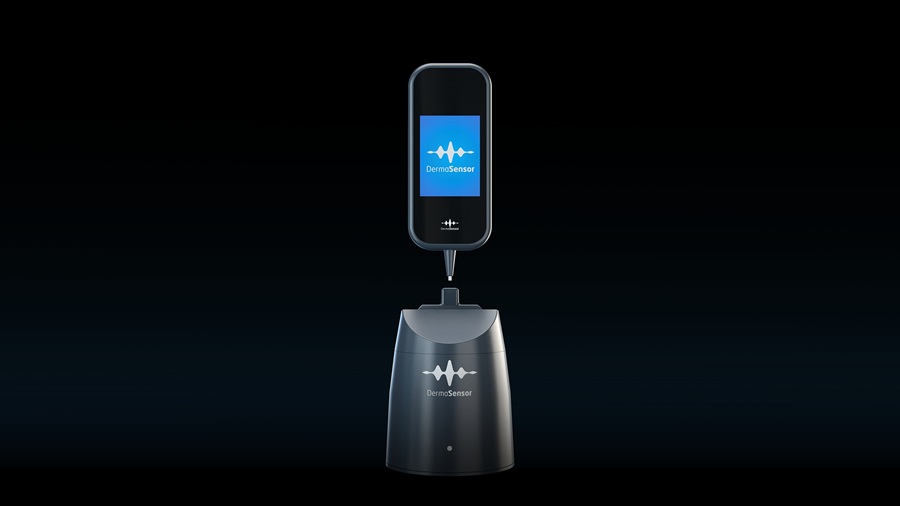
Handheld AI Device for Point-of-Care Skin Lesion Assessment Receives CE Mark
DermaSensor (Miami, FL, USA) has received a Class IIb CE Mark for its handheld DermaSensor device, marking the start of the company’s global expansion strategy. The certification demonstrates conformity... Read more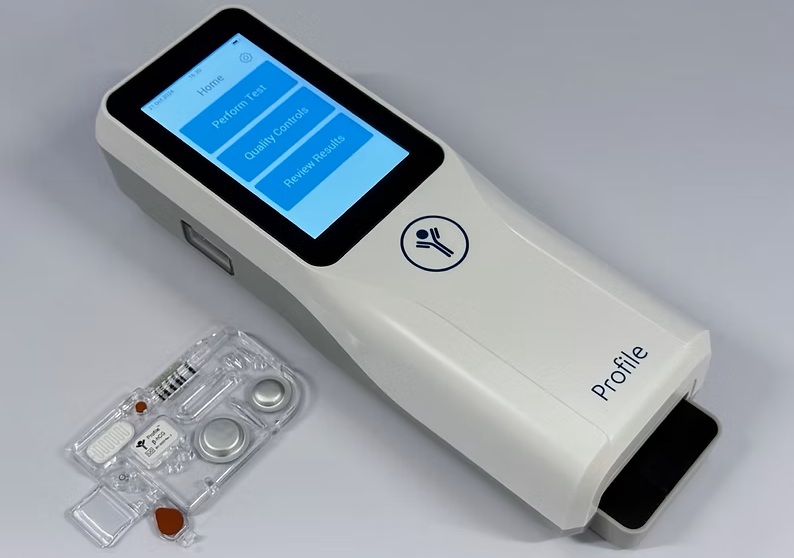
Portable Immunoassay System Advances Toward Point-of-Care Biomarker Testing
Proxim Diagnostics Corp. (Santa Clara, CA, USA) has announced that its Profile System, a handheld point-of-care immunoassay platform, has completed development. The milestone includes completion... Read more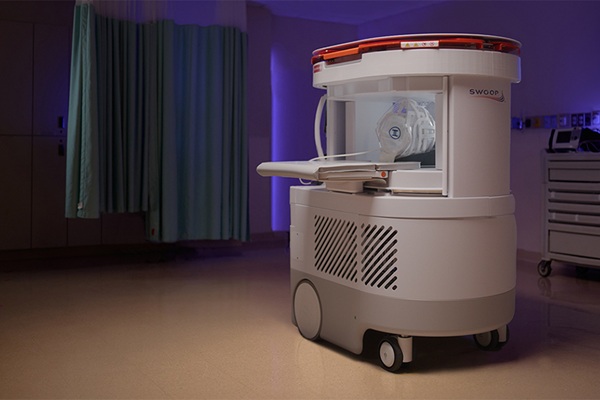
Portable MRI System Accelerates Emergency Brain Imaging and Triage
Emergency departments frequently face delays accessing conventional magnetic resonance imaging (MRI) for patients with suspected neurological emergencies. Such waits can slow triage, prolong boarding,... Read more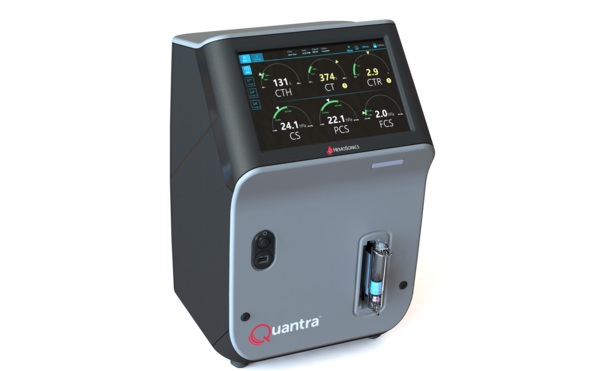
Point-of-Care Viscoelastic Testing System Supports Obstetric Bleeding Management
HemoSonics (Durham, NC, USA) announced on May 5, 2026 that the company's Quantra Hemostasis System for Obstetric Procedures won Silver in the 2026 Edison Awards in the Women’s Health and Reproductive Innovations... Read moreBusiness
view channel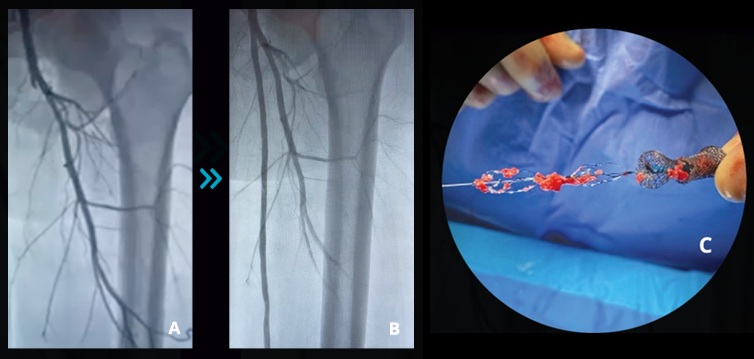
Endologix Adds FDA-Cleared Peripheral Thrombectomy System
Endologix (Santa Rosa, CA, USA) has acquired the Pounce Thrombectomy System from Surmodics, with the transaction closing on May 18, 2026. The FDA-cleared system is indicated for the non-surgical removal... Read more