






MEDICA and COMPAMED 2016 Boost Medical Technology Industry
|
By HospiMedica International staff writers Posted on 22 Nov 2016 |


|
MEDICA 2016, the world’s largest medical trade fair, and COMPAMED 2016, the leading international supplier trade fair, held in Düsseldorf, Germany on November 14 - 17, 2016, provided a boost to the international medical technology industry. More than 5,000 exhibitors (the largest participation ever) presented the latest technologies at MEDICA 2016, which was attended by 127,800 specialists from across health sectors. 413 exhibitors from the US participated in MEDICA 2016, with 187 companies presenting their technologies at the two US Pavilions, organized by Messe Düsseldorf North America (Chicago, IL, USA).
Joachim Schäfer, Managing Director of Messe Düsseldorf, stated, “MEDICA, as a place for global business and creating contacts in all important markets, is simply an event not to be missed. Our specialist visitors came from 135 different countries, with Asian emerging countries particularly well represented. Around 60% were international visitors, which is a new high.”
At COMPAMED 2016, 774 exhibitors from 37 countries presented their product innovations and trends to 19,000 visitors. A total of 82 US companies participated in COMPAMED 2016 and 18 exhibitors presented their products at the US Pavilion organized by Messe Düsseldorf North America.
At MEDICA 2016, digitization of the healthcare industry was a major topic, with the forums at the event offering a wide range of solutions for digitization. At the MEDICA HEALTH IT FORUM, some of the topics discussed included the successful implementation of medical apps and concrete examples of digital healthcare aids recommended by experts. The MEDICA CONNECTED HEALTHCARE FORUM focused on current developments and new products in the area of wearables for medical use.
Another major topic at MEDICA 2016 was the changed business relationship between providers and clients. Pure product orientation is no longer suitable – instead, medical technology manufacturers are entering into cooperative partnerships with hospitals and medical facilities that are designed for the long-term and comprehensive process optimization. “Now more than ever, medical technology companies are focusing on top decision makers on the demand side, particularly those from hospital management and purchasing bodies. MEDICA fully lives up to this trend. Over 80% of our trade visitors have significant decision making authority,” said Joachim Schäfer.
Related Links:
Messe Düsseldorf North America




Joachim Schäfer, Managing Director of Messe Düsseldorf, stated, “MEDICA, as a place for global business and creating contacts in all important markets, is simply an event not to be missed. Our specialist visitors came from 135 different countries, with Asian emerging countries particularly well represented. Around 60% were international visitors, which is a new high.”
At COMPAMED 2016, 774 exhibitors from 37 countries presented their product innovations and trends to 19,000 visitors. A total of 82 US companies participated in COMPAMED 2016 and 18 exhibitors presented their products at the US Pavilion organized by Messe Düsseldorf North America.
At MEDICA 2016, digitization of the healthcare industry was a major topic, with the forums at the event offering a wide range of solutions for digitization. At the MEDICA HEALTH IT FORUM, some of the topics discussed included the successful implementation of medical apps and concrete examples of digital healthcare aids recommended by experts. The MEDICA CONNECTED HEALTHCARE FORUM focused on current developments and new products in the area of wearables for medical use.
Another major topic at MEDICA 2016 was the changed business relationship between providers and clients. Pure product orientation is no longer suitable – instead, medical technology manufacturers are entering into cooperative partnerships with hospitals and medical facilities that are designed for the long-term and comprehensive process optimization. “Now more than ever, medical technology companies are focusing on top decision makers on the demand side, particularly those from hospital management and purchasing bodies. MEDICA fully lives up to this trend. Over 80% of our trade visitors have significant decision making authority,” said Joachim Schäfer.
Related Links:
Messe Düsseldorf North America

Gold Member
12-Channel ECG
CM1200B
New
Vessel Sealing Instrument
ERGOseal
New
Patient Monitoring System
AlarmSense
Latest Medica 2016 News
- ZOLL Showcased Expanded Portfolio of Technologies at MEDICA 2016
- Next-Generation ECG Device Debuts in Germany
- NDS Launches 4K UHD Display at MEDICA 2016
- Innovative Hospital Bed Launched at Industry Trade Fair
- UK Innovation Showcased at Global Medical Trade Show
- Specialist Single-Use Suction Devices Presented at Medical Trade Show
- International Health Industry Converge in Düsseldorf
Channels
Artificial Intelligence
view channel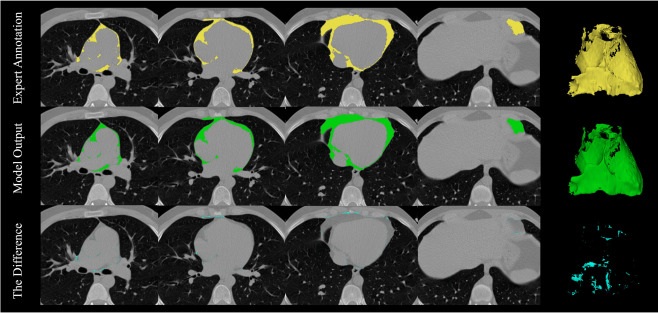
AI Analysis of Pericardial Fat Refines Long-Term Heart Disease Risk
Accurately identifying long-term cardiovascular disease risk in asymptomatic adults remains challenging for clinicians. Missed or underestimated risk delays preventive therapy and increases the chance... Read more
Machine Learning Approach Enhances Liver Cancer Risk Stratification
Hepatocellular carcinoma, the most common form of primary liver cancer, is often detected late despite targeted surveillance programs. Current screening guidelines emphasize patients with known cirrhosis,... Read more

Critical Care
view channel
Eye Imaging AI Identifies Elevated Cardiovascular Risk
Many adults at risk for atherosclerotic cardiovascular disease are not identified until they undergo formal primary care assessment. Delayed risk recognition can postpone initiation of statins and lifestyle... Read more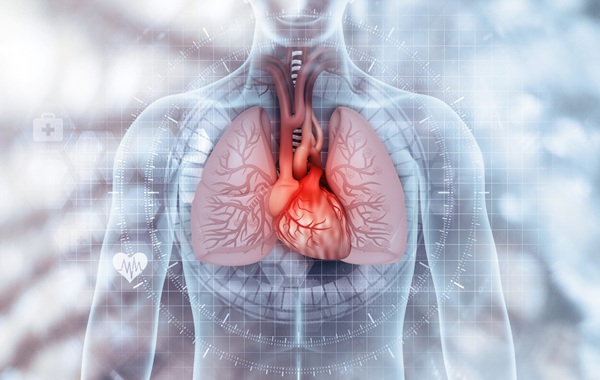
Noninvasive Monitoring Device Enables Earlier Intervention in Heart Failure
Hospitalizations for heart failure with preserved ejection fraction (HFpEF) remain common because lung congestion often worsens before symptoms prompt treatment changes. Missed early decompensation... Read more

Surgical Techniques
view channel
Fiber-Form Bone Graft Expands Intraoperative Options for Spinal Fusion
Spinal and orthopedic fusion procedures often require bone graft materials that handle predictably and support bone formation. Surgeons face added complexity in difficult anatomy and challenging fusion environments.... Read more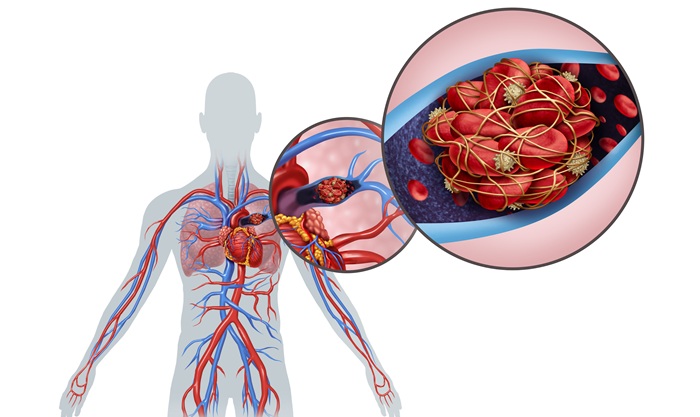
Ultrasound‑Aided Catheter Treatment Cuts Early Collapse in Pulmonary Embolism
Acute pulmonary embolism can cause rapid hemodynamic deterioration and early death in hospitalized and emergency patients. Systemic thrombolysis can dissolve clots but is limited by a high risk of major... Read more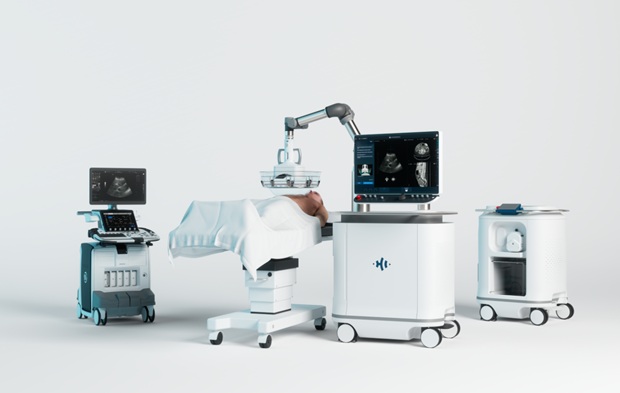

Patient Care
view channel
Wearable Sleep Data Predict Adherence to Pulmonary Rehabilitation
Chronic obstructive pulmonary disease (COPD) is a long-term lung disorder that makes breathing difficult and often disturbs sleep, reducing energy for daily activities. Limited engagement in pulmonary... Read more
Revolutionary Automatic IV-Line Flushing Device to Enhance Infusion Care
More than 80% of in-hospital patients receive intravenous (IV) therapy. Every dose of IV medicine delivered in a small volume (<250 mL) infusion bag should be followed by subsequent flushing to ensure... Read more

Health IT
view channel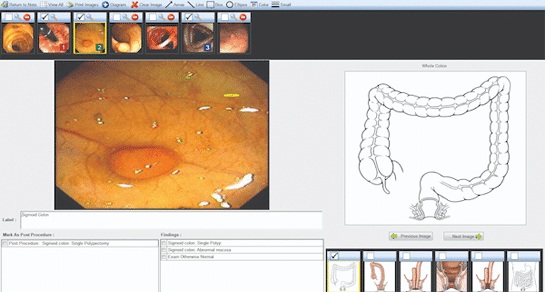
Voice-Driven AI System Enables Structured GI Procedure Documentation
Documentation during gastrointestinal (GI) procedures often competes with real-time clinical decision-making and imposes a significant cognitive burden on physicians. Manual data entry and post-procedure... Read more
EMR-Based Tool Predicts Graft Failure After Kidney Transplant
Kidney transplantation offers patients with end-stage kidney disease longer survival and better quality of life than dialysis, yet graft failure remains a major challenge. Although a successful transplant... Read more
Printable Molecule-Selective Nanoparticles Enable Mass Production of Wearable Biosensors
The future of medicine is likely to focus on the personalization of healthcare—understanding exactly what an individual requires and delivering the appropriate combination of nutrients, metabolites, and... Read more

Business
view channel
GE HealthCare Leads Major European Initiative to Advance Cardio-Oncology Care
Cardiovascular complications are increasingly recognized among people undergoing or recovering from cancer treatment, driven by pre‑existing disease and the cardiotoxic effects of chemotherapy, radiotherapy,... Read more

