






Siemens Healthineers Showcases Products and Solutions `Shaping the Future of Healthcare`
|
By HospiMedica International staff writers Posted on 28 Jan 2020 |


|
Illustration
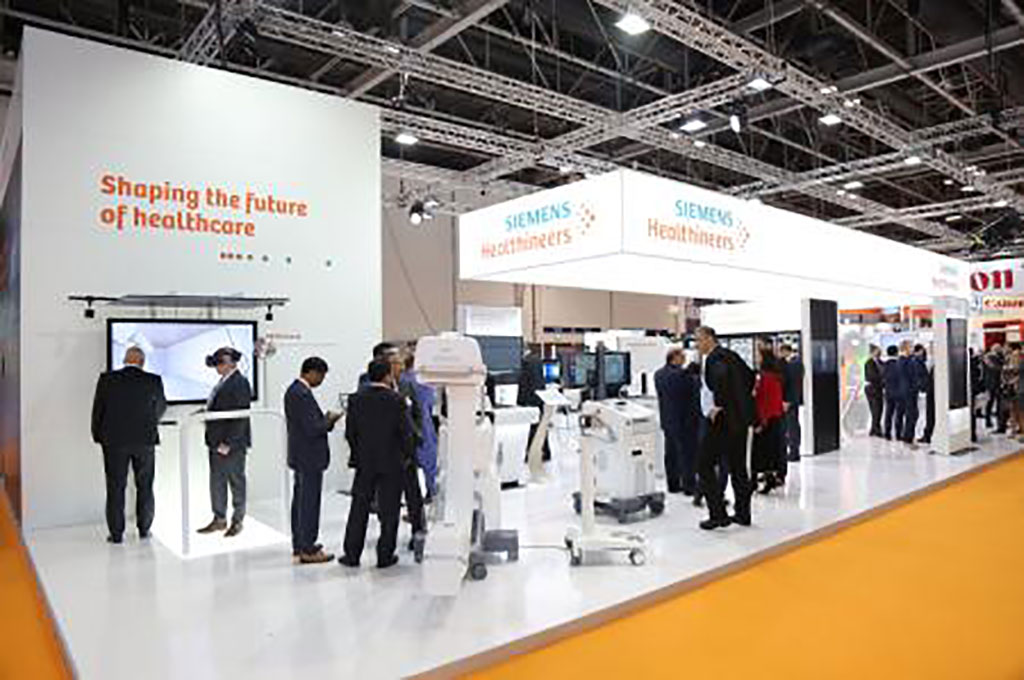
Siemens Healthineers (Erlangen, Germany) showcased its products and solutions according to the motto “Shaping the Future of Healthcare” at this year’s Arab Health (January 27 – 30, 2020) in Dubai, UAE, focusing on digital transformation of imaging and laboratory testing while improving patient experience. The company’s products and solutions included CT scanners with intelligent user guidance, AI-based software assistants for MRI and a lab system that revolutionizes workflows.
For the first time at Arab Health, Siemens Healthineers showcased its single-source CT scanner Somatom X.cite – the first CT scanner with the new intelligent user guidance system myExam Companion, which automatically adapts scanner protocols in line with patient data and guides users of all levels of experience through more sophisticated exams and helps them achieve consistent diagnostic results. myExam Companion makes use of available patient data, such as sex, height, and age, and combines these with additional patient-specific information gathered by asking the user specific questions, for example about the presence of metal implants or the ability of patients to hold their breath. The scanner then optimizes the scan parameters accordingly to ensure the best possible result. In combination, these innovations help structure workflows more efficiently and achieve extremely high-quality results even in difficult diagnostic situations. Featuring an 82 cm gantry, Somatom X.cite can offer unprecedented image quality in the single-source segment, in addition to maximum patient comfort.
Siemens Healthineers also showcased two brand-new software assistants based on artificial intelligence that is designed to free radiologists from the burden of time-consuming routine tasks and improve quality of care during magnetic resonance imaging examinations of the brain and prostate. Its AI-Rad Companion Prostate MR for Biopsy Support automatically segments the outer contour of the prostate on MRI images and enables radiologists to mark lesions, making it easier for their colleagues in Urology to perform targeted prostate biopsies. The time needed for this routine activity can be cut down to just a few seconds. The AI-Rad Companion Brain MR for Morphometry Analysis automatically segments the brain in MRI images, measures brain volume – e.g. in cases of suspected dementia – and provides result tables on volumetric changes in brain areas, used by neurologists for diagnosis and treatment. Both new applications can be used on MRI scanners from different manufacturers and are available on teamplay, the cloud-based healthcare platform from Siemens Healthineers.
At Arab Health 2020, Siemens Healthineers showcased its ultrasound system Acuson Redwood which features advanced applications to enable precise lesion detection and characterization. AI-powered tools facilitate the examination and increase efficiency for smart workflows. The system offers shared services cardiology features which can be used by different hospital departments. For the first time at Arab Health, Siemens Healthineers presented Artis icono, its latest family of high-precision angiography systems. Artis icono permits a wide range of minimally invasive procedures to be performed in a single interventional suite. The Artis icono biplane system is engineered for optimal utilization in neuroradiology and abdominal imaging, while the Artis icono floor is a floor-mounted, single-plane system for vascular, interventional cardiology, surgical, and oncology procedures. Both systems in the Artis icono family expand the reach of precision medicine. At its core, the Artis icono platform delivers the new Optiq image chain, which fundamentally redesigns image processing for 2D imaging. Optiq increases image quality across a wide range of C-arm angles and patient weights, regulating acquisition parameters to automatically achieve constant image quality at lowest possible patient radiation dose.
Siemens Healthineers also showcased its lab system Atellica Solution that can be used by laboratories to simplify test workflows and expand their capacities for testing patient samples with its modular design. The Atellica Solution uses patented, bidirectional magnetic transport technology to transport samples to make patient results available faster. In combination with a revolutionary sample management technology providing independent control of each individual sample, emergency samples can also be prioritized with far less user input.
“The whole healthcare industry and provider landscape is going through a transformation that’s being driven by digitalization and data-based clinical decision making: While the number of connected devices is growing exponentially, only a fraction of the acquired data is structured and qualified for further use and analysis. Therein lies a tremendous opportunity to tap into this unused data pool and create new insights and value,” said Bernd Ohnesorge, President Europe, Middle East and Africa at Siemens Healthineers. “Our digital fingerprint and AI portfolio brings us together with our customers in a great position to benefit from these long-term trends to enhance the entire healthcare landscape and to provide benefit to the patient. With a portfolio of more than 45 AI-driven offerings powering our leading imaging, image-guided therapy and in-vitro diagnostics technologies combined with our long-standing presence in the Near and Middle East and in Africa, Siemens Healthineers is in an excellent position to become the trusted digitalization partner for the entire region.”
Related Links:
Siemens Healthineers




For the first time at Arab Health, Siemens Healthineers showcased its single-source CT scanner Somatom X.cite – the first CT scanner with the new intelligent user guidance system myExam Companion, which automatically adapts scanner protocols in line with patient data and guides users of all levels of experience through more sophisticated exams and helps them achieve consistent diagnostic results. myExam Companion makes use of available patient data, such as sex, height, and age, and combines these with additional patient-specific information gathered by asking the user specific questions, for example about the presence of metal implants or the ability of patients to hold their breath. The scanner then optimizes the scan parameters accordingly to ensure the best possible result. In combination, these innovations help structure workflows more efficiently and achieve extremely high-quality results even in difficult diagnostic situations. Featuring an 82 cm gantry, Somatom X.cite can offer unprecedented image quality in the single-source segment, in addition to maximum patient comfort.
Siemens Healthineers also showcased two brand-new software assistants based on artificial intelligence that is designed to free radiologists from the burden of time-consuming routine tasks and improve quality of care during magnetic resonance imaging examinations of the brain and prostate. Its AI-Rad Companion Prostate MR for Biopsy Support automatically segments the outer contour of the prostate on MRI images and enables radiologists to mark lesions, making it easier for their colleagues in Urology to perform targeted prostate biopsies. The time needed for this routine activity can be cut down to just a few seconds. The AI-Rad Companion Brain MR for Morphometry Analysis automatically segments the brain in MRI images, measures brain volume – e.g. in cases of suspected dementia – and provides result tables on volumetric changes in brain areas, used by neurologists for diagnosis and treatment. Both new applications can be used on MRI scanners from different manufacturers and are available on teamplay, the cloud-based healthcare platform from Siemens Healthineers.
At Arab Health 2020, Siemens Healthineers showcased its ultrasound system Acuson Redwood which features advanced applications to enable precise lesion detection and characterization. AI-powered tools facilitate the examination and increase efficiency for smart workflows. The system offers shared services cardiology features which can be used by different hospital departments. For the first time at Arab Health, Siemens Healthineers presented Artis icono, its latest family of high-precision angiography systems. Artis icono permits a wide range of minimally invasive procedures to be performed in a single interventional suite. The Artis icono biplane system is engineered for optimal utilization in neuroradiology and abdominal imaging, while the Artis icono floor is a floor-mounted, single-plane system for vascular, interventional cardiology, surgical, and oncology procedures. Both systems in the Artis icono family expand the reach of precision medicine. At its core, the Artis icono platform delivers the new Optiq image chain, which fundamentally redesigns image processing for 2D imaging. Optiq increases image quality across a wide range of C-arm angles and patient weights, regulating acquisition parameters to automatically achieve constant image quality at lowest possible patient radiation dose.
Siemens Healthineers also showcased its lab system Atellica Solution that can be used by laboratories to simplify test workflows and expand their capacities for testing patient samples with its modular design. The Atellica Solution uses patented, bidirectional magnetic transport technology to transport samples to make patient results available faster. In combination with a revolutionary sample management technology providing independent control of each individual sample, emergency samples can also be prioritized with far less user input.
“The whole healthcare industry and provider landscape is going through a transformation that’s being driven by digitalization and data-based clinical decision making: While the number of connected devices is growing exponentially, only a fraction of the acquired data is structured and qualified for further use and analysis. Therein lies a tremendous opportunity to tap into this unused data pool and create new insights and value,” said Bernd Ohnesorge, President Europe, Middle East and Africa at Siemens Healthineers. “Our digital fingerprint and AI portfolio brings us together with our customers in a great position to benefit from these long-term trends to enhance the entire healthcare landscape and to provide benefit to the patient. With a portfolio of more than 45 AI-driven offerings powering our leading imaging, image-guided therapy and in-vitro diagnostics technologies combined with our long-standing presence in the Near and Middle East and in Africa, Siemens Healthineers is in an excellent position to become the trusted digitalization partner for the entire region.”
Related Links:
Siemens Healthineers

Gold Member
STI Test
Vivalytic Sexually Transmitted Infection (STI) Array
New
Hybrid Arch Device
Neo EDE
New
Immobilization System
Cranial 4Pi Immobilization
Latest ARAB HEALTH 2020 News
- Neusoft Showcases NeuMR 1.5T Powered by AIM (Artificial Intelligent Management) at Arab Health 2020
- KARL STORZ Introduces New 3D Surgical Imaging System and Modular Camera Platform at Arab Health 2020
- Olympus Presents New Era of Diagnostic Endoscopy with Endocyto at Arab Health 2020
- United Imaging Presents Full Portfolio of High-End Medical Imaging Devices at Arab Health 2020
- Philips Healthcare Presents AI-based Solutions to Improve Patient Care and Care Delivery at Arab Health 2020
- WEINMANN Exhibits One of the World’s Smallest Turbine-Driven Ventilators at Arab Health 2020
- GE Healthcare Unveils New Imaging Tech and Intelligent Apps at Arab Health 2020
- Dräger Launches New ICU Ventilators and Anesthesia System at Arab Health 2020
Channels
Artificial Intelligence
view channel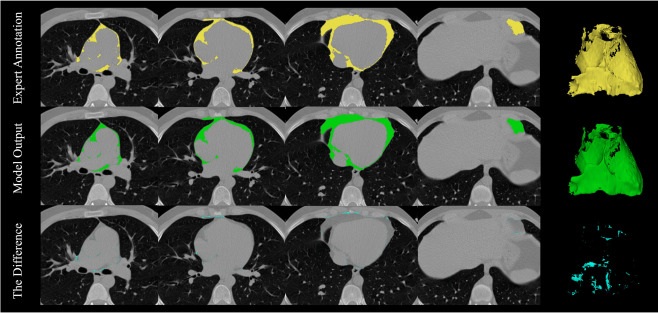
AI Analysis of Pericardial Fat Refines Long-Term Heart Disease Risk
Accurately identifying long-term cardiovascular disease risk in asymptomatic adults remains challenging for clinicians. Missed or underestimated risk delays preventive therapy and increases the chance... Read more
Machine Learning Approach Enhances Liver Cancer Risk Stratification
Hepatocellular carcinoma, the most common form of primary liver cancer, is often detected late despite targeted surveillance programs. Current screening guidelines emphasize patients with known cirrhosis,... Read more

Critical Care
view channel
Noninvasive Monitoring Device Enables Earlier Intervention in Heart Failure
Hospitalizations for heart failure with preserved ejection fraction (HFpEF) remain common because lung congestion often worsens before symptoms prompt treatment changes. Missed early decompensation... Read more
Automated IV Labeling Solution Improves Infusion Safety and Efficiency
Medication administration in high-acuity settings is often complicated by multiple concurrent infusions, making accurate line identification essential. In a 10-hospital intensive care unit study, 60% of... Read more

Surgical Techniques
view channel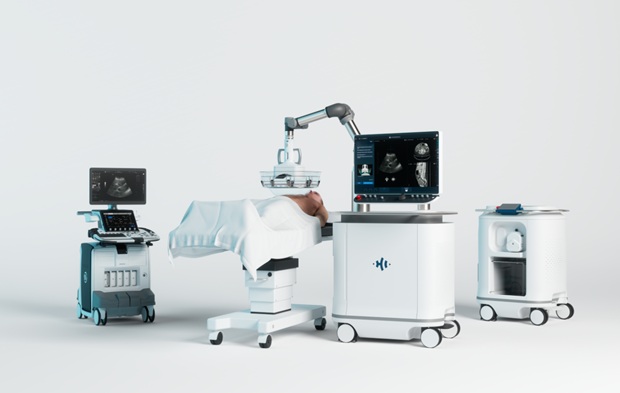
Ultrasound Technology Aims to Replace Invasive BPH Procedures
Benign prostatic hyperplasia (BPH) is a frequent cause of lower urinary tract symptoms in aging men and often requires invasive procedures or prolonged recovery. With prevalence expected to rise as populations... Read more
Continuous Monitoring with Wearables Enhances Postoperative Patient Safety
Postoperative hypoxemia on general surgical wards is common and often missed by intermittent vital sign checks. Undetected low oxygen levels can delay recovery and raise the risk of complications that... Read more
Patient Care
view channel
Wearable Sleep Data Predict Adherence to Pulmonary Rehabilitation
Chronic obstructive pulmonary disease (COPD) is a long-term lung disorder that makes breathing difficult and often disturbs sleep, reducing energy for daily activities. Limited engagement in pulmonary... Read more
Revolutionary Automatic IV-Line Flushing Device to Enhance Infusion Care
More than 80% of in-hospital patients receive intravenous (IV) therapy. Every dose of IV medicine delivered in a small volume (<250 mL) infusion bag should be followed by subsequent flushing to ensure... Read more

Health IT
view channel
EMR-Based Tool Predicts Graft Failure After Kidney Transplant
Kidney transplantation offers patients with end-stage kidney disease longer survival and better quality of life than dialysis, yet graft failure remains a major challenge. Although a successful transplant... Read more
Printable Molecule-Selective Nanoparticles Enable Mass Production of Wearable Biosensors
The future of medicine is likely to focus on the personalization of healthcare—understanding exactly what an individual requires and delivering the appropriate combination of nutrients, metabolites, and... Read more


Business
view channel
GE HealthCare Leads Major European Initiative to Advance Cardio-Oncology Care
Cardiovascular complications are increasingly recognized among people undergoing or recovering from cancer treatment, driven by pre‑existing disease and the cardiotoxic effects of chemotherapy, radiotherapy,... Read more

