






KARL STORZ Introduces New 3D Surgical Imaging System and Modular Camera Platform at Arab Health 2020
|
By HospiMedica International staff writers Posted on 30 Jan 2020 |


|
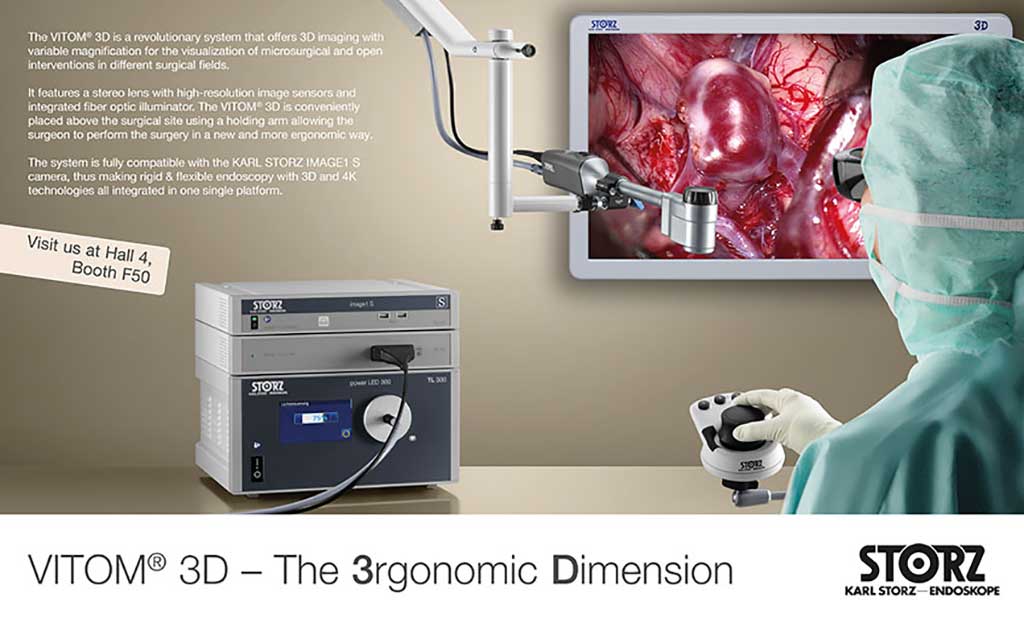
Image: VITOM 3D (Photo courtesy of KARL STORZ SE & Co. KG)
KARL STORZ SE & Co. KG (Tuttlingen, Germany), a leading endoscope manufacturer, introduced its new 3D surgical imaging system and modular camera platform at Arab Health 2020.
At this year’s Arab Health, KARL STORZ introduced VITOM 3D, a revolutionary system that offers 3D imaging with variable magnification for the visualization of microsurgical and open interventions in different surgical fields. It features a stereo lens with high-resolution image sensors and integrated fiber optic illuminator. The VITOM 3D is conveniently placed above the surgical site using a holding arm allowing the surgeon to perform the surgery in a new and more ergonomic way. The system is fully compatible with the KARL STORZ IMAGE1 S camera, thus making rigid & flexible endoscopy with 3D and 4K technologies all integrated in one single platform.
The KARL STORZ IMAGE1 S modular camera platform offers surgeons a single system suitable for all applications; it combines various technologies (e.g., rigid, flexible and 3D endoscopy) and can be adapted to individual customer’s needs. Furthermore, near infrared (NIR/ICG) for fluorescence imaging, the integration of operating microscopes and the use of VITOM 3D is possible via the camera platform which features automatic light source control, natural color rendition and three innovative visualization technologies for easy tissue differentiation in 2D and 3D.
Related Links:
KARL STORZ SE & Co. KG





At this year’s Arab Health, KARL STORZ introduced VITOM 3D, a revolutionary system that offers 3D imaging with variable magnification for the visualization of microsurgical and open interventions in different surgical fields. It features a stereo lens with high-resolution image sensors and integrated fiber optic illuminator. The VITOM 3D is conveniently placed above the surgical site using a holding arm allowing the surgeon to perform the surgery in a new and more ergonomic way. The system is fully compatible with the KARL STORZ IMAGE1 S camera, thus making rigid & flexible endoscopy with 3D and 4K technologies all integrated in one single platform.
The KARL STORZ IMAGE1 S modular camera platform offers surgeons a single system suitable for all applications; it combines various technologies (e.g., rigid, flexible and 3D endoscopy) and can be adapted to individual customer’s needs. Furthermore, near infrared (NIR/ICG) for fluorescence imaging, the integration of operating microscopes and the use of VITOM 3D is possible via the camera platform which features automatic light source control, natural color rendition and three innovative visualization technologies for easy tissue differentiation in 2D and 3D.
Related Links:
KARL STORZ SE & Co. KG

New
Gold Member
Neonatal Heel Incision Device
Tenderfoot
New
Creatinine/eGFR Meter
StatSensor® Creatinine/eGFR Meter
New
Blood Gas Analyzer
i-Check200
Latest ARAB HEALTH 2020 News
- Neusoft Showcases NeuMR 1.5T Powered by AIM (Artificial Intelligent Management) at Arab Health 2020
- Olympus Presents New Era of Diagnostic Endoscopy with Endocyto at Arab Health 2020
- United Imaging Presents Full Portfolio of High-End Medical Imaging Devices at Arab Health 2020
- Philips Healthcare Presents AI-based Solutions to Improve Patient Care and Care Delivery at Arab Health 2020
- WEINMANN Exhibits One of the World’s Smallest Turbine-Driven Ventilators at Arab Health 2020
- GE Healthcare Unveils New Imaging Tech and Intelligent Apps at Arab Health 2020
- Dräger Launches New ICU Ventilators and Anesthesia System at Arab Health 2020
- Siemens Healthineers Showcases Products and Solutions `Shaping the Future of Healthcare`
Channels
Artificial Intelligence
view channel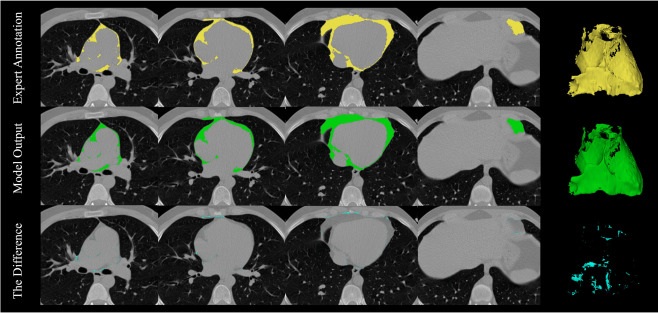
AI Analysis of Pericardial Fat Refines Long-Term Heart Disease Risk
Accurately identifying long-term cardiovascular disease risk in asymptomatic adults remains challenging for clinicians. Missed or underestimated risk delays preventive therapy and increases the chance... Read more
Machine Learning Approach Enhances Liver Cancer Risk Stratification
Hepatocellular carcinoma, the most common form of primary liver cancer, is often detected late despite targeted surveillance programs. Current screening guidelines emphasize patients with known cirrhosis,... Read more

Critical Care
view channel
Noninvasive Monitoring Device Enables Earlier Intervention in Heart Failure
Hospitalizations for heart failure with preserved ejection fraction (HFpEF) remain common because lung congestion often worsens before symptoms prompt treatment changes. Missed early decompensation... Read more
Automated IV Labeling Solution Improves Infusion Safety and Efficiency
Medication administration in high-acuity settings is often complicated by multiple concurrent infusions, making accurate line identification essential. In a 10-hospital intensive care unit study, 60% of... Read more

Surgical Techniques
view channel
Ultrasound Technology Aims to Replace Invasive BPH Procedures
Benign prostatic hyperplasia (BPH) is a frequent cause of lower urinary tract symptoms in aging men and often requires invasive procedures or prolonged recovery. With prevalence expected to rise as populations... Read more
Continuous Monitoring with Wearables Enhances Postoperative Patient Safety
Postoperative hypoxemia on general surgical wards is common and often missed by intermittent vital sign checks. Undetected low oxygen levels can delay recovery and raise the risk of complications that... Read more
Patient Care
view channel
Wearable Sleep Data Predict Adherence to Pulmonary Rehabilitation
Chronic obstructive pulmonary disease (COPD) is a long-term lung disorder that makes breathing difficult and often disturbs sleep, reducing energy for daily activities. Limited engagement in pulmonary... Read more
Revolutionary Automatic IV-Line Flushing Device to Enhance Infusion Care
More than 80% of in-hospital patients receive intravenous (IV) therapy. Every dose of IV medicine delivered in a small volume (<250 mL) infusion bag should be followed by subsequent flushing to ensure... Read more

Health IT
view channel
EMR-Based Tool Predicts Graft Failure After Kidney Transplant
Kidney transplantation offers patients with end-stage kidney disease longer survival and better quality of life than dialysis, yet graft failure remains a major challenge. Although a successful transplant... Read more
Printable Molecule-Selective Nanoparticles Enable Mass Production of Wearable Biosensors
The future of medicine is likely to focus on the personalization of healthcare—understanding exactly what an individual requires and delivering the appropriate combination of nutrients, metabolites, and... Read more


Business
view channel
GE HealthCare Leads Major European Initiative to Advance Cardio-Oncology Care
Cardiovascular complications are increasingly recognized among people undergoing or recovering from cancer treatment, driven by pre‑existing disease and the cardiotoxic effects of chemotherapy, radiotherapy,... Read more

