






Critical Care
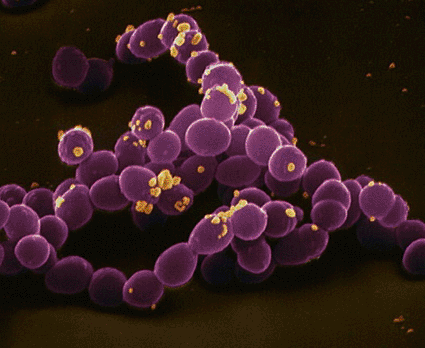
Cardiac CT Shown More Cost-Effective Managing Low-Risk Patients with Chest Pain in the Emergency Department
The use of cardiac CT imaging for low-risk chest pain patients in the emergency department, instead of the conventional standard of care workup, may reduce a patient's length of stay and hospital charges, according to a new study. More...29 Jul 2009

Gold Member

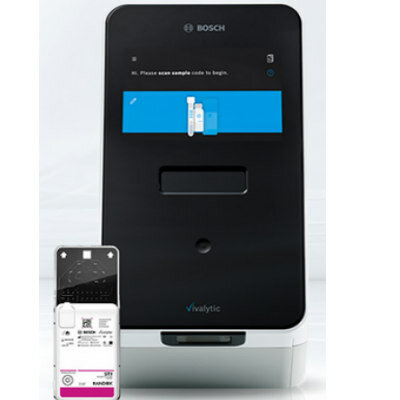
STI Test
Vivalytic Sexually Transmitted Infection (STI) Array

New

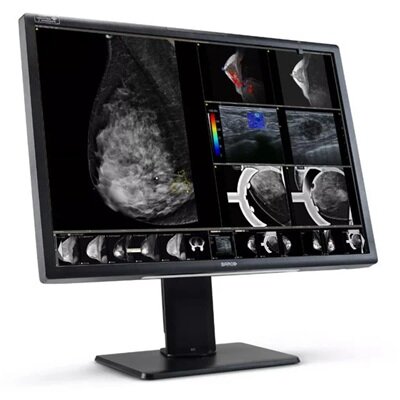
Radiology Monitor
Barco MDNC-12130 Nio Fusion 12MP Radiology Monitor
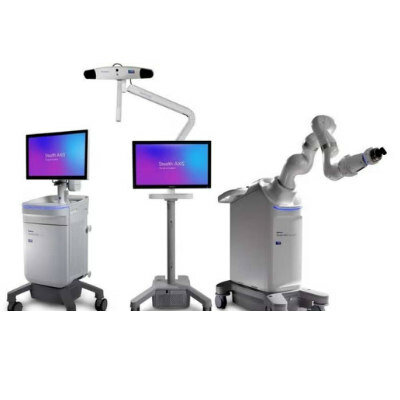

Surgical System
Stealth AXiS
In Other News
Factors That Increase Death Risk in Young Stroke Patients Identified
Developments in Wound Management Could Revolutionize Traditional Practices
Hemoglobin A1c Preferred to Glucose for Diabetes Diagnosis
New Alzheimer's Disease Treatment Shows Promise
Active Transdermal Drug Delivery System Eases Pain
Medical Management Tool Helps Combat Influenza A(H1N1)
New Drug Reduces Platelet Aggregation and Stent Stenosis
Imaging the Hypnotized Brain Reveals Neural Mechanisms of Suggested Paralysis
Noninvasive Remedy for Sleep Apnea Sufferers
Genetic Factors Implicated in Cancer Survival Disparity
Reduced Calorie Intake Linked to Longevity and Delayed Disease
Finger Strength Measurement Device Aids Treatment of Hand Injuries
Service Launched for Measuring Abeta Plaques in AD Patients
Dry Mouth Linked to Prescription and OTC Drugs
Innovative CPR Mattress Can Help Save Lives
Philips and Project Hope Collaborate to Improve Chronic Disease Management in China
Air Traffic Data Reveals Pattern of Influenza A(H1N1) Spread
New Antibiotics Could Develop From a DNA Binding Compound
An Extract from Bone Marrow Cells Treats Heart Failure After a Heart Attack
Melatonin Shown to Inhibit the Effects of Aging
Common ECG Finding May Indicate Serious Cardiac Problems
Telemedicine Expands Reach of Care Services for Parkinson's Patients
New Radiotherapy Technique Shown to Be Safe for Cancer Patients


HospiMedica Critical Care channel provides timely reporting on emergency medicine, intensive care, anesthesia, neonatal care, patient monitoring, respiratory care, infection control, and more hospital related subjects.