






Critical Care



Gold Member

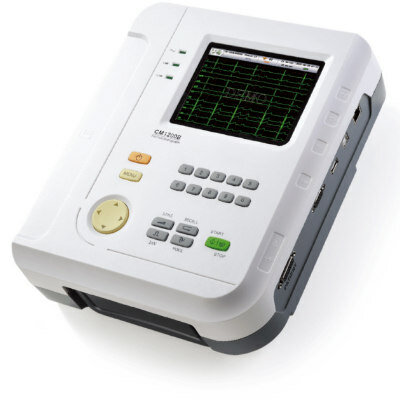
12-Channel ECG
CM1200B
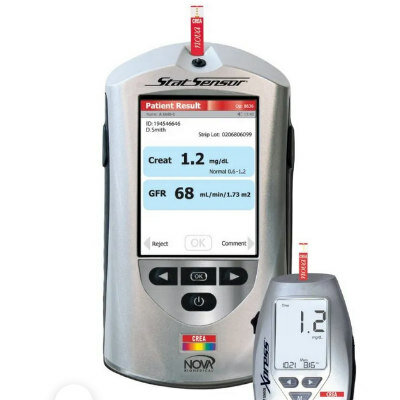

Creatinine/eGFR Meter
StatSensor® Creatinine/eGFR Meter
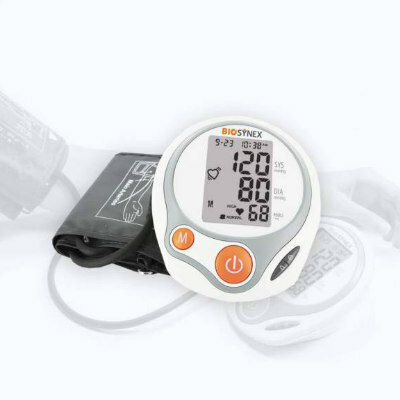

Blood Pressure Monitor
Cuff Blood Pressure Monitor
In Other News
Climate Change May Increase Heart Attack Risk
Xenon Gas May Mitigate Blast-Induced Brain Injury
Nasal Swabstick Supports Antibiotic Stewardship
Cannabis Safe and Effective for Elderly in Regular Use
Anesthesiologist Handoffs Affect Post-Surgical Outcomes
Surgical Infections Linked to Drug-Resistant Bacteria
Implanted Sensor Provides Continuous Glucose Monitoring
Copper-Coated Hospital Uniforms Reduce Bacterial Spread
Risk Tool Predicts Pressure Injuries in Pediatric Patients
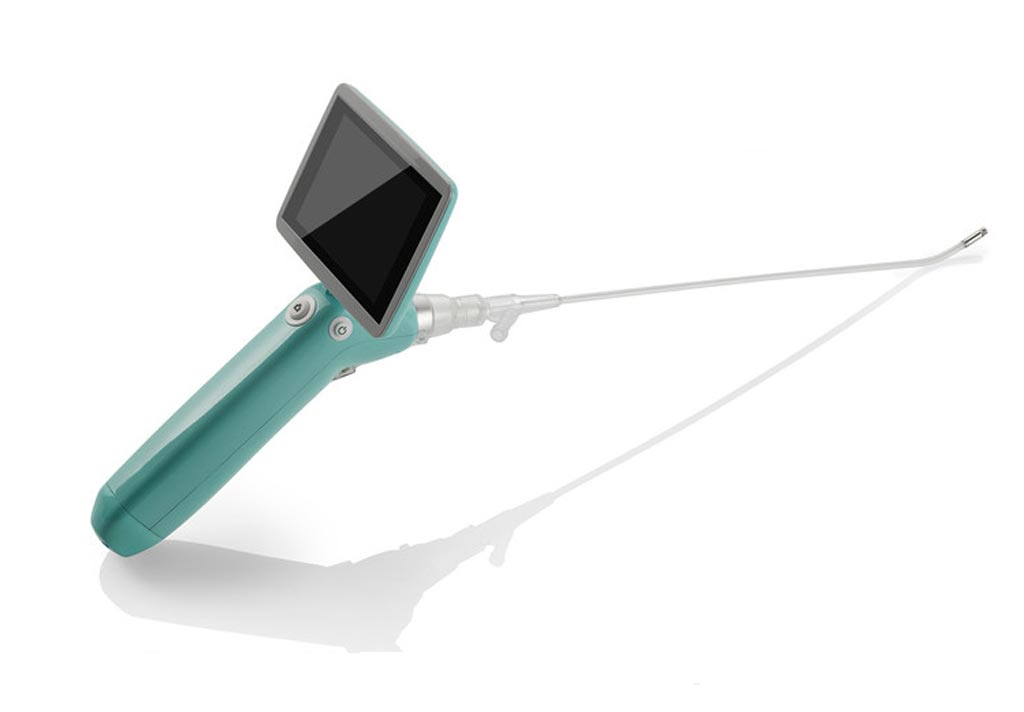
Portable Video Laryngoscope Facilitates Intubation

NPWT System Reduces Pressure Point Risk
In-Circuit Module Permits Mobile Anesthesia Delivery
Smartphone App Remotely Monitors Wound Healing
PFO Doubles Post-Surgical Stroke Risk
Biopolymer Bandage Treats Broad Set of Skin Conditions
Pre-Op Breathing Training Prevents Post-Op Pneumonia
Majority of ICU Patient Alarms Are Clinically Irrelevant
Brain Monitor Measures Effects of Anesthesia and Sedation
Cardiovascular Disease Management Impacts Survival Outcomes
Biodegradable Sensor Helps Monitor Serious Health Conditions
Wireless Device Provides Drug-Free Pain Relief
Localized Cardiac Cooling May Limit Infarct Damage
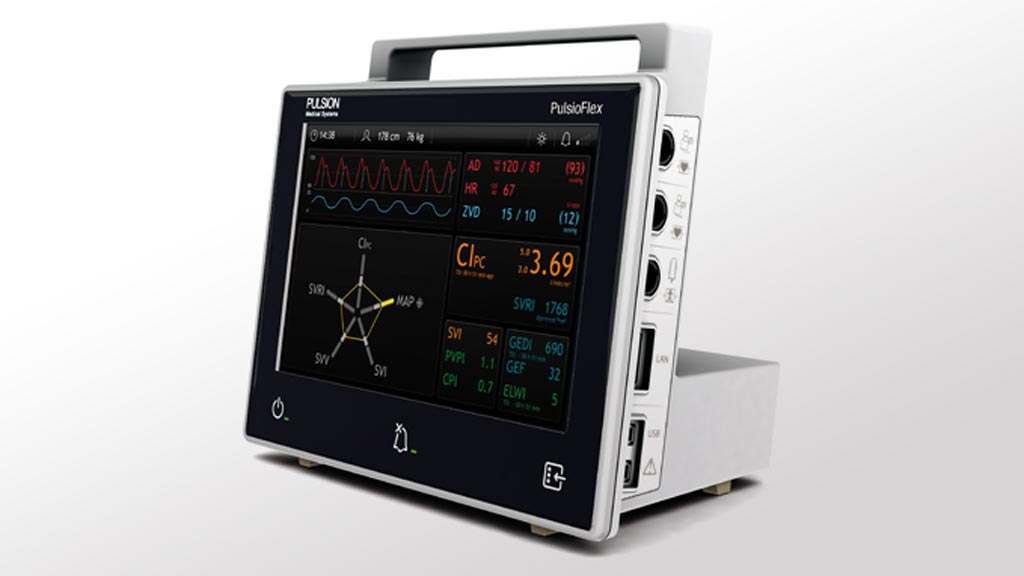
Comprehensive Monitoring Platform Keeps Patients Safe


HospiMedica Critical Care channel provides timely reporting on emergency medicine, intensive care, anesthesia, neonatal care, patient monitoring, respiratory care, infection control, and more hospital related subjects.